Dessert Wine Guide: Port, Sauternes, Ice Wine and More
This post contains affiliate links. If you click through and make a purchase, I may earn a small commission at no extra cost to you. As an Amazon Associate I earn from qualifying purchases.
A dessert wine is a sweet wine made to drink with or instead of dessert. The five main styles are Port, Sauternes, Tokaji, ice wine and late harvest wine, and each gets its sweetness a different way: Port by adding grape spirit during fermentation, Sauternes and Tokaji from grapes shrunk by noble rot, ice wine from grapes frozen on the vine, and late harvest wine from grapes left to ripen longer, as the Wikipedia entry on dessert wine sets out.
If you already know you like sweet wine, start with our guide to the best sweet wine for beginners. This dessert wine guide goes one step further: what each style tastes like, how it is made, what a bottle costs today and what to serve with it. To plan the whole meal around it, see how to host a dinner party.
Every style description below is linked to the page it comes from, and every price was read on Total Wine product listings on 16 November 2026. Prices change by store and state, so treat them as a guide. Kimberly Joy, who writes Luxury Infusion, holds the WSET Level 1 Award in Wines.
Contents
- Dessert wine styles at a glance
- Port
- Sauternes
- Tokaji
- Ice wine
- Late harvest wine and Moscato d’Asti
- Marsala and other value sweet wines
- Sweet reds, by name
- How to serve and store dessert wine
- Dessert wine and food
- FAQ
Dessert wine styles at a glance
Alcohol ranges come from the Port, Sauternais, Tokaji, ice wine and Marsala pages linked here; serving temperatures from Wine Folly; prices from Total Wine on 16 November 2026.
| Style | Where | How it gets sweet | Alcohol | Serve at | Example price |
|---|---|---|---|---|---|
| Port | Douro Valley, Portugal | Grape spirit added during fermentation | 19% to 22% | 55 F to 60 F | Graham’s Six Grapes, $25.99 (750ml) |
| Sauternes | Bordeaux, France | Noble rot (Botrytis cinerea) | 11.5% to 13.5% | 45 F to 55 F | Dubourdieu Liaison Sauternes, $26.99 (750ml) |
| Tokaji Aszú | Tokaj, Hungary and Slovakia | Noble rot | Usually above 14% | Chilled | Royal Tokaji Red Label 5 Puttonyos, $72.99 (500ml) |
| Ice wine | Canada (mostly Ontario), Germany | Grapes frozen on the vine | 10% to 11.5% | 45 F to 55 F | Jackson Triggs Vidal Icewine, $27.99 (187ml) |
| Late harvest | Many regions | Grapes left on the vine to ripen longer | Varies | Chilled | Washington Hills Late Harvest Riesling, $9.99 (750ml) |
| Marsala | Sicily, Italy | Fortified | 15% to 20% | 55 F to 60 F | Florio Sweet Marsala, $14.99 (750ml) |
How dessert wine gets its sweetness
All wine starts sweet: yeast turns the sugar in grape juice into alcohol. A dessert wine keeps some of that sugar, and the Wikipedia entry on dessert wine lists the main ways winemakers do it.
- Fortification: brandy or grape spirit is added before all the sugar has fermented, which stops the yeast. This is how Port and Marsala are made.
- Noble rot: in damp, temperate places, the Botrytis cinerea fungus dries the grapes on the vine and concentrates their sugar. Sauternes and Tokaji are made this way.
- Freezing: in frosty places, water is frozen out of the grapes before pressing. This is ice wine.
- Drying: in warm places, grapes are air dried into near raisins before pressing, which gives straw or raisin wines.
- Ripeness: grapes are simply left on the vine longer, and some varieties such as Muscat make more sugar to begin with. This is late harvest wine.
- Adding sugar or sweet juice: sugar can be added before fermentation, or unfermented grape juice after it, a method German winemakers call Süssreserve.
Knowing the method tells you a lot about the wine. Fortified wines are stronger, from about 15% to 22% alcohol in the styles below, while Sauternes and ice wine sit at about 10% to 13.5%, and Wine Folly rates both medium high in acidity, which keeps the sweetness fresh, per its Sauternais and ice wine guides.
Port
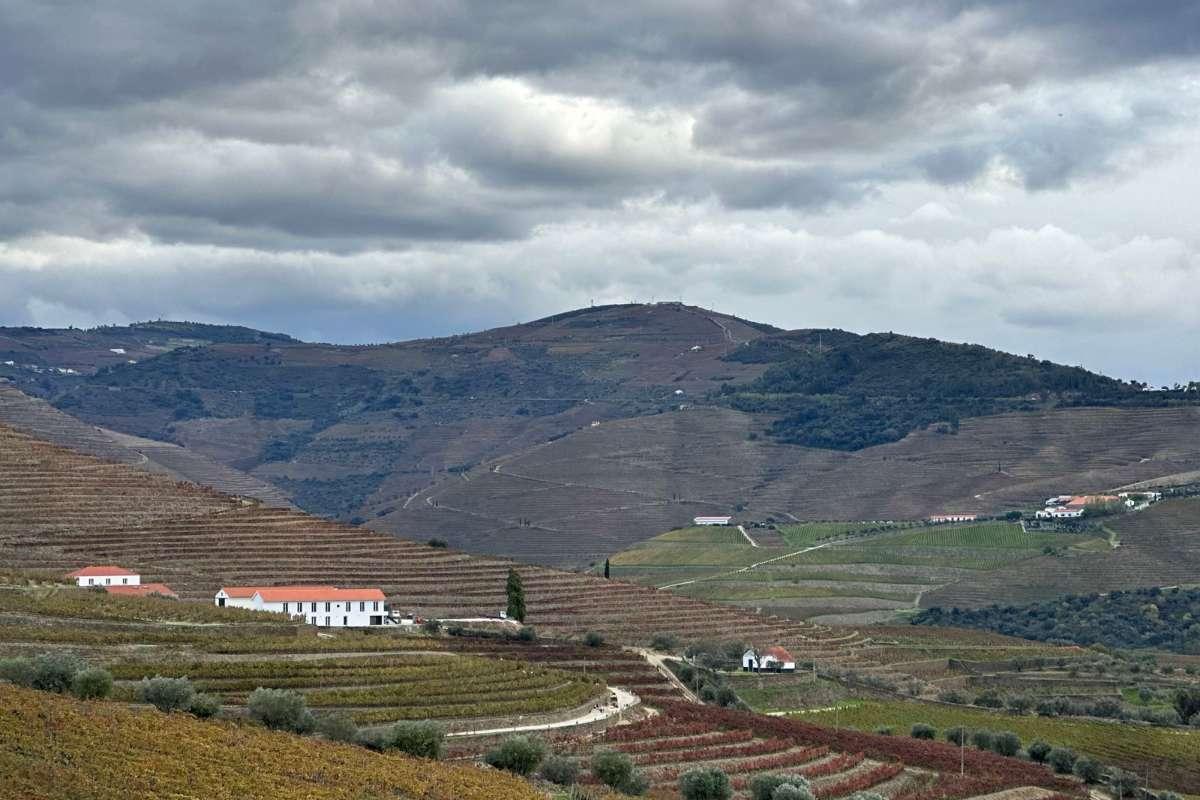
Port is a fortified wine from the Douro Valley in northern Portugal, usually a sweet red served with dessert, according to the Wikipedia entry on Port wine. Winemakers stop the fermentation early by adding a neutral grape spirit, which leaves natural grape sugar in the wine and lifts the alcohol to between 19% and 22%.
Wine Folly lists plum, dried cherry, chocolate, raisin and cinnamon as Port’s main flavors, with a full body and high tannins, and suggests serving it at 55 F to 60 F in a dessert glass, per its Port guide.
Ruby, tawny and vintage Port
The two main families are ruby and tawny. Ruby Ports are younger, aged a few years or less, and include Ruby Reserve, Late Bottled Vintage and Vintage Port. Tawny Ports spend much longer in wooden barrels, turn a golden brown and take on nutty flavors, and most carry an age statement in 10 year steps from 10 to 50 years, as the same entry explains.
Colheita is a tawny Port from a single harvest year, and white Port is made from white grapes rather than red, per the Wikipedia entry. Over a hundred grape varieties are allowed, but five do most of the work, with Touriga Nacional seen as the finest and Touriga Francesa the most planted, the same entry notes.
Where to start: a ruby Port such as Graham’s Six Grapes was $25.99 for 750ml at Total Wine on 16 November 2026, and Taylor Fladgate 10 Year Tawny was $31.99 for 750ml at Total Wine the same day.
Serve it with: blue cheese. Wine Folly calls Port and blue cheese an exceptional pairing, with the salty, pungent cheese set against the wine’s sweetness, per its Port guide. More cheese matches are in the wine and cheese pairing guide.
Sauternes
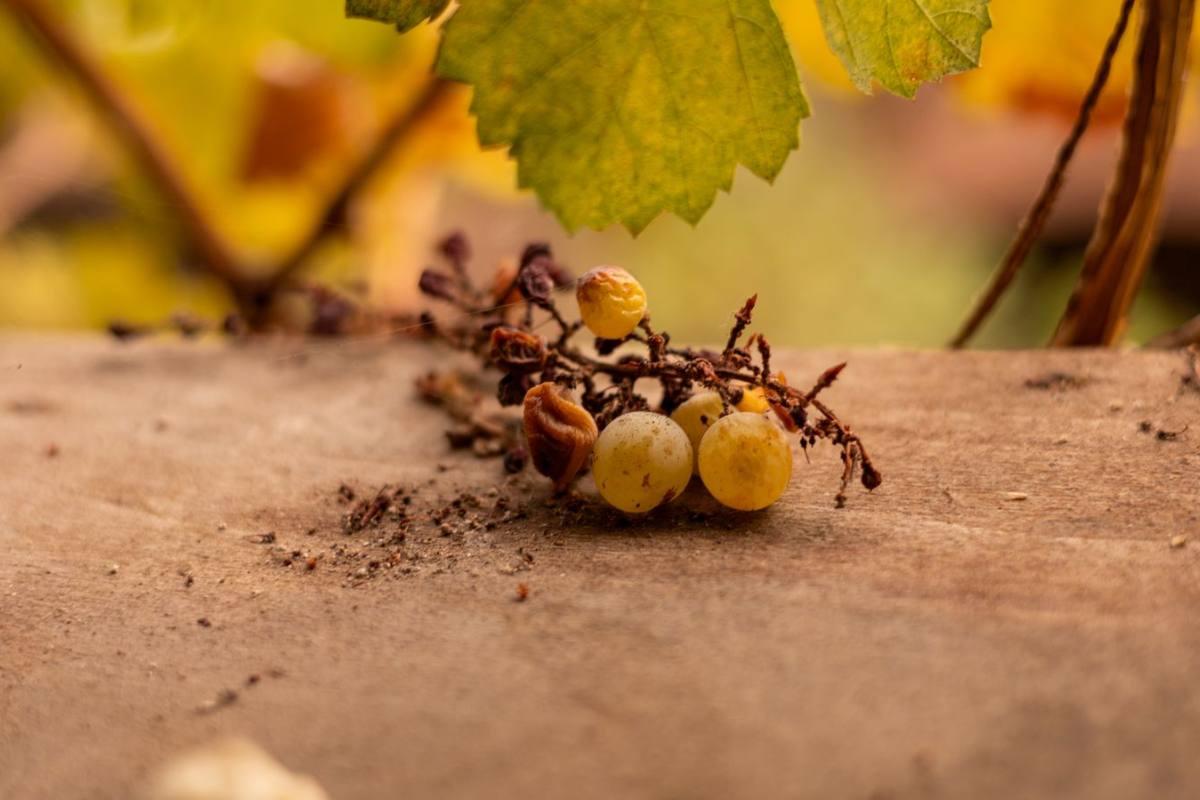
Sauternes is a sweet white wine from the Sauternes area of Bordeaux, made from Sémillon, Sauvignon Blanc and Muscadelle grapes affected by Botrytis cinerea, or noble rot. The rot partly raisins the grapes and concentrates their sugar and flavor, and Barsac, inside Sauternes, may use either name, according to the Wikipedia entry on Sauternes.
The same source describes the taste as a balance of sweetness and acidity, with apricot, honey and peach and a nutty note, and notes that top estates such as Château d’Yquem are very expensive because production is costly. Wine Folly lists lemon curd, apricot, quince, honey and ginger, 11.5% to 13.5% alcohol, and a serving temperature of 45 F to 55 F, per its Sauternais guide.
Similar but cheaper sweet wines come from the neighboring areas of Monbazillac, Cérons, Loupiac and Cadillac. In the United States, a bottle labeled sauterne, with no s at the end, is a generic sweet white and not the Bordeaux wine, per the same entry.
Where to start: Dubourdieu Liaison Sauternes was $26.99 for 750ml and Château Cantegril Sauternes 2018 was $29.99 at Total Wine on 16 November 2026.
Serve it with: Roquefort, which Wine Folly calls the most classic pairing, or washed rind cheeses, per the Sauternais guide. The Wikipedia entry also pictures Sauternes with foie gras, its other famous match.
Tokaji
Tokaji, also spelled Tokay, is a sweet wine from the Tokaj region of Hungary and a small part of Slovakia, made from grapes affected by noble rot. Six grape varieties are approved, and Furmint covers about 60% of the vineyard area, with Hárslevelű another 30%, according to the Wikipedia entry on Tokaji.
For Tokaji Aszú, the famous style, shriveled berries are picked one by one, crushed into a paste and soaked in must or wine for 24 to 48 hours before a slow fermentation in cask. The sweetness was traditionally shown in puttonyos, the number of baskets of paste added to each cask, and Aszú is labeled from 3 to 6 puttonyos, with alcohol usually above 14%, per the same entry.
Above Aszú sits Eszencia, the free run nectar of the shriveled berries. It is so concentrated in sugar that its alcohol never rises above 5% to 6%, and Wikipedia describes it as one of the most exclusive wines in the world, per the Tokaji entry.
Where to start: Royal Tokaji Red Label 5 Puttonyos was $72.99 for a 500ml bottle at Total Wine on 16 November 2026. Tokaji bottles are usually 500ml rather than 750ml, so compare prices by size.
Ice wine

Ice wine, Eiswein in German, is a dessert wine made from grapes that freeze while still on the vine. The water in the grape freezes but the sugar does not, so pressing the frozen grapes gives a small amount of very sweet, concentrated juice. The grapes must be frozen naturally and picked at minus 8 C (18 F) or colder, which is why ice wine is made in small amounts and costs more, according to the Wikipedia entry on ice wine.
The same entry names Canada as the largest producer, with Ontario making over 90% of Canadian ice wine, followed by Germany, and lists Riesling, Vidal and Cabernet Franc among the main grapes. Wine Folly lists pineapple, lemon curd, honeysuckle, apricot and lychee, 10% to 11.5% alcohol and a serving temperature of 45 F to 55 F, per its ice wine guide.
Where to start: Inniskillin Vidal Icewine was $65.49 for 375ml, and Jackson Triggs Vidal Icewine was $27.99 for a 187ml bottle, at Total Wine on 16 November 2026. The small bottle is a sensible way to try the style.
Serve it with: fruit desserts, cheesecake and ice cream, or with Brie and Stilton, as Wine Folly suggests in its ice wine guide.
Late harvest wine and Moscato d’Asti
Late harvest wines take the simplest route to sweetness: the grower leaves the grapes on the vine until they are fully ripe, and some grapes, such as Muscat, naturally make much more sugar than others, as the Wikipedia entry on dessert wine explains. Late harvest Riesling is one example on US shelves, and the German Spätlese level is made from riper, later picked grapes too, per the Wikipedia entry on German wine classification. Our post on Riesling vs Chardonnay explains the German label words.
Where to start: Washington Hills Late Harvest Riesling was $9.99 and B Lovely Late Harvest Riesling was $14.99, both 750ml, at Total Wine on 16 November 2026, with Gerd Anselmann Pfalz Auslese at $28.99.
Moscato d’Asti is another easy first dessert wine. Our Moscato d’Asti guide covers how it is made, what it costs and how it differs from other Moscato.
Marsala and other value sweet wines
Marsala is a fortified wine, dry or sweet, from the area around the city of Marsala in Sicily, with DOC status since 1969. It contains about 15% to 20% alcohol and comes in three sweetness levels: secco (up to 40 grams of sugar per liter), semisecco (41 to 100 grams) and sweet, or dolce (over 100 grams), according to the Wikipedia entry on Marsala. Age terms run from Fine (at least one year) to Vergine Stravecchio (at least ten years).
Most people know Marsala from chicken Marsala, but the same entry notes that the sweeter versions are served at room temperature as a dessert wine. Wine Folly lists stewed apricot, vanilla, tamarind, brown sugar and tobacco as its flavors and suggests serving it at 55 F to 60 F with nuts, dried fruit and firm cheeses, per its Marsala guide.
Where to start: Florio Sweet Marsala was $14.99 for 750ml and $8.99 for 375ml at Total Wine on 16 November 2026, though it showed as out of stock at the store checked.
Two more names to know: Pedro Ximénez sherry from Spain and Muscat de Beaumes de Venise from France, both lighter fortified wines that the Wikipedia entry on dessert wine says are treated as dessert wines, and Vin Santo from Italy, which the same entry pictures with almond biscuits.
Sweet reds, by name
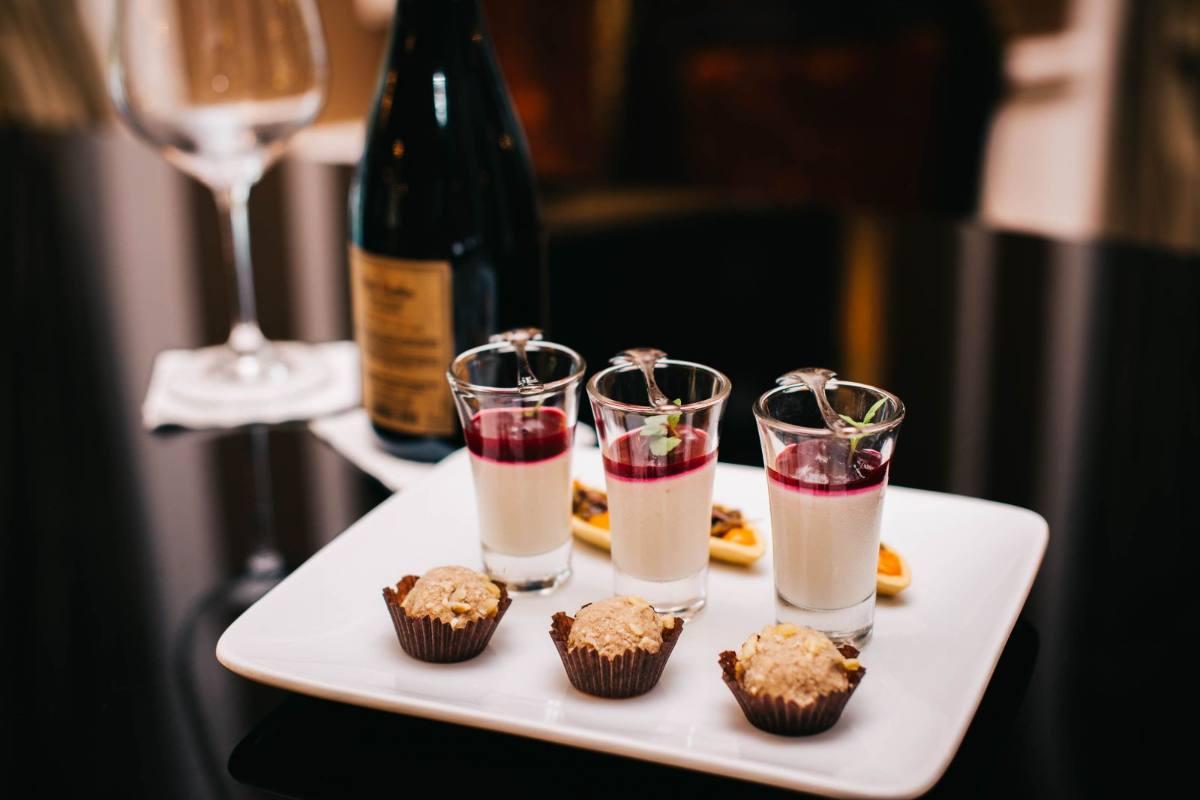
Port is the classic sweet red, but there are cheaper bottles if you want something easy to open on a weeknight. These were the prices at Total Wine on 16 November 2026, all for 750ml bottles:
- Stella Rosa Rosso, $10.49, at Total Wine.
- Jam Jar Sweet Shiraz, $10.99, at Total Wine.
- Botticello Dolce Rosso Lambrusco, $10.99, at Total Wine.
- Banfi Rosa Regale, $16.99, at Total Wine.
- Graham’s Six Grapes ruby Port, $25.99, at Total Wine.
For chocolate, the hardest dessert to match, the Wikipedia entry on dessert wine points to red dessert wines such as Recioto della Valpolicella. Our post on sugar in white wine vs red wine explains why most everyday reds taste dry by comparison.
How to serve and store dessert wine
Serve sweet whites such as Sauternes and ice wine chilled, at 45 F to 55 F, and fortified wines such as Port and Marsala a little warmer, at 55 F to 60 F, per Wine Folly’s guides to Sauternais, ice wine, Port and Marsala. All four guides list a dessert glass for these wines.
Once opened, Port lasts longer than an unfortified wine. Tawny Port can keep for several months, young ruby styles such as Late Bottled Vintage for several weeks, and old vintage Port is best finished within a few days, according to the Wikipedia entry on Port.
A general rule from the Wikipedia entry on dessert wine: the wine should be sweeter than the food.
Dessert wine and food
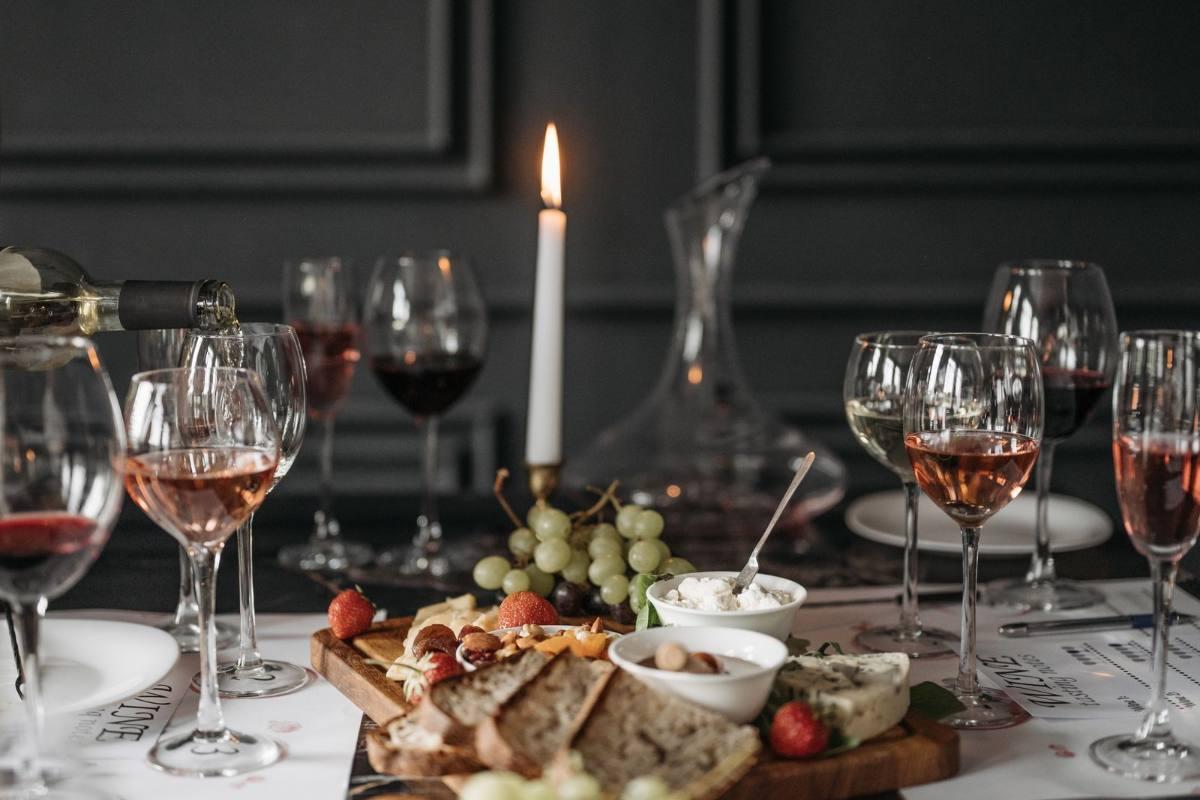
- Blue cheese with Port, per Wine Folly.
- Roquefort and washed rind cheeses with Sauternes, per Wine Folly.
- Fruit desserts, cheesecake, Brie and Stilton with ice wine, per Wine Folly.
- Nuts, dried fruit and firm cheeses with sweet Marsala, per Wine Folly.
- A ripe peach with many dessert wines, and almond biscuits with Vin Santo, per the Wikipedia entry on dessert wine.
For the bigger picture, our wine and food pairing guide covers the basic rules, and types of wine shows where dessert wines sit next to reds, whites, rosé and sparkling wine.
FAQ
What is dessert wine?
A dessert wine is a sweet wine served with or instead of dessert. The main styles are Port, Sauternes, Tokaji, ice wine and late harvest wine, according to the Wikipedia entry on dessert wine. In the United States, dessert wine is also a legal term for any wine over 14% alcohol, the same entry notes.
Is Port a dessert wine?
Yes. Port is a fortified wine from Portugal’s Douro Valley, typically a sweet red often served with dessert, with 19% to 22% alcohol, per the Wikipedia entry on Port.
What is the sweetest wine?
Tokaji Eszencia is often named the sweetest. It is so concentrated in sugar that its alcohol never rises above 5% to 6%, according to the Wikipedia entry on Tokaji.
How long does Port last once opened?
Tawny Port can keep for several months after opening, young ruby styles such as Late Bottled Vintage for several weeks, and old vintage Port only a few days, per the Wikipedia entry on Port.
What is a good cheap dessert wine?
On 16 November 2026, Washington Hills Late Harvest Riesling was $9.99, Florio Sweet Marsala $14.99 and Graham’s Six Grapes ruby Port $25.99 for 750ml at Total Wine. A 187ml bottle of Jackson Triggs Vidal Icewine was $27.99 at Total Wine on 16 November 2026.
Continue Exploring Luxury
Everything you need for wine, food and entertaining, in one place.
📖 Get the Free Luxe Living Starter Guide