Riesling vs Chardonnay: Taste, Sweetness and Pairings
This post contains affiliate links. If you click through and make a purchase, I may earn a small commission at no extra cost to you. As an Amazon Associate I earn from qualifying purchases.
Riesling vs Chardonnay comes down to three things: sweetness, weight and oak. Riesling is a light, high acid, aromatic white that can be anything from bone dry to very sweet, with lime, green apple and jasmine notes, according to Wine Folly. Chardonnay is almost always dry and medium bodied, and its taste depends on the winemaker: crisp and lemony when unoaked, or creamy with butter and vanilla when aged in oak, as Wine Folly explains. Choose Riesling for spicy food and sweeter tastes, and Chardonnay for creamy dishes, chicken and seafood.
This guide compares the two grapes side by side, explains how to tell a dry Riesling from a sweet one, and shows which foods suit each, so you can pick a bottle with confidence.
Contents
- Riesling vs Chardonnay at a glance
- How they taste
- Sweetness: the biggest difference
- Oak and the buttery question
- Where each grape grows best
- Food pairing
- Serving temperature and aging
- Which one should you buy?
- FAQ
Riesling vs Chardonnay at a glance
The figures in this table come from the Wine Folly Riesling guide and the Wine Folly Chardonnay guide, both read in November 2026.
| Riesling | Chardonnay | |
|---|---|---|
| Sweetness | Bone dry to very sweet, often off dry | Dry |
| Body | Light | Medium, fuller when oaked |
| Acidity | High | Medium, higher in unoaked styles |
| Alcohol | Often under 10% ABV in off dry German styles | 12% to 15% ABV |
| Main flavors | Lime, green apple, beeswax, jasmine, petrol | Lemon, yellow apple, butter, vanilla, pineapple |
| Oak | Seldom oaked | Often oaked |
| Serve at | 38 F to 45 F | 45 F for lean styles, about 55 F for oaked |
| Aging potential | 10 years or more | 5 to 10 years |
How they taste
Riesling
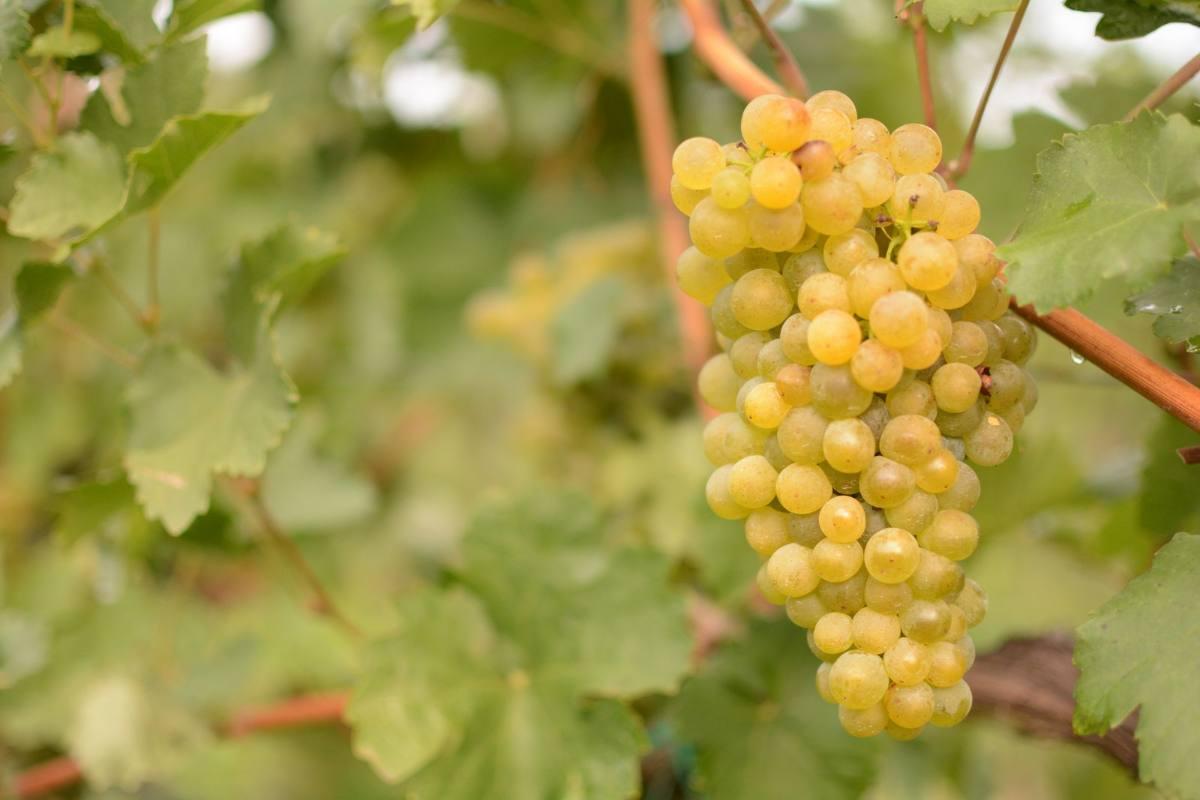
Riesling is an aromatic grape. Wine Folly lists lime, green apple, beeswax, jasmine and petroleum as its main flavors, with a light body, no tannins and high acidity. That acidity is the key to the style: it keeps even a sweet Riesling tasting fresh rather than syrupy.
The place it grows changes the taste a great deal. In cool regions such as the Mosel in Germany, Riesling shows apple and tree fruit with pronounced acidity, while Australian examples from the Clare Valley and Eden Valley are known for a lime note, according to the Wikipedia entry on Riesling. The same source notes that aged German Rieslings can develop a petrol aroma from a compound called TDN, which many wine lovers enjoy.
Chardonnay
Chardonnay is often called a winemaker’s grape, because so much of its flavor comes from what happens in the cellar. Unoaked Chardonnay, Chablis in particular, shows green apple, pear, citrus and a chalky, mineral quality, while oaked versions in the Burgundian style move toward peach, mango, lemon, vanilla and butter, per Wine Folly. Both styles usually share an apple or citrus note, and older bottles can develop hazelnut, honey and mushroom aromas.
If you want to compare Chardonnay with other dry whites, our guide to dry white wine types and the wider list of white wine grapes show where it sits next to Sauvignon Blanc, Pinot Grigio and others.
Sweetness: the biggest difference
Chardonnay is made dry almost everywhere. Riesling is the grape that varies: Wine Folly describes it as producing wines from bone dry to very sweet. Germany, its most important producer, makes the full range, from dry Riesling to the very sweet dessert wines Beerenauslese, Trockenbeerenauslese and Eiswein, which the Wikipedia entry lists among its notable wines.
A few label clues help you guess the sweetness before you open the bottle:
- Trocken on a German label means dry, halbtrocken means half dry and feinherb is an unregulated term for off dry, per the Wikipedia entry on German wine classification.
- Kabinett, the first of the German Prädikat levels, is typically semi sweet with crisp acidity, but can be dry when the label also says trocken, according to the same entry.
- Spätlese is made from riper, later picked grapes and is often, though not always, sweeter and fruitier than Kabinett, per the same source.
- If the label gives no sweetness word at all, ask the shop or check the producer’s website before you buy.
If you like sweeter whites, our guide to the best sweet wine for beginners covers Riesling alongside Moscato and other easy options, and the post on sugar in white wine vs red wine explains where the sugar comes from.
Oak and the buttery question
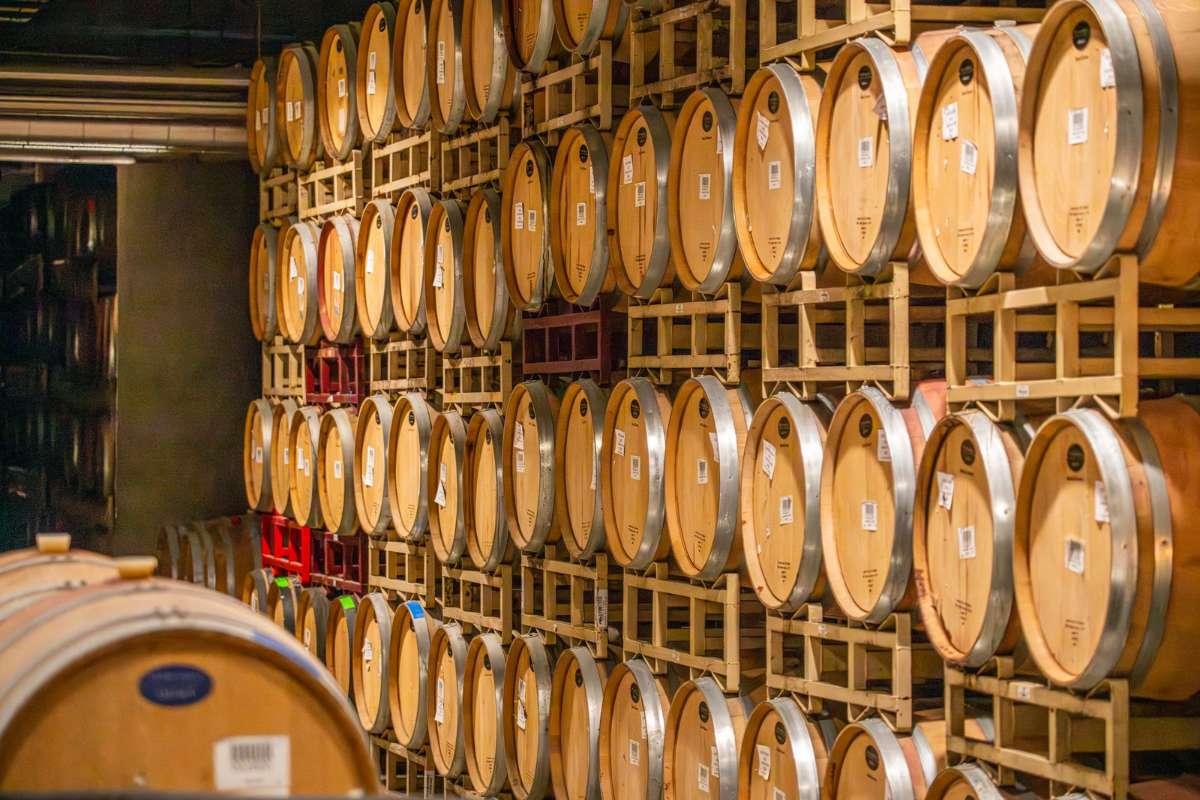
Riesling wines are usually made from Riesling alone and are seldom oaked, according to the Wikipedia entry on Riesling.
Chardonnay is the opposite. Many bottles spend time in oak barrels, which add vanilla, spice and toast. The buttery taste people associate with California Chardonnay comes from malolactic fermentation, a process in which bacteria turn tart malic acid into softer lactic acid and produce a compound called diacetyl, as Wine Folly explains. Stirring the lees, the spent yeast in the barrel, adds a bready, brioche note and a silkier texture.
If you dislike that buttery style, look for words such as unoaked, stainless steel or Chablis on the label. Wine Folly describes unoaked Chardonnay as lean and crisp, with high acidity, closer to Sauvignon Blanc but with more body.
Where each grape grows best
Riesling regions
Riesling is thought to have originated in the Rhine Valley of western Germany. In 2015 it was the most planted grape in Germany, at 23.0 percent of the vineyard area or 23,596 hectares, and in Alsace in France, at 21.9 percent, according to the Wikipedia entry. In Germany it is widely grown in the Pfalz, Rheinhessen, Mosel, Rheingau, Nahe and Baden. Outside Europe, look to the Clare Valley and Eden Valley in South Australia and, in the United States, the Finger Lakes of New York and Washington State.
Chardonnay regions
Chardonnay originated in Burgundy, France, and is now made in every wine producing country. It covers about 498,286 acres worldwide, with France at 117,254 acres and the United States at 102,282 acres, figures Wine Folly credits to the University of Adelaide for 2021. Inside Burgundy, Chablis makes the lean, steely style, while villages in the Côte d’Or such as Meursault and Puligny Montrachet make richer, oak aged wines. In California, the cool Sonoma Coast gives brighter Chardonnay and warmer Napa Valley gives riper, tropical styles. Champagne labeled Blanc de Blancs is almost always 100 percent Chardonnay, per the same guide.
Food pairing
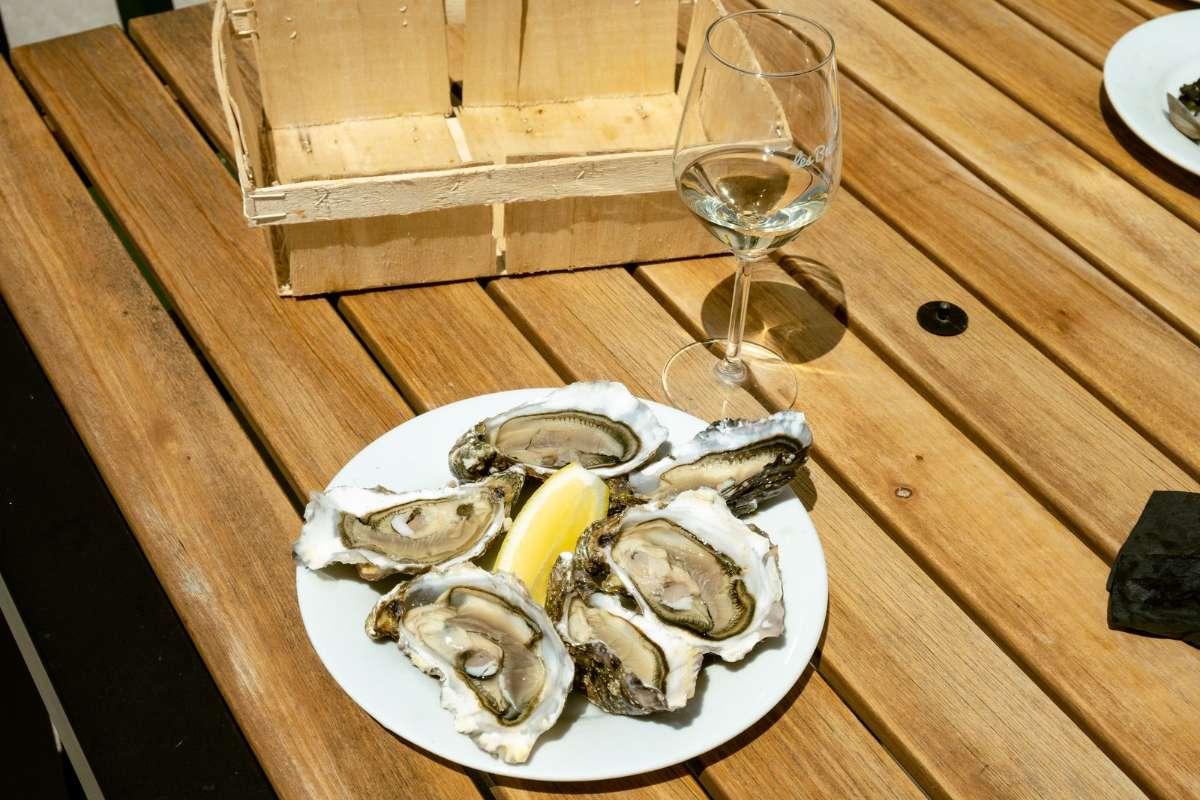
Riesling is one of the best wines for spicy food. Wine Folly recommends off dry Riesling with spicy Indian and Asian dishes, and with duck, pork, bacon, shrimp and crab. A touch of sweetness cools chili heat, and the high acidity cuts through rich meats.
Chardonnay pairs by style. Lean and unoaked Chardonnay suits oysters, sushi, sautéed fish and chicken piccata, while oaked Chardonnay suits richer food such as crab cakes, linguine with clams, halibut and pork tenderloin with apples, according to Wine Folly. For vegetarian dishes, the same guide points to corn, pumpkin, squash and mushrooms.
For more ideas, see our full wine and food pairing guide and the Chilean sea bass wine pairing post, where both grapes appear. If you are choosing between two aromatic whites, Gewürztraminer vs Riesling compares Riesling with its closest rival.
Serving temperature and aging
Serve Riesling well chilled, at 38 F to 45 F, in a standard white wine glass, per Wine Folly. Serve lean Chardonnay such as Chablis at about 45 F and oaked Chardonnay a little warmer, around 55 F, so the oak and fruit can show, as Wine Folly advises. An aroma collector glass with a wider bowl suits oaked Chardonnay.
Riesling ages unusually well for a white wine. Wine Folly gives it 10 years or more in the cellar, thanks to its acidity, and the Wikipedia entry notes that good vintages develop smoky, honeyed notes. Wine Folly gives Chardonnay 5 to 10 years, with the best bottles turning nutty as they age.
Which one should you buy?
- Buy Riesling if you like bright, fruity, aromatic whites, if you want something lower in alcohol, or if you are serving Thai, Indian or other spicy food.
- Buy unoaked Chardonnay or Chablis if you want a dry, crisp white with a little more body than Sauvignon Blanc.
- Buy oaked Chardonnay if you enjoy a rich, creamy white with crab cakes, halibut, or pork and chicken in a cream sauce.
- If you are new to wine and unsure, a Riesling labeled trocken and an unoaked Chardonnay make a good side by side tasting, since both are dry and the difference in aroma and body is easy to notice.
For a wider starting point, our guide to the best wine for beginners and the overview of types of wine put both grapes in context.
FAQ
Is Riesling sweeter than Chardonnay?
Usually, yes. Chardonnay is almost always dry, while Riesling ranges from bone dry to very sweet, according to Wine Folly. Look for the word trocken on a German label if you want a dry one.
Which has more alcohol, Riesling or Chardonnay?
Chardonnay usually does. Wine Folly puts most Chardonnay at 12% to 15% ABV, while off dry German Riesling is often under 10% ABV, per its Riesling guide.
Why does some Chardonnay taste buttery?
The buttery note comes from malolactic fermentation, which turns sharp malic acid into softer lactic acid and creates a compound called diacetyl, as Wine Folly explains. Oak aging adds vanilla and toast on top.
Is Riesling or Chardonnay better with spicy food?
Riesling. Wine Folly recommends off dry Riesling with spicy Indian and Asian dishes, because its slight sweetness and high acidity balance the heat.
Should Riesling and Chardonnay be served cold?
Yes, both are served chilled. Riesling suits 38 F to 45 F, lean Chardonnay about 45 F and oaked Chardonnay about 55 F, per the Wine Folly guides to Riesling and Chardonnay.
Continue Exploring Luxury
Everything you need for wine, food and entertaining, in one place.
📖 Get the Free Luxe Living Starter Guide