Best Sweet Wine for Beginners: 10 Bottles to Start With
This post contains affiliate links. If you click through and make a purchase, I may earn a small commission at no extra cost to you. I only recommend products and services I personally use and trust.
Finding the best sweet wine for beginners is one of the most fun parts of exploring wine, and I say that as someone who started exactly where you are now. My first bottle was a pink Moscato someone handed me at a dinner party, and I had no idea what I was tasting beyond the fact that it was delicious. That single experience opened up a decade of wine education, travel to wine regions across three continents, and eventually a whole section of this site dedicated to what I have learned.
Looking for a broader starting point? See our best wine for beginners overall guide for non-sweet options as well.
The best sweet wines for beginners are ones that feel immediately approachable. They have fruity flavors, lower tannin content, and enough residual sugar to make the first sip feel welcoming rather than intimidating. This guide covers the styles that consistently work for new wine drinkers, plus specific recommendations for each.
What Makes a Wine Sweet
Sweetness in wine comes from residual sugar, which is the natural sugar left in the wine after the fermentation process. During fermentation, yeast converts grape juice sugars into alcohol. When winemakers stop fermentation early or use very ripe grapes, more sugar remains in the finished wine.
Dry wines have very low residual sugar (under 4 grams per liter). Sweet wines and dessert wines can range from lightly sweet to intensely sugary depending on style and region. As a beginner, residual sugar is your friend. It softens the perception of tannins and acidity, making the wine much easier to enjoy before you have built up a palate for drier styles.
One thing worth knowing: fruity flavors do not always mean sweet. A wine can taste intensely fruity while being technically dry. When beginners say they want something sweet, they usually mean something with both fruit-forward flavors and some actual residual sugar. The wines in this list hit both marks.
Best Sweet White Wines for Beginners
1. Moscato d’Asti
If there is one wine I recommend more than any other for someone brand new to wine, it is Moscato d’Asti from northern Italy. It is lightly sparkling, very low in alcohol (around 5.5%), and packed with flavors of peach, apricot, and honey. The sweetness is gentle rather than cloying, and the bubbles keep it feeling fresh. It also comes in at a price point where you can try several producers without committing a lot of money.
Moscato d’Asti is made from muscat grapes using a method that preserves the grape’s natural sugars. It is one of the best sweet wines in the world for pure approachability. Serve it cold, around 45°F, and pair it with fruit, soft cheeses, or simple desserts.
2. Riesling (Off-Dry to Sweet)
Riesling is one of the most misunderstood wines because it exists on a spectrum from bone dry to intensely sweet. For beginners, look for a German Riesling labeled Spätlese or Auslese, both of which sit in the sweet white wine range. These wines have flavors of stone fruit, citrus, and often a distinctive note that develops with age.
Rieslings have high natural acidity, which balances the sweetness and keeps them from tasting heavy. They pair beautifully with spicy Asian cuisine, which is one of the great food pairing combinations in wine. The sweetness of the wine cools the heat of the dish in a way that no dry wine can replicate.
3. Pink Moscato
Pink Moscato sits right at the intersection of sweet and fun. It shares Moscato’s peachy, floral character but adds a berry note from a small addition of red grape juice or Brachetto d’Acqui blending. The color is beautiful, the flavor is accessible, and the low alcohol (typically 5-7%) makes it an easy option for anyone still building a palate for wine.
Pink Moscato works perfectly for warm-weather entertaining and is the kind of bottle that makes a good impression without requiring explanation. It is one of the best sweet wines for anyone who has previously said they do not really like wine.
4. White Zinfandel
White Zinfandel gets dismissed by wine enthusiasts, but for beginners it deserves more credit. It is light, slightly sweet, low in alcohol, and distinctly fruity with flavors of strawberry, watermelon, and citrus. It is made from red zinfandel grapes but processed to remove the color, leaving a pink blush wine with gentle sweetness.
Many wine lovers who are now devoted Cabernet Sauvignon fans started with a glass of White Zinfandel. It is a gateway wine that consistently works as an entry point into the wine culture for people who find dry wines too austere.
5. Chenin Blanc (Sweet Style)
Sweet Chenin Blanc from the Loire Valley in France, particularly Vouvray Moelleux, is a gorgeous introduction to sweet white wines with more complexity. The flavors range from ripe apple and quince to honey and beeswax. The high acidity keeps it from feeling too rich, and it has a texture that feels almost viscous without being heavy.
Best Sweet Red Wines for Beginners
Many beginners assume red wine has to be dry, tannic, and difficult. Sweet red wines prove that is not true.
6. Brachetto d’Acqui
Brachetto d’Acqui is a lightly sparkling sweet red wine from the Piedmont region of Italy, the same area that gives us Moscato d’Asti. It has flavors of fresh strawberry, rose petal, and raspberry. The sweetness level is similar to Moscato d’Asti but with a red fruit profile rather than a stone fruit one. It is low in tannin content, very low in alcohol, and one of the most charming wines made anywhere in wine.
Pair Brachetto d’Acqui with chocolate desserts. The classic combination is fresh strawberries and dark chocolate, and it is one of those food pairing moments that genuinely delivers on its promise.
7. Lambrusco (Sweet Style)
Sweet Lambrusco is a sparkling red wine from Italy with flavors of cherry, blackberry, and a hint of earthiness. It is fizzy, fun, and very food-friendly. Look for bottles labeled Amabile or Dolce to find the sweeter styles. The version most people have tried is inexpensive supermarket Lambrusco, but better producers make versions that are genuinely elegant while still being completely approachable.
8. Port Wine (Ruby Port)
Port wine is a fortified wine from the Douro Valley in Portugal, made by adding a neutral grape spirit during fermentation to stop the process and preserve residual sugar. Ruby Port is the most accessible style for beginners: dark fruits, chocolate, and caramel, with a sweetness level that feels luxurious rather than cloying.
Port has a high alcohol content (around 20%) due to fortification, so a smaller pour is the right call. Tawny Ports are another excellent choice for beginners who want something with more nutty, dried-fruit complexity. Both styles pair beautifully with cheese, nuts, and chocolate. For more food pairing ideas, see our Zinfandel food pairing guide for how to match wine sweetness to food.
Best Sweet Sparkling Wines for Beginners
9. Asti Spumante
Asti Spumante is the fully sparkling version of Moscato d’Asti. Where Moscato d’Asti has a gentle fizz, Asti Spumante is fully effervescent with big bubbles and a bright, celebratory feel. Same fruity, aromatic character from the muscat grapes, same sweet and approachable flavor profile, but with more presence in the glass. It works beautifully as a party wine and tends to be a crowd-pleaser across different tastes and preferences.
10. Demi-Sec Champagne or Prosecco
Most people do not realize that Champagne and Prosecco come in sweeter styles. Bottles labeled Demi-Sec are noticeably sweet, making them much more approachable for beginners than the dry Brut style. They have all the elegance of sparkling wine with enough sweetness to feel immediately enjoyable. If you have tried sparkling wine before and found it too sharp or austere, Demi-Sec is worth seeking out.
Sweet Wine vs. Dessert Wine: What Is the Difference
Beginners often use “sweet wine” and “dessert wine” interchangeably, but there is a distinction worth understanding. Dessert wines are typically served in smaller portions alongside or instead of dessert because their sugar level and intensity are high enough to function as the dessert itself. Think ice wine, Sauternes made with noble rot grapes, or late harvest wines from Alsace or Germany.
Ice wine is made from grapes that have frozen on the vine, which concentrates both the natural sugars and the acidity. The result is one of the most intensely sweet dessert wines in existence, with flavors of honey, stone fruit, and citrus that feel almost syrupy. A small pour goes a long way.
The wines in this guide are sweet wines in the broader sense: wines with noticeable residual sugar that taste approachable and enjoyable on their own or with food, without being so intense they can only be served in small pours. If you want to explore dessert wines later, Sauternes and Riesling Trockenbeerenauslese are the places to go.
How to Choose the Best Sweet Wine for Your Taste Buds
The best sweet wine for beginners is ultimately the one that makes you want a second glass. A few things to consider when choosing your next bottle:
If you prefer white wine or are entirely new to wine, Moscato d’Asti and Pink Moscato are the safest starting points. They are light, aromatic, and almost universally liked. If you are drawn to red wine but find most reds too tannic or dry, Brachetto d’Acqui or sweet Lambrusco will give you that red fruit experience without the tannin barrier. If you want something for a special occasion or as a gift, Ruby Port or a quality Riesling Spätlese signals sophistication while still being completely approachable for someone new to wine.
Wine tasting is also something worth doing intentionally as a beginner. Try the same style from different producers, compare a sweeter version to a drier one, and pay attention to what you actually enjoy. The wine culture is enormous, and the sweetest wines are as legitimate a part of it as any Pinot Noir or Cabernet Franc. For a broader look at how red wine varieties differ, our Syrah vs. Merlot comparison shows how the same style spectrum applies to drier reds as your palate develops.
Tips for Buying the Best Sweet Wine for Beginners
Wine labels can be confusing, but a few keywords help identify sweetness level. On German wines, look for Spätlese, Auslese, Beerenauslese, or Trockenbeerenauslese, ranging from lightly sweet to intensely sweet. On Italian wines, terms like Dolce (sweet), Amabile (medium-sweet), or the wine type itself (Moscato d’Asti, Brachetto d’Acqui) indicate sweetness. On French wines, look for Moelleux (sweet) or Demi-Sec on sparkling wines.
Price does not always correlate with sweetness or quality for beginners. Some of the best sweet wines for new drinkers, including Moscato d’Asti and Pink Moscato, are very affordable. You can build an excellent introductory collection of sweet wines for well under $100, trying multiple styles and producers to discover what suits your taste buds best. According to the Wine & Spirit Education Trust, understanding sweetness levels is one of the foundational skills in wine education, and the best way to develop that understanding is simply by tasting and comparing.
To get the most from your sweet wine exploration, a quality set of white wine glasses lets the delicate aromas open up properly. For a deeper guide to wine styles and varieties, Wine Folly: The Master Guide is an excellent visual reference for any beginner.
Do not let anyone make you feel like sweet wine is less serious than dry wine. The most expensive wines in the world include Sauternes, ice wine, and German Trockenbeerenauslese. Sweet wines have a long, prestigious history, and enjoying them is not a beginner mistake. It is just a preference. For more wine exploration, visit our full Wine & Spirits collection for guides on pairing, storage, and wine travel.
Shop the Post
Affiliate links. We may earn commission.
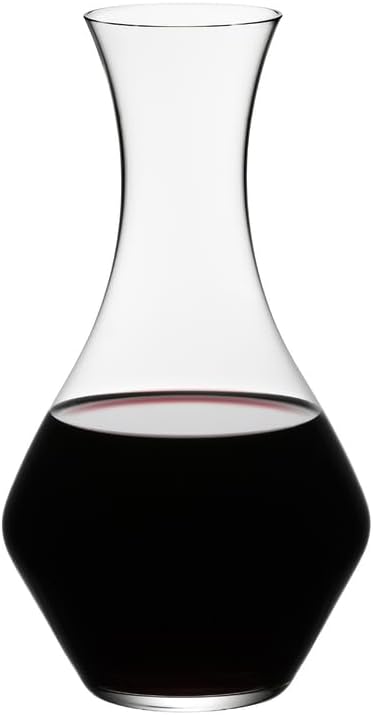
Riedel Cabernet Wine Decanter
Classic shape that opens up reds in 20 minutes
$65View on Amazon →
Riedel Vinum Pinot Noir Glasses, Set of 2
The Burgundy-style glass for delicate reds
$85View on Amazon →
Vinturi Essential Red Wine Aerator
Instant decanting in a single pour
$33View on Amazon →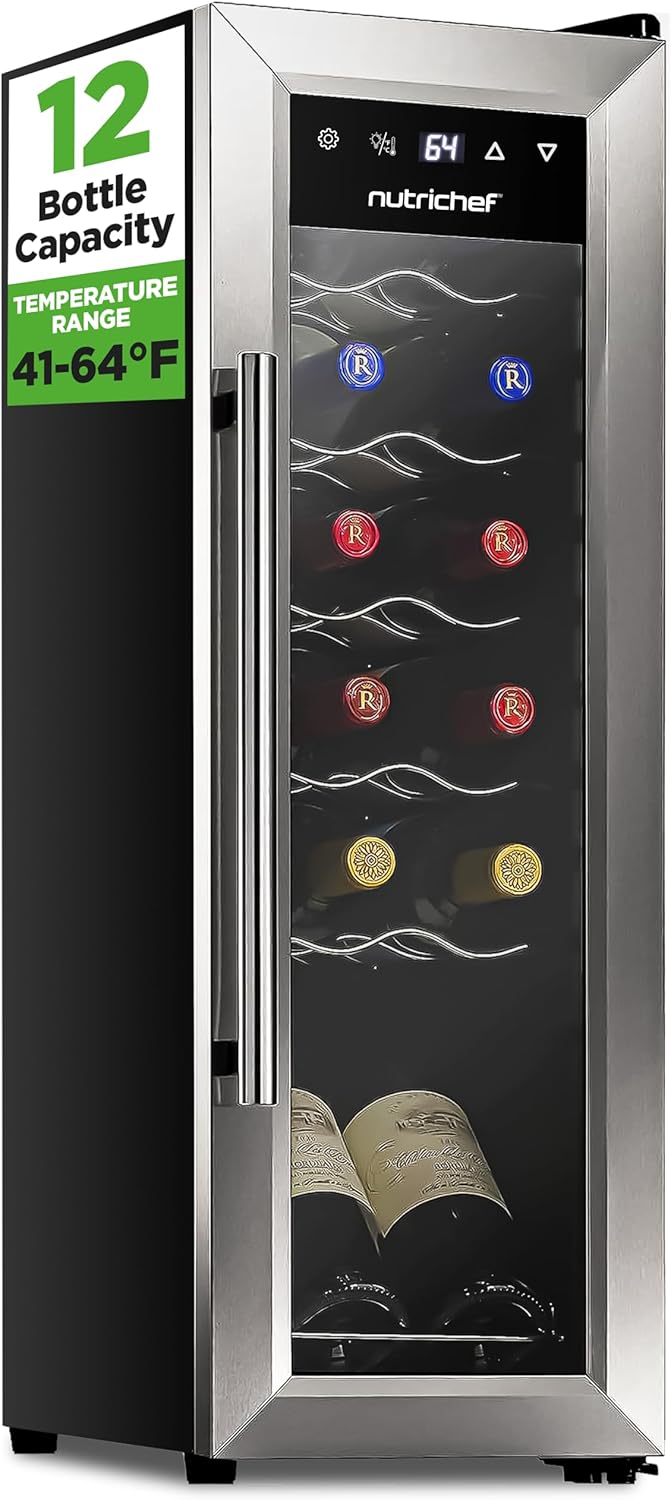
Nutrichef 12-Bottle Wine Fridge
Compact dual-zone storage at cellar temperature
$275View on Amazon →
Wine Folly: The Master Guide
The visual reference for every wine lover
$19View on Amazon →
The World Atlas of Wine, 8th Edition
Hugh Johnson and Jancis Robinson\'s definitive atlas
$38View on Amazon →Frequently Asked Questions
What is the sweetest wine for beginners?
Moscato d’Asti is the sweetest mainstream wine that is also widely available and very affordable. Ice wine is sweeter but more expensive and served in smaller quantities. For most beginners, Moscato d’Asti or Pink Moscato represents the ideal starting point in terms of sweetness, flavor, and approachability.
Is sweet wine good for beginners?
Sweet wine is one of the best starting points for beginners precisely because it is easy to enjoy without needing a developed palate. The residual sugar softens tannins and acidity, making the wine taste approachable from the first sip. Many experienced wine drinkers still enjoy sweet wines regularly alongside drier styles.
What is a good sweet wine that does not taste like grape juice?
Moscato d’Asti, Riesling Spätlese, and Chenin Blanc Moelleux all have high acidity that prevents them from tasting flat or juice-like. The acidity gives structure and makes the sweetness feel elegant rather than cloying. Port wine and Brachetto d’Acqui also have enough complexity to feel like proper wine rather than fruit juice, even with significant sweetness levels.
Which sweet red wine is best for beginners?
Brachetto d’Acqui is the best sweet red wine for beginners because it combines sweetness, low tannin content, low alcohol, and beautiful red fruit flavors without the heaviness that can make red wine feel challenging. Sweet Lambrusco is the next best option, particularly for those who want something more food-friendly and Italian in character.
To deepen your wine knowledge, explore our comprehensive guide to Types of Red Wine Grapes.
For a scenic wine country escape in California, discover the hidden gems of Los Olivos Wineries.
As you explore sweeter styles, you may also want to understand how they fit within the broader category of wine styles. Our guide to types of table wine explains the full spectrum from dry reds to sweet dessert wines.
Sweet wines also pair beautifully with a well-crafted charcuterie board with the right pickles. To understand your wine choices better, our guide to sugar in white vs red wine explains how sweetness varies across wine types.
For non-invasive alternatives to chemical peels, our nanofacial vs microneedling comparison explains the gentlest options for skin resurfacing without needles. Ready to learn more? visit the Wine & Culinary pillar for our complete wine resource.
Continue Exploring Luxury
Everything you need to elevate your everyday life — in one place.
📖 Get the Free Luxe Living Starter Guide