Wine and Cheese Pairing: A Guide for Beginners
This post contains affiliate links. If you click through and make a purchase, I may earn a small commission at no extra cost to you. As an Amazon Associate I earn from qualifying purchases.
The simplest rule for wine and cheese pairing is to match intensity: delicate cheeses with lighter wines, and aged, strongly flavored cheeses with fuller wines. Wine Folly puts it in numbers: wines over 14.5% ABV suit more intense cheeses, and wines under 12% ABV suit delicate ones. From there, three classic pairings cover most cheese boards: bold reds such as Cabernet Sauvignon with aged cheddar, sparkling wine with soft, creamy cheeses such as Brie, and sweet wines such as Port with blue cheese.
This guide explains why those matches work, gives a pairing chart you can shop from, and covers how to serve both the wine and the cheese at the right temperature.
Six rules for pairing wine and cheese
These rules come from Wine Folly’s six tips on pairing wine and cheese. They are not fast rules, but they explain most classic pairings and help you avoid a wrong pairing at your next cheese party. If the cheese course is part of a full evening, the guide on how to host a dinner party covers the menu, the wine and a timeline for the day.
- Match intensity. The delicate flavor of Gruyère gets lost next to a big Cabernet Sauvignon but sits well with Pinot Noir, according to Wine Folly.
- Bold reds go with aged cheeses. As cheese ages it loses water and its flavor concentrates, and the fat softens the tannin in red wine. Wine Folly suggests cheeses aged at least a year, such as cheddar, Gruyère, Manchego, Gouda and Parmigiano Reggiano or Grana Padano.
- Sweeter wines go with funky cheeses. Moscato, Gewürztraminer, late harvest dessert wines and Port balance stinky, washed rind and blue cheeses.
- Sparkling wine goes with soft, creamy cheeses. High acidity and bubbles clean the palate after Brie, Camembert or Époisses.
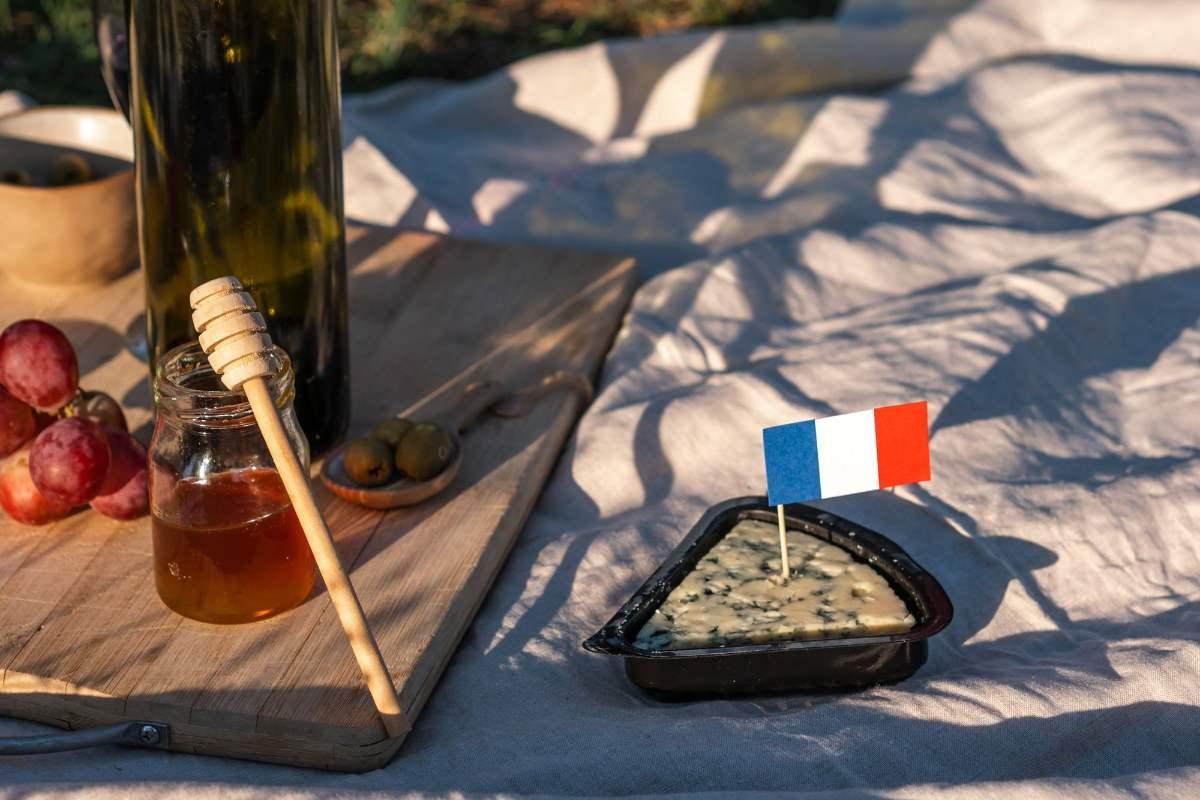
- Wine and cheese from the same place pair well. Classic examples are Sauvignon Blanc with goat cheese from the Loire Valley and Garnacha with Manchego from Spain.
- When in doubt, choose a firm, nutty cheese. Swiss, Gruyère, Comté, Emmental and Gouda work with most red and white wines.
Wine and cheese pairing chart
Every pairing in this chart is listed in Wine Folly’s 12 classic wine and cheese pairings or its six pairing tips, read on 17 November 2026.
| Wine | Cheese | Why it works |
|---|---|---|
| Pinot Noir | Gruyère | Red berry fruit meets a nutty, medium firm cheese |
| Cabernet Sauvignon | Aged cheddar | Cheese fat softens the wine’s drying tannin |
| Champagne | Brie | Acidity and bubbles cut through a triple cream texture |
| Sauvignon Blanc | Goat cheese | Citrus and acidity lift a tangy, fresh cheese |
| Off-dry Riesling | Raclette | Stone fruit and acidity with a mellow, buttery cheese |
| Provence rosé | Havarti | A delicate wine with a mild, soft cheese |
| Tempranillo | Idiazabal | Two savory, smoky Spanish flavors |
| Chianti Classico | Pecorino Toscano | Firm tannin with a hard, aged sheep cheese |
| Malbec | Aged Gouda | Caramel notes in the cheese meet ripe fruit |
| Moscato d’Asti | Gorgonzola | Light sweetness refreshes after a pungent cheese |
| Aged Port | Stilton | A sweet, full wine with a salty blue cheese |
| Sauternes | Roquefort | Sweetness balances salt and funk |
Red wine and cheese
Full-bodied red wines need cheeses with enough fat and flavor to stand up to their tannin. Wine Folly pairs Cabernet Sauvignon with aged cheddar, because the cheese’s fattiness balances the mouth drying tannin and neither flavor drowns the other. The same source suggests Malbec with aged Gouda, Chianti Classico with Pecorino Toscano, and Tempranillo with Idiazabal, or Rioja with Manchego.
Lighter, fruity reds suit milder cheeses. Wine Folly matches Pinot Noir with Gruyère, Beaujolais with Jarlsberg, and Gamay with Comté cheese. For a deeper look at the grape, read the Cabernet Sauvignon guide, and for a side by side of two popular reds, see Malbec vs Cabernet Sauvignon.
White wine and cheese
Crisp white wine with high acidity cuts through fresh, creamy and salty cheeses. Wine Folly calls Sauvignon Blanc with goat cheese a classic pairing, with Chenin Blanc and chèvre as a close alternative. Both are traditional in the Loire Valley, which is the “grows together, goes together” rule at work.
Aromatic whites fit softer, mellow cheeses. Wine Folly suggests a Kabinett or off-dry Riesling with Raclette, Gewürztraminer with Edam or Munster, and Chardonnay with Camembert. If you are choosing between two popular whites, the Riesling vs Chardonnay guide compares their sweetness and body.
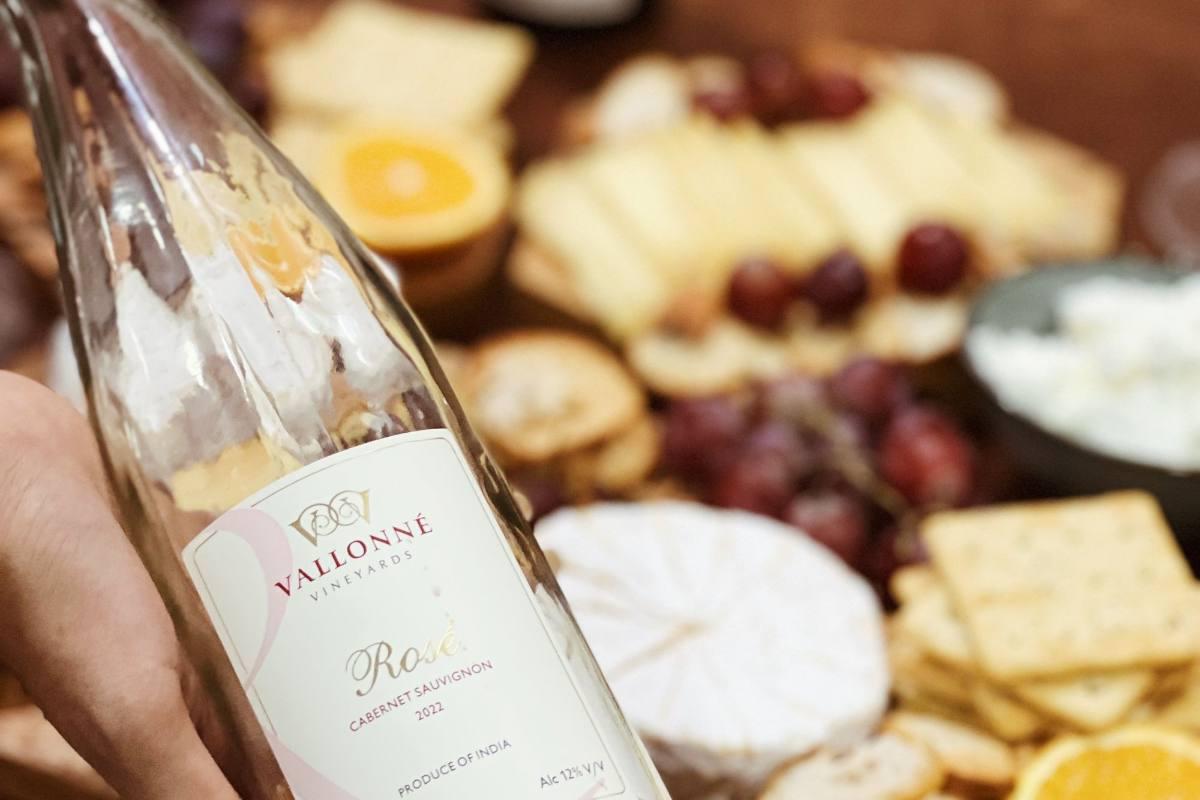
Sparkling wine is the easiest match for soft cheeses. Wine Folly pairs Champagne with Brie, Cava with Délice de Bourgogne and Crémant with Époisses, since bright acidity and bubbles cut through the richness. Prosecco with Asiago is another option from the same list.
Sweet wine and blue cheese
Pungent, salty and stinky cheeses call for sweeter wines. Wine Folly explains that sweetness balances the funk and makes the cheese taste creamier, and names Port with Stilton and Sauternes with Roquefort as two classic pairings. Its list of classic pairings adds Moscato d’Asti with Gorgonzola for a lighter option and Ice Wine with Beenleigh Blue.
A good rule from Wine Folly: the sweeter the wine, the stinkier the cheese can be. To choose a bottle, see the dessert wine guide or the Moscato d’Asti guide.
Serving temperatures for wine and cheese
Cold mutes flavor in both. ThermoWorks recommends serving every cheese at room temperature and quotes advice to set it out about 1 hour before serving, while U.S. Dairy suggests 20 to 30 minutes. Either way, count that time toward the food safety limit: U.S. Dairy says cheese should not sit out more than 2 hours, or 1 hour above 90°F.
For the wine, ThermoWorks gives these serving ranges:
| Wine style | Serving temperature |
|---|---|
| Sparkling wines | 43°F to 47°F (6°C to 8°C) |
| White wines | 45°F to 49°F (7°C to 9°C) |
| Rosé wines | 48°F to 52°F (9°C to 11°C) |
| Dessert wines | 48°F to 52°F (9°C to 11°C) |
| Fortified wines | 53°F to 57°F (12°C to 14°C) |
| Red wines | 56°F to 60°F (13°C to 16°C) |
Source: ThermoWorks, Thermal Tips for Wine and Cheese, read 17 November 2026.
Building a wine and cheese board
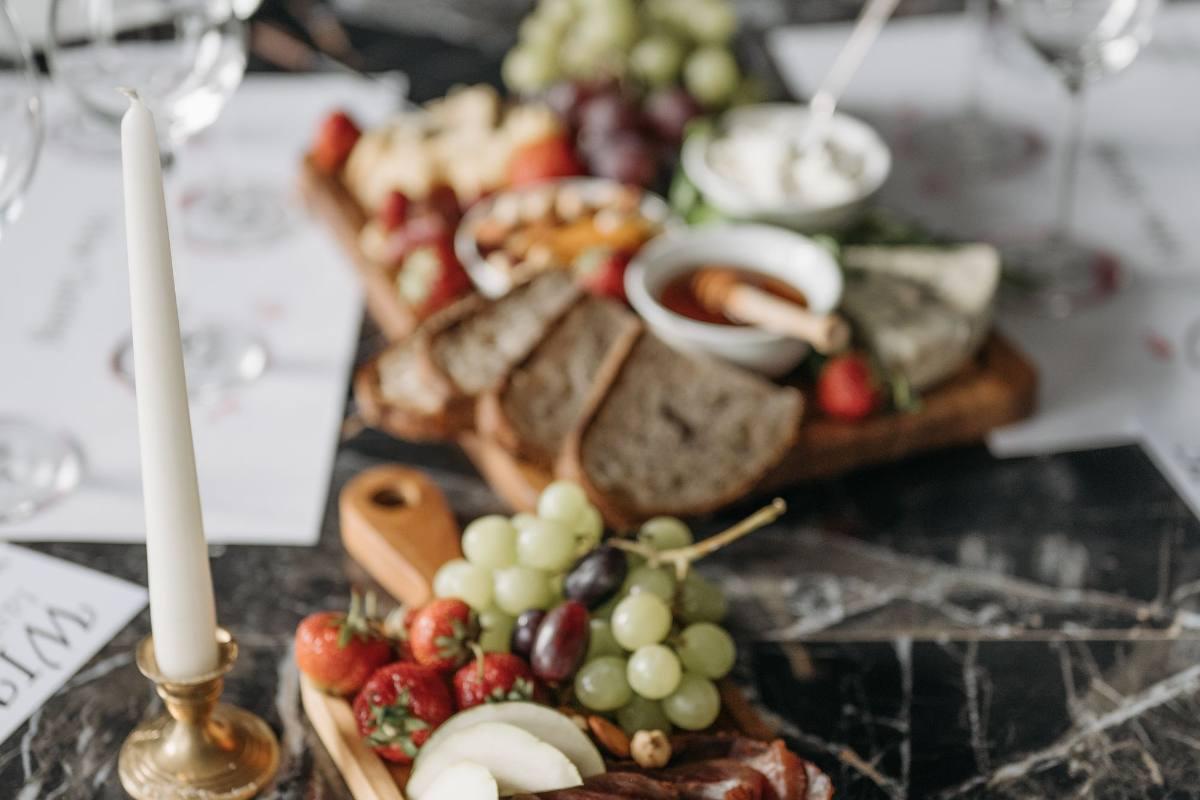
For a tasting with several wines, Wine Folly suggests including a firm, nutty cheese such as Swiss, Gruyère, Comté or Gouda, because it has enough fat for red wine and enough delicacy for white. Add one soft cheese for the sparkling wine and one blue cheese for a sweet wine, and the board covers every bottle on the table.
- Choose three to five different cheeses across textures: one soft, one firm or aged, one blue or washed rind, and one fresh goat cheese.
- Plan the wines from light to full, starting with sparkling or crisp white and ending with red or a sweet wine.
- Keep extra cheese in the fridge and refill the board, a tip from U.S. Dairy that keeps cheese inside the 2 hour window.
- Add simple sides such as crackers, bread, nuts, dried fruit and grapes.
For a fuller spread with cured meats, see how to make a charcuterie board, the best pickles for charcuterie, or the morning version in breakfast charcuterie board ideas. For pairings beyond cheese, the wine and food pairing guide covers meat, fish and pasta. To choose a serving board that lasts, read the heirloom charcuterie board guide.
Wine and cheese pairing FAQ
What is the best wine to pair with cheese?
If you serve only one wine with a mixed board, choose one that suits a firm, nutty cheese such as Gruyère or Comté, which Wine Folly says works with most red and white wines. Pinot Noir with Gruyère is one of its classic matches.
What wine goes with cheddar?
Wine Folly pairs aged cheddar with Cabernet Sauvignon, since the cheese’s fat balances the wine’s tannin. For a mild cheddar it suggests a New Zealand Sauvignon Blanc.
What wine goes with Brie?
Sparkling wine. Wine Folly pairs Champagne with Brie because its acidity and bubbles cut through the creamy texture. Chardonnay with Camembert is a still wine alternative.
What wine goes with blue cheese?
A sweet wine. Wine Folly names Port with Stilton and Sauternes with Roquefort as classic pairings, and Moscato d’Asti with Gorgonzola as a lighter choice.
How long should cheese sit out before serving?
U.S. Dairy suggests 20 to 30 minutes for the best flavor, and says cheese should not stay out more than 2 hours, or 1 hour above 90°F.
Sources, read on 17 November 2026: Wine Folly, 6 Tips on Pairing Wine and Cheese; Wine Folly, 12 Classic Wine and Cheese Pairings; ThermoWorks, Thermal Tips for Wine and Cheese; U.S. Dairy, How Long Can Cheese Sit Out.
Continue Exploring Luxury
Everything you need for wine, food and entertaining, in one place.
📖 Get the Free Luxe Living Starter Guide