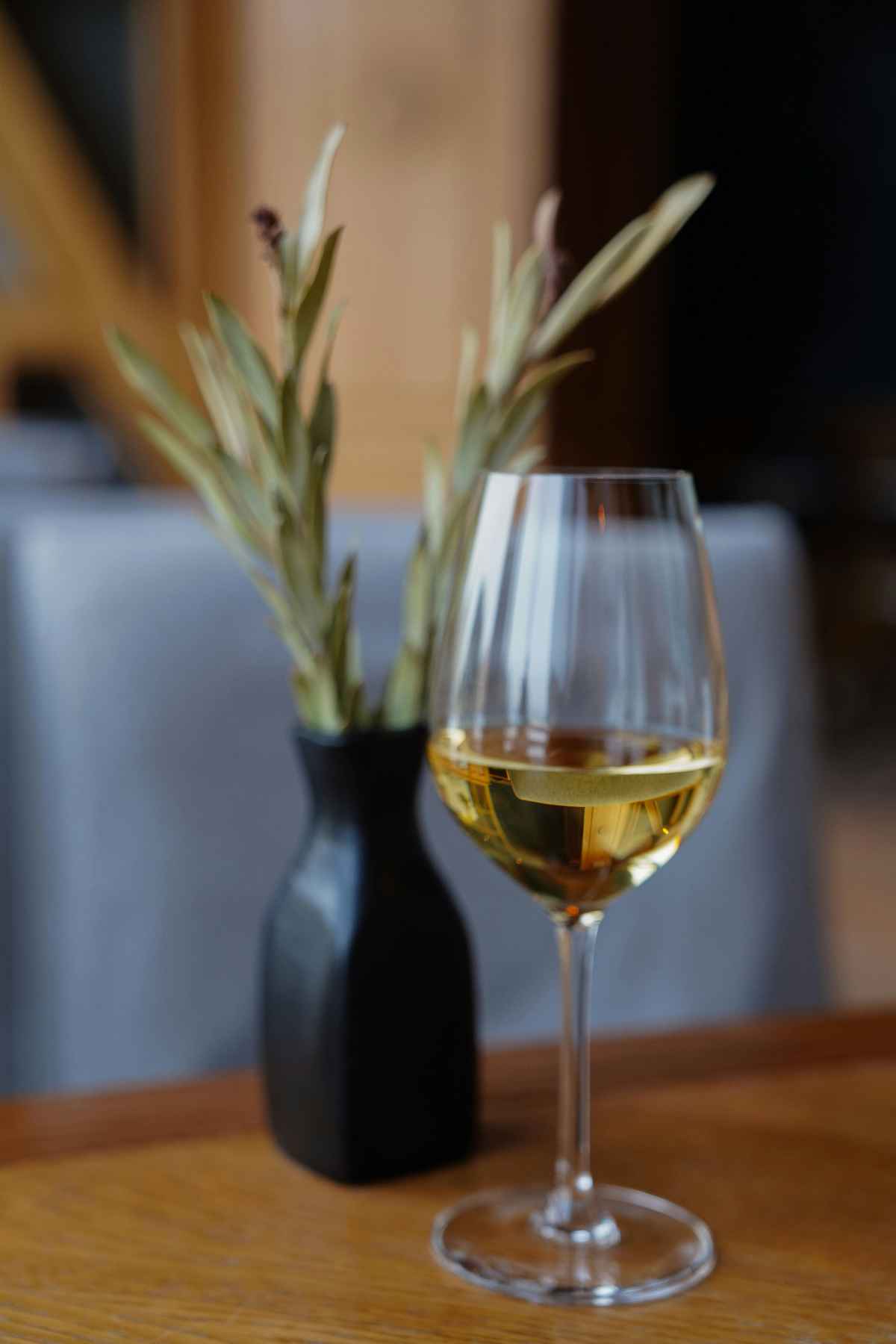
A Simple Guide to Wine and Food Pairing Rules (And When to Break Them)
This post contains affiliate links. If you click through and make a purchase, I may earn a small commission at no extra cost to you. I only recommend products and services I personally use and trust.
Wine food pairing is one of the most rewarding skills any wine lover can develop. There is a moment that many wine lovers know well: you are sitting down to a beautiful meal, bottle in hand, and suddenly you wonder whether you are about to make a terrible mistake. Red with fish? White with steak? Should the wine be older, drier, fruitier? The rules of wine and food pairing can feel like a secret language spoken only by sommeliers and critics, and the fear of getting it wrong keeps many people from exploring wine confidently.
New to wine? Start with our best wine for beginners guide, then come back here to learn how to pair what you already enjoy with food.
Here is the truth: the rules exist to serve you, not the other way around. As someone who has spent years traveling to wine regions across Europe, South America, and the Southern Hemisphere, and who holds a WSET certification, I have learned that the best pairing is the one that makes your meal feel complete. Wine pairing is not a test you can fail. It is a practice you can refine over time, and the more you understand the underlying principles, the more freedom you have to experiment, improvise, and trust your own palate. At its core, wine and food pairing is the practice of matching the flavor profile and weight of a dish with a wine that complements or contrasts it, elevating the taste of both.
This guide will walk you through the foundational rules, give you a classic cheat sheet, and then show you exactly when to throw those rules out the window. Whether you are planning a dinner party, choosing wine at a restaurant, or simply deciding what to pour with tonight’s meal, these principles will help you make confident, thoughtful choices. If you are exploring wine for the first time, check out our guide to the best wines for beginners before continuing here.
The Golden Rule of Wine Pairing: Match the Weight
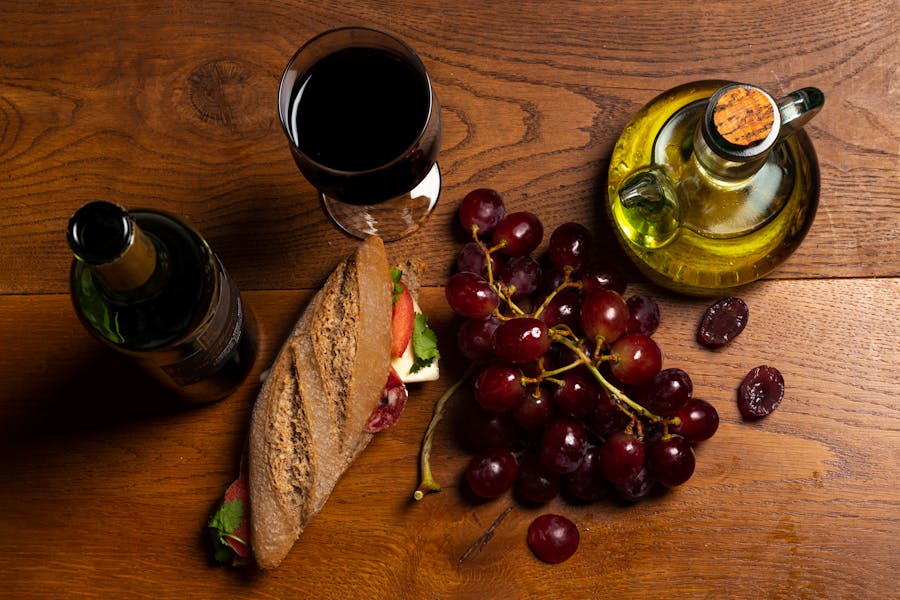
Before you memorize specific grape varieties or regional pairings, understand this one principle: match the body of your wine to the heaviness of your food. A delicate dish calls for a delicate wine, and a rich, hearty dish calls for a wine with the structure to stand up to it. This is the single concept that, once internalized, makes every other pairing decision more intuitive.
Think of it as a conversation between two equals. If one voice is far louder than the other, the quieter one disappears entirely. A flaky, light piece of Chilean sea bass would be completely overpowered by a tannic Cabernet Sauvignon. Conversely, pouring a thin, zippy Pinot Grigio alongside a slow-braised short rib means the wine vanishes the moment you take a bite of the beef. The goal is always balance: two components that neither overshadow nor diminish each other.
Light dishes such as salads, raw oysters, delicate white fish, and fresh cheeses pair with light wines: Pinot Grigio, Muscadet, young Champagne, or unoaked Chardonnay. Medium-weight dishes including roasted chicken, pork tenderloin, mushroom risotto, and salmon pair with medium-bodied wines: oaked Chardonnay, Pinot Noir, Grenache, or dry Rosé. Full-flavored, rich dishes such as braised lamb, aged cheeses, beef stew, and fatty duck confit call for full-bodied wines: Cabernet Sauvignon, Barolo, Syrah, or Amarone.
Once this rule is in place, everything else becomes considerably easier to understand and apply at the table.
5 Basic Wine and Food Pairing Rules to Memorize
Beyond weight matching, five core wine food pairing principles cover the vast majority of pairing decisions you will ever face. Learn these and you will feel confident at any table, whether you are at a casual weeknight dinner or a formal restaurant with a lengthy wine list.
1. Acid Needs Acid
High-acid foods require high-acid wines. When you pair a low-acid wine with a naturally acidic dish, such as a tomato-based pasta, a green salad with lemon dressing, or a fresh ceviche, the wine tastes flat and flabby by comparison. The food’s acidity overwhelms the wine, making it seem dull and without character.
The solution is to reach for wines that carry their own bright acidity. Italian whites like Verdicchio and Soave were essentially engineered over centuries to accompany tomato-rich cuisine. Sauvignon Blanc, with its citrus-forward tartness, cuts beautifully through vinaigrettes and seafood. Champagne and sparkling wines, naturally high in acid, are among the most versatile food wines precisely because they can handle so many acidic contexts without losing their character.
As a guiding principle: if citrus or vinegar is prominent in the dish, your wine needs to carry equivalent acidity to keep the pairing in balance. A wine that cannot match the food’s brightness will simply disappear.
2. Fat Needs Tannin
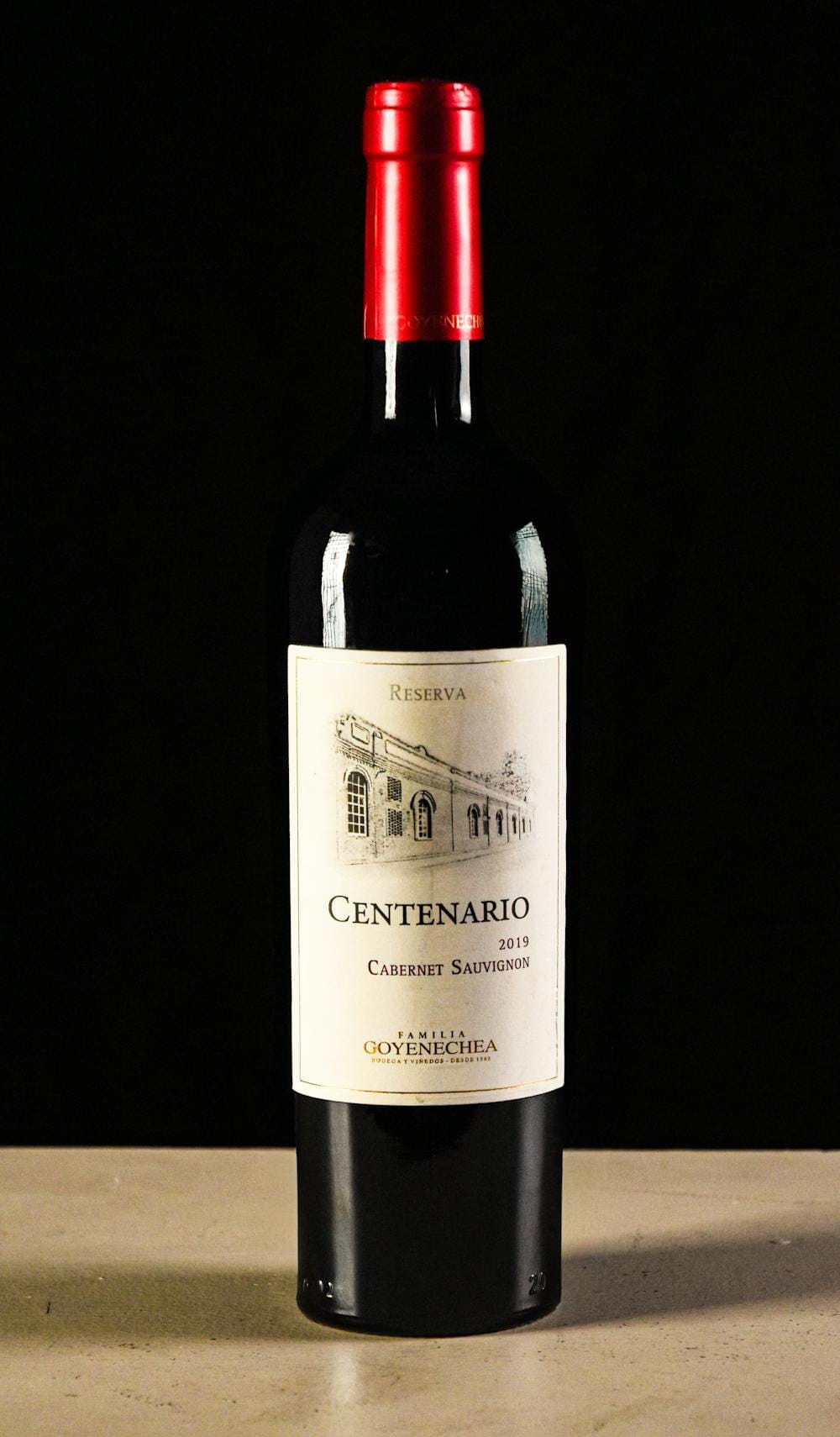
Tannins are the grippy, mouth-drying compounds found primarily in red wines, particularly in varieties like highly tannic Cabernet Sauvignon. On their own, high-tannin wines can feel harsh and astringent. Paired with fatty, protein-rich foods, however, they transform entirely into something elegant and balanced.
Fat physically coats your palate, and tannins cut right through it. This is why a Cabernet Sauvignon or Barolo alongside a well-marbled ribeye is one of the most satisfying combinations in all of wine culture. The fat in the beef softens the tannins, and the tannins cleanse your palate of the fat, setting up every subsequent bite as if it were the first. It is a cycle of mutual enhancement that keeps working throughout the entire meal.
Avoid pairing tannic reds with delicate fish or vegetable-forward dishes. Without fat and protein to absorb those tannins, they will taste harsh and medicinal against a light background. The tannins have nothing to grip, and the result is an uncomfortable metallic bitterness.
3. Spicy Needs Sweet and Low Alcohol
High-alcohol, dry wines amplify the heat in spicy food. The alcohol acts as an irritant alongside capsaicin, and what felt pleasantly warm can suddenly become genuinely uncomfortable. Tannic reds are especially problematic here, because tannins also intensify the perception of heat and can make a mildly spicy dish feel overwhelming.
The best wine companions for Thai curries, Sichuan dishes, Mexican cuisine, and spicy Indian food are wines with a touch of residual sugar and lower alcohol. An off-dry Riesling or Gewurztraminer is the classic solution. The sweetness in the wine provides a cooling contrast to the heat, and the floral, aromatic character of these grapes harmonizes beautifully with the complex spice profiles found in Asian and Latin cuisine.
If you prefer red wine with spice, choose something with very low tannin and moderate alcohol, such as a Beaujolais or a light-bodied Grenache served slightly chilled. The key is avoiding anything that will add perceived heat to an already warm dish.
4. Sweet Needs Sweeter
This rule catches people off guard more frequently than almost any other. When you pair a dry wine with a sweet dessert, the dessert makes the wine taste thin, sour, and unpleasant. The food out-sweetens the wine completely, stripping away any impression of fruit, and the result is a jarring mismatch that leaves both components worse off.
The wine must be at least as sweet as the dish, and ideally a touch sweeter. Sauternes with creme brulee, Port with dark chocolate, Moscato with fresh fruit tarts, and late-harvest Riesling with peach cobbler all work because the wine’s sweetness either matches or slightly exceeds that of the food. Understanding sugar in white wine vs red wine will help you identify which bottles carry enough residual sweetness to work alongside your dessert course without being lost.
The one widely accepted exception to this rule: Brut Champagne is routinely served with wedding cake. If you enjoy that tradition, by all means continue. But a demi-sec Champagne would provide a more harmonious pairing if you want the wine to actually shine alongside the cake.
5. What Grows Together, Goes Together
This is one of the oldest and most reliable heuristics in wine culture, and it holds up remarkably well across centuries and continents. Wines and foods that evolved in the same region were essentially co-developed by the same culture, climate, agricultural traditions, and dining table. They belong together because they were built together.
Think of Chianti Classico with Florentine bistecca. Muscadet with Brittany oysters. Rioja Tempranillo with Iberian ham and manchego. Gruner Veltliner with Viennese schnitzel. Provencal Rose with ratatouille. Vermentino with Sardinian seafood pasta. Each of these combinations feels effortless, and that is because it is: generations of cooks, farmers, and winemakers have already done the pairing work for you over hundreds of years.
When in doubt about a regional dish, reach for the wine from the same region. You will rarely go wrong, and you will often be rewarded with a pairing that feels deeply natural and culturally coherent.
Classic Wine Pairings That Always Work (Cheat Sheet)
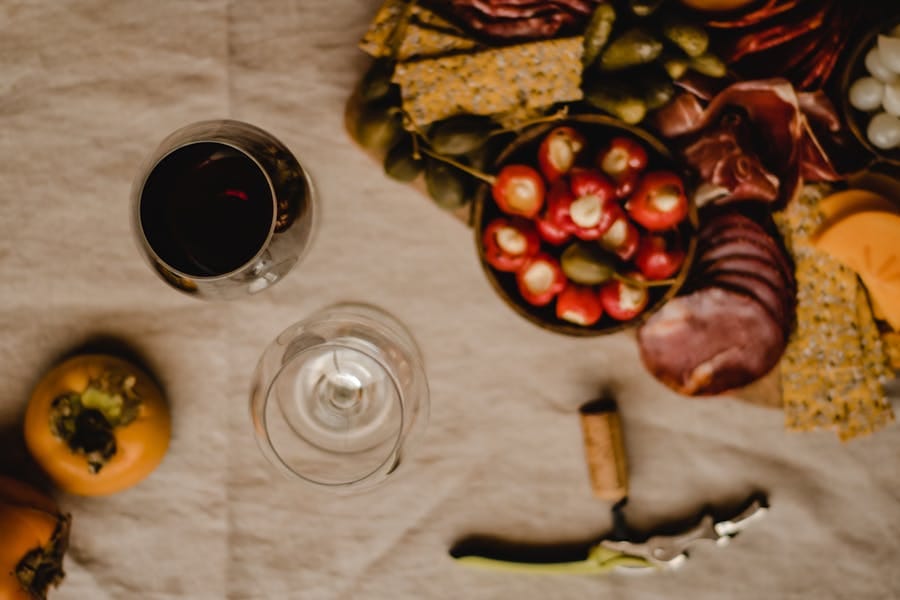
Sometimes you just need a reliable wine food pairing answer fast. These classic combinations work because they have been tested by millions of meals across centuries of wine culture, and they deliver consistent results regardless of the specific bottle or the specific kitchen.
To build the perfect spread for any of these classic pairings, a quality charcuterie serving board makes the presentation as impressive as the pairing itself.
Champagne and Salty or Fried Foods
The high acidity and effervescence of Champagne make it a near-perfect foil for anything salty or fried. Fish and chips, potato chips, tempura, fried chicken, and oysters with a spritz of lemon: Champagne handles them all with grace. The bubbles refresh your palate between bites, and the wine’s acidity cuts through any residual oil or fat, leaving you ready for the next bite.
Sauvignon Blanc and Goat Cheese
This is a regional pairing from the Loire Valley that became a global classic for good reason. The bright, grassy, citrus-forward character of Sauvignon Blanc is the ideal counterpart to the tangy, mineral sharpness of fresh goat cheese. The two share an earthy, herbaceous quality that ties them together harmoniously, creating a pairing where each element makes the other taste more vibrant.
Oaked Chardonnay and Lobster or Cream Sauces
A well-oaked Chardonnay, with its buttery texture, vanilla notes, and full body, was practically designed for rich, creamy preparations. Lobster bisque, pasta in Alfredo sauce, beurre blanc, and chicken in cream all find their ideal companion here. The wine’s own creaminess echoes the richness of the dish without being overwhelmed by it, and the oak-derived structure provides just enough tension to keep things interesting.
Pinot Noir and Earthy Flavors
Pinot Noir’s characteristic profile of red cherry, forest floor, and silky tannins makes it the ideal companion for earthy, umami-forward dishes. Roasted mushrooms, duck breast, salmon, lentil-based dishes, and charcuterie all find a natural pairing with Pinot Noir. It is also one of the most versatile reds at the table precisely because its tannins are soft enough to pair with a wide range of foods without overpowering them.
Malbec and Barbecue or Grilled Meats
Argentine Malbec became one of the world’s most popular red wines largely on the strength of this single pairing. The grape’s plummy fruit, moderate tannins, and smoky, sometimes chocolaty finish harmonize with the char, fat, and salt of grilled red meats. Asado-style barbecue and Malbec is the regional expression of this principle, but it works equally well with Kansas City ribs, smoked brisket, or a backyard burger.
When to Break the Rules (The Luxury Infusion Approach)
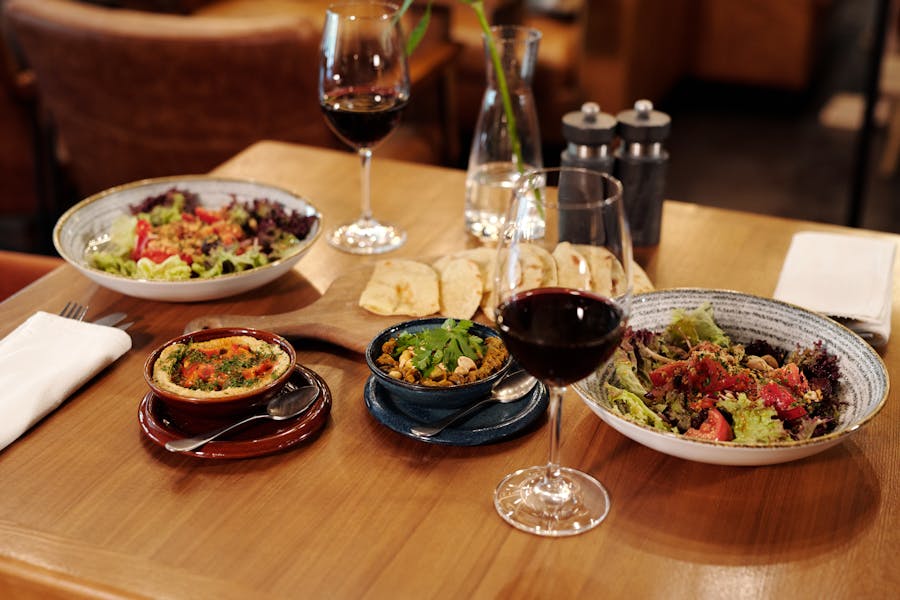
Here is where things get interesting. Every rule above has produced genuinely transcendent pairings, but every single one of them has also been broken to equally brilliant effect. The Luxury Infusion approach to wine is grounded in intentionality over rigid adherence. Rules are tools, not commandments.
White Burgundy with fish is the textbook pairing, yet some of the most celebrated wine experiences involve aged white Burgundy alongside roasted chicken or veal. A lighter Beaujolais served slightly chilled alongside a buttery grilled salmon breaks the tannin rule but works beautifully because the light body and fruit-forward profile complement rather than clash with the fish. Sauternes with foie gras pairs sweet with rich rather than sweet with sweet, creating an unexpected but luscious harmony that has been celebrated at the finest French tables for generations.
The key to breaking the rules well is understanding why they exist in the first place. When you know that tannin cuts fat, you can consciously choose a low-tannin red with fatty fish because you want the wine’s fruit, not its structure, to be the focus. When you know that acid complements acid, you can intentionally pair a low-acid wine with a tomato dish if you want the wine to soften and round out the overall experience rather than sharpen it further. Every deliberate rule-break should come from knowledge, not ignorance.
Beyond intentionality, true luxury in wine culture means drinking what you love. If you have a glass of Merlot in your hand and you are about to sit down to grilled swordfish, and you genuinely prefer that Merlot, pour it. The wine pairing police are not coming. The single best pairing is always the one that brings you the most pleasure at that specific table, with those specific people, on that specific evening. No textbook rule can measure that.
Rules give you a reliable framework. Knowledge gives you the freedom to depart from it confidently. That combination is where the real elegance in wine pairing lives.
For those who want to go even deeper, What to Drink with What You Eat is one of the most thorough wine and food pairing resources available, and well worth keeping on the shelf.
Shop the Post
Affiliate links. We may earn commission.
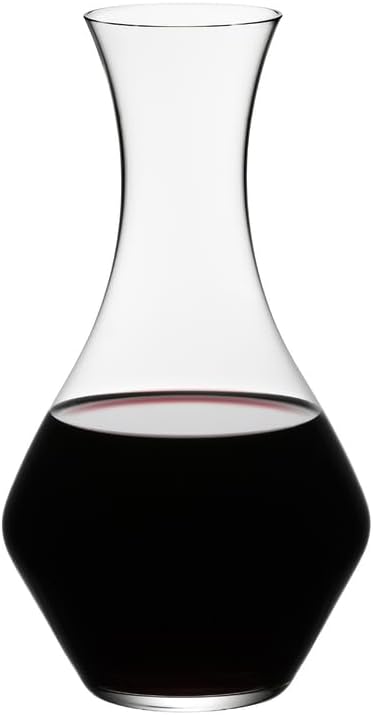
Riedel Cabernet Wine Decanter
Classic shape that opens up reds in 20 minutes
$65View on Amazon →
Riedel Vinum Pinot Noir Glasses, Set of 2
The Burgundy-style glass for delicate reds
$85View on Amazon →
Vinturi Essential Red Wine Aerator
Instant decanting in a single pour
$33View on Amazon →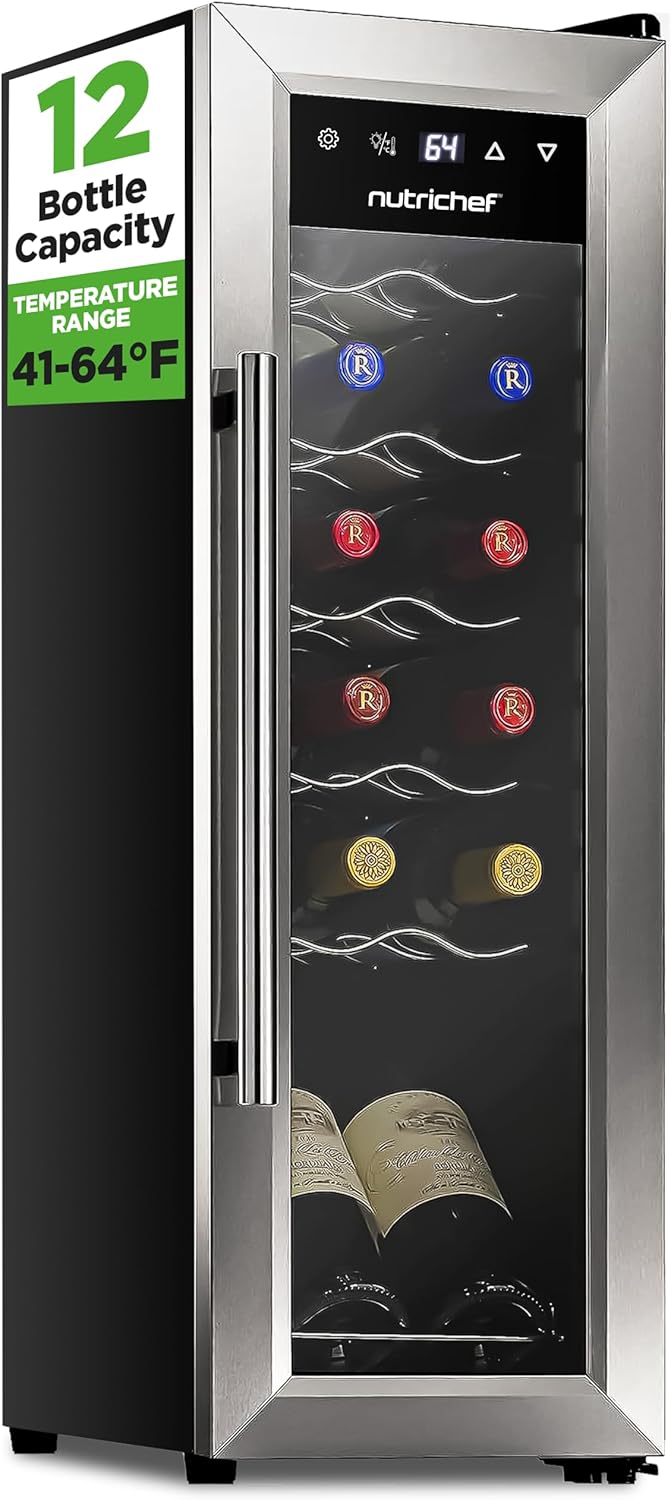
Nutrichef 12-Bottle Wine Fridge
Compact dual-zone storage at cellar temperature
$275View on Amazon →
Wine Folly: The Master Guide
The visual reference for every wine lover
$19View on Amazon →
The World Atlas of Wine, 8th Edition
Hugh Johnson and Jancis Robinson\'s definitive atlas
$38View on Amazon →Frequently Asked Questions
What is the hardest food to pair with wine?
The hardest foods to pair with wine are artichokes, asparagus, and heavy vinaigrettes. These foods contain specific chemical compounds (like cynarin in artichokes) that alter your palate, often making wine taste metallic, overly sweet, or flat. The best pairing solution for these difficult foods is a bone-dry, high-acid white wine, such as a crisp Sauvignon Blanc or an unoaked Chardonnay.
Can you drink red wine with chicken?
Yes, you can absolutely drink red wine with chicken. The secret is to match the weight of the wine to the preparation of the dish. For roasted chicken or chicken served in earthy, mushroom-based sauces, a light-to-medium-bodied red wine like Pinot Noir or Beaujolais is an excellent pairing that won’t overpower the poultry.
Does white wine only go with fish?
No, white wine pairs beautifully with a wide variety of foods beyond fish. While crisp white wines perfectly complement delicate seafood, a full-bodied, oaked Chardonnay is robust enough to pair with roasted pork, creamy pastas, and rich poultry dishes. The pairing rule is based on matching the weight and richness of the food, rather than strictly sticking to seafood.
Ready to build your wine knowledge from the ground up? Download The Luxe Living Starter Guide for more curated wine basics, skincare investments, and elegant living habits.
Continue Exploring Luxury
Everything you need to elevate your everyday life — in one place.
📖 Get the Free Luxe Living Starter Guide