Moscato d’Asti: Complete Guide to Italy’s Sweet Sparkling Wine
This post contains affiliate links. If you click through and make a purchase, I may earn a small commission at no extra cost to you. As an Amazon Associate I earn from qualifying purchases.
If you are new to wine and want to start with something approachable, sweet, and undeniably delicious, moscato d’asti is the answer. This lightly sparkling Italian wine from Piedmont has become one of the most beloved entry-level wines in the world, and for good reason. It is low in alcohol, bursting with fruit and floral aromas, and pairs beautifully with desserts and spicy foods alike. Whether you spotted it on a restaurant menu or saw it recommended in a best wine for beginners guide, you have come to the right place.
In this complete guide, you will learn everything about moscato d’asti: its origin, taste profile, how it compares to regular Asti Spumante, the best food pairings, how to serve and store it, and which bottles to look for at the wine shop. By the time you finish reading, you will feel confident ordering or buying moscato d’asti for any occasion.
Moscato d’Asti is a sweet, lightly sparkling Italian wine from Piedmont, perfect for beginners and dessert pairings. ABV 5–6%, residual sugar 100–120 g/L, DOCG protected. It is made entirely from Moscato Bianco grapes and is best served very cold at 40–45°F. Consume within one to two years of the vintage date for peak flavor.
What Is Moscato d’Asti?
Moscato d’asti is a DOCG-designated wine produced in the Piedmont region of northwestern Italy, specifically around the town of Asti and the Langhe hills. DOCG, Denominazione di Origine Controllata e Garantita, is Italy’s highest wine classification, meaning moscato d’asti is held to strict production standards that guarantee quality and authenticity.
The wine is made exclusively from Moscato Bianco grapes, one of the oldest and most aromatic grape varieties in the world. Moscato Bianco (also known as Muscat Blanc à Petits Grains) is prized for its intense floral perfume and naturally high sugar content, which translates directly into moscato d’asti’s signature sweetness and lychee-like aromatics.
Unlike fully sparkling wines made via secondary fermentation in the bottle or tank, moscato d’asti is produced using the Asti Method (also called the Charmat Method variant), where fermentation is stopped early by chilling and filtering the wine. This traps a small amount of CO2, giving the wine its gentle frizzante (lightly sparkling) texture rather than fully effervescent bubbles. The result is a wine with approximately 5–6% ABV, far lower than the typical 12–14% of most table wines.
Moscato d’Asti Taste Profile
Moscato d’asti has one of the most immediately recognizable taste profiles in the wine world. Here is what you can expect in your glass:
Primary fruit aromas and flavors center on white peach, apricot, nectarine, and ripe pear. Many tasters also detect orange blossom, honeysuckle, and jasmine florals layered on top of the fruit. Lychee and mandarin orange notes appear frequently in higher-quality examples.
Sweetness level is pronounced. Moscato d’asti typically contains 100–120 grams of residual sugar per liter, placing it firmly in the dessert wine category. However, the wine’s lively acidity and light body prevent it from feeling cloying or heavy.
Acidity is medium-high, which is what keeps moscato d’asti refreshing despite all that sugar. The acidity acts as a counterbalance, lifting the fruit and keeping each sip bright.
ABV sits at 5–6%, making moscato d’asti one of the lowest-alcohol wines in the world. This is a key reason it works so well as a dessert wine, it does not feel heavy after a full meal.
Bubbles are gentle and persistent. The frizzante texture adds a lively mouthfeel without the full effervescence of Champagne or Prosecco.

Moscato d’Asti vs Asti Spumante
Moscato d’asti is often confused with Asti Spumante, another Piedmontese wine made from the same Moscato Bianco grape. While they share a grape variety and a general region, they are meaningfully different wines:
Carbonation level is the most obvious difference. Moscato d’asti is frizzante, meaning lightly sparkling with a gentle mousse and lower pressure (typically under 2.5 atmospheres). Asti Spumante is spumante, fully sparkling, with pressure closer to 3–4 atmospheres, comparable to Prosecco.
Sweetness is similar in both wines, though many tasters find moscato d’asti slightly richer and more concentrated in flavor. This is partly because moscato d’asti vineyards are held to stricter yield limits, resulting in more intense fruit per vine.
Quality tier: Both hold DOCG status, but moscato d’asti is generally considered the more prestigious and nuanced of the two. Single-vineyard (vigneto) moscato d’asti bottlings from top producers can command collector attention. Understanding the sugar in sweet wines like Moscato helps clarify why sweetness varies between styles.
Serving occasion: Asti Spumante works well as a festive aperitivo. Moscato d’asti shines as a dessert companion or a standalone sipping wine for warm afternoons.
Best Food Pairings for Moscato d’Asti
One of the great joys of moscato d’asti is its versatility at the table. The wine’s sweetness and acidity create unexpected pairings that might surprise you. For a broader framework, check out these wine and food pairing rules that apply across all wine styles.
Desserts are the classic pairing. Fruit tarts, fresh berry pavlova, panna cotta, peach cobbler, almond biscotti, and lemon curd tarts all sing alongside moscato d’asti. The key principle here is matching sweetness levels, a wine sweeter than the dessert will make the food taste tart, while a wine at or slightly less sweet than the dessert creates harmony.
Spicy foods are a revelatory pairing that many beginners overlook. Thai green curry, Indian korma, Korean fried chicken, and Sichuan mapo tofu all pair brilliantly with moscato d’asti. The wine’s sweetness douses the heat while its acidity refreshes the palate between bites.
Brunch foods love moscato d’asti. French toast, waffles with maple syrup, crepes with whipped cream, and overnight oats with honey are all natural companions. The wine’s low ABV makes it ideal for daytime drinking without feeling indulgent.
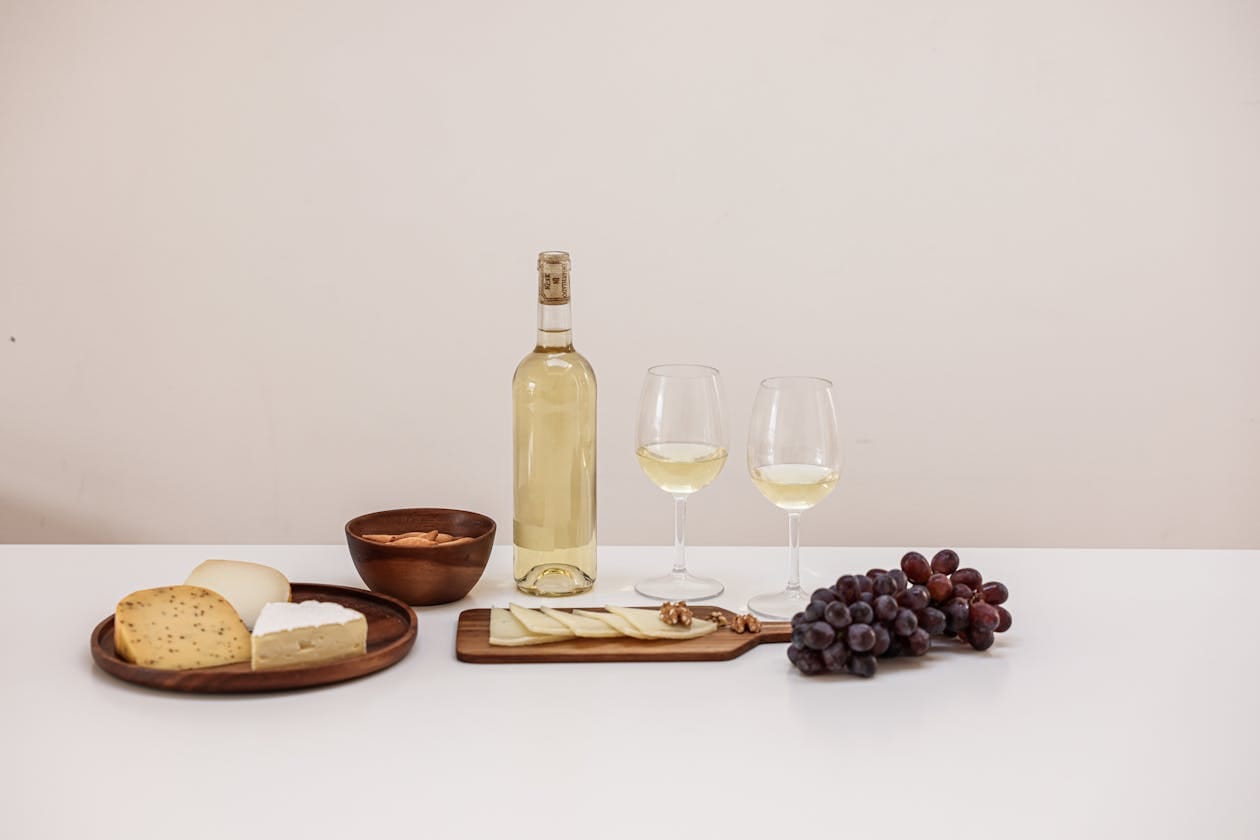
Fresh cheeses including ricotta, burrata, and mild brie pair well. The creaminess of the cheese plays off the wine’s acidity and light effervescence.
What to avoid: Heavy red meat dishes, full-bodied pasta sauces, and strongly flavored hard cheeses will overwhelm moscato d’asti. The wine is delicate, pair it with equally delicate or sweet foods.
How to Serve and Store Moscato d’Asti
Getting the serving details right makes a real difference with moscato d’asti. Here is the complete breakdown:
Serving temperature: Serve moscato d’asti very cold, between 40–45°F (4–7°C). This is colder than most white wines. The cold temperature suppresses the sweetness slightly and highlights the wine’s refreshing acidity and delicate bubbles. If your wine has been in the refrigerator, it is ready to serve. If it has been at room temperature, chill it for at least 2 hours before opening.
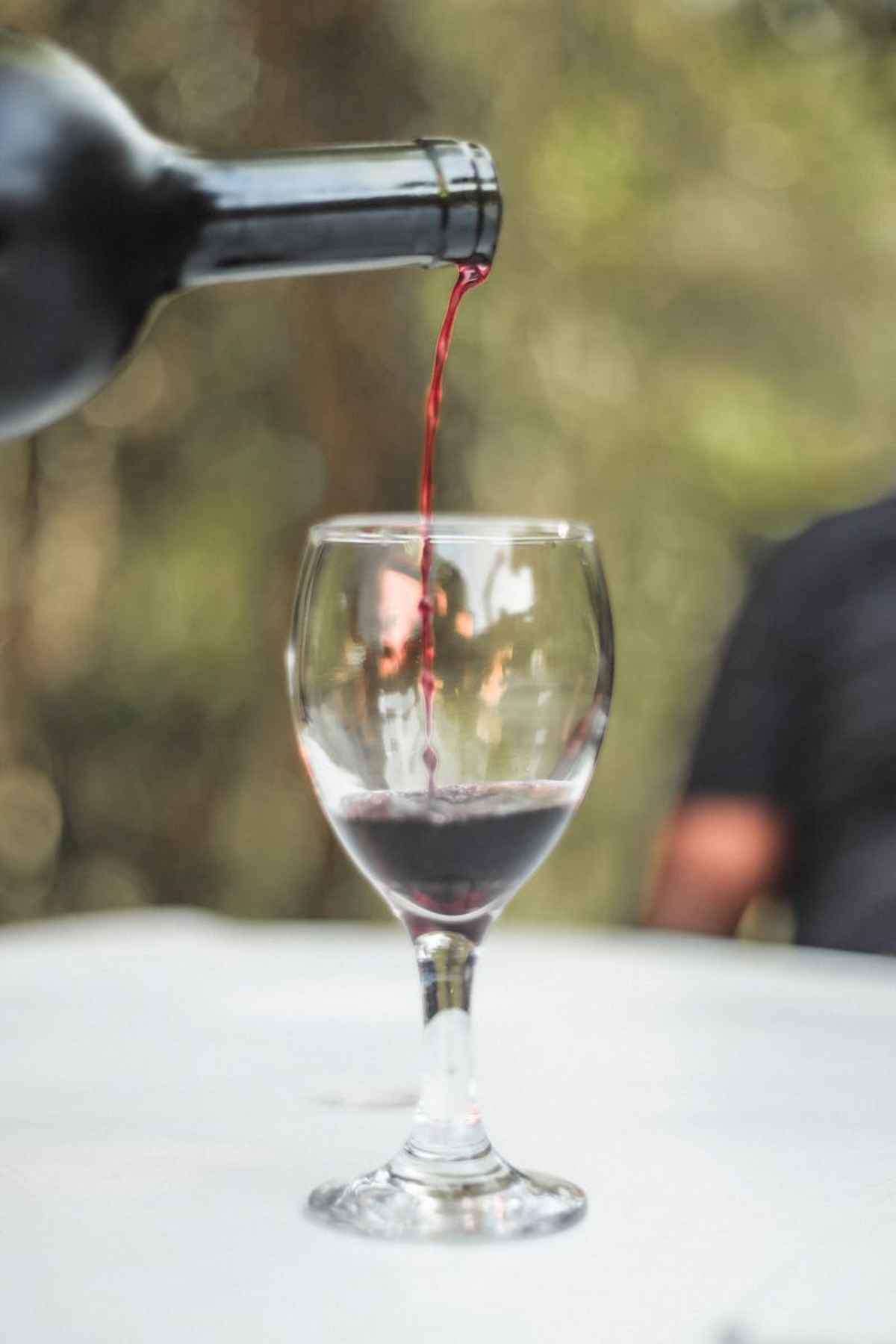
Glassware: A Champagne flute or tulip glass works well. The narrow opening concentrates the aromas. Some tasters prefer a wider white wine glass to allow the florals to open up. Either choice is valid, use what you have.
Decanting: Do not decant moscato d’asti. The wine is meant to be poured directly from the chilled bottle. Decanting would warm the wine and dissipate the delicate bubbles.
Storage: Moscato d’asti is not an aging wine. Consume it within one to two years of the vintage date printed on the label. Unlike Barolo or Burgundy, which improve with age, moscato d’asti’s charm lies in its fresh, vibrant fruit character, and that freshness fades over time. An opened bottle should be recorked and refrigerated, and consumed within 24–48 hours.
To keep any leftover Moscato d’Asti fresh overnight, seal the bottle immediately with a champagne stopper and refrigerate. This preserves the bubbles far better than re-inserting the cork.
Best Producers and Bottles to Try
Moscato d’asti is widely available at grocery stores, wine shops, and online retailers. Here are the producers and bottles most consistently recommended by sommeliers and wine educators:
Paolo Saracco Moscato d’Asti (~$15–18) is perhaps the most recognized name in the category. Saracco’s version is textbook moscato d’asti: fragrant, lightly sweet, and beautifully balanced. It is available almost everywhere and represents exceptional value.
Vietti Cascinetta Moscato d’Asti (~$18–22) offers a slightly more complex expression with concentrated peach and floral notes. Vietti is one of Piedmont’s most respected producers, and their moscato d’asti reflects that pedigree.
Ceretto Santo Stefano (~$20–25) is a single-vineyard bottling from one of the most storied sites in the Asti appellation. This is moscato d’asti at its most expressive and layered, a step up for those ready to explore further.
La Spinetta Bricco Quaglia (~$22–28) is a rich, honeyed expression with notable complexity. La Spinetta has long been a flagship producer of Barbera and Barolo, and their moscato d’asti maintains that same level of seriousness.
Price range across the category runs from $12 to $25 for most widely available bottles, with single-vineyard expressions reaching $30+. For more aromatic white wine options in a similar flavor neighborhood, explore these aromatic white wine alternatives.
When shopping, look for the vintage year on the label and choose the most recent available. Because moscato d’asti does not age, freshness matters more than pedigree. Most well-stocked wine shops carry at least two or three producers. Online wine retailers like Wine.com or Total Wine ship widely and often have the full range including single-vineyard expressions. If you are at a restaurant and see moscato d’asti on the dessert wine list, ordering it by the glass is an easy and affordable way to explore the category before committing to a bottle.
Shop the Post
Affiliate links. We may earn commission.
Crystal Red Wine Glasses, Set of 4
Four 15 oz hand blown crystal glasses.
View on Amazon →
Le Chateau Crystal Wine Decanter
Hand blown lead free crystal, 750 ml capacity.
View on Amazon →
Vacu Vin Wine Saver Pump
Vacuum pump and stopper for resealing open bottles.
View on Amazon →
Ivation 12 Bottle Compressor Wine Fridge
Compressor wine cooler that holds 12 bottles.
View on Amazon →FAQ: Moscato d’Asti
Is Moscato d’Asti the same as Moscato?
No. “Moscato” is a broad category of wines made from Muscat grape varieties around the world. Moscato d’asti is a specific DOCG wine from Piedmont, Italy, made from Moscato Bianco grapes. When you see a bottle labeled simply “Moscato” from California or Australia, it is likely a sweeter, fruitier wine inspired by the Italian style but not produced under the same strict DOCG regulations. Moscato d’asti is generally considered the highest-quality expression of the Moscato category.
How much sugar is in Moscato d’Asti?
Moscato d’asti typically contains 100–120 grams of residual sugar per liter (g/L). For context, a dry wine contains under 4 g/L. The high sugar level is natural, not added, it comes from the naturally sweet Moscato Bianco grapes and the early-stopped fermentation process. The wine’s refreshing acidity balances the sweetness so it does not feel cloying.
Does Moscato d’Asti go bad?
Moscato d’asti does not age well. It is designed for early consumption, drink it within one to two years of the vintage date. As the wine ages, it loses its fresh fruit character and floral aromatics, becoming flat and less interesting. An opened bottle should be recorked and stored in the refrigerator for no longer than 48 hours.
What is the alcohol content of Moscato d’Asti?
Moscato d’asti is 5–6% ABV, making it one of the lowest-alcohol wines available. For reference, most table wines are 12–14% ABV. The low alcohol results from the stopped fermentation process used to preserve the wine’s natural sweetness. This makes moscato d’asti an excellent choice for those who prefer lighter-alcohol options or who are pairing with a meal where a heavier wine would be too much.
What is the difference between frizzante and spumante?
Frizzante refers to lightly sparkling wines with lower CO2 pressure (typically 1–2.5 atmospheres), giving a gentle fizz rather than full bubbles. Spumante wines are fully sparkling with higher pressure (3–5 atmospheres), similar to Champagne or Cava. Moscato d’asti is always frizzante. Asti Spumante, made from the same grape in the same region, is spumante.
Can you cook with Moscato d’Asti?
Yes, moscato d’asti works beautifully in cooking. Its sweetness, low alcohol, and floral aromatics make it ideal for poaching fruit, making light dessert sauces, or deglazing pans for dishes that benefit from a gentle sweetness. A classic use is poaching pears in moscato d’asti with a cinnamon stick and a strip of orange peel. The wine concentrates as it reduces, creating a syrup that is both fragrant and elegant. You can also use moscato d’asti to make a light sabayon or zabaglione, the classic Italian custard that traditionally calls for a sweet sparkling wine. If your recipe asks for a sweet white wine but not a fortified one, moscato d’asti is almost always the best choice.
Is Moscato d’Asti a good gift wine?
Moscato d’asti is one of the most universally appreciated gift wines for any occasion. Its accessible sweetness, low alcohol, and beautiful packaging make it an ideal choice for birthdays, brunch celebrations, graduation parties, or holiday gatherings. Because the price point sits between $15 and $25 for most bottles, it feels special without requiring a major budget. Producers like Paolo Saracco and Vietti are names that appear in wine shops everywhere, so recipients can find them again easily. If you are gifting to someone new to wine, moscato d’asti is one of the safest and most thoughtful choices you can make.
Ready to continue exploring the wine culture? The complete wine library covers every major grape variety, region, and pairing topic, your next great discovery is only a click away. And if you are still early in your wine journey, our full best wine for beginners guide covers the top entry-level varieties across red, white, and sparkling styles.
Continue Exploring Luxury
Everything you need for wine, food and entertaining, in one place.
📖 Get the Free Luxe Living Starter Guide