Types of Wine: 5 Main Styles You Need to Know First
This post contains affiliate links.
There are five main types of wine: red, white, rosé, sparkling, and dessert or fortified.
- Red: fermented with dark grape skins for color and tannin.
- White: pressed off the skins before fermentation.
- Rosé: brief skin contact for a pale pink color.
- Sparkling: bubbles trapped during a second fermentation.
- Dessert and fortified: sweeter, stronger, or both.
Every bottle on a wine list belongs to one of these five families. Learn them, and a long list becomes a short decision.
My WSET Level 1 training taught me to sort wine by style and body before grape or region. It is still the fastest way to predict what you will enjoy. Years of ordering wine in the cities I fly to as a flight attendant have only confirmed it.
Table of Contents
The 5 Main Types of Wine at a Glance
The five types of wine differ mainly in skin contact, bubbles, and sugar.
Winemakers sort wine by how the grapes are handled, not by the grape alone. The same Pinot Noir grape can become a red, a rosé, or a sparkling wine. Style is the first choice a winemaker makes, and it should be your first choice too.
| Type | How it is made | Typical taste | Classic examples |
|---|---|---|---|
| Red | Fermented with dark skins | Dark fruit, tannin, often dry | Cabernet Sauvignon, Pinot Noir, Malbec |
| White | Juice pressed off skins first | Fresh, crisp, citrus to stone fruit | Sauvignon Blanc, Chardonnay, Riesling |
| Rosé | Short skin contact | Light red fruit, dry to off-dry | Provence rosé, Tavel, White Zinfandel |
| Sparkling | Second fermentation traps bubbles | Bright, lively, often dry | Champagne, Prosecco, Cava |
| Dessert and fortified | Extra sugar or added spirit | Rich, sweet, or powerful | Port, Sherry, Sauternes, ice wine |
Each style has its own chemistry. Red wine gets tannin from skins and seeds. White wine relies on acidity for structure, and sparkling wine adds carbon dioxide.
Once you know which of the types of wine you prefer, grape names start to make sense. The sections below walk through each style in turn.
1. Red Wine
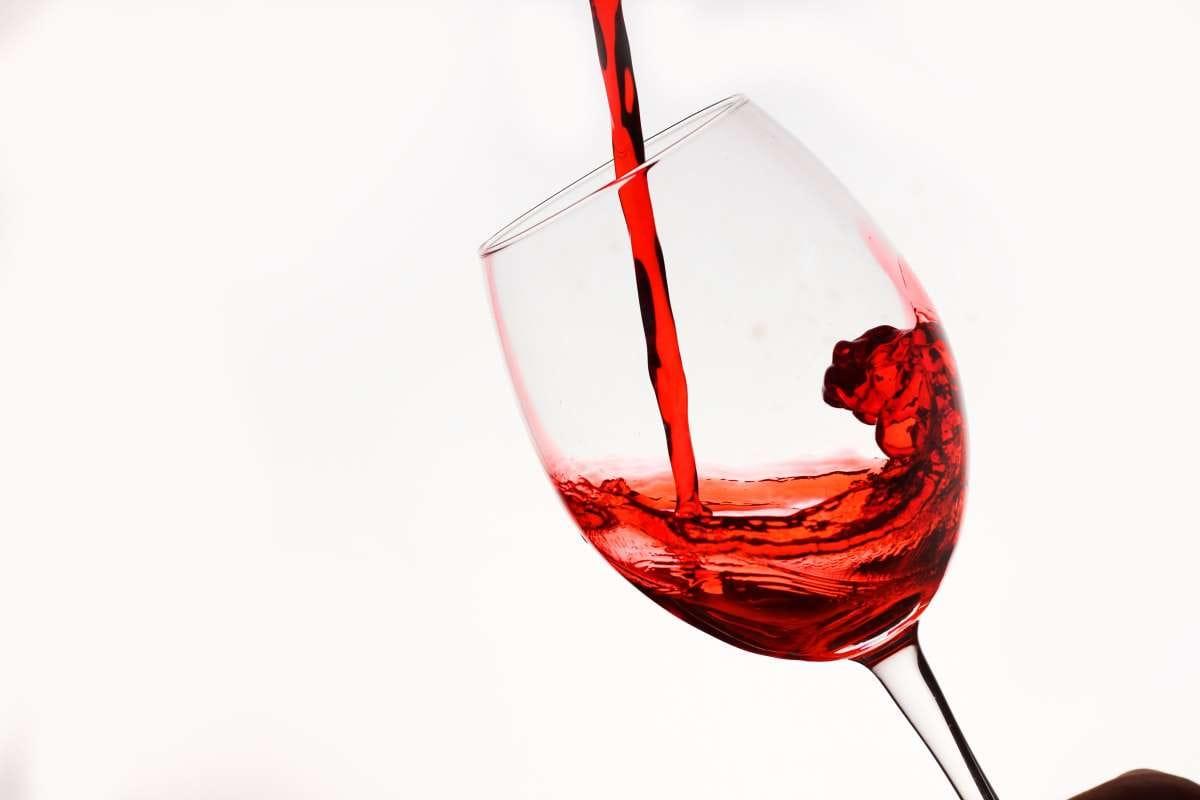
Red wine is fermented with its skins, which gives it color, tannin, and depth.
Red wine starts with dark-skinned grapes that are crushed and fermented together with their skins. The skins release color, flavor, and tannin as the juice turns to wine. Tannin is the drying, grippy sensation you feel on your gums and tongue.
Almost all grape juice is clear, whatever the color of the grape. That is why skin contact matters so much. A red wine left longer on its skins becomes darker and more structured.
How red wine tastes
Most red wines are dry, with flavors of red or black fruit. Lighter reds lean toward cherry, cranberry, and raspberry. Fuller reds show blackberry, plum, and black currant.
Oak aging can add notes of vanilla, spice, cedar, or toast. With bottle age, fruit softens into earthier tones like leather, mushroom, and dried herbs.
Red wine grapes worth knowing
- Pinot Noir: light body, silky texture, red cherry and earth.
- Merlot: medium body, soft tannin, plum and chocolate.
- Cabernet Sauvignon: full body, firm tannin, black currant and cedar.
- Syrah or Shiraz: full body, dark fruit, black pepper.
- Malbec: full body, ripe plum, soft finish.
- Tempranillo: medium body, cherry, leather, and dried fig.
For a grape by grape breakdown, see our guide to types of red wine grapes. If you are weighing two popular bottles, our Malbec vs Cabernet Sauvignon comparison sets them side by side.
Where great red wine comes from
Classic red wine regions include Bordeaux, Burgundy, and the Rhône Valley in France. Tuscany and Piedmont lead in Italy, and Rioja leads in Spain. Napa Valley, Mendoza, and the Barossa Valley are the best-known New World names.
Each region favors certain grapes. Burgundy is known for Pinot Noir, Mendoza for Malbec, and Barossa for Shiraz. Our Cabernet Sauvignon guide and Pinot Noir guide cover two of the most planted red grapes.
Pairing red wine with food
Red wine pairs best with food that has fat and protein. Tannin binds to protein, which softens the wine and makes the meat taste richer. A grilled steak with Cabernet Sauvignon is the classic example.
Lighter reds like Pinot Noir suit salmon, duck, mushrooms, and roast chicken. Save big, tannic reds for lamb, beef, and hard aged cheeses.
2. White Wine
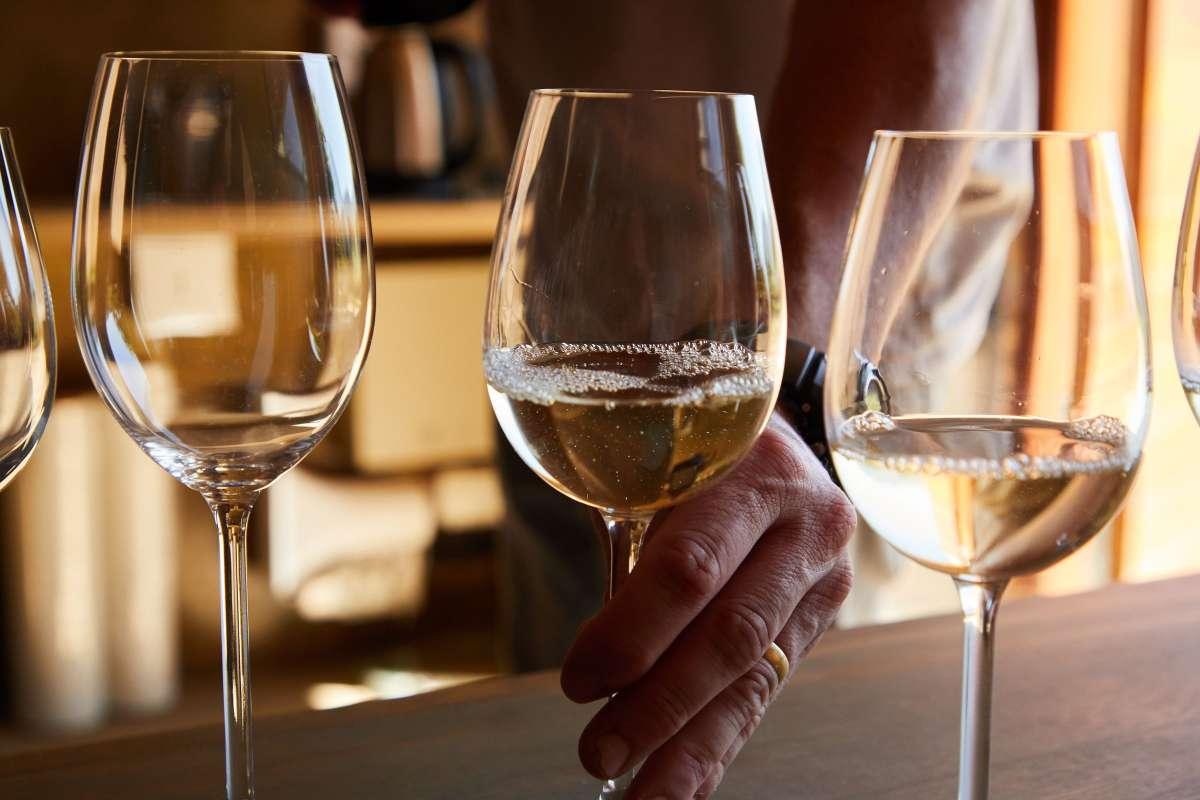
White wine is pressed off its skins before fermentation, so it tastes fresher and crisper.
White wine is usually made from green-skinned grapes. The grapes are pressed first, and only the juice goes into the fermentation tank. With little skin contact, white wine has almost no tannin.
Instead, white wine relies on acidity for its shape and energy. Acidity is the mouthwatering quality that makes a wine taste fresh. It also helps white wine cut through rich or salty food.
How white wine tastes
White wine flavors run from citrus and green apple to peach, pineapple, and honey. Cool climates tend to give sharper, leaner wines. Warm climates give riper, rounder fruit.
Winemaking choices matter here as well. Oak barrels add vanilla and toast, and a process called malolactic conversion adds a buttery, creamy texture. That is the source of the classic buttery Chardonnay style.
White wine grapes worth knowing
- Sauvignon Blanc: light body, high acidity, grapefruit and cut grass.
- Pinot Grigio: light body, lemon and pear, clean finish.
- Riesling: light body, lime and green apple, dry to sweet.
- Chenin Blanc: medium body, quince and honey, dry to sweet.
- Chardonnay: medium to full body, apple to tropical fruit, often oaked.
- Viognier: full body, apricot and floral notes.
Our guide to types of white wine grapes covers each grape in more detail. Our Sauvignon Blanc guide focuses on one of the most popular crisp whites. For two aromatic whites that are easy to confuse, read Gewürztraminer vs Riesling.
Pairing white wine with food
Crisp whites match seafood, salads, goat cheese, and lighter dishes. The acidity works much like a squeeze of lemon. Sauvignon Blanc with oysters or a herb salad is a reliable choice.
Fuller whites such as oaked Chardonnay can stand up to lobster, roast chicken, and cream sauces. Delicate white fish calls for something clean and bright. Our Chilean sea bass wine pairing guide shows how.
3. Rosé Wine
Rosé gets its pink color from a short period of skin contact with red grapes.
Rosé is made from red grapes, but the juice spends only a short time on the skins. Contact can last a few hours or a couple of days. The winemaker then removes the skins before the wine takes on a full red color.
Some rosé is made by bleeding off juice from a red wine tank, known as the saignée method. Blending red and white wine is rarely used for still rosé. Rosé Champagne is one notable exception.
How rosé tastes
Most quality rosé is dry, with flavors of strawberry, watermelon, citrus peel, and melon. Pale rosé from Provence tends to be light, delicate, and mineral. Darker rosé, such as Tavel from the southern Rhône, has more body and fruit.
Sweet rosé also exists. White Zinfandel, made popular in California, is usually off-dry to medium sweet.
Rosé grapes and regions
- Grenache: the backbone of many Provence rosés, soft red fruit.
- Cinsault: light and fragrant, common in southern France.
- Syrah: adds color and a hint of spice.
- Sangiovese: used for Italian rosato, bright cherry notes.
- Tempranillo and Garnacha: used for Spanish rosado.
- Pinot Noir: delicate rosé with red berry flavors.
Pairing rosé with food
Dry rosé is one of the most flexible wines at the table. It works with grilled fish, salads, charcuterie, Mediterranean dishes, and light spice. Serve it well chilled on warm afternoons.
A fuller rosé can handle grilled pork, roast chicken, and salmon. Rosé is also a smart choice when a group orders very different dishes.
4. Sparkling Wine
Sparkling wine holds carbon dioxide from a second fermentation, which creates the bubbles.
Sparkling wine begins as a still base wine. Winemakers then trigger a second fermentation by adding yeast and sugar. The carbon dioxide produced is trapped, and it dissolves into the wine as bubbles.
Where that second fermentation happens shapes the final style. The two main methods produce very different wines.
The traditional method
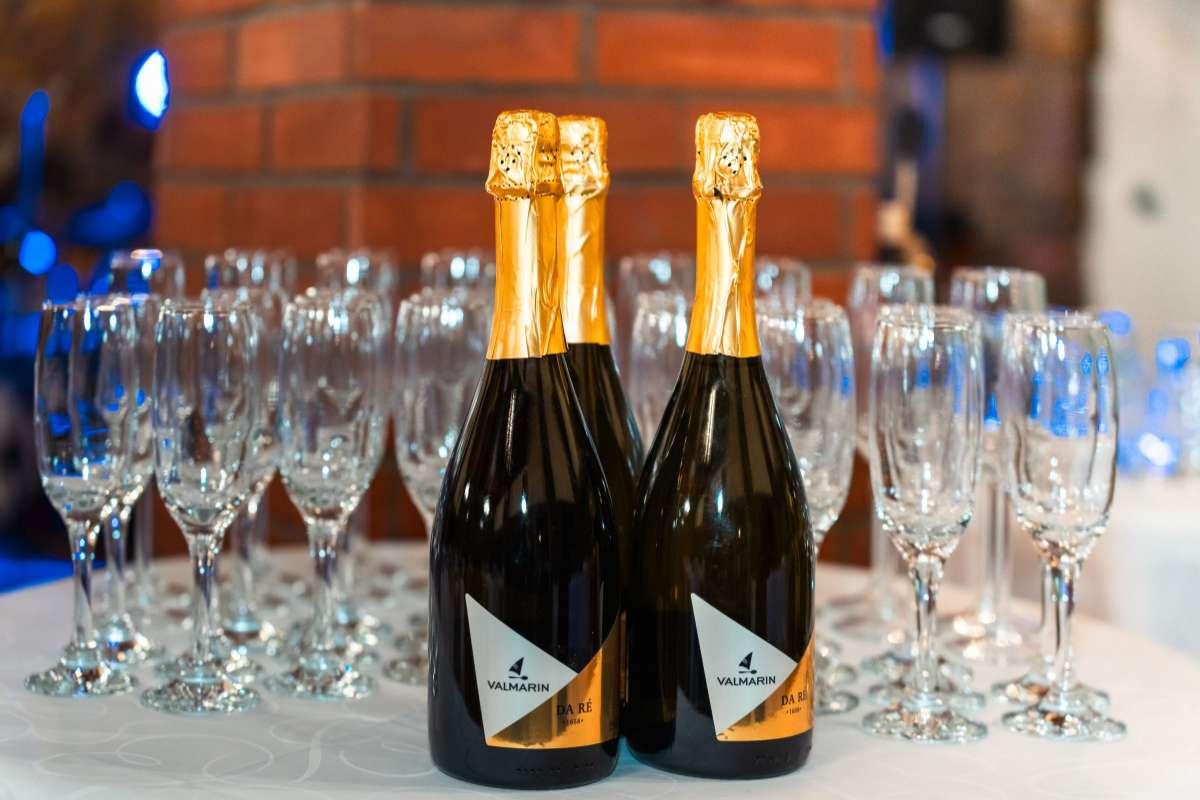
In the traditional method, the second fermentation happens inside the bottle you eventually buy. The wine then rests on its spent yeast cells, called lees. This contact adds notes of bread, brioche, and toasted nuts.
Champagne, Cava, Crémant, and Franciacorta all use this method. Non-vintage Champagne must age at least 15 months before release, and vintage Champagne at least three years.
The tank method
In the tank method, also called the Charmat method, the second fermentation happens in a large pressurized tank. The wine is then bottled under pressure. This keeps the focus on fresh, fruity aromas.
Prosecco is the best-known example, made mainly from the Glera grape. Its flavors lean toward green apple, pear, and white flowers.
Other sparkling wines worth trying
Champagne and Prosecco are only the start. Crémant is made across France with the traditional method, often at a gentler price. Spanish Cava, mostly from Catalonia, offers crisp citrus and almond notes.
Moscato d’Asti from Piedmont is lightly sparkling, low in alcohol, and gently sweet. Lambrusco from Emilia-Romagna is a red sparkling wine with dark berry flavors. English sparkling wine has also grown in reputation, thanks to chalk soils similar to Champagne.
How to read sparkling wine sweetness
Sparkling wine labels list sweetness with specific terms. The names can be confusing, because Extra Dry is sweeter than Brut.
- Brut Nature: no added sugar, bone dry.
- Extra Brut: very dry.
- Brut: dry, the most common style.
- Extra Dry: off-dry, with a touch of sweetness.
- Dry or Sec: noticeably sweet.
- Demi-Sec: sweet, good with dessert.
- Doux: the sweetest category.
Pairing sparkling wine with food
The high acidity and bubbles in sparkling wine cleanse the palate. That makes it excellent with salty, fried, and creamy food. Champagne with fried chicken or potato chips is a well-loved pairing.
Brut sparkling wine also suits oysters, sushi, and soft cheeses. Demi-Sec styles work with fruit tarts and light desserts. To keep an open bottle fresh, see our tips on how to store sparkling wine after opening.
5. Dessert and Fortified Wine
Dessert wines keep natural grape sugar, while fortified wines have added spirit for extra strength.
This group covers the sweetest and strongest types of wine. Some are sweet because the grapes were unusually ripe or concentrated. Others are strong because the winemaker added a neutral grape spirit.
How dessert wine is made
Winemakers concentrate sugar in several ways. Each method gives a distinct style.
- Late harvest: grapes are left on the vine to ripen longer.
- Noble rot: a fungus called Botrytis cinerea shrivels the grapes, as in Sauternes and Tokaji.
- Ice wine: grapes freeze on the vine and are pressed frozen.
- Dried grapes: grapes dry on mats or racks, as in Italian Vin Santo.
These wines usually hold significant residual sugar. Residual sugar is the natural grape sugar left after fermentation stops. Good examples balance that sweetness with bright acidity.
How fortified wine is made
Fortified wine has a neutral grape spirit added during or after fermentation. The timing decides whether the wine is sweet or dry. Fortified wines usually sit between 15 and 22 percent alcohol.
- Port: spirit is added during fermentation, which keeps it sweet.
- Sherry: spirit is added after fermentation, so styles range from bone dry Fino to sweet Pedro Ximénez.
- Madeira: heated and aged, giving caramel and nutty notes.
- Marsala: a Sicilian wine used for sipping and cooking.
Serving dessert and fortified wine
Dessert wines are rich, so pour smaller glasses than you would for dry wine. Many come in half bottles for that reason. A 2 to 3 ounce pour is plenty after a meal.
Once opened, most dessert wines keep for several days in the refrigerator. Fortified wines last longer, and tawny Port can stay fresh for weeks. Fino Sherry is the exception, and it should be finished within a few days.
Pairing dessert and fortified wine with food
A simple rule helps here: the wine should be at least as sweet as the dessert. Otherwise the wine will taste thin and sour. Sauternes with crème brûlée or fruit tarts is a classic match.
Port pairs well with blue cheese, especially Stilton, and with dark chocolate. Dry Fino Sherry is excellent with almonds, olives, and salty tapas. For more on how sugar varies by style, see our guide to sugar in white wine vs red wine.
How Many Types of Wine Are There, Really?
There are five main styles, but thousands of grape varieties sit underneath them.
The five styles are the simplest way to group wine. Underneath them, the variety is huge. The reference book Wine Grapes documents 1,368 grape varieties used in commercial wine.
Most wine sold around the globe comes from a much shorter list. Cabernet Sauvignon, Merlot, Chardonnay, Sauvignon Blanc, Pinot Noir, and Syrah appear in almost every major wine region.
Varietal wine vs blended wine
A varietal wine is named after a single grape, such as Pinot Noir or Riesling. This labeling is common in the United States, Australia, New Zealand, and South America. The grape name tells you roughly what to expect.
A blended wine combines several grapes. Red Bordeaux, for example, usually blends Cabernet Sauvignon, Merlot, and Cabernet Franc.
Old World vs New World labels
European wines are often labeled by place rather than grape. Chablis is Chardonnay, Sancerre is Sauvignon Blanc, and Barolo is Nebbiolo. These rules come from centuries of regional tradition.
Wines from the Americas, Australia, and South Africa usually name the grape on the front label. Neither system is better. Knowing both makes any wine list easier to read.
Where orange wine fits
Orange wine is white wine made the way red wine is made. The juice ferments with the grape skins for days, weeks, or months. The result is amber in color, with light tannin and flavors of dried apricot, tea, and nuts.
The method is ancient, with deep roots in Georgia, where wine ferments in clay vessels called qvevri. Some writers call orange wine a sixth type. Most wine courses still treat it as a style of white wine.
Still wine vs sparkling wine
Another simple split is still versus sparkling. Still wine has no noticeable bubbles, and it covers most red, white, and rosé. Sparkling wine can be white, rosé, or even red, as with Italian Lambrusco.
Sweetness is a third useful axis. Any style can be dry, off-dry, or sweet, depending on how much sugar remains.
Wine Body Explained: Light, Medium, and Full
Body describes how heavy a wine feels in your mouth, driven mostly by alcohol.
Body is the weight and texture of wine on your palate. A good comparison is milk. Light-bodied wine feels like skim milk, while full-bodied wine feels closer to whole milk or cream.
Alcohol is the main driver of body. Sugar, tannin, and oak aging all add weight as well. Grapes from warmer climates ripen further, which usually means more alcohol and fuller body.
Light-bodied wines
Light-bodied wines are usually under about 12.5 percent alcohol. They feel crisp, refreshing, and delicate.
- Red: Pinot Noir, Gamay, Beaujolais.
- White: Pinot Grigio, Sauvignon Blanc, Muscadet, dry Riesling.
- Other: Prosecco and most pale rosé.
Medium-bodied wines
Medium-bodied wines usually sit between about 12.5 and 13.5 percent alcohol. They are balanced and suit a wide range of food.
- Red: Merlot, Sangiovese, Grenache, Tempranillo.
- White: unoaked Chardonnay, Chenin Blanc, Grüner Veltliner.
Full-bodied wines
Full-bodied wines are usually above about 13.5 percent alcohol. They feel rich, round, and mouth-filling.
- Red: Cabernet Sauvignon, Syrah, Malbec, Zinfandel.
- White: oaked Chardonnay, Viognier.
- Other: Port and most fortified wines.
Body is often the single best predictor of what you will enjoy. If you love one full-bodied red, you will likely enjoy others.
How to Taste Wine: Look, Smell, Taste
A simple three-step routine helps you notice what makes each type of wine different.
Professional tasters follow a set order so they do not miss anything. You can use the same routine at home with any glass. It takes less than a minute.
Look at the wine
Tilt the glass against a white background and check the color. Red wines range from pale ruby to deep purple, and they turn toward garnet with age. White wines range from pale lemon to deep gold.
Color gives useful clues. A deep purple red is often young and full-bodied. A deep gold white may be oaked, sweet, or older.
Smell the wine
Swirl the glass gently to release aromas, then take a few short sniffs. Try to name broad groups first, such as citrus, red fruit, black fruit, flowers, or spice. Then look for signs of oak, like vanilla or toast.
Most of what we call flavor is actually smell. That is why a stuffy nose makes wine taste flat.
Taste the wine
Take a small sip and let it cover your whole mouth. Notice sweetness first, then acidity, tannin, alcohol, and body. Finally, notice how long the flavor lasts after you swallow.
A long, pleasant finish is one sign of quality. With practice, you will start to recognize each grape and style by taste alone.
Key Wine Terms to Know
A handful of terms describe almost every type of wine on a list.
Wine language can sound technical, but a few words carry most of the meaning. Learn these, and tasting notes become far easier to follow.
- Dry: a wine with little or no residual sugar.
- Off-dry: a wine with a light touch of sweetness.
- Tannin: the drying, grippy feeling from grape skins, seeds, and oak.
- Acidity: the fresh, mouthwatering quality that keeps wine lively.
- Body: the weight of wine in your mouth, from light to full.
- Finish: how long the flavor lingers after you swallow.
- Vintage: the year the grapes were harvested.
- Terroir: the combined effect of soil, climate, and site on a wine.
- Oaked: aged in oak barrels, which can add vanilla, spice, and toast.
- Lees: spent yeast cells that add bread and nut notes to some wines.
When a server or shop uses one of these terms, you now know what they mean. That makes it easier to ask for exactly what you want.
How to Choose a Wine by Taste, Not by Label
Start with the flavors you already enjoy, then match them to a wine style.
Labels can be hard to read, but your own preferences are simple. The questions below point you toward the right types of wine quickly.
Step 1: Pick sweet or dry
Do you take your coffee black or with sugar? People who enjoy sweetness often prefer off-dry Riesling, Moscato, or Demi-Sec sparkling wine. People who prefer bitter or savory flavors often enjoy dry reds and crisp whites.
Step 2: Pick light or rich
Think about whether you prefer light, fresh food or rich, hearty food. Light eaters often enjoy Pinot Grigio, Sauvignon Blanc, and Pinot Noir. Those who love rich food tend to reach for Cabernet Sauvignon, Malbec, and oaked Chardonnay.
Step 3: Pick fruit or earth
Some people love juicy fruit flavors, while others prefer savory, earthy notes. New World wines from warm regions often taste riper and more fruit-forward. Old World wines from Europe often show more earth, herbs, and minerality.
Step 4: Match the wine to the meal
Pair wine weight with food weight. Light dishes suit light wines, and rich dishes suit fuller wines. Our wine pairing guide goes further with specific dishes.
A simple starting point for beginners
If you are new to wine, try one bottle from each of the five styles. Taste them side by side and note which you enjoy most. Our list of the best wine for beginners suggests easy bottles for each style.
When you visit a wine region, ask for a tasting flight across several styles. Our guides to Yountville wineries and Tin City wineries are good places to start. A flight shows you more in an hour than a month of reading labels.
How wine gets from vineyard to glass
Knowing how wine is made also helps you taste it. Fermentation takes days or weeks, but aging can take months or years. Our guide on how long it takes to make wine walks through each stage.
Structured courses help too. The Wine & Spirit Education Trust offers tasting courses at several levels for curious drinkers.
Serving Temperature by Style
Serve whites and sparkling wine cold, and reds slightly below room temperature.
Temperature changes how wine tastes. Too cold, and aromas stay closed and muted. Too warm, and alcohol dominates the fruit.
| Wine style | Serving temperature | Examples |
|---|---|---|
| Sparkling wine | 43 to 50°F (6 to 10°C) | Champagne, Prosecco, Cava |
| Light white and rosé | 45 to 50°F (7 to 10°C) | Sauvignon Blanc, Pinot Grigio, Provence rosé |
| Full-bodied white | 50 to 55°F (10 to 13°C) | Oaked Chardonnay, Viognier |
| Light red | 55 to 60°F (13 to 16°C) | Pinot Noir, Gamay |
| Full-bodied red | 60 to 65°F (16 to 18°C) | Cabernet Sauvignon, Syrah, Malbec |
| Sweet white dessert wine | 43 to 50°F (6 to 10°C) | Sauternes, ice wine |
| Port and sweet fortified | 60 to 65°F (16 to 18°C) | Tawny Port, Ruby Port |
Practical chilling tips
Most people serve white wine too cold and red wine too warm. A white straight from the refrigerator often needs 10 to 15 minutes on the counter. A red at room temperature improves after 15 to 20 minutes in the refrigerator.
An ice bucket with water and ice chills a bottle far faster than ice alone. For longer storage, keep wine away from heat and light. Our guide to what temperature to store red wine covers cellar conditions in detail.
Choosing the right glass
Glass shape affects aroma and texture as well. Red wine glasses have wider bowls to let the wine breathe. White wine glasses are narrower to preserve cooler temperatures and delicate aromas.
Sparkling wine shows best in a flute or a tulip glass. A tulip keeps the bubbles while giving the aromas more room.
Frequently Asked Questions
Short answers to the questions readers ask most about wine styles.
How many types of wine are there?
There are five main types of wine: red, white, rosé, sparkling, and dessert or fortified. Within those styles, more than a thousand grape varieties are used to make commercial wine.
What are the 5 main types of wine?
The five main types are red, white, rosé, sparkling, and dessert or fortified wine. Each is defined by grape handling, bubbles, and the amount of sugar or added spirit.
What is the difference between red and white wine?
Red wine is fermented with dark grape skins, which add color and tannin. White wine is pressed off the skins before fermentation, so it has little tannin and relies on acidity for freshness.
What is the sweetest type of wine?
Dessert wines are the sweetest. Hungarian Tokaji Eszencia is often cited as the sweetest of all, with at least 450 grams of sugar per liter.
How do I choose a wine if I do not know what I like?
Start with the flavors you already enjoy. If you like sweet drinks, try off-dry Riesling or Moscato. If you prefer bold, savory food, try a full-bodied red like Cabernet Sauvignon.
What temperature should each type of wine be served at?
Serve sparkling and light white wines at 43 to 50°F. Serve full-bodied whites at 50 to 55°F, light reds at 55 to 60°F, and full-bodied reds at 60 to 65°F.
Final Thoughts on the Types of Wine
Learn the five styles first, and every grape and region becomes easier to understand.
Red, white, rosé, sparkling, and dessert or fortified wine cover nearly every bottle you will ever see. Each style has a clear method, a typical taste, and natural food partners.
Start with the style you already enjoy, then explore one new grape at a time. Over a few months, a wine list will read like a menu you understand.
This post contains affiliate links.
Continue Exploring Luxury
Everything you need for wine, food and entertaining, in one place.
📖 Get the Free Luxe Living Starter Guide