How Long Does It Take to Make Wine: Timeline from Grape to Glass
This post contains affiliate links. If you click through and make a purchase, I may earn a small commission at no extra cost to you. As an Amazon Associate I earn from qualifying purchases.
How long does it take to make wine? The honest answer ranges from a few weeks to several decades, depending on the style. A Beaujolais Nouveau can reach the table in eight weeks from harvest. A vintage Port may age in barrel and bottle for forty years before release. Understanding how long does it take to make wine requires looking at each stage of the process, from grape harvest to bottle, and recognizing how wine style, grape variety, and winemaker philosophy shape the timeline. This guide covers every stage of winemaking with realistic time ranges for different wine styles.
How Long Does It Take to Make Wine: The Short Answer
How long does it take to make wine in the simplest terms? Most wines take between six months and three years from harvest to commercial release. White wines are typically released earliest, often six to twelve months after harvest. Light red wines require one to two years. Premium reds may age three to five years before release. Fortified wines and rare aged styles can take decades. The question of how long does it take to make wine has no single answer because the winemaking process is as variable as the finished product itself. The wine and culinary guide provides broader context on how production methods influence wine styles and food pairings.
The Winemaking Timeline at a Glance
How long does it take to make wine at each stage? Here is a condensed overview before we examine each phase in detail:
- Harvest: 2-6 weeks (depending on region and variety)
- Crushing and pressing: 1-3 days per batch
- Primary fermentation: 1-4 weeks
- Malolactic fermentation (reds): 2-8 weeks
- Barrel or tank aging: 3 months to 3+ years
- Bottle aging before release: 3 months to 10+ years
The total timeline for how long does it take to make wine from harvest to release therefore ranges from four months for the simplest styles to well over a decade for premium aged wines. Understanding which stage takes longest helps answer why some wines cost more and age better than others.
Stage 1: Harvest
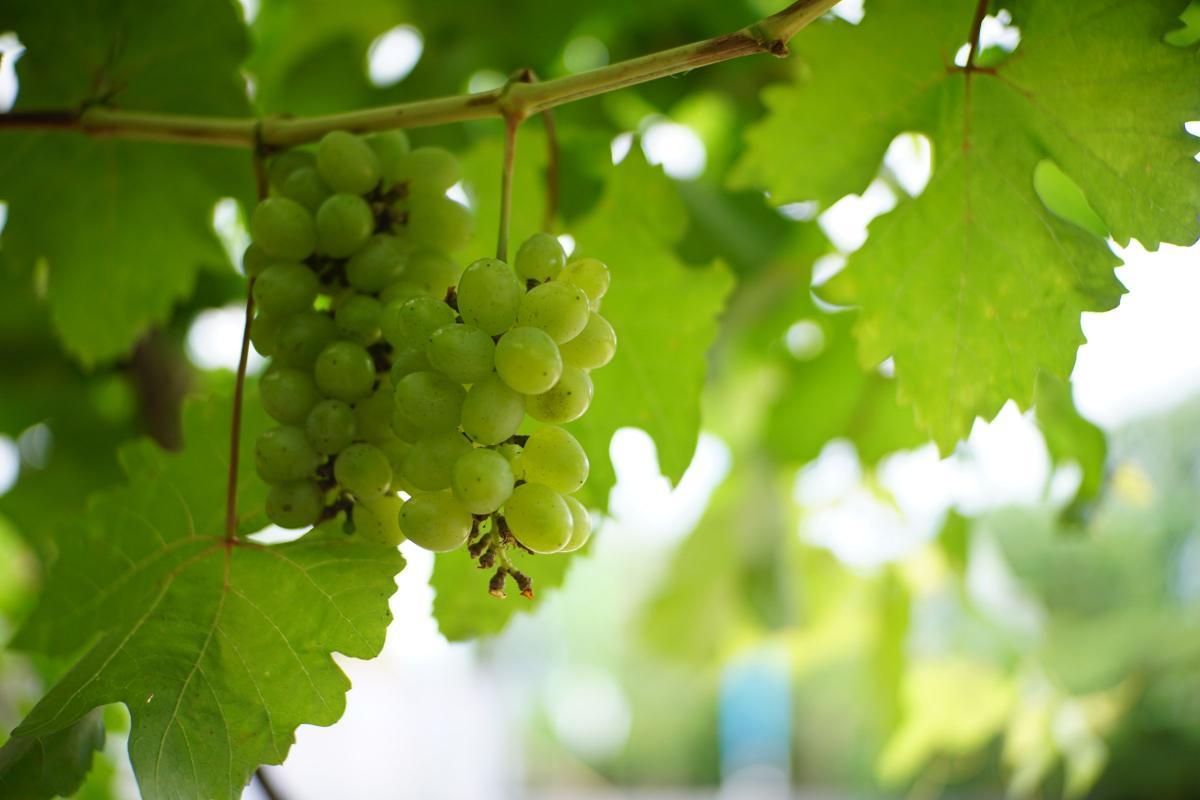
The first stage in understanding how long does it take to make wine is the harvest. Grapes are picked when they reach the optimal balance of sugar, acid, and phenolic ripeness, which occurs once per year in each hemisphere. Harvest windows typically span two to six weeks per winery, though individual blocks may be picked across a single day or stretched over several weeks based on ripeness progression. For winemakers answering how long does it take to make wine, harvest represents the starting point, everything before it is viticulture, not winemaking.
Stage 2: Crushing and Pressing
Once harvested, grapes are crushed and pressed to extract juice. For white wines, the process of how long does it take to make wine at this stage is brief, typically one to three days per batch, because white grapes are pressed immediately after crushing to separate juice from skins. For red wines, the skins remain in contact with the juice during fermentation, so crushing is the first step in a longer maceration process. The speed and pressure of pressing influences how long does it take to make wine at subsequent stages by affecting the must’s clarity and chemical composition.
Stage 3: Fermentation
Fermentation is the most variable stage when considering how long does it take to make wine. Primary fermentation, the conversion of grape sugars to alcohol by yeast, typically takes one to four weeks for most wine styles. Temperature-controlled stainless steel fermentation at cool temperatures slows the process and produces more aromatic, fruit-forward wines, extending the timeline for how long does it take to make wine at this stage to three or four weeks. Warmer fermentation environments used for extracted reds may complete primary fermentation in seven to ten days.
For red wines, the question of how long does it take to make wine extends into malolactic fermentation (MLF), a secondary bacterial conversion that transforms sharp malic acid into softer lactic acid. MLF typically takes two to eight weeks and is completed before or during barrel aging. Skipping MLF produces the sharp, high-acid style of some white wines; completing it creates the creamy, buttery character of oaked Chardonnay and most red wines. The guide to red wine grape varieties explains how different varieties respond to fermentation decisions that affect how long does it take to make wine.
Stage 4: Aging
Aging is the stage that most dramatically determines how long does it take to make wine from harvest to bottle. Aging styles fall into three categories:
Stainless steel or tank aging preserves fruit freshness and is used for wines intended for early drinking. For Sauvignon Blanc, Pinot Grigio, and basic Chardonnay, how long does it take to make wine in this category is typically three to nine months. The wine goes from fermentation tank directly to bottle with minimal delay.
Oak barrel aging adds complexity, structure, and allows gradual oxidation that softens tannins and builds aromatic depth. How long does it take to make wine in oak ranges from six months for lighter styles to three or more years for premium Cabernet Sauvignon, Tempranillo, or Barolo. New oak barrels impart more oak flavor and require shorter time; older, neutral barrels impart less oak and may be used for longer periods. How long does it take to make wine in oak is one of the most important quality and style decisions a winemaker makes each vintage.
Bottle aging at the winery before commercial release adds another dimension to how long does it take to make wine. Entry-level wines may spend three to six months in bottle before release. Premium wines spend one to three years. Some estates age their finest wines in bottle for five to ten years before release. The guide to wine storage temperature explains the conditions that make long bottle aging possible.
Stage 5: Bottling and Release
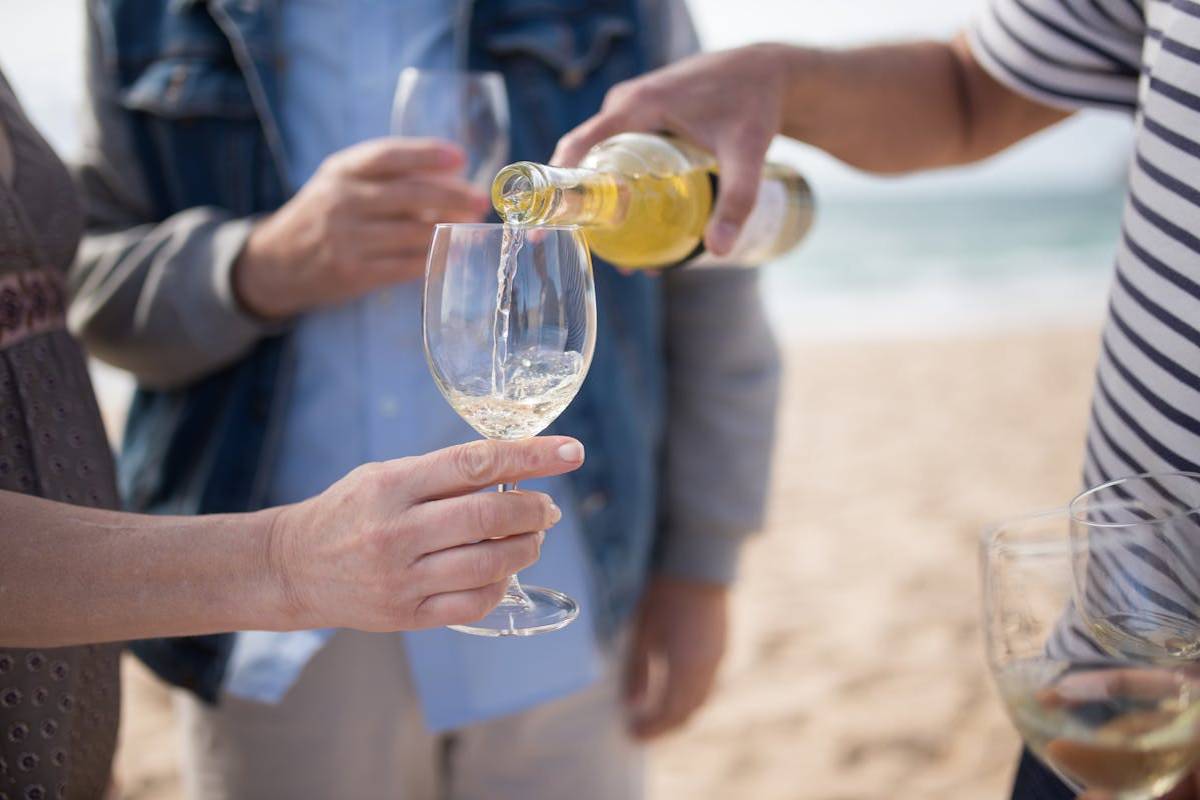
The final stage in answering how long does it take to make wine is bottling and release. After aging, wine is filtered, blended if necessary, and bottled under conditions designed to minimize oxygen exposure. The bottling process itself takes one to three days at most modern wineries. After bottling, wines rest for a minimum of three to six months (and often much longer) before commercial release. This final rest period allows any “bottle shock” from the trauma of filtration and bottling to resolve, letting the wine show its best character when it finally reaches a glass.
Factors That Determine How Long Wine Takes to Make
Beyond the basic process stages, several factors influence how long does it take to make wine at a specific winery for a specific wine style.
Wine style is the primary factor. Light, fresh, early-drinking whites take the least time. Full-bodied, age-worthy reds take the most. How long does it take to make wine is therefore directly tied to the stylistic ambitions of the producer.
Grape variety influences aging requirements significantly. Nebbiolo (Barolo), Sangiovese (Brunello), and Cabernet Sauvignon have naturally high tannins and acid that require extended aging to soften. Pinot Noir and Gamay have lower tannins and can be released sooner. For winemakers calculating how long does it take to make wine, the grape variety sets the structural baseline.
Regional regulations also mandate minimum aging requirements that determine how long does it take to make wine in certain appellations. Rioja Gran Reserva must age a minimum of five years before release. Barolo requires at least three years, two in oak. Champagne non-vintage requires at least fifteen months of aging. These legal minimums create a floor for how long does it take to make wine in regulated appellations. The white wine grape varieties guide covers varieties and their typical production timelines.
Wine Aging Timeline by Type
How long does it take to make wine varies dramatically by wine category:
- Beaujolais Nouveau: 6-8 weeks from harvest to release. The fastest commercial wine in the world.
- Light whites (Pinot Grigio, Sauvignon Blanc, unoaked Chardonnay): 6-9 months from harvest to release.
- Oaked whites (Chardonnay, White Burgundy, Viognier): 9-18 months from harvest to release.
- Light reds (Pinot Noir, Gamay, light Merlot): 12-18 months from harvest to release.
- Medium reds (Cabernet Sauvignon, Tempranillo): 18 months to 3 years from harvest to release.
- Premium aged reds (Barolo, Brunello, Bordeaux Grand Cru): 3-8 years from harvest to release.
- Vintage Port: 20-40 years optimal aging after release.
- Madeira: Can age productively for 50-100+ years.
Once a wine is ready to drink, a quality wine decanter is one of the best tools for unlocking the full character of a young red wine that has not yet had the benefit of long cellar aging.
For a beautifully illustrated guide to how wine is made across the world’s major regions and styles, Wine Folly: The Magnum Edition is one of the most accessible and informative references available for anyone fascinated by the winemaking process.
Shop the Post
Affiliate links. We may earn commission.
Crystal Red Wine Glasses, Set of 4
Four 15 oz hand blown crystal glasses.
View on Amazon →Le Chateau Crystal Wine Decanter
Hand blown lead free crystal, 750 ml capacity.
View on Amazon →Vacu Vin Wine Saver Pump
Vacuum pump and stopper for resealing open bottles.
View on Amazon →Ivation 12 Bottle Compressor Wine Fridge
Compressor wine cooler that holds 12 bottles.
View on Amazon →How Long Does It Take to Make Wine FAQ
How long does it take to make wine at home?
How long does it take to make wine at home depends on the style and method. Basic fruit wines can be ready in four to eight weeks using commercial yeasts and simple equipment. Grape wines made from fresh fruit typically require three to six months before they are palatable, though they continue improving for a year or more with patient aging. Home winemakers often find that how long does it take to make wine is the most surprising part of the hobby, the process requires patience, as rushing any stage compromises quality. University research from UC Davis Viticulture and Enology provides detailed technical guidance on home and commercial winemaking timelines. The guide to sweet wines for beginners covers late-harvest styles that require longer production timelines.
Does more expensive wine take longer to make?
Generally yes, understanding how long does it take to make wine reveals a direct correlation between production time and price. Premium wines age in expensive new oak barrels for one to three years, then rest in bottle for one to several more years before release. The cost of barrels, cellar space, inventory financing, and labor during the aging period drives up production cost and therefore retail price. How long does it take to make wine is therefore one of the key inputs that determines whether a wine costs $15 or $150.
How long does red wine take to make compared to white wine?
Red wine takes significantly longer to make than most white wines. How long does it take to make wine differs between red and white primarily because of tannin management. Red wines need time in barrel and bottle for tannins to polymerize and soften into a round, approachable texture. White wines typically lack significant tannins and can be bottled and released earlier. How long does it take to make wine is typically six to twelve months for most whites and twelve months to several years for most reds.
Can you make wine faster by cutting any stages?
Yes, but with quality trade-offs. How long does it take to make wine can be shortened by using aggressive filtration, high-efficiency yeast strains, and temperature-controlled fermentation. Beaujolais Nouveau producers specifically use carbonic maceration and early bottling to produce wine in weeks rather than months. However, the shortcuts that speed up how long does it take to make wine generally produce simpler, less complex wines with shorter lifespans. For wines intended to age, there are no shortcuts, barrel time and bottle rest are irreplaceable in building the structure and complexity that makes premium wines worth their price.
Continue Exploring Luxury
Everything you need for wine, food and entertaining, in one place.
📖 Get the Free Luxe Living Starter Guide