Wineries vs Vineyards: What Is the Key Difference and Why It Matters
This post contains affiliate links. If you click through and make a purchase, I may earn a small commission at no extra cost to you. I only recommend products and services I personally use and trust.
I have spent years exploring wine country across the United States and beyond, from the rolling hills of Napa Valley to the dramatic landscapes of Sonoma County and Valle de Guadalupe. One question I hear constantly from wine lovers is: what is the significant difference between wineries vs vineyards? These two terms are often used interchangeably, but they describe two entirely different things in wine culture.
Understanding the distinction helps you make better decisions when planning wine tasting experiences, purchasing bottles, and appreciating how great wine is made.

What Is a Vineyard?
A vineyard is a plot of land where wine grapes are cultivated. It is purely an agricultural operation. Vineyard owners focus on the cultivation of grapes, managing soil, irrigation, canopy management, and harvesting. The vineyard is where the raw materials for wine come from.
The grapes grown at a winery ultimately determine the wine style. If you have ever wondered how two popular California and Bordeaux reds differ, our Zinfandel vs Merlot comparison is a great starting point.
A vineyard grows specific grape varieties suited to the local terroir, including pinot noir, cabernet sauvignon, and white wine grapes like chardonnay. The word vineyard comes from the Latin “vinea,” and it is simply the land dedicated to grape cultivation.
Some vineyards sell their fruit to multiple wineries and never produce wine themselves. They are grape growers, not winemakers. A vineyard may span just a few acres or extend across hundreds of plots of land in major wine regions.
What Is a Winery?
A winery is a facility where the winemaking process takes place. A winery produces wine by fermenting grape juice and aging the finished product. A winery needs a wine cellar, fermentation tanks, barrels, bottling equipment, and often tasting rooms on-site for visitors. Learn more about wine regions and winery operations from Wine Folly.
Winery owners manage the full production of wine, from receiving harvested grapes through fermentation, barrel aging, and bottling. Some wineries source grapes from multiple vineyards. Others grow their own. The word winery refers specifically to the facility and the business of wine production.

Many urban winery operations exist in city locations far from any vineyard, purchasing grapes or juice from established wine regions. These urban area businesses are increasingly common in the United States wine industry.
The Main Difference Between Wineries vs Vineyards
The key differences between wineries vs vineyards come down to one simple principle: a vineyard grows grapes, and a winery makes wine. This wineries vs vineyards distinction matters whether you are buying wine, visiting wine country, or simply deepening your knowledge of the wine world.
| Feature | Winery | Vineyard |
|---|---|---|
| Primary function | Makes wine | Grows grapes |
| Main activity | Winemaking process, fermentation, aging | Cultivation of grapes |
| Physical facility | Production facility with wine cellar | Plot of land with grape vines |
| Visitor experience | Tasting rooms on-site, event space | Sometimes open for farm tours |
| May own the other? | Yes, many wineries own vineyards | Some vineyard owners also have winery operations |
What Is an Estate Winery?
An estate winery is a winery that grows its own grapes on property it owns or controls. Estate wine comes entirely from the vineyard owners’ own land. This is the most integrated model and often associated with the highest quality.
Estate wineries like those in Napa Valley, Sonoma County, and wine regions such as Bordeaux produce single-vineyard wine from their own property. These are the properties where the art of winemaking and the cultivation of grapes come together on one estate.
Can a Property Be Both a Winery and a Vineyard?
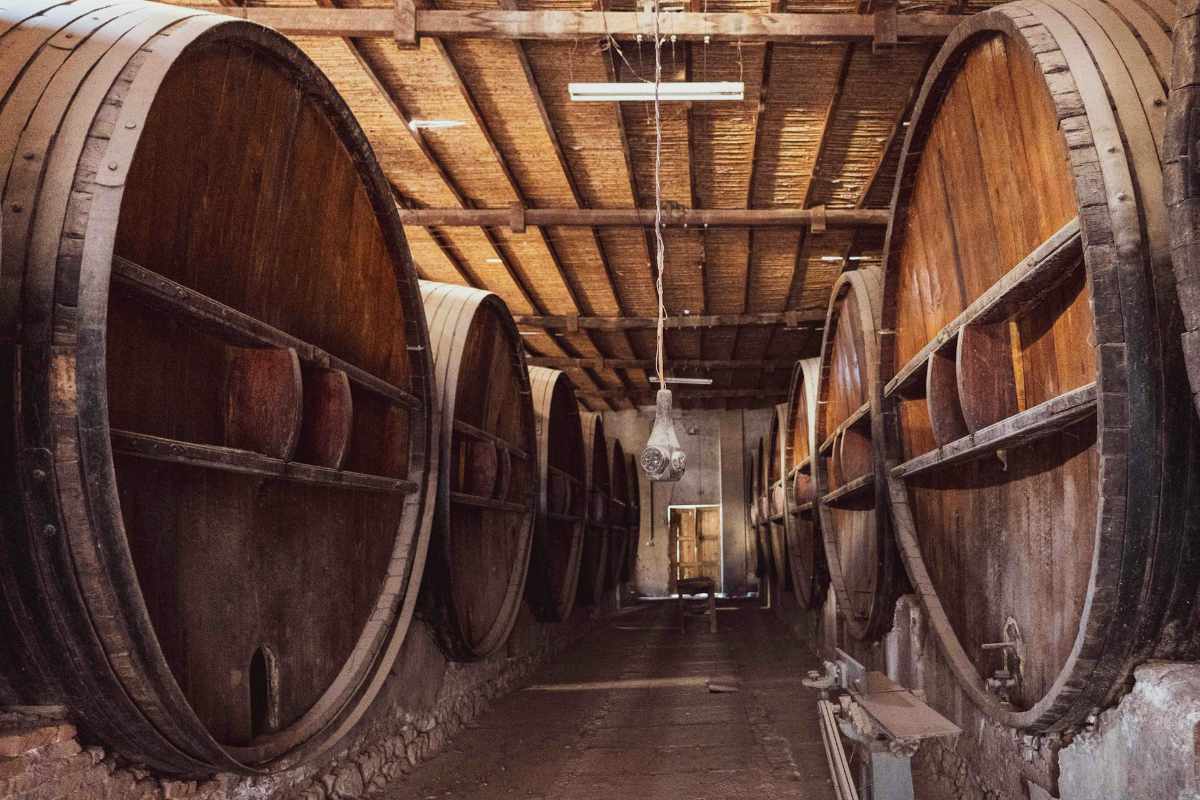
Yes. Many wine properties include both a vineyard and a winery. Chateau Grand Traverse in Michigan, for example, is a farm winery that grows its own grapes and produces wine on-site. This model is common throughout wine regions in the United States and the wine culture globally.
When a property has both, it is usually called a winery or an estate. The word vineyard in the name typically signals a focus on the farming side, while winery emphasizes production. Some large companies operate multiple vineyards feeding into one central winery.
Wine Tasting and the Visitor Experience
When you visit a winery, you are visiting the place where wine is made. Most offer tasting rooms on-site where you can sample current releases, tour the production facility, and learn about the winemaking process. Wineries with estate vineyards often offer vineyard tours, event space, and seasonal experiences.
Pure vineyard operations are less commonly set up for tastings, though some vineyard owners in wine country regions like Napa Valley and Sonoma County do welcome visitors, particularly for harvest events and wine geek friends gatherings.
Why This Difference Matters for Wine Lovers
Planning to take bottles home from your visit? A padded wine carrier tote keeps your purchases protected during travel.
To store and age any bottles properly at home, a compact wine fridge maintains ideal temperature so your wines evolve at their best.
Shop the Post
Affiliate links. We may earn commission.
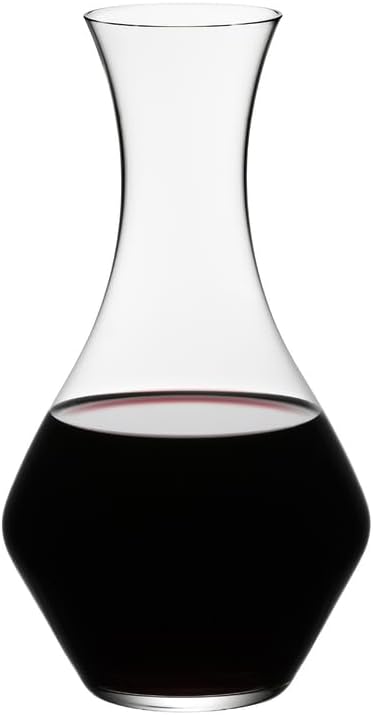
Riedel Cabernet Wine Decanter
Classic shape that opens up reds in 20 minutes
$65View on Amazon →
Riedel Vinum Pinot Noir Glasses, Set of 2
The Burgundy-style glass for delicate reds
$85View on Amazon →
Vinturi Essential Red Wine Aerator
Instant decanting in a single pour
$33View on Amazon →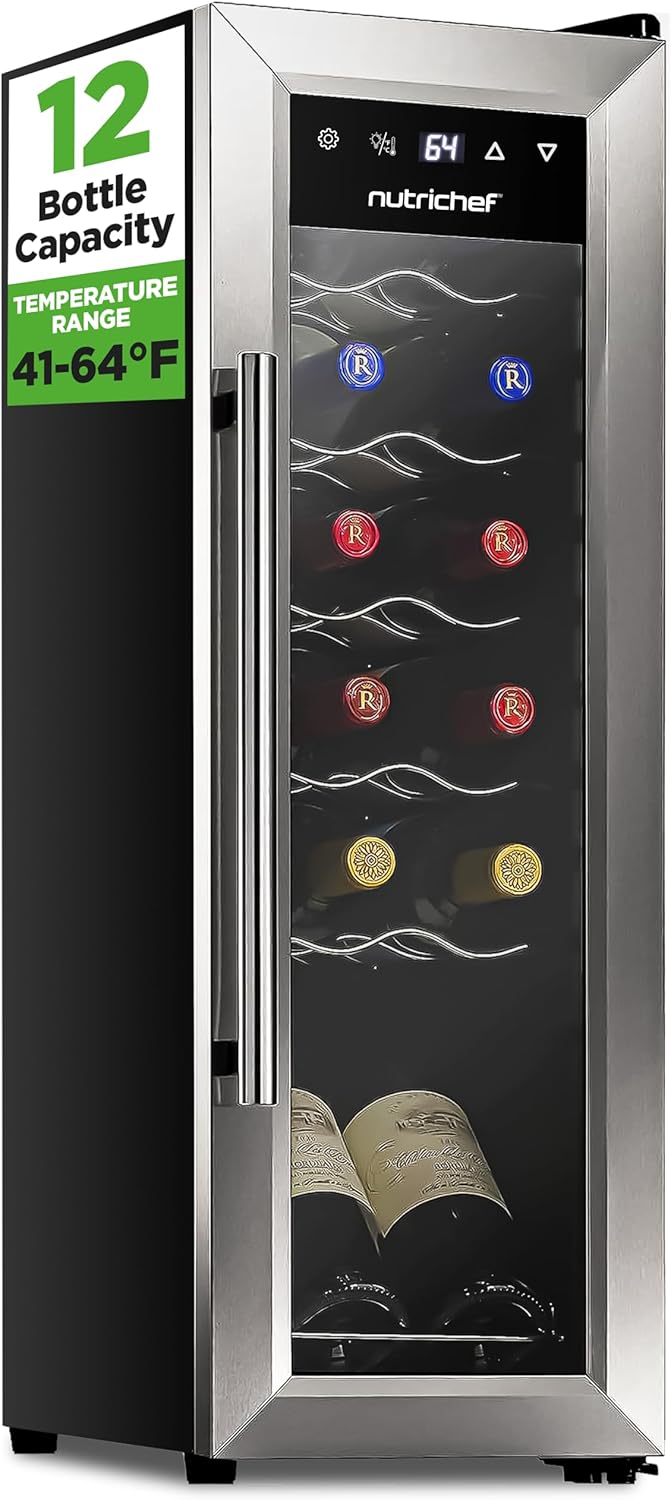
Nutrichef 12-Bottle Wine Fridge
Compact dual-zone storage at cellar temperature
$275View on Amazon →
Wine Folly: The Master Guide
The visual reference for every wine lover
$19View on Amazon →
The World Atlas of Wine, 8th Edition
Hugh Johnson and Jancis Robinson\'s definitive atlas
$38View on Amazon →Understanding wineries vs vineyards helps you ask better questions and make smarter choices. When a wine label says “single-vineyard wine,” it means the grapes came from one specific plot of land, reflecting the unique character of that terroir. When a winery produces wine from its own vineyards, you get a direct expression of place.
The production of wine begins in the vineyard. Everything from grape varieties chosen to cultivation methods shapes what ends up in your glass. Great wine starts with great raw materials, and understanding sugar in wine helps you appreciate how winemaking decisions affect flavor.
Whether you are exploring wine country in Napa Valley, discovering wines of Sonoma County, or tasting at an urban winery near your city, knowing the significant difference between a winery and a vineyard deepens your appreciation of every pour. For more on exploring wine styles and regions, visit our complete guide to wine and spirits.
If you are planning a trip with the whole family, check out our guide to the best family friendly wineries on Long Island, where farm activities, live music, and picnic grounds make wine tasting a true family experience. To go deeper, browse more wine education content packed with wine knowledge.
Continue Exploring Luxury
Everything you need to elevate your everyday life — in one place.
📖 Get the Free Luxe Living Starter Guide