Sugar in White Wine vs Red Wine: Essential Guide to 5 Wine Types
This post contains affiliate links. If you click through and make a purchase, I may earn a small commission at no extra cost to you. I only recommend products and services I personally use and trust.
Sugar in White Wine vs Red Wine: Quick Answer
White wine typically contains more residual sugar than red wine on average. Dry whites have 1-3g/L; sweet whites can have 50g/L or more. Dry reds have 0.5-2g/L; sweet reds such as Port and late-harvest styles reach 100g/L or more. The grape variety, fermentation length, and wine style matter more than color when comparing sugar in white wine vs red wine.
Understanding the sugar in white wine vs red wine helps you make smarter choices whether you’re watching your sugar intake, managing blood sugar levels, or simply curious about what’s in your glass. I’ve tasted my way through hundreds of wines over the years, and the question of which has more sugar comes down to wine style far more than color. The answer is more nuanced than most people expect.
The grams of sugar in a glass of wine vary dramatically based on the winemaking process, the grape variety, and the style of wine. A dry white wine and a dry red wine may have almost identical sugar content, while a sweet dessert wine can contain 20 or more grams of sugar per glass compared to just 1 to 2 grams in a dry red wine. Understanding sugar in white wine vs red wine helps you make healthier choices.
Sugar in White Wine vs Red Wine: What the Numbers Say
In general, dry red wines contain slightly less sugar than dry white wines, but the difference is small. A standard 5-ounce glass of dry red wine typically contains 0.6 to 1.5 grams of sugar. A glass of dry white wine contains slightly more, generally 1 to 1.5 grams. Sweet wines, both red and white, contain far more sugar by design. Understanding sugar in white wine vs red wine helps you make healthier choices.
The natural sugars in wine come from grape juice. During the fermentation process, yeast consumes the natural sugars in the grape juice and converts them to alcohol. The amount of sugar remaining after fermentation is called residual sugar. In dry wines, the fermentation process runs until nearly all the sugar has been consumed. In sweet wines, the fermentation process is stopped early, leaving higher residual sugar levels. Understanding sugar in white wine vs red wine helps you make healthier choices.
Sugar Content by Wine Type: A Practical Guide
Here’s a practical breakdown of how much sugar different wines contain per 5-ounce glass. These numbers vary by producer and vintage, but provide a reliable starting point for comparing types of wine based on sugar intake.
Dry white wines (low sugar): Sauvignon blanc, pinot grigio, pinot gris, unoaked chardonnay, and brut nature sparkling wines all fall in the 1 to 3 grams of sugar per glass range. A glass of chardonnay from a dry style typically has 1 to 2 grams of sugar, while a glass of white wine from an off-dry producer may have more.
Dry red wines (low sugar): Pinot noir, cabernet sauvignon, syrah, and most dry reds contain 0.6 to 2 grams of sugar per glass. Dry reds are generally the best bet for anyone trying to minimize sugar intake while still enjoying wine. Our guide to what temperature to store red wine covers how storage affects wine quality.
Off-dry wines (moderate sugar): Off-dry wines, including semi-sweet rieslings, some chenin blanc, pinot gris from Alsace, and rosé wine, typically contain 5 to 15 grams of sugar per glass. These wines taste noticeably sweeter than dry wines and are a popular choice for those new to wine or preferring sweeter styles.
Sweet wines and dessert wines (high sugar): Late harvest wines, ice wine, port, and sweet dessert wines can contain 20 to 50 or more grams of sugar per glass. Sweet red wines like port typically contain more sugar per serving than even the sweetest white wines in the standard table wine category. For beginners exploring sweeter styles, see our breakdown of the best sweet wine for beginners.
Sugar in Wine and Health: What Wine Drinkers Should Know
For people managing blood sugar levels or following a balanced diet, choosing the right type of wine can make a meaningful difference to caloric intake and sugar intake. The good news is that dry wines, both red and white, are relatively low in sugar compared to most other alcoholic beverages and certainly compared to sweet dessert wines.
That said, alcohol itself is the main source of calories in wine, not sugar. A standard 5-ounce glass of wine contains roughly 120 to 130 calories from alcohol, regardless of whether it’s a dry red or dry white. The calorie content difference between a glass of dry red wine and a glass of dry white wine is minimal.
The risk of heart disease and wine consumption is a separate topic from sugar content. Research has associated moderate alcohol consumption with some health benefits, though the relationship is complex. The nutritional information on wine bottles is not yet standardized in most countries. According to Wine Folly, residual sugar levels in wine range from bone dry to lusciously sweet, and most producers do not voluntarily disclose these numbers on wine labels. Looking for “dry” on wine labels, or checking producer websites for sugar content of wine specifications, is the most reliable approach.

Which Wine Has the Least Sugar?
If minimizing sugar intake is the priority, the best choice is a dry red wine or a brut nature sparkling wine. Brut nature is the driest style of champagne or sparkling wine, with less than 3 grams per liter of residual sugar. It has fewer calories from sugar than almost any other wine style.
Among still wines, pinot noir is consistently cited as having the least amount of sugar of the popular red wines, often under 1 gram per glass. Dry sauvignon blanc and pinot grigio are similarly low among white wines. Avoiding sweet red wines, dessert wines, and high alcohol content fortified wines will keep your sugar intake from wine at its lowest.
If you’re exploring wine choices based on taste and smoothness, see our full Malbec vs Cabernet Sauvignon comparison. For food pairing ideas, our guide to best pickles for a charcuterie board offers great low-sugar wine accompaniments.
Serving white wine in the right glass enhances its delicate aromas. A set of white wine glasses makes a noticeable difference. To further your understanding of wine styles and sugar levels, Wine Folly: The Master Guide is an excellent visual reference.
Shop the Post
Affiliate links. We may earn commission.
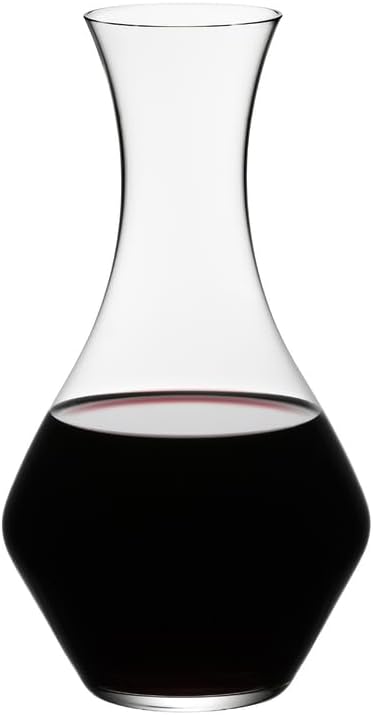
Riedel Cabernet Wine Decanter
Classic shape that opens up reds in 20 minutes
$65View on Amazon →
Riedel Vinum Pinot Noir Glasses, Set of 2
The Burgundy-style glass for delicate reds
$85View on Amazon →
Vinturi Essential Red Wine Aerator
Instant decanting in a single pour
$33View on Amazon →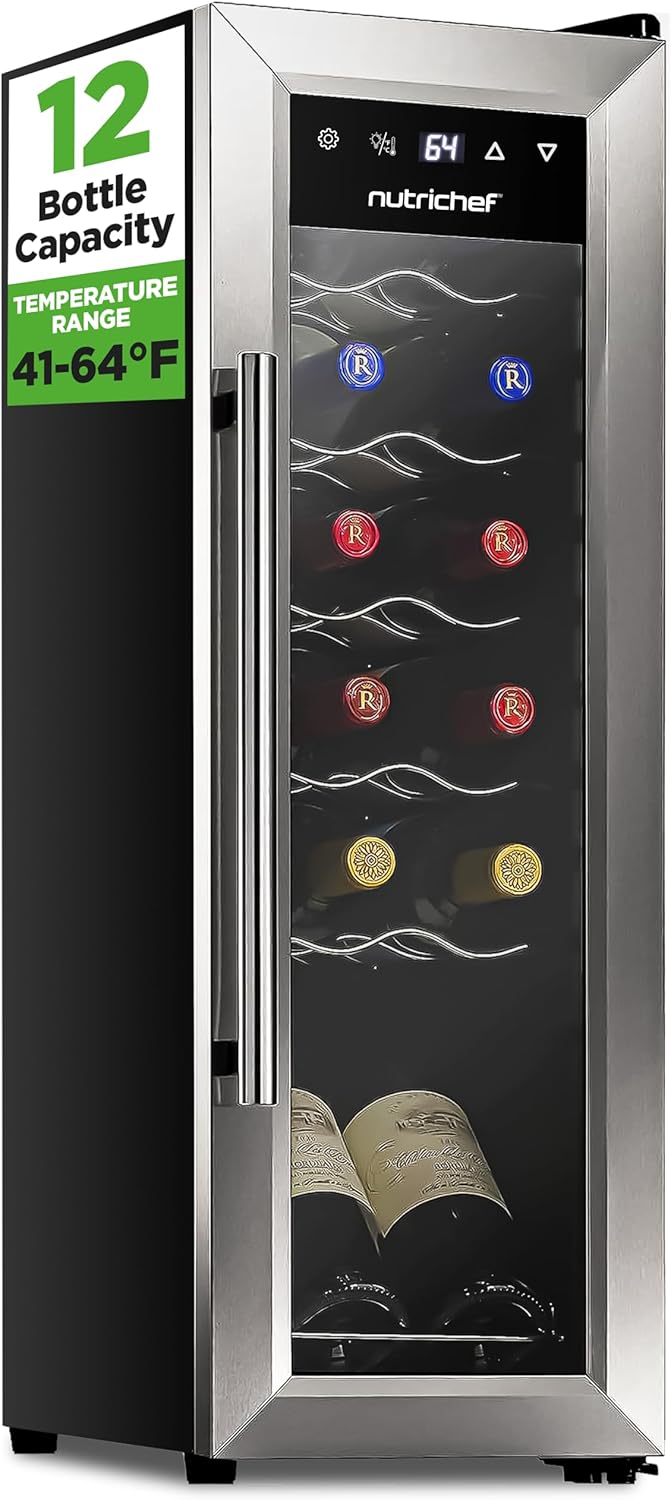
Nutrichef 12-Bottle Wine Fridge
Compact dual-zone storage at cellar temperature
$275View on Amazon →
Wine Folly: The Master Guide
The visual reference for every wine lover
$19View on Amazon →
The World Atlas of Wine, 8th Edition
Hugh Johnson and Jancis Robinson\'s definitive atlas
$38View on Amazon →Sugar in White Wine vs Red Wine: Frequently Asked Questions
Does red wine have more sugar than white wine?
Not as a rule. Dry red wines typically have 0.5 to 2 grams of sugar per liter, while dry white wines have 1 to 3 grams per liter. However, the style matters more than the color. A sweet Moscato (white) can have 100+ grams of sugar per liter, while a bone-dry Cabernet Sauvignon has under 2 grams. When comparing sugar in white wine vs red wine, always look at the wine style rather than color alone.
Which wine has the least sugar?
Brut Champagne and bone-dry red wines like Pinot Noir and Cabernet Sauvignon have the least sugar, often under 1 gram per liter. Among white wines, extra brut Champagne and Chablis (unoaked Chardonnay) are the driest options. For the absolute lowest sugar content in wine, choose “extra brut” or “brut nature” sparkling wines.
Which wine has the most sugar?
Port wine and late-harvest dessert wines have the most sugar, reaching 100 to 200 grams per liter. Among white wines, Sauternes, Moscato d’Asti, and German Trockenbeerenauslese Riesling are the sweetest. Among reds, Port and Recioto della Valpolicella top the list. If you enjoy aromatic whites, our guide to Gewurztraminer vs Riesling explores two naturally aromatic varieties with distinct sugar profiles.
Is dry wine sugar-free?
No. Dry wine is not sugar-free, but it is very low in sugar. “Dry” means the wine was fermented until most of the natural grape sugar converted to alcohol. A dry wine typically has under 4 grams of residual sugar per liter. By comparison, a medium-sweet wine has 12 to 45 grams per liter, and a dessert wine can exceed 100 grams per liter. The sugar in white wine vs red wine labeled “dry” is minimal but not zero.
Choosing low sugar wine does not mean sacrificing quality or drinking experience. Dry reds and dry whites include some of the world’s most celebrated wines, from a glass of chardonnay from Burgundy to premium cabernet sauvignon from Napa. For a full guide to exploring wine styles, visit our Wine and Spirits section for curated recommendations across every type of wine. If you are curious about wine color, check out our comparison of maroon vs burgundy vs wine to understand these beautiful deep red shades. Ready to learn more? discover more wine and food pairing content for our complete wine resource.
Continue Exploring Luxury
Everything you need to elevate your everyday life — in one place.
📖 Get the Free Luxe Living Starter Guide