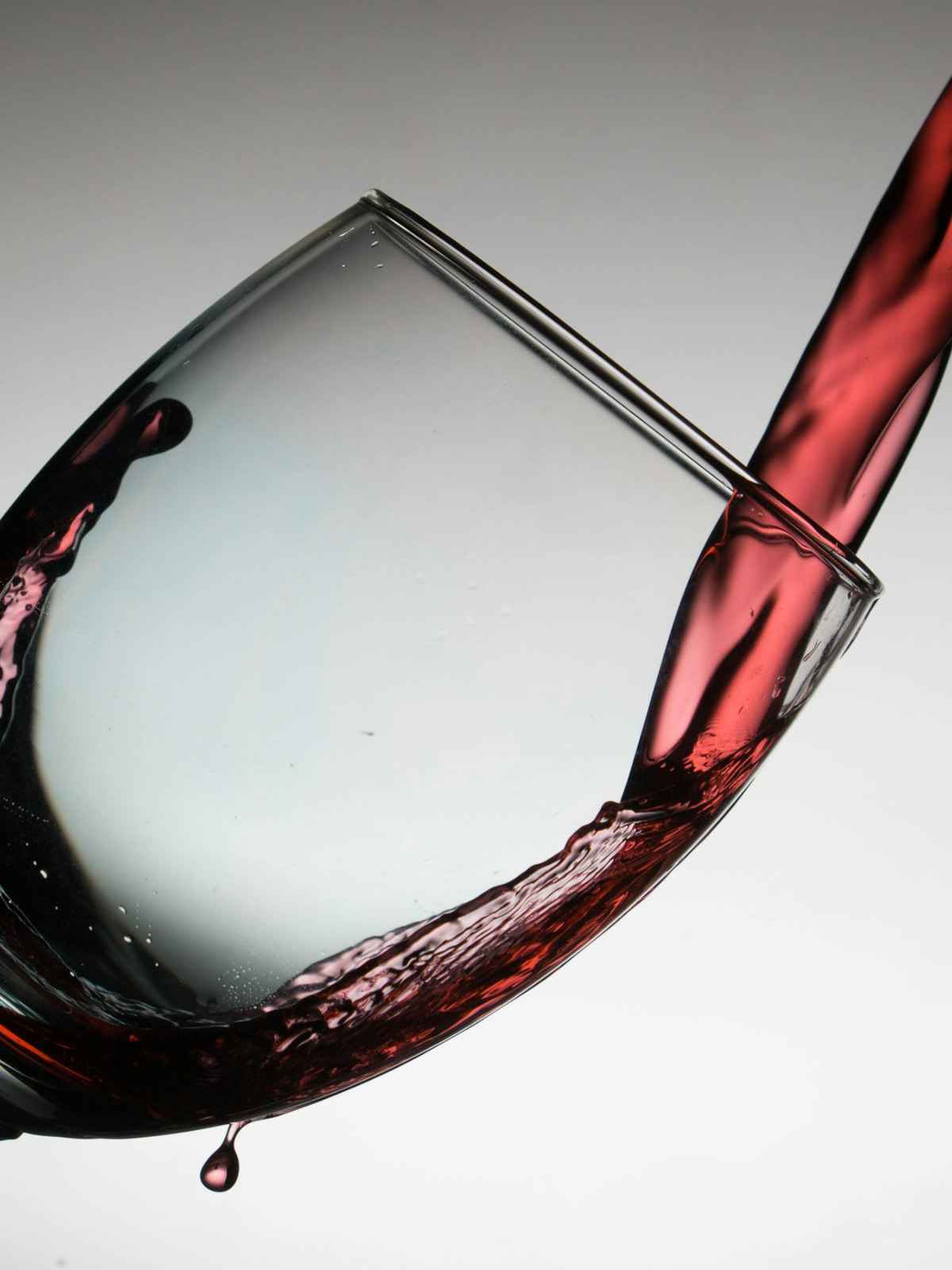
The Complete Guide to Pinot Noir: Taste, Profile, and Pairings
This post contains affiliate links. If you click through and make a purchase, I may earn a small commission at no extra cost to you. As an Amazon Associate I earn from qualifying purchases.
In the wine world, Pinot Noir wine grapes are affectionately known as the “heartbreak grape.” They are notoriously difficult to grow, demanding specific climates, delicate handling, and constant attention. But when cultivated with intention, they produce what is arguably the most elegant, nuanced, and romantic wine in the world.
At Luxury Infusion, we believe that true luxury isn’t about the price tag, it’s about the intentionality behind what you consume. Pinot Noir is the embodiment of that philosophy. Whether you are pouring a glass for a quiet Tuesday night dinner or hosting an elevated weekend gathering, understanding this delicate grape will instantly upgrade your wine experience.
With a WSET Level 1 Award in Wines, I often recommend Pinot Noir as the ultimate “bridge” wine. It has the complexity to satisfy seasoned collectors, yet it lacks the harsh, mouth-drying tannins that often intimidate newcomers to red wine.
If you’re completely new to wine, you might want to start with our guide on where to start before Pinot Noir: Pinot is approachable but knowing your palate first helps.
What Is Pinot Noir?
Pinot Noir is a light-bodied, dry red wine known for its bright red fruit flavors, high acidity, and exceptionally smooth finish. Made from the thin-skinned Pinot Noir grape, it is highly sensitive to its growing environment (known as terroir), resulting in an elegant, complex wine that pairs beautifully with a wider variety of foods than almost any other red wine.
Whether you are trying to understand its flavor profile, wondering what to serve it with, or just trying to decide if it’s the right bottle to bring to a dinner party, this guide covers everything you need to know about the heartbreak grape.
What Does Pinot Noir Taste Like? (Flavor Profile)
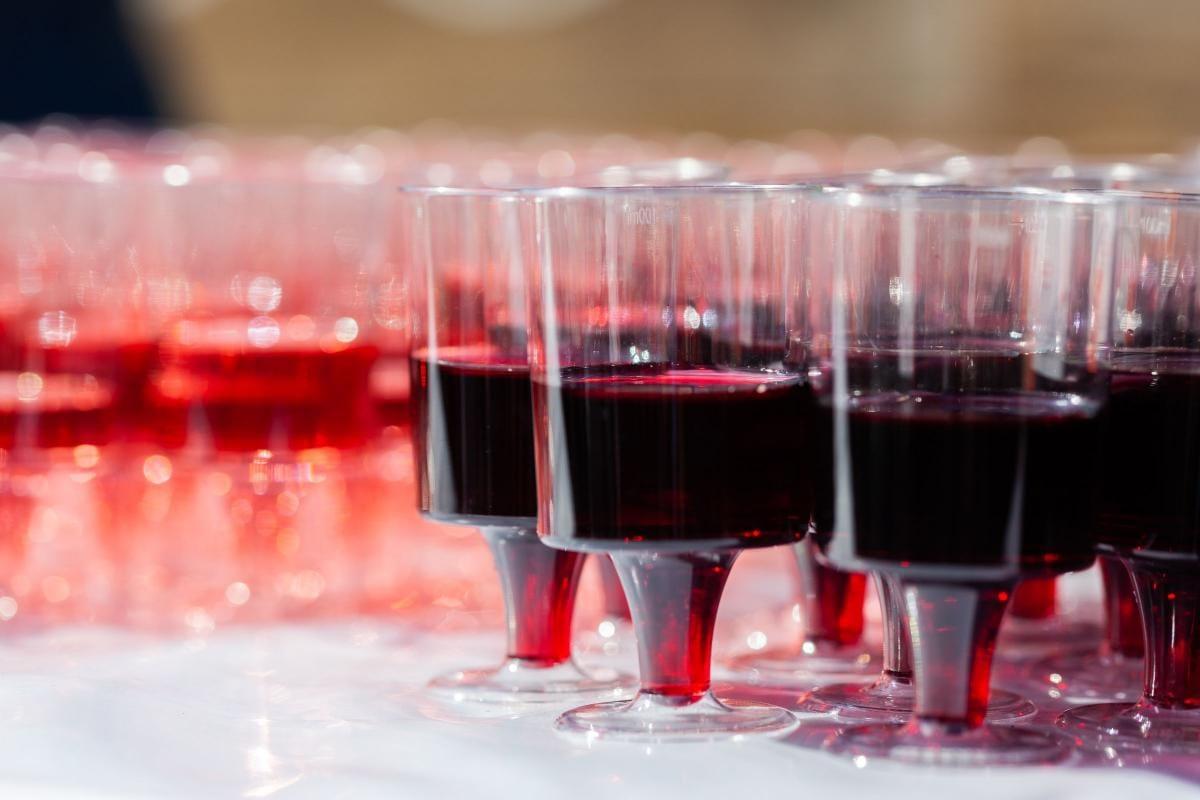
Pinot Noir is one of the most versatile wines for food pairing in the entire red wine category. Its combination of bright acidity, light body, and low tannins allows it to complement proteins and flavors that would overwhelm heavier reds.
Roasted Chicken and Turkey
Roasted poultry is the classic Pinot Noir pairing for good reason. The wine’s acidity cuts through the richness of the skin and the pan drippings, while its red fruit flavors complement the savory, slightly caramelized notes of well-roasted chicken or turkey. A Burgundy-style Pinot Noir alongside a Sunday roast chicken is genuinely one of the great pleasures of the wine world. This pairing is also forgiving: whether you are making a simple weeknight roast or a holiday centerpiece, the wine elevates the experience without demanding anything complicated from the cook.
Salmon and Fatty Fish
Pinot Noir’s most surprising and celebrated pairing is with salmon. This is one of the very few red wines that pairs successfully with fish, and the reason is structural. The omega-3 fatty acids in salmon have a richness that can actually stand up to light tannins, and Pinot Noir’s acidity acts like a squeeze of lemon, brightening the entire dish. Grilled or pan-seared salmon with a pinch of herbs and a glass of cool-climate Pinot Noir is a combination that consistently surprises and delights guests who assumed red wine and fish were incompatible.
Mushroom Risotto and Truffles
The earthy, forest-floor secondary notes in Pinot Noir create a natural harmony with mushroom-based dishes. Mushroom risotto, wild mushroom pasta, and truffle-infused preparations all find a beautiful echo in the wine’s terroir-driven complexity. This is sometimes described as a mirror pairing: the earthy qualities in the food and the earthy qualities in the wine reflect and amplify each other. If you want to impress a wine-educated guest, serving a thoughtful Pinot Noir alongside a truffle risotto is an elegant and sophisticated choice.
What to Avoid
Pinot Noir’s delicate structure is its greatest asset, but also a limitation to respect. Avoid pairing it with heavily marbled steaks or thick cuts of beef. The wine simply lacks the tannin structure to cut through that much fat and protein, and the beef flavors will overwhelm the wine completely. Similarly, spicy barbecue sauces and highly seasoned, heat-forward dishes will clash with Pinot Noir’s bright acidity rather than complement it. For grilled meats and spicy foods, reach for a fuller-bodied Zinfandel or a Syrah instead.
How to Serve and Store Pinot Noir
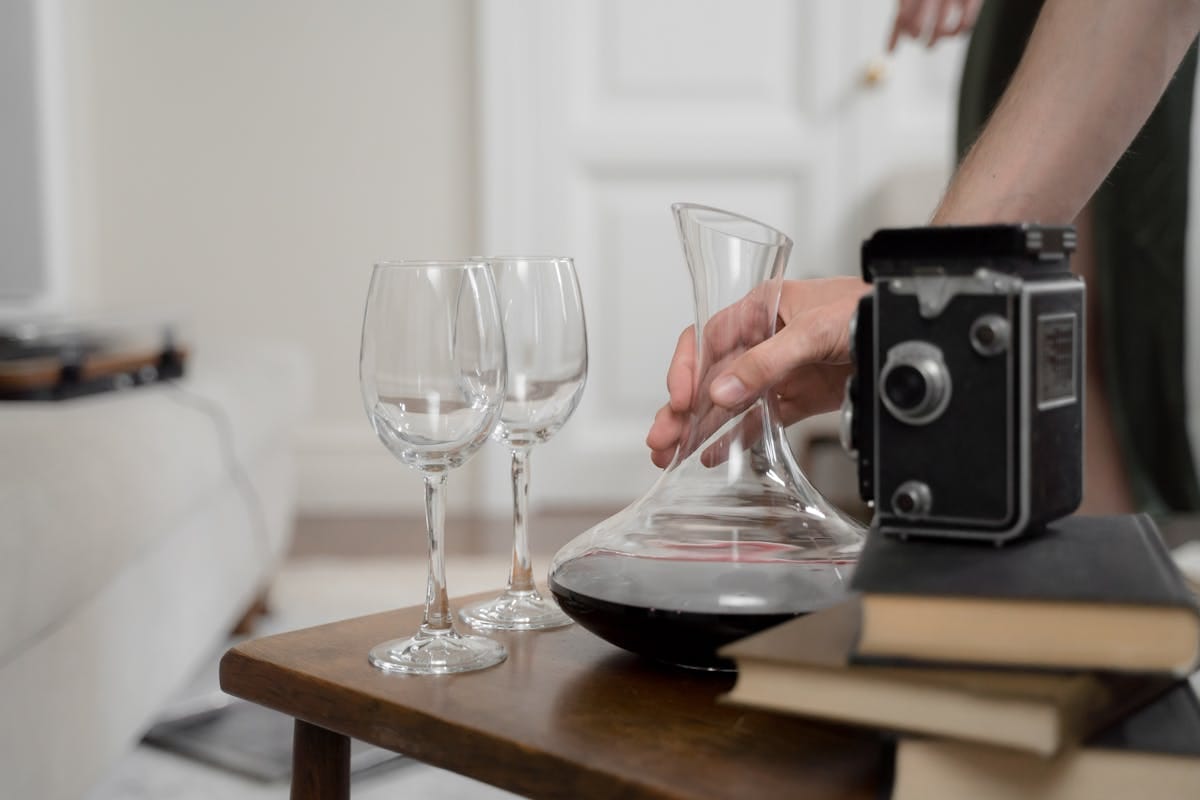
Even a great bottle of Pinot Noir can underperform if it is served incorrectly. The serving and storage details for this grape are more specific than for most reds, and getting them right makes a noticeable difference in the glass.
Serving Temperature: 55-60 Degrees Fahrenheit (13-15 Degrees Celsius)
Pinot Noir should be served slightly chilled, ideally between 55 degrees Fahrenheit and 60 degrees Fahrenheit (13 to 15 degrees Celsius). This is cooler than most people serve red wine, which typically sits at room temperature around 68 to 72 degrees. Serving Pinot Noir too warm mutes its bright acidity and red fruit character, making it taste flat and jammy. The quick fix: place the bottle in the refrigerator for 20 to 30 minutes before serving. You will notice an immediate improvement in freshness and vibrancy.
Glassware: The Burgundy Glass
Use a Burgundy-style wine glass, which features a wide, balloon-shaped bowl that tapers gently toward the rim. This shape serves two purposes. First, the wide bowl allows the wine’s complex aromas to collect and concentrate, making every sniff more expressive and informative. Second, the tapered rim directs the wine to the tip of the tongue, where sweetness and fruit are perceived first, maximizing the impression of Pinot Noir’s beautiful red fruit.
Avoid using a standard narrow red wine glass, which is better suited to Cabernet Sauvignon. The difference in your tasting experience between the right and wrong glass is genuinely significant.
Decanting: Rarely Needed
Unlike Cabernet Sauvignon, which almost always benefits from at least 30 minutes in a decanter, Pinot Noir rarely needs decanting. Its light tannins mean there is very little to soften through aeration, and its aromatic complexity is best preserved by minimizing excessive oxygen exposure. Young, fruit-forward Pinot Noirs can be poured directly from the bottle. The one exception: if you are opening an older, aged Burgundy, a brief 15-minute decant can help clear any sediment and allow the wine to breathe gently after years in the bottle.
However, if you do have an older bottle that could use a brief rest, a wine decanter with a wide base is the best tool: pour gently and let it sit for no more than 15 minutes to preserve Pinot Noir’s delicate aromatics.
Storage Tips
For short-term storage of bottles you plan to drink within a few months, keep Pinot Noir on its side in a cool, dark location at a consistent 55 degrees Fahrenheit. Consistency is more important than hitting a perfect number: temperature fluctuations are far more damaging to wine than a slightly warmer or cooler baseline. Avoid storing wine near windows, heating vents, or appliances that cycle on and off. For long-term aging of premium Burgundies, a purpose-built wine refrigerator or a professional storage facility is the appropriate choice.
Pinot Noir Wine Grapes: Regions to Know
Understanding where Pinot Noir wine grapes thrive helps you navigate wine lists with genuine confidence. The grape is extraordinarily site-sensitive, meaning the same variety can taste dramatically different depending on where it is grown.
Burgundy, France, is the ancestral home of Pinot Noir and remains the global benchmark for these extraordinary pinot noir wine grapes. The Cote de Nuits, which includes famous appellations like Gevrey-Chambertin, Chambolle-Musigny, and Vosne-Romanee, produces the world’s most sought-after Pinot Noirs. These wines are marked by extraordinary complexity, terroir expressiveness, and aging potential. They are also expensive, reflecting both the prestige of the appellation and the extremely limited production of each vineyard. For more on Burgundy’s wine regions, visit Wine Folly’s guide to Burgundy.
Oregon’s Willamette Valley has emerged as one of the world’s premier regions for pinot noir wine grapes over the past four decades. The cool, maritime climate produces wines with a Burgundian sensibility: restrained fruit, high acidity, and earthy complexity, but at prices that are generally more accessible. Producers like Domaine Drouhin Oregon and Ponzi Vineyards are internationally recognized for the quality of their expressions. You can explore Oregon wine country further at Travel Oregon Wine.
California’s Sonoma Coast and Santa Barbara County produce more fruit-forward, expressive styles compared to Oregon, reflecting the slightly warmer and sunnier conditions. These wines often show riper cherry and strawberry alongside the characteristic Pinot Noir earthiness, making them a great middle ground for drinkers transitioning from bold California reds toward Burgundian styles.
New Zealand’s Central Otago produces some of the most distinctive pinot noir wine grapes, the world’s southernmost wine region, produces intensely concentrated and aromatic Pinot Noir with a distinctive spice character. The extreme diurnal temperature swings in the high-altitude Otago basin preserve acidity while allowing full ripeness, resulting in wines that are both powerful and elegant.
Shop the Post
Affiliate links. We may earn commission.
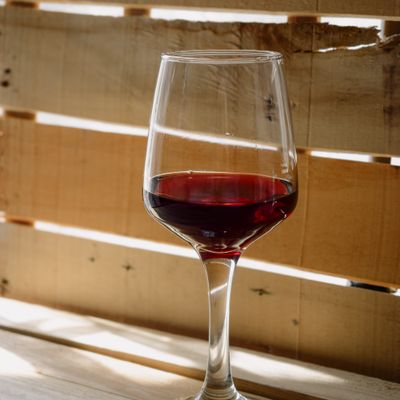
Crystal Red Wine Glasses, Set of 4
Four 15 oz hand blown crystal glasses.
View on Amazon →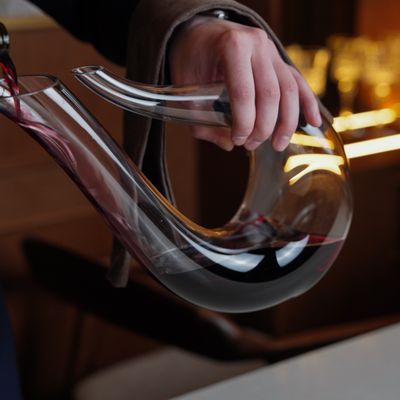
Le Chateau Crystal Wine Decanter
Hand blown lead free crystal, 750 ml capacity.
View on Amazon →
Vacu Vin Wine Saver Pump
Vacuum pump and stopper for resealing open bottles.
View on Amazon →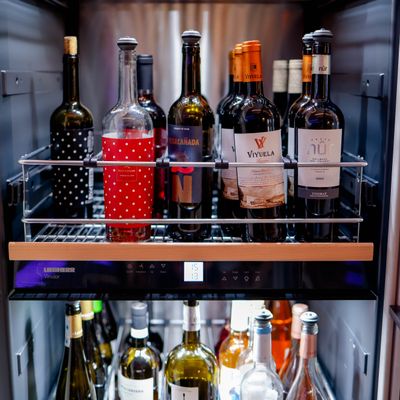
Ivation 12 Bottle Compressor Wine Fridge
Compressor wine cooler that holds 12 bottles.
View on Amazon →Frequently Asked Questions
Is Pinot Noir sweet or dry?
Pinot Noir is a dry red wine. While it is bursting with sweet-smelling red fruit flavors like cherry and raspberry, the wine itself contains virtually no residual sugar. Its bright acidity gives it a crisp, tart finish rather than a sweet one.
Should you chill Pinot Noir?
Yes, Pinot Noir should be served slightly chilled, ideally between 55 degrees Fahrenheit and 60 degrees Fahrenheit (13 degrees Celsius to 15 degrees Celsius). Placing the bottle in the refrigerator for about 30 minutes before serving will enhance its crisp red fruit flavors and bright acidity.
Why is Pinot Noir so expensive?
Pinot Noir is often more expensive because the grape is notoriously difficult to grow. It has a very thin skin, making it susceptible to rot, disease, and temperature fluctuations. This requires intensive, hands-on vineyard management, which drives up the cost of production.
What is the difference between Old World and New World Pinot Noir?
Old World Pinot Noir, particularly from Burgundy, tends to be more restrained, earthy, and terroir-driven, with higher acidity and lower alcohol. New World Pinot Noir from Oregon, California, and New Zealand tends to be more fruit-forward, riper in flavor, and slightly fuller in body. Neither style is superior; they simply reflect different winemaking philosophies and climates. Your preference often depends on whether you lean toward elegance and complexity or toward fruit expression and immediacy.
How long does Pinot Noir last after opening?
An opened bottle of Pinot Noir will remain enjoyable for two to three days when stored with a stopper in the refrigerator. Remove it about 20 minutes before serving to allow it to return to the correct temperature. The high acidity in Pinot Noir actually helps preserve it slightly longer than lower-acid reds once open.
Ready to curate your perfect wine collection? Download The Luxe Living Starter Guide for essential wine basics and elevated everyday habits.
Continue Exploring Luxury
Everything you need for wine, food and entertaining, in one place.
📖 Get the Free Luxe Living Starter Guide