Types of White Wine Grapes: 12 Varieties Every Wine Lover Should Know
This post contains affiliate links. If you click through and make a purchase, I may earn a small commission at no extra cost to you. I only recommend products and services I personally use and trust.
More than 1,300 white wine grape varieties grow somewhere in the world, yet a dozen of them account for most of the bottles stacked on retail shelves and restaurant wine lists. Whether you are reaching for a crisp Sauvignon Blanc on a hot afternoon, swirling an aged Chardonnay at a dinner party, or exploring a bottle of Gruner Veltliner for the first time, knowing the grape behind the wine transforms every sip from a guess into an informed experience. The Wine Spectator provides excellent resources on grape varieties worldwide.
This guide introduces you to the 12 most important types of white wine grapes, explains what each one tastes like, where it comes from, and exactly what to eat alongside it. By the time you finish reading, choosing the right white wine will feel natural rather than overwhelming.
What Makes White Wine Grapes Different
That acidity is what keeps a glass of Riesling lively on the palate rather than flat, and it is also what makes white wines such reliable partners for seafood, poultry, and vegetable-forward dishes. White grapes also cover an unusually wide aromatic range, from the grassy, herbaceous notes of Sauvignon Blanc to the floral, perfumed intensity of Gewurztraminer. Understanding that range is the first step toward building a wine vocabulary you can actually use. Learning about types of white wine grapes expands your wine knowledge significantly.
White grapes are not simply “red grapes without color.” The most important technical difference lies in how winemakers handle the skins. With white wines, juice is pressed away from grape skins almost immediately, which limits tannin extraction and produces the lighter, cleaner styles most people expect. Red wines, by contrast, ferment in contact with skins for days or even weeks. Beyond winemaking technique, white grape varieties tend to favor cooler climates where they can retain refreshing natural acidity.
The 12 Most Important White Wine Grape Varieties
1. Chardonnay
Chardonnay is the most widely planted white grape on earth, and for good reason: it grows almost anywhere and accepts winemaker influence better than any other variety. Unoaked versions from Chablis or cool-climate regions deliver clean apple and lemon flavors with sharp mineral edges. Barrel-fermented, full-bodied examples from California and the Burgundy Cote d’Or layer in butter, vanilla, and toasted hazelnut. The flavor range is genuinely vast, which is why two people can disagree about whether they “like Chardonnay” and both be correct. Chardonnay pairs beautifully with roast chicken, buttery pasta, lobster, and aged hard cheeses. Look for it in virtually every wine-producing country. To explore dry white wine types beyond Chardonnay, you will find this grape a reliable benchmark for comparison. Learning about types of white wine grapes expands your wine knowledge significantly.
2. Sauvignon Blanc
Sauvignon Blanc is the white grape of first impressions. Its characteristic aromas of cut grass, grapefruit, green bell pepper, and gooseberry are immediately recognizable, particularly in the Marlborough region of New Zealand, which turned this variety into a global phenomenon. Loire Valley expressions from Sancerre and Pouilly-Fume lean toward flinty minerality and subtle smoke. Warmer-climate versions from California or Chile tend toward rounder tropical fruit with less aggressive herbal edge. Because Sauvignon Blanc almost always ferments in stainless steel, it retains its raw energy and freshness. It excels alongside seafood, green salads, goat cheese, and herb-roasted vegetables. Understanding how this grape behaves across climates is a great entry point into the broader world of wine and culinary pairing. Learning about types of white wine grapes expands your wine knowledge significantly.
3. Riesling
Riesling is arguably the most complex white grape in the world. Germany’s Mosel Valley produces ethereally light versions with piercing acidity and barely 8 percent alcohol, while Alsace and Austria’s Wachau region make richer, drier interpretations that can age for decades. The grape expresses terroir with unusual transparency, reflecting site, vintage, and altitude in a way few others can match. Riesling’s signature petrol note, which emerges after years in bottle, is prized rather than feared by enthusiasts. It ranges from bone-dry to lusciously sweet, making it among the most versatile grapes for wine pairing. Riesling shines with spicy Asian cuisines, cured pork, freshwater fish, and blue cheese. For a closer look at how Riesling stacks up against similar aromatic varieties, see the Gewurztraminer vs Riesling comparison. Learning about types of white wine grapes expands your wine knowledge significantly.
4. Pinot Grigio / Pinot Gris
The same grape travels under two names depending on where it is made, and the stylistic difference between them is significant. Italian Pinot Grigio, especially from the Veneto and Friuli regions, tends to be light, crisp, and neutral with citrus and pear notes, designed to be drunk young and with food. Alsatian Pinot Gris from France is a different creature entirely: richer, more textured, with honeyed stone fruit, smoke, and occasionally enough residual sugar to complement foie gras or spiced duck. Oregon and New Zealand make Pinot Gris that sits stylistically between the two traditions. Both versions pair well with mild fish, risotto, and soft cheeses. If you find yourself choosing between the lighter Italian style and its fuller French counterpart, the decision comes down to occasion and food context. Learning about types of white wine grapes expands your wine knowledge significantly.
5. Gewurztraminer
No white grape is more immediately distinctive than Gewurztraminer. Its rose petal, lychee, ginger, and spice aromas are so powerful they can fill a room before the glass reaches your lips. Alsace, France, is its spiritual home, where winemakers produce both dry and late-harvest versions of real depth. The grape’s high natural sugar and relatively low acidity mean it can feel heady and rich, but when made well it achieves an intoxicating balance that few other whites can claim. Gewurztraminer is one of the rare whites that stands up to heavily spiced food: Indian curries, Thai takeaway, Moroccan tagines, and Chinese five-spice preparations all find a willing partner here. The Gewurztraminer vs Riesling guide explores how these two aromatic Alsatian heavyweights differ in practice. Exploring types of white wine grapes helps you understand flavor profiles and food pairings.
6. Chenin Blanc
Chenin Blanc is one of the most underrated white grapes on the planet. In France’s Loire Valley, the Vouvray and Savennieres appellations have been coaxing extraordinary wines from this variety for centuries. South Africa, where it is known as “Steen,” has embraced it so thoroughly that the country grows more Chenin Blanc than anywhere else. The grape’s hallmark is high natural acidity, which allows it to age remarkably well in both dry and sweet styles. Dry versions carry honey, quince, chamomile, and waxy texture; sweet versions like Quarts de Chaume can rival Sauternes in complexity. Chenin Blanc pairs well with roasted pork, aged gouda, butternut squash, and richly spiced stews. Given its price-to-quality ratio, it remains one of the best discoveries for adventurous white wine drinkers. Exploring types of white wine grapes helps you understand flavor profiles and food pairings.
7. Albarino
Albarino is the white grape of the Galician coast in northwestern Spain, where the Atlantic Ocean shapes everything about how wine is made and consumed. The grape produces wines with vivid acidity, moderate alcohol, and a distinctive peachy-citrus character underlined by saline, almost briny minerality. Portugal’s Minho region makes the same grape under the name Alvarinho as part of the Vinho Verde blend. Albarino’s natural affinity for shellfish is practically built into its coastal DNA: grilled clams, percebes, gambas al ajillo, and any kind of fresh seafood are its natural partners. It also works beautifully as an aperitif, particularly in warm weather. For a broader look at how geography shapes white wine style, the wine and culinary section covers regional pairing traditions in more depth. Exploring types of white wine grapes helps you understand flavor profiles and food pairings.
8. Viognier
Viognier was once nearly extinct, grown on just a few hectares of the steep Condrieu appellation on the northern Rhone before California and Australia rescued it from obscurity in the 1980s and 1990s. Its appeal is easy to understand: the grape delivers an explosively aromatic profile of apricot, peach blossom, violet, and tangerine zest, with a full body and low acidity that feels almost viscous on the palate. Because of that low acidity, Viognier is best enjoyed young and well-chilled. It pairs beautifully with rich fish preparations, lobster bisque, chicken in cream sauce, and aromatic spice blends. It is also commonly co-fermented with Syrah in the northern Rhone, adding its floral lift to red wines in small amounts. Viognier rewards anyone who enjoys whites with real presence and weight. Exploring types of white wine grapes helps you understand flavor profiles and food pairings.
9. Gruner Veltliner
Austria’s signature white grape produces wines of remarkable freshness and food-friendliness. Gruner Veltliner is known for a distinctive white pepper spice note that threads through flavors of green herb, citrus zest, and sometimes stone fruit in richer examples. The Wachau, Kamptal, and Kremstal regions produce the finest versions, often from steep terraced vineyards above the Danube. Gruner’s natural acidity and textural precision make it one of the greatest food wines in the world. It handles asparagus, artichokes, and other vegetables that challenge most wines, and it also works brilliantly with schnitzel, white fish, and fresh chevre. If you are exploring styles beyond the usual suspects, Gruner Veltliner offers consistent quality and outstanding value. Check how it relates to sugar levels in white versus red wine to better understand its dry, refreshing profile.
10. Muscat / Moscato
Muscat is one of the oldest grape families in existence, and its calling card is the most direct expression of fresh grape flavor in all of winemaking. While most grapes lose their “grapey” taste during fermentation, Muscat wines retain it in spades, combining it with orange blossom, honey, and rose water aromas that are immediately recognizable. The family includes many sub-varieties: Moscato d’Asti from Piedmont is lightly sparkling and delicately sweet; Muscat de Beaumes-de-Venise from the southern Rhone is a rich, fortified dessert wine; dry Muscats from Alsace are bone-dry and heady. Moscato’s lower alcohol and gentle sweetness make it an entry point for new wine drinkers. For more guidance on sweet options, the best sweet wines for beginners guide covers this and similar varieties in detail.
11. Semillon
Semillon occupies two very different roles in white wine. In Bordeaux, it forms the backbone of Sauternes, the great sweet wine of the world, where botrytis fungus concentrates its sugars into liquid gold. In Australia’s Hunter Valley, it produces something entirely different: bone-dry, low-alcohol wines that are deceptively austere when young but transform after a decade in bottle into extraordinary toasty, honeyed, nutty examples with no parallel in the wine world. Blended with Sauvignon Blanc in both Bordeaux and Australia, Semillon adds weight, texture, and longevity that Sauvignon alone cannot achieve. Its waxy texture and lanolin character are an acquired taste for some, but those who discover aged Hunter Valley Semillon tend to become devoted fans. It pairs well with rich shellfish, sauteed foie gras, and aged soft cheeses.
12. Vermentino
Vermentino is the white grape of the Mediterranean coast, grown across Sardinia, Corsica, and the Ligurian Riviera, and it carries the sea air in every glass. The variety produces wines with lively citrus acidity, bitter almond finish, and flavors of white peach, fennel, and saline herbs that feel tailor-made for the region’s grilled fish and seafood pasta. Sardinian Vermentino di Gallura, the island’s only DOCG white wine, can reach surprising richness and complexity. In lighter styles from Corsica, it is refreshing and aromatic, best drunk chilled as an aperitif overlooking the water. Vermentino has also found enthusiastic producers in California and Australia, where the Mediterranean model is replicated in warmer coastal zones. It is one of the most satisfying discoveries for anyone who loves wines that genuinely reflect where they come from.
How to Pick the Right White Wine Grape for Your Taste
Choosing the right white wine grape does not require a sommelier certificate. It requires four honest answers about what you like. The first question is sweetness: do you prefer bone-dry wines or something with a touch of residual sugar? Dry lovers should look at Sauvignon Blanc, Gruner Veltliner, Albarino, and unoaked Chardonnay. Those who enjoy a hint of sweetness will be happiest with Riesling (Spatlese or Auslese level), off-dry Chenin Blanc, or Moscato d’Asti.
The second question is body: light and refreshing or full and weighty? Light whites include Pinot Grigio, Albarino, Gruner Veltliner, and Muscadet. Full-bodied whites include oaked Chardonnay, Viognier, and white Burgundy. The third question is aroma intensity: do you love wines that fill the room, or do you prefer something subtle? Gewurztraminer, Viognier, and Muscat are the showoffs; Chablis Chardonnay and Pinot Grigio are the minimalists.
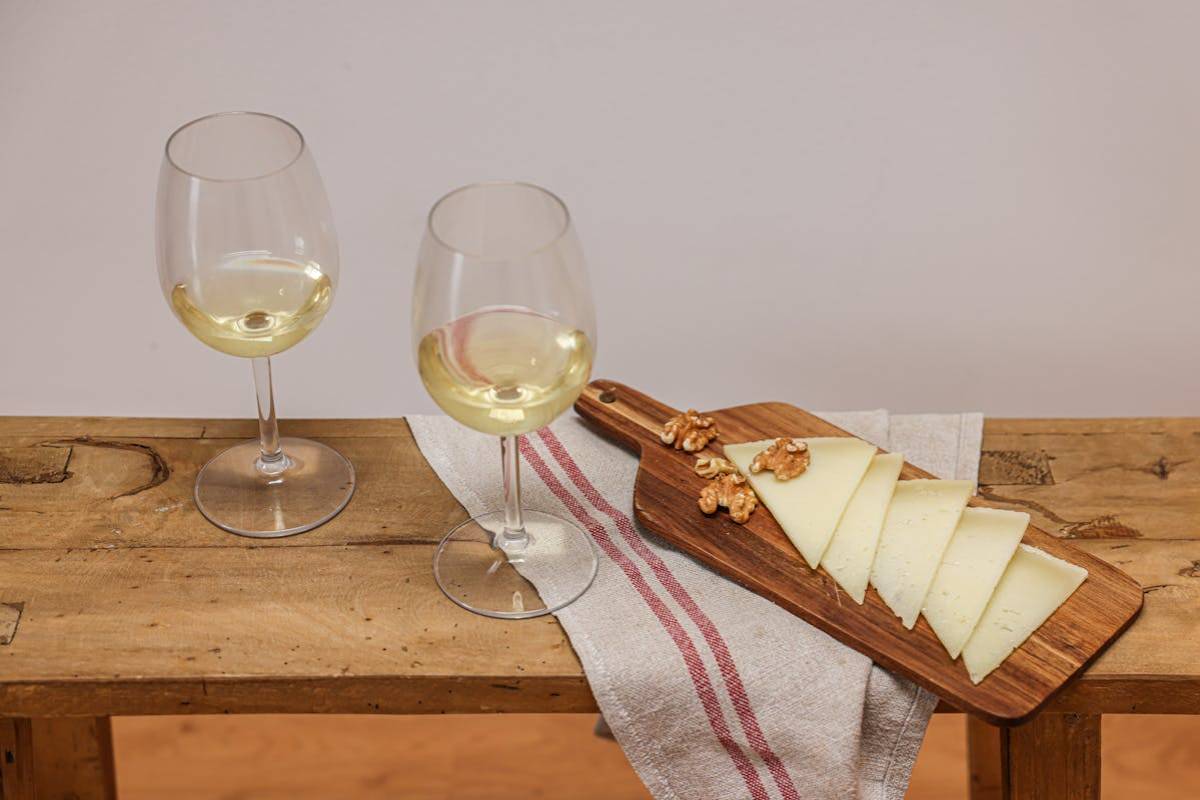
White wine is best enjoyed in the right glass: a set of white wine glasses showcases the delicate aromatics of varieties like Riesling and Sauvignon Blanc. To explore these grape varieties further, Wine Folly: The Master Guide is an excellent visual reference for understanding all major white wine styles.
The fourth question is food context. Delicate seafood calls for Albarino, Gruner Veltliner, or Muscadet. Rich, creamy dishes prefer Chardonnay or Viognier. Spiced food loves Gewurztraminer or off-dry Riesling. Aged cheeses work brilliantly with Sauternes Semillon or Alsatian Pinot Gris. When in doubt, Sauvignon Blanc is the most reliably food-friendly white in the range. For a deeper look at food and wine relationships, explore the complete wine pairing guide on this site.
Shop the Post
Affiliate links. We may earn commission.
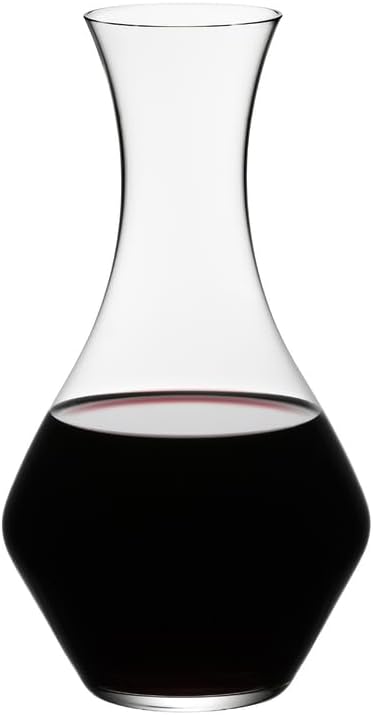
Riedel Cabernet Wine Decanter
Classic shape that opens up reds in 20 minutes
$65View on Amazon →
Riedel Vinum Pinot Noir Glasses, Set of 2
The Burgundy-style glass for delicate reds
$85View on Amazon →
Vinturi Essential Red Wine Aerator
Instant decanting in a single pour
$33View on Amazon →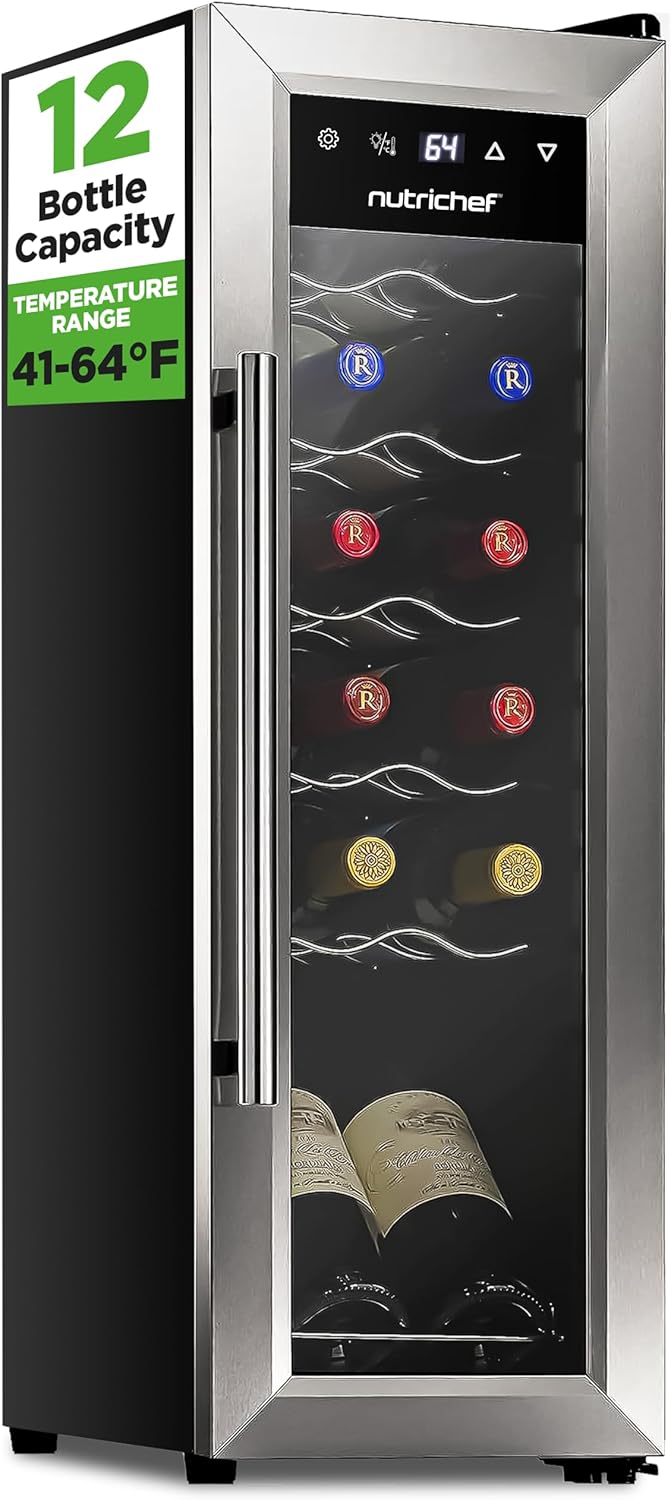
Nutrichef 12-Bottle Wine Fridge
Compact dual-zone storage at cellar temperature
$275View on Amazon →
Wine Folly: The Master Guide
The visual reference for every wine lover
$19View on Amazon →
The World Atlas of Wine, 8th Edition
Hugh Johnson and Jancis Robinson\'s definitive atlas
$38View on Amazon →Frequently Asked Questions About White Wine Grapes
What is the difference between Pinot Grigio and Pinot Gris?
Pinot Grigio and Pinot Gris are the same grape variety, but the name used signals the style you should expect. Pinot Grigio is the Italian name and points toward a light, crisp, neutral wine from northern Italy with mild fruit flavors and high acidity. It is a low-commitment, highly drinkable style designed for everyday meals. Pinot Gris, the Alsatian French name, describes a wine that is generally richer, more textured, and more aromatic, with honeyed fruit and sometimes a touch of residual sugar. Oregon’s Willamette Valley also uses “Pinot Gris” to signal its fuller, more expressive take on the variety. When you see the Italian name on a label, expect something lighter; when you see the French name, expect more complexity and weight.
Is Chardonnay always oaky?
No. The oakiness associated with Chardonnay is a winemaking choice, not a feature of the grape itself. Unoaked Chardonnay, fermented in stainless steel with no contact with wood, produces clean, fresh wines with crisp apple, lemon, and sometimes a flinty mineral quality. Chablis, the cool northern Burgundy appellation, is famous precisely for this leaner, unoaked style. The oaked, buttery California Chardonnay style that became so dominant in the 1990s is just one expression of the grape’s possibilities. Today, winemakers around the world produce both styles, and it is increasingly common to see “unoaked” listed on the label. If you have avoided Chardonnay because you dislike butter and vanilla, try a bottle of Chablis or a stainless-steel-fermented version from Chile or South Africa.
Which white wine grape pairs best with seafood?
For most seafood, Albarino is the single best match because its coastal character, saline minerality, and vivid citrus acidity mirror the flavors of the ocean itself. Grilled prawns, clams, oysters, and lightly seasoned white fish all come alive alongside a chilled glass of Albarino. For richer seafood dishes like lobster in cream sauce or crab bisque, a full-bodied Chardonnay or a white Burgundy provides the weight to match. Sauvignon Blanc is the choice for herb-dressed seafood salads, ceviche, and sushi. For smoked salmon or trout, try a dry Riesling whose acidity cuts through the fat beautifully. The wine pairing guide covers seafood matches in further detail if you want a complete reference.
What is a good white wine grape for beginners?
Pinot Grigio is the most welcoming entry point for new white wine drinkers. Its mild flavors, light body, and approachable price point remove most of the barriers that intimidate newcomers. From there, Sauvignon Blanc from New Zealand offers more personality and aromatics without being challenging. For those who prefer a hint of sweetness, Riesling Spatlese from Germany or an Italian Moscato d’Asti provides immediate pleasure. The best sweet wines for beginners guide explores gentle, low-alcohol options in more depth. Oaked Chardonnay tends to divide beginners, so it is worth trying the lighter, unoaked styles first before graduating to richer examples. The key is to try multiple varieties without prejudice and pay attention to what genuinely appeals to your palate rather than what the label says you should enjoy.
Which white wine grape ages the best?
Riesling is widely considered the white grape with the greatest potential for long aging. Top examples from Germany’s Mosel and Rheingau regions, as well as Austria’s Wachau, develop extraordinary complexity over 20 to 40 years, gaining that famous petrol note alongside honey, beeswax, and dried apricot. White Burgundy from premier and grand cru vineyards also ages superbly, with great examples from Puligny-Montrachet and Corton-Charlemagne easily lasting 20 or more years. Hunter Valley Semillon from Australia is one of the most surprising agers in the world, transforming completely between 5 and 15 years of age. Aged Chenin Blanc from Vouvray or Savennieres can also evolve for decades, rewarding patience in the cellar. The relationship between sugar content and wine longevity is relevant here, as higher residual sugar generally helps preserve and protect white wines during extended aging.
Continue Exploring Luxury
Everything you need to elevate your everyday life — in one place.
📖 Get the Free Luxe Living Starter Guide