Heirloom Charcuterie Board: How to Choose One That Lasts
This post contains affiliate links. If you click through and make a purchase, I may earn a small commission at no extra cost to you. As an Amazon Associate I earn from qualifying purchases.
An heirloom charcuterie board is a solid hardwood serving board built well enough to be used for decades and handed down. The best choice is a closed grain hardwood such as maple, beech or walnut, finished with food grade oil, and cared for by hand washing and regular oiling. Bob Vila names hard maple the industry standard for cutting boards, at 1,450 lbf on the Janka hardness scale, and recommends closed grain woods because their small pores resist moisture and stains.
This guide covers which woods last, what to look for in the build, how to care for the board so it stays in the family, and how to set it for a cheese or charcuterie spread.
Best woods for an heirloom charcuterie board
Hardness and grain decide how long a board lasts. Harder wood resists knife marks and dents, and closed grain wood keeps liquid out. The figures below are from Bob Vila’s guide to the best wood for cutting boards, read on 17 November 2026.
| Wood | Janka hardness | Grain | How often to oil | Notes |
|---|---|---|---|---|
| Hard maple | 1,450 lbf | Closed, very small pores | Monthly to every two months | Industry standard; light color shows stains |
| Beech | 1,300 lbf | Closed, small pores | Monthly | Shrinks more than the others |
| Teak | 1,070 lbf | Closed, larger pores | Every three to six months | High silica dulls knives |
| Walnut | 1,010 lbf | Closed, medium pores | Every two to three months | Dark color hides stains |
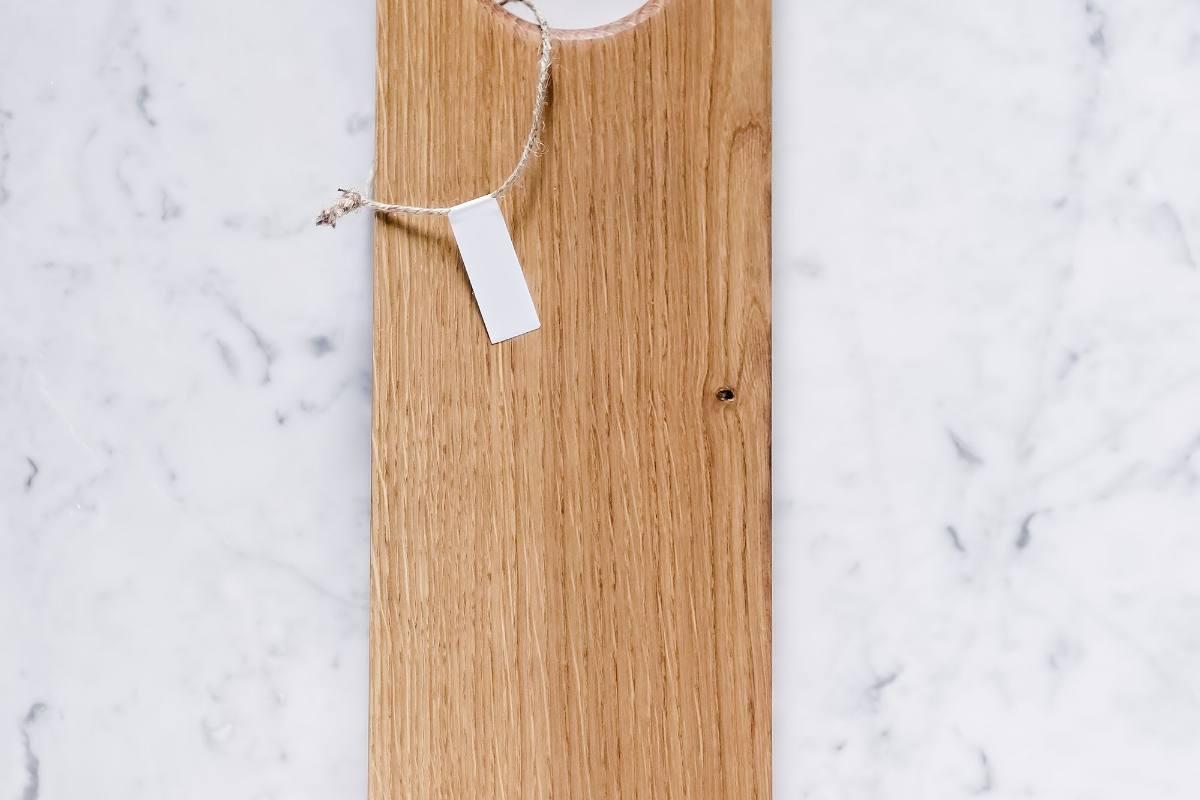
Oak wood looks handsome, but Bob Vila lists oak and ash as poor choices for a cutting surface because their open grain soaks up moisture. An oak board can still work as a dry serving tray for cheese and crackers, but it is not the wood to slice on. The same source advises sticking to woods that produce edible fruit, nuts or sap, and avoiding exotic woods such as purpleheart.
What to look for in the build
- One solid piece or tight glued joints. Check that seams are flush and that there are no gaps where liquid could sit.
- End grain or edge grain. Bob Vila explains that end grain boards are gentler on knives and let minor cuts close up, but cost four to fifteen times more than edge grain boards, which are heavier and more stable.
- A food grade finish. Mineral oil or an oil and beeswax cream, never a varnish you would not want next to food.
- Handles and size that suit how you serve. A paddle handle makes a board easy to carry to the table, and a long board fits a row of cheeses and cured meats.
- Care instructions from the maker. A maker who explains how to oil and clean the board expects it to be used for years.
How to care for a wooden charcuterie board
Care is what turns a good board into an heirloom. John Boos, the cutting board maker, gives these steps for its boards:
- Scrape off food, then wash with a mild soap and water solution and a clean cloth, and wipe again with clean water to remove the soap (John Boos).
- Dry every surface with a clean towel and let the board air dry before oiling.
- Never put a wooden board in the dishwasher, and avoid harsh detergents, which can cause permanent damage and discoloration (John Boos).
- Oil at least once a month with a food grade oil, let it soak in overnight, then wipe off the excess. A dry look means it is time to oil again (John Boos).
- For extra protection, seal with a cream made from beeswax and food grade oil, applied the same way.
- Sand out light scratches with fine 200 grit sandpaper, always with the grain (John Boos).
Do not let raw meat juices or liquids sit on the wood for long. John Boos warns that brine, water and blood soak in and soften the wood and its glued joints, so keep a separate board for raw meat and use the heirloom board for serving.
Setting the board for guests
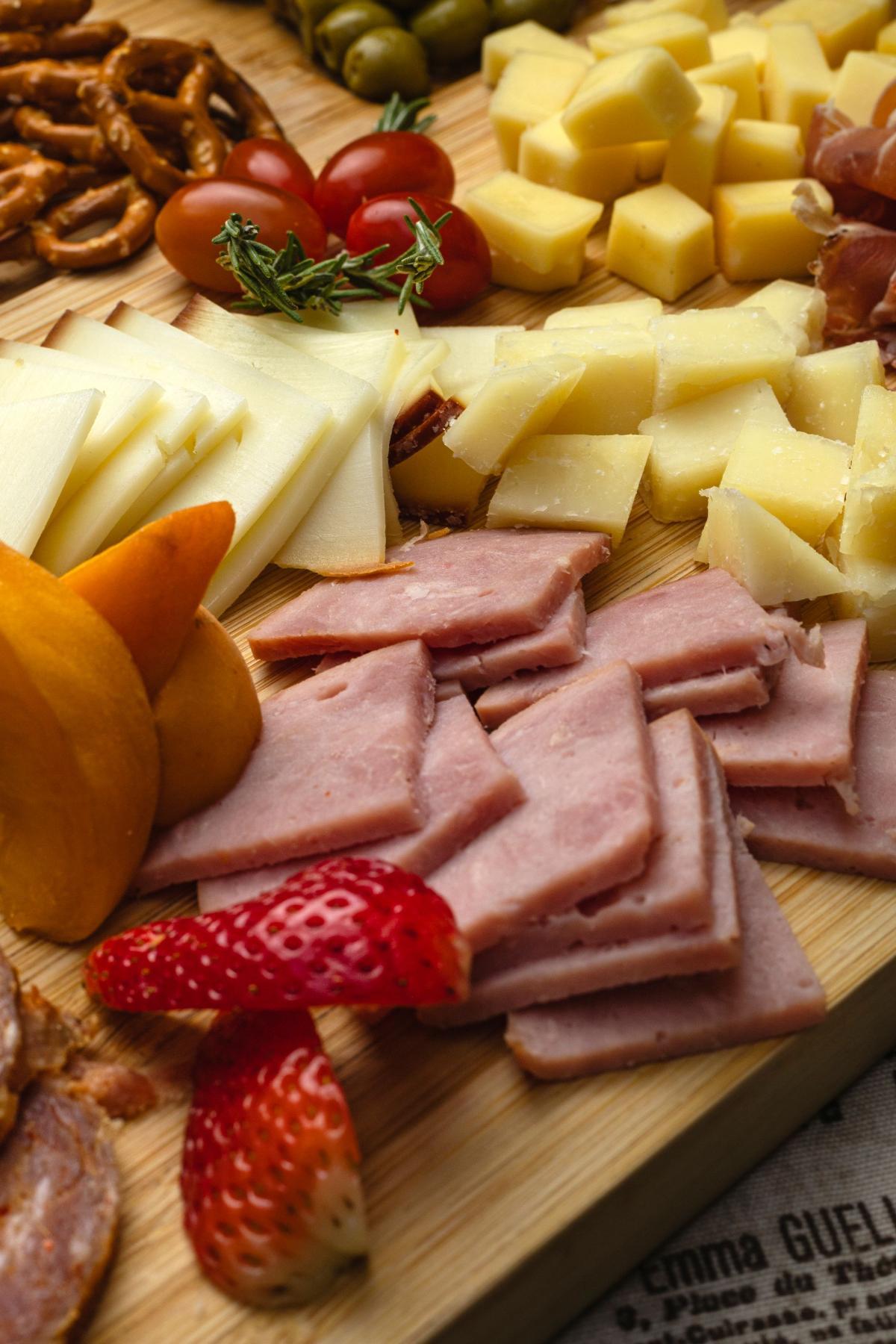
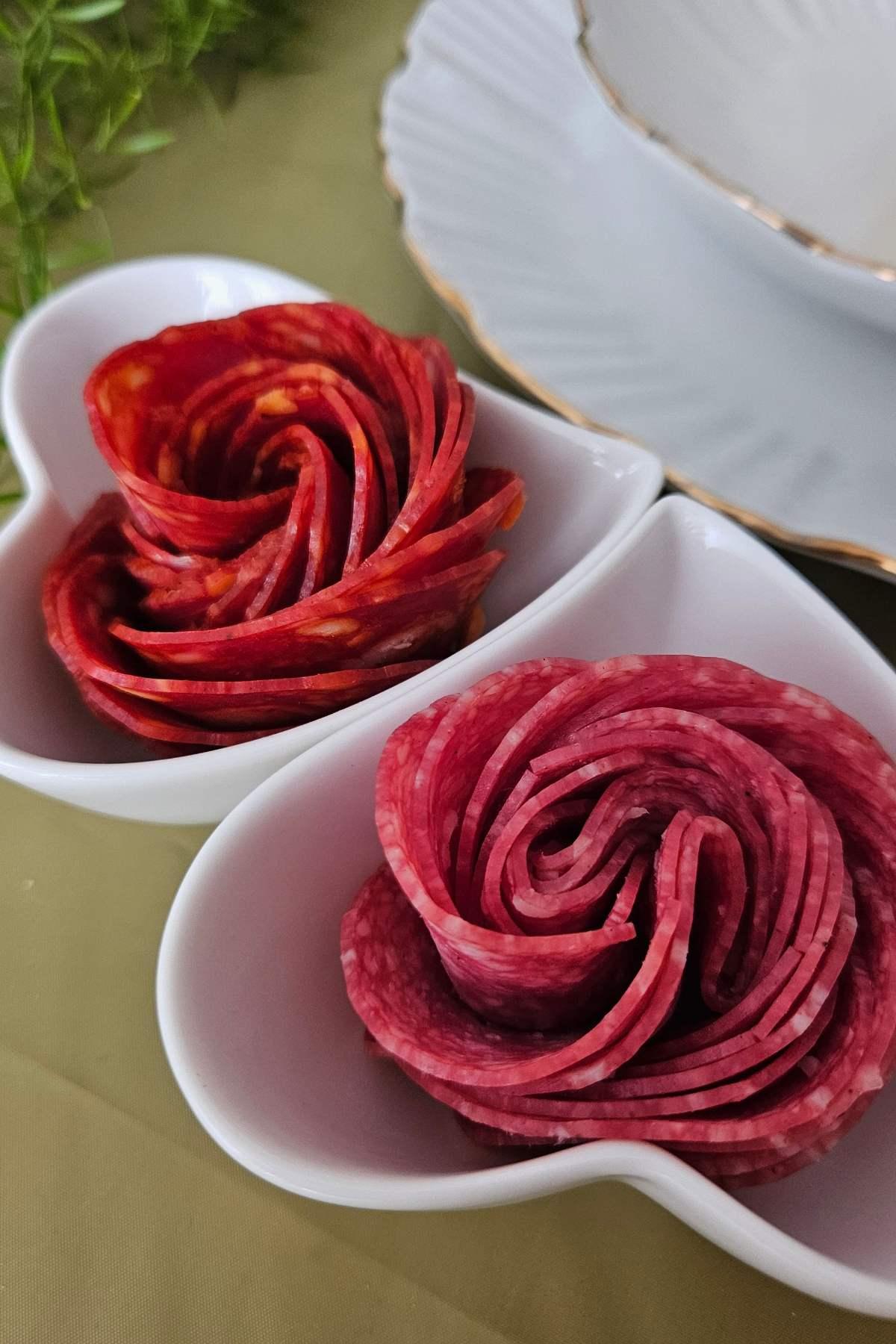
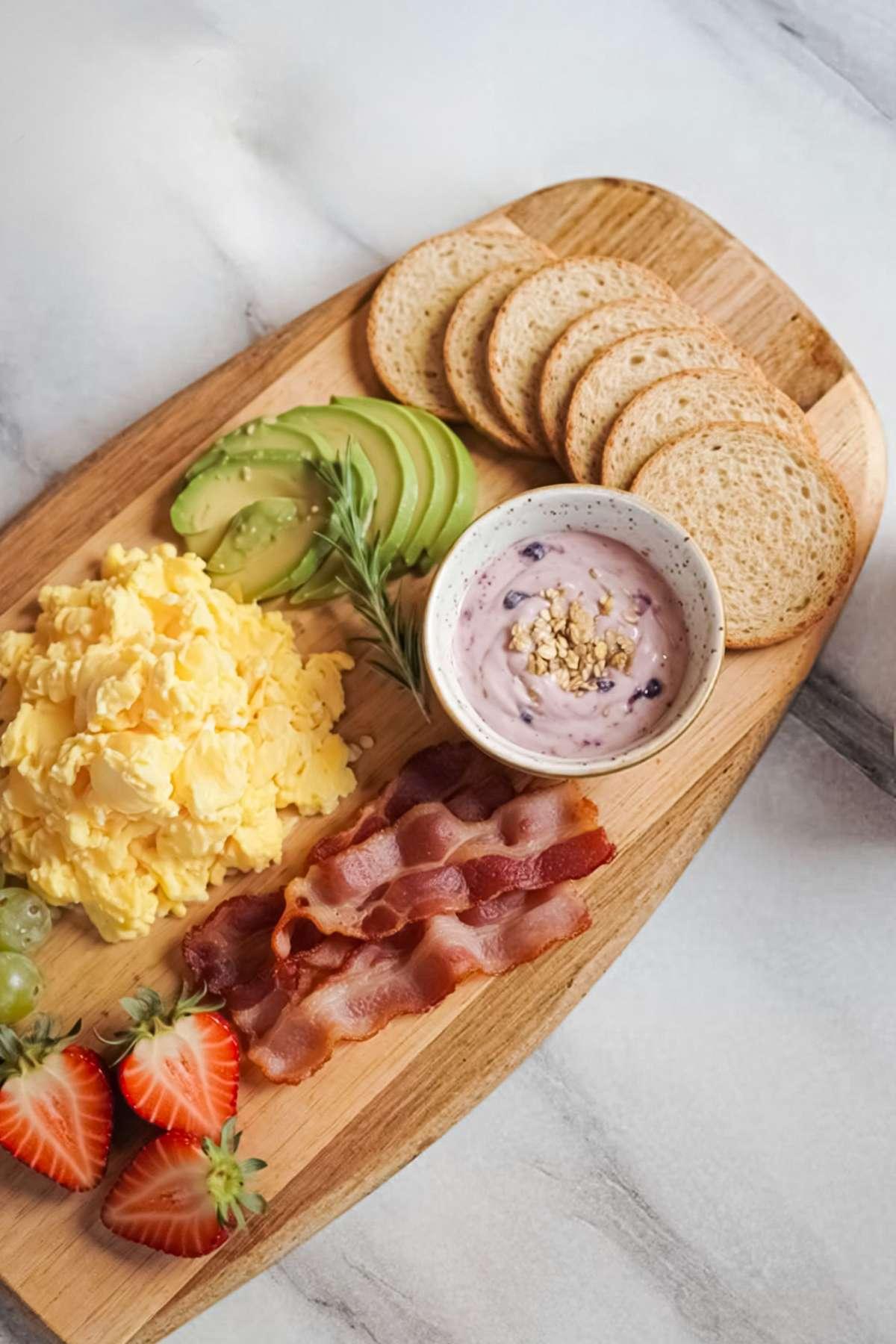
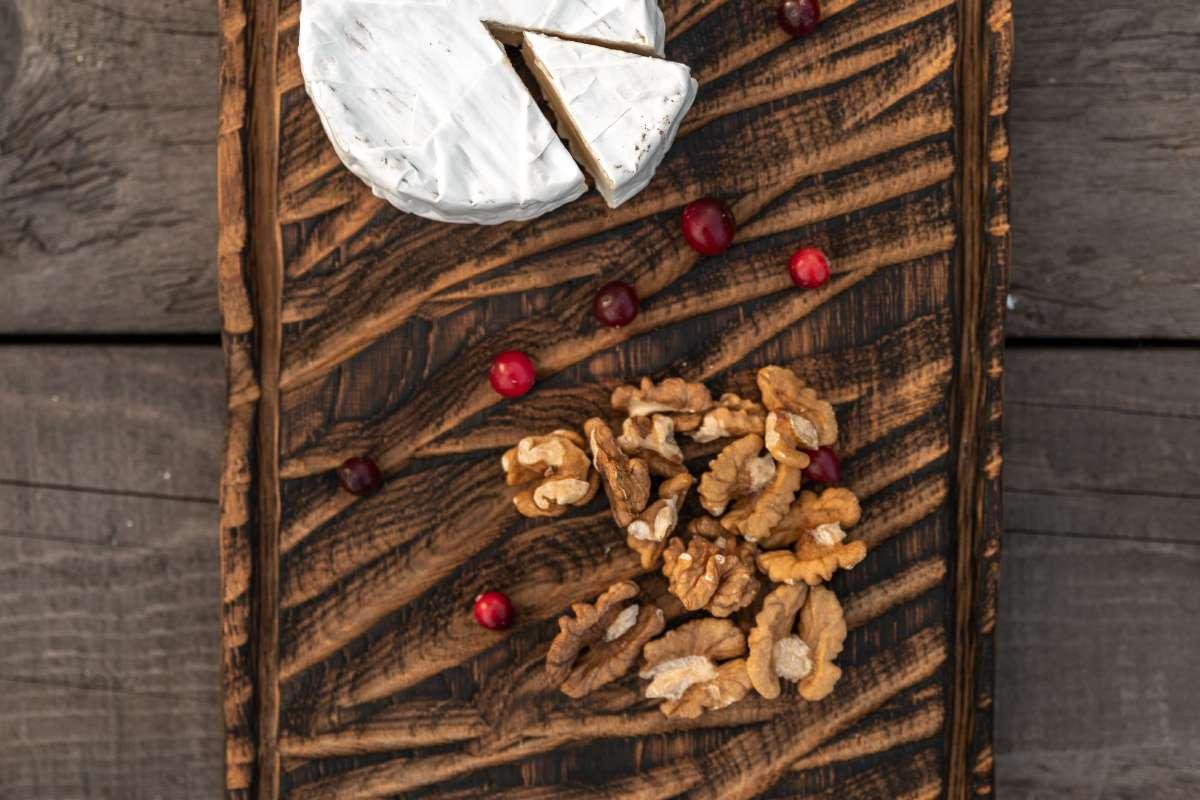
A good board holds three cheeses, two or three cured meats and a few extras without crowding. For layouts and quantities, see how to make a charcuterie board, and for a morning version, breakfast charcuterie board ideas. Add something sharp from the best pickles for charcuterie, then choose the bottles with the wine and cheese pairing guide. For a board that starts a full meal, the guide on how to host a dinner party covers the menu and timeline, and the guide on what to drink with charcuterie matches wines to each cured meat on the board. To shape the meats themselves, see these ways to put pepperoni on a charcuterie board.
Keep food safety in mind while the board is out. U.S. Dairy says cheese should not sit at room temperature for more than 2 hours, or 1 hour above 90°F, so set out small amounts and refill from the fridge.
Heirloom charcuterie board FAQ
What wood is best for an heirloom charcuterie board?
Hard maple is the industry standard, according to Bob Vila, because it is hard (1,450 lbf) and closed grained. Beech and walnut are also good choices; walnut is softer at 1,010 lbf but hides stains well.
How often should you oil a wooden charcuterie board?
John Boos recommends at least once a month, and more often when the board is washed often or looks dry. Let the oil soak in overnight and wipe off the excess.
Can a wooden charcuterie board go in the dishwasher?
No. John Boos says never to put its wooden boards in the dishwasher. Wash by hand with mild soap and water and dry right away.
Is oak good for a charcuterie board?
Oak is fine as a dry serving tray, but Bob Vila lists oak as a poor cutting surface because its open grain soaks up moisture.
Sources, read on 17 November 2026: Bob Vila, Best Wood for Cutting Board and Butcher Block Materials; John Boos, Caring for Boos Blocks; U.S. Dairy, How Long Can Cheese Sit Out.
Continue Exploring Luxury
Everything you need for wine, food and entertaining, in one place.
📖 Get the Free Luxe Living Starter Guide