The Luxury Skincare Bible: Treatments, Ingredients, and Routines That Work
This post contains affiliate links. If you click through and make a purchase, I may earn a small commission at no extra cost to you. I only recommend products and services I personally use and trust.
The luxury skincare and aesthetics industry is one of the most confusing categories to navigate from the outside.
The terminology is dense, the marketing is aggressive, and the gap between what a treatment claims to do and what it actually does is often significant. Add in the fact that the decisions are not just financial, they are physical, and the stakes of getting it wrong are real.
This guide exists because I have had most of these treatments personally, navigated the consultation process firsthand, and made the mistakes that come from trusting marketing over mechanism. What I know now is what I wish I had known before the first appointment, and it has changed how I approach every luxury skincare decision.
The Luxury Infusion luxury skincare and beauty pillar covers every major aesthetic treatment, the comparisons that matter, and the ingredient-level knowledge that makes any skincare routine actually work.
How to Get the Most from an Aesthetic Consultation
The consultation is where treatments are won or lost. Most people arrive at a consultation knowing what treatment they think they want and leave having confirmed that choice. That is not a consultation, it is a sales appointment.
A productive luxury skincare consultation starts with a clear articulation of your concern, not a treatment request. “I want Morpheus8” is a treatment request. “I have textural irregularity along my jawline and I am seeing early laxity around my chin, what would you recommend and why” is a concern. The second framing opens a genuine conversation and produces a better outcome.
The questions worth asking before any treatment: What is the mechanism of this treatment and why is it the right choice for my specific concern? What is the realistic outcome for someone with my skin type and age? What does the full treatment protocol look like, how many sessions, how far apart, and what is the maintenance schedule? What should I avoid before and after and for how long? And, critically, what happens if I am unhappy with the result?
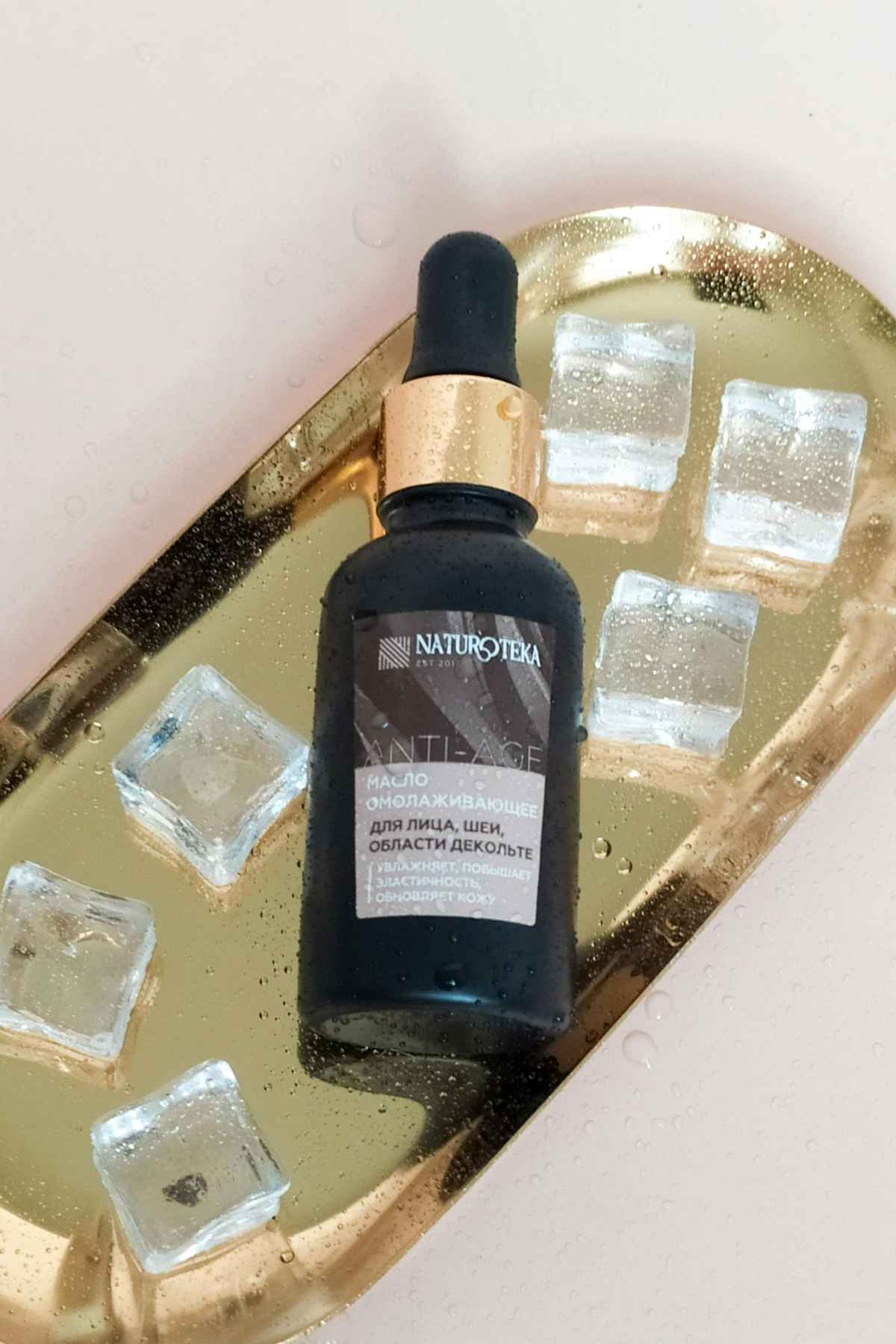
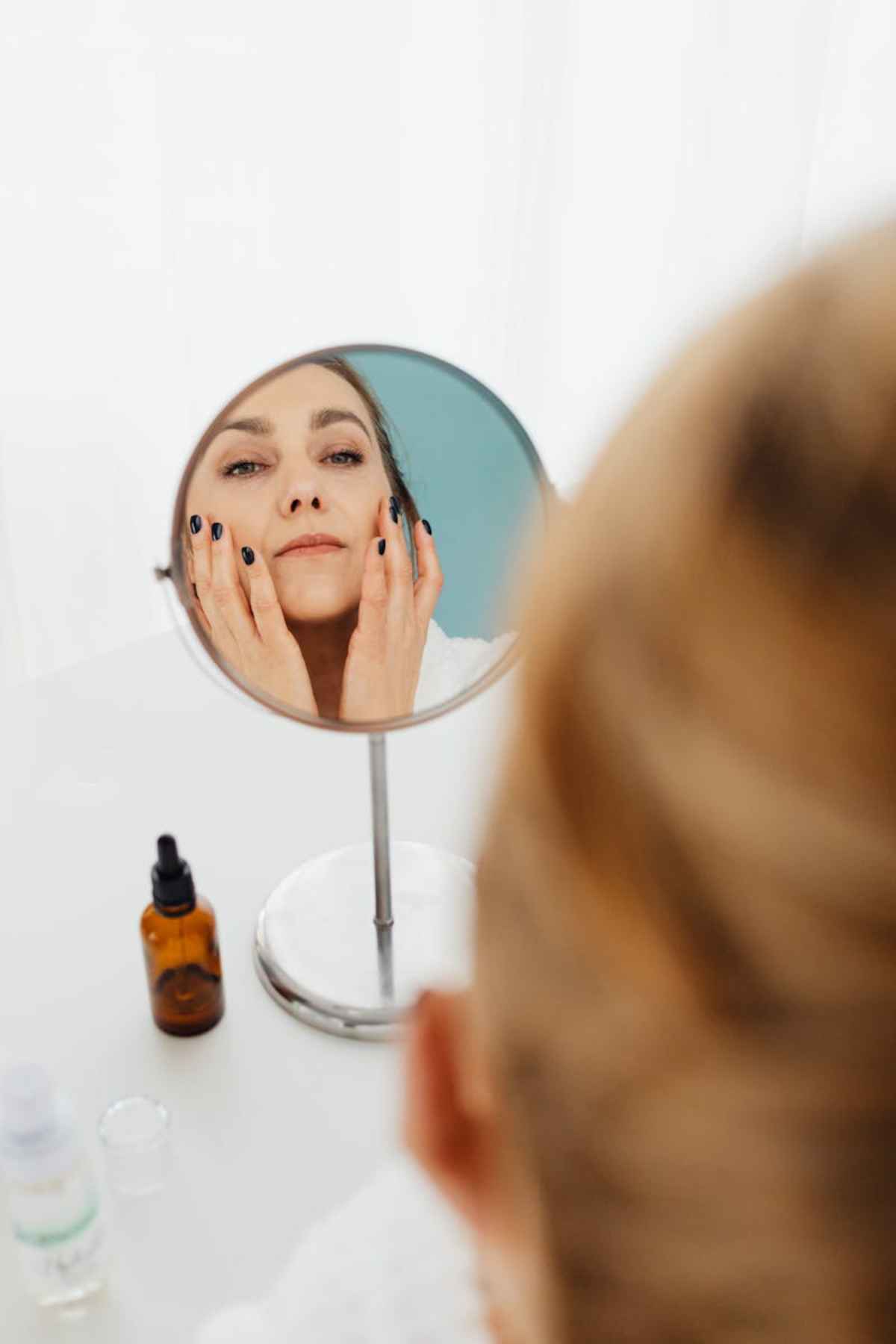
Building a luxury skincare regimen that actually works requires understanding which treatments address your specific concerns and which are purely aspirational. The most effective luxury skincare programs combine consistent professional treatments with equally consistent home care, the expensive facials rarely work in isolation if the daily routine is neglected. Understanding your skin at the cellular level, knowing what each ingredient class does, and being honest about your lifestyle and compliance all determine the results you achieve from luxury skincare investment.
The distinction between effective luxury skincare and expensive luxury skincare becomes clearer once you understand the mechanisms behind each treatment. Not every high-cost product or procedure delivers proportional results. Some of the most impactful luxury skincare decisions involve very simple changes, SPF application every morning, a well-formulated retinol at the right concentration, consistent hydration, while some of the most marketed treatments add little for most people. This guide exists to help you make those distinctions clearly, based on evidence and firsthand experience rather than product positioning.
Skincare Ingredients That Actually Deliver
The ingredients conversation in luxury skincare has gotten noisier as the category has gotten more profitable. Every brand has a hero ingredient, and most of them overlap in ways that make choosing between products genuinely confusing. The ones worth your attention fall into a few clear categories.
Retinoids remain the most evidence-backed ingredient for long-term skin texture and fine line reduction. The distinction between retinol (available over the counter), retinaldehyde, and tretinoin (prescription) matters because they work at different conversion rates. Tretinoin is active immediately; retinol requires conversion steps that reduce its overall potency. The tradeoff is tolerability. If you are just starting, a well-formulated retinol at 0.25 to 0.5 percent gets you meaningful results without the adjustment period that comes with prescription-strength retinoic acid. The peptides vs retinol comparison covers when peptides are worth layering in alongside your retinoid and when they are doing redundant work.
Acids are the second category most people get wrong, not in the sense of misidentifying them, but in overusing them. Glycolic and lactic acid exfoliate at the surface and are useful for uneven texture and dullness. Salicylic acid is oil-soluble, which means it penetrates the pore lining in a way the AHAs do not, making it the more effective option for congestion and breakouts. Azelaic acid occupies a different position: it is more of a corrective ingredient than an exfoliant, particularly useful for post-inflammatory hyperpigmentation and redness. The azelaic acid vs retinol guide breaks down which one belongs where in your routine.
Hyaluronic acid and collagen are consistently conflated in luxury skincare marketing. Applied topically, hyaluronic acid functions as a humectant that draws moisture to the surface, which makes skin look plumper and feel more comfortable. It does not rebuild collagen or reverse structural changes. Hyaluronic acid vs collagen covers what the research actually says about each and where the real value lies.
Chemical Peels and Skin Resurfacing
Chemical peels have a reputation problem rooted in the wrong reference point. Most people picture aggressive, weeks-long recoveries when they hear “chemical peel,” and that description applies only to the deepest-level peels, which are relatively rare in an aesthetic practice. The majority of peels used today are superficial to medium-depth, with downtime ranging from light flaking over a few days to about a week of visible peeling.
The VI Peel is one of the most commonly recommended for first-timers because it is formulated to be effective across skin types, including darker tones that can be more reactive to other peeling agents. It combines trichloroacetic acid, salicylic acid, retinoic acid, phenol, and vitamin C, a stack designed to address texture, pigmentation, and early fine lines in one treatment cycle. The VI Peel vs TCA Peel breakdown is useful if you are weighing these options with your provider.
For acne scarring specifically, the evidence for chemical peels for acne scars is strongest when peels are used as part of a sequenced protocol rather than as a standalone treatment. A single peel rarely resolves established scarring, but a series of medium-depth peels, combined with topical retinoids in between, can produce meaningful texture improvement over six to twelve months.
In-Office Facials Worth the Investment
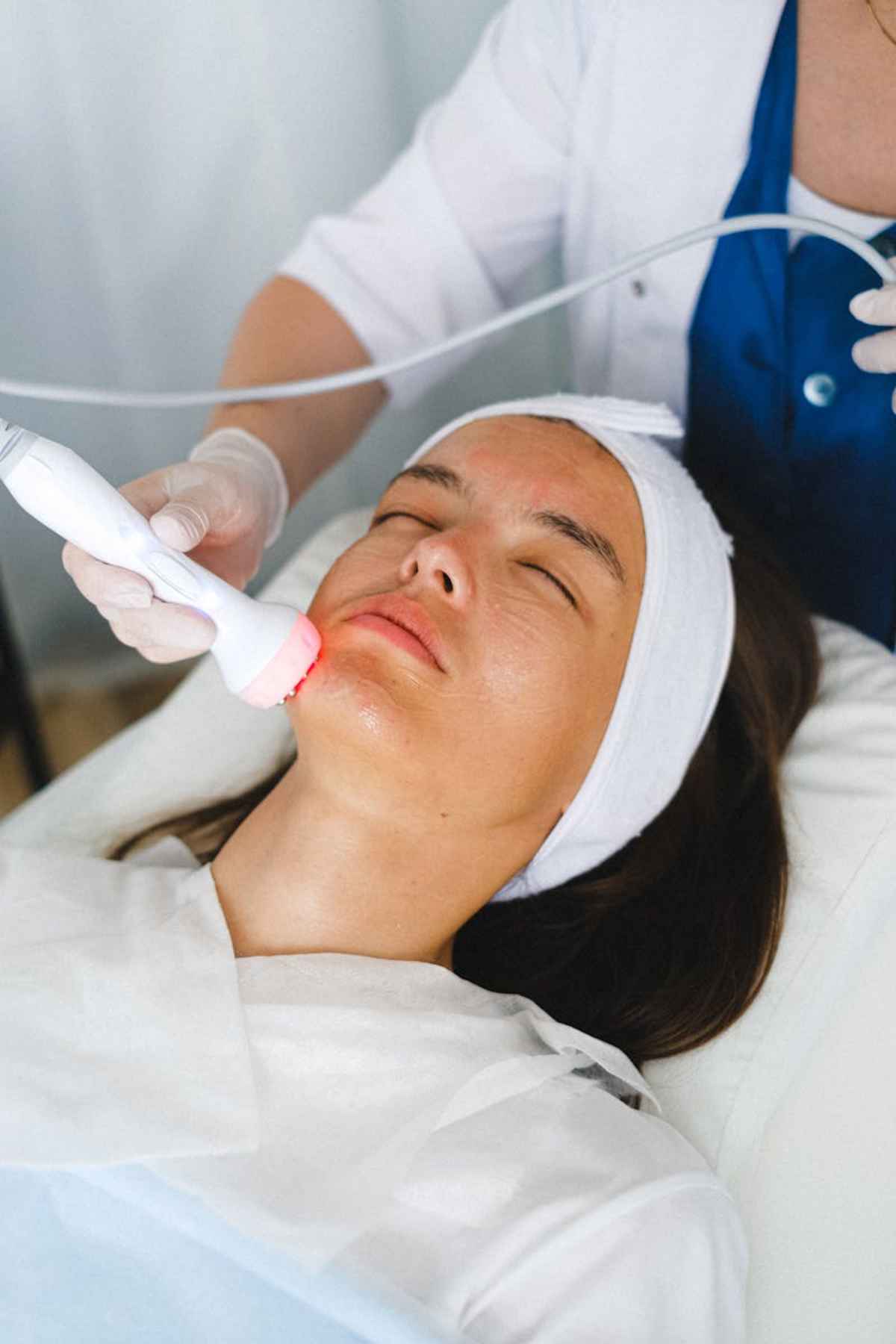
Not all facials are the same, and the price point is not always the most reliable guide to which one is right for your skin concern. The category broadly includes wet facials (HydraFacial, DiamondGlow), dry and mechanical treatments (microdermabrasion), and specialty treatments like gold facials and Rezenerate nanofacials. Each addresses a different skin goal.
HydraFacial and DiamondGlow are frequently compared because both use a vortex or suction mechanism to cleanse and infuse simultaneously. DiamondGlow vs HydraFacial covers the practical differences: DiamondGlow uses a diamond-tipped wand and is fully customizable with serums, while HydraFacial uses a proprietary tip system with set solution combinations. Both are genuinely effective for congestion, hydration, and surface luminosity with no meaningful downtime.
Gold facials occupy a different corner of the market. The gold facial treatment combines 24k gold with antioxidant serums and specialized massage, with the gold functioning as an anti-inflammatory agent rather than just a luxury aesthetic. The results are subtle and cumulative, most pronounced for dull, fatigued skin. If you want to understand what the treatment actually delivers versus what the marketing implies, the gold facial benefits guide is the clearest breakdown I have found.
The Rezenerate nanofacial is worth knowing about if your provider offers it. It uses nano-channel technology rather than traditional needles, which means dramatically reduced irritation and no downtime while still creating pathways for active ingredient absorption. It is a gentler entry point for anyone curious about microneedling-adjacent treatments who is not ready for standard microneedling recovery.
Skincare for Travelers
Travel does consistent damage to skin that most people attribute to aging or stress rather than to the specific conditions involved. Long-haul flights are the main culprit, with cabin humidity sitting at around 20 percent. That is low enough to pull moisture from the skin over the course of a twelve-hour flight, compounded by jet lag, disrupted sleep, and climate changes on arrival.
The travel skincare routine I use on long trips prioritizes a few things: a barrier-supporting moisturizer applied after takeoff (not before, which can trap anything on the skin’s surface), a hydrating mist for mid-flight refresh, and a complete skip of any actives like retinol or exfoliating acids on travel days. Skin that is already stressed from the environment does not need additional exfoliation. The travel skincare for glowing skin guide covers the specific product categories worth packing versus the ones that can stay home.
For tropical and high-humidity destinations, the routine adjustment is different: lighter textures, oil-control steps where needed, and SPF that holds up in heat and water. Skincare for Southeast Asia travel covers this specifically, including how to adjust your layering order when the humidity does half the moisturizing work for you.
For those who schedule aesthetic treatments around their travel itineraries, the Travel and Glow guide to skincare treatments covers how to approach facials, peels, and other procedures when traveling, including timing considerations and what to avoid in unfamiliar clinics.
Building Your Routine Around Your Treatments
The timing question around aesthetic treatments is one that comes up constantly in every consultation I have had, and most providers answer it quickly without explaining the underlying reason. Knowing why the timing rules exist makes it easier to apply them correctly when life does not cooperate with the ideal two-week window.
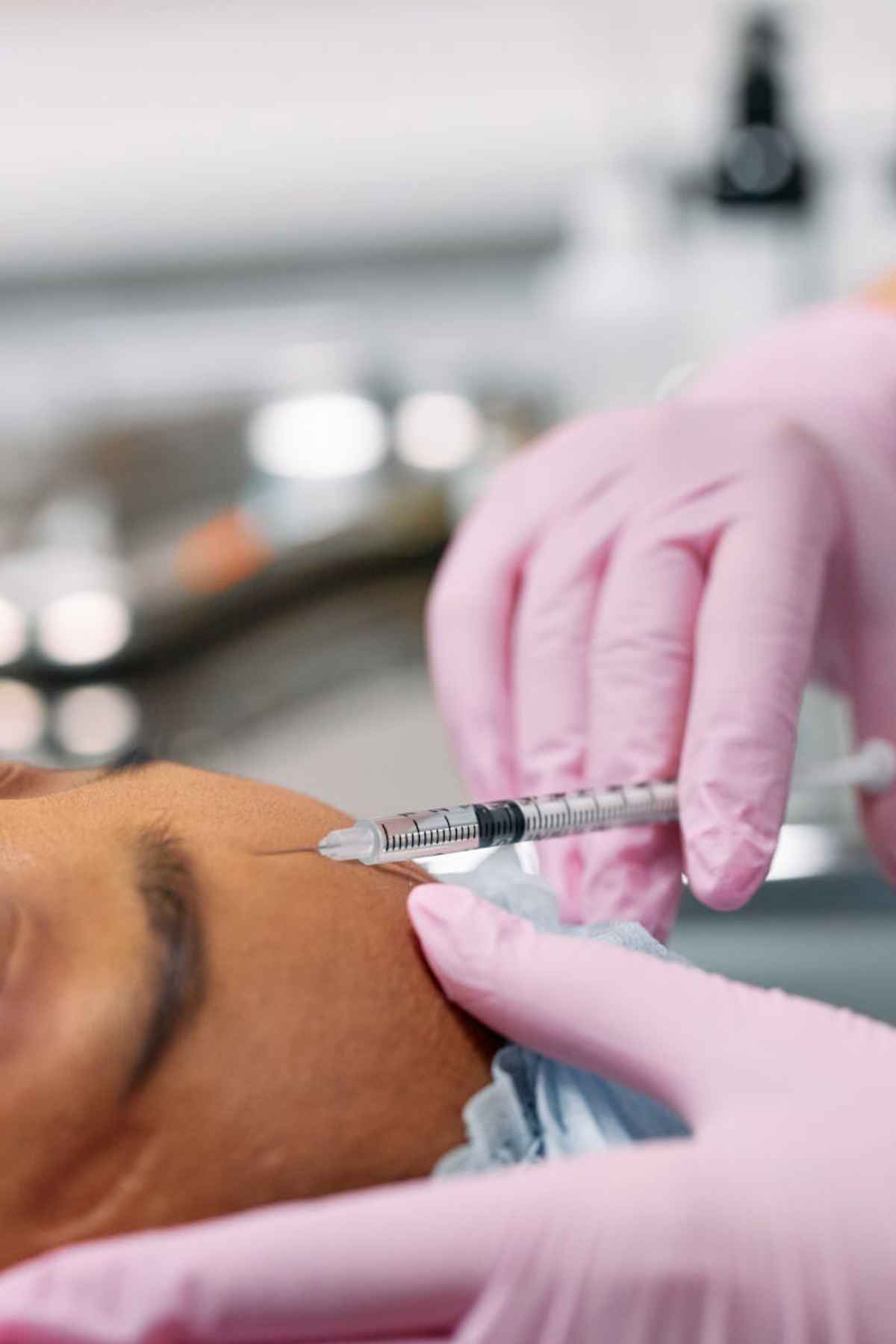
The general principle is that your skin needs to be in its least reactive state before any energy-based or injection treatment. That means no active exfoliants (retinol, acids) for three to five days before Botox, microneedling, or peels, and no anti-inflammatory medications like ibuprofen before injectables if you can avoid it. Both Advil and exercise increase blood flow, which affects how neurotoxins spread and how much bruising you see afterward. The how long after Botox can you exercise guide and the can I take Advil after Botox piece cover the post-treatment side of this equation.
On the timing of combining treatments: getting a facial after Botox is a question I see asked constantly. The answer depends on the type of facial and the timing. Can you get a facial after Botox covers the specific window and the logic behind it. The short version is that anything involving pressure, heat, or massage to the treated area should wait a minimum of two weeks, which is also when Botox has fully settled. The when does Botox peak timeline explains why that window is not arbitrary.
SPF is the one routine step that operates independently of any treatment timing and belongs in every morning routine regardless of what else is happening. It is not an anti-aging step in the optional sense. It is the step that determines whether every other treatment investment lasts.
Frequently Asked Questions
How long does Botox last?
The duration depends on the area treated, the dose, and how the individual metabolizes the product. Most people see results for three to four months in expressive areas like the forehead and between the brows. Smaller doses in areas with less muscle movement, like the lip flip, tend to wear off sooner. when does botox peak covers the full timeline.
What is the difference between Morpheus8 and regular microneedling?
Morpheus8 combines radiofrequency energy with microneedling to treat tissue at a deeper level than traditional microneedling, which works primarily at the surface. Morpheus8 is typically used for laxity, contouring, and deeper textural concerns. Standard microneedling is better suited for surface texture, pores, and fine lines. morpheus8 vs microneedling covers the complete comparison.
Can you shower after laser hair removal?
There is a specific waiting period and temperature restriction after laser hair removal that most providers explain briefly and most patients forget. The short answer is no, not immediately, and not with hot water when you do. can you shower after laser hair removal covers the exact window and what to avoid.
What is a hydrafacial and is it worth the price?
A hydrafacial is a multi-step treatment that combines exfoliation, extraction, and hydration in a single session using a proprietary device. It produces immediate results that photograph well and leaves skin visibly smoother and more hydrated. Whether it is worth the price premium over a standard facial depends on your specific skin concerns and how frequently you are booking. hydrafacial vs regular facial breaks down the comparison in full.
How much does facial threading cost?
The cost of facial threading varies significantly by provider type, region, and area being treated. Threading at a dedicated brow bar runs considerably less than threading performed at a medical spa or aesthetic clinic. how much does facial threading cost provides a full regional breakdown.
You might also like: Skincare Acids Guide: Lactic Acid vs Salicylic Acid · Peptides vs Retinol: Comparing Skincare Powerhouses
Continue Exploring Luxury
Everything you need to elevate your everyday life — in one place.
📖 Get the Free Luxe Living Starter Guide