How Long Do Chemical Peels Last: What You Need to Know
This post contains affiliate links. If you click through and make a purchase, I may earn a small commission at no extra cost to you. As an Amazon Associate I earn from qualifying purchases.
How long do chemical peels last? The results typically last between 1 and 6 months depending on the peel depth.
Wondering how long the results of a chemical peel last?
The duration of chemical peel results can vary greatly depending on the type of peel you choose.
For example, light chemical peels, such as glycolic acid or salicylic acid, typically last a few weeks and are great for minor skin issues like fine lines and dullness.
These treatments mainly target the top layer of your skin, offering a quick but temporary boost.
Medium chemical peels, like trichloroacetic acid (TCA), can last a few months.
These are more effective for treating moderate skin concerns, such as age spots, sun damage, and acne scars.
Medium peels penetrate deeper into the skin, making their effects longer-lasting compared to lighter peels.
Deep chemical peels offer the most dramatic results, often lasting several years.
These peels, which can include deeper peels with stronger solutions, are ideal for addressing deep wrinkles, severe sun damage, and significant acne scarring.
The recovery time is longer, but the long-lasting results make it a popular choice for those seeking a significant change in their skin’s appearance.
Benefits and Targeted Skin Concerns
Understanding how long do chemical peels last for this type helps you plan treatments.
Chemical peels offer various benefits and can address several skin concerns, including wrinkles, acne, and uneven skin tone. The type of peel you choose can determine the specific improvements you will see.
For Wrinkles and Fine Lines
Chemical peels can help reduce the appearance of wrinkles and fine lines. The peeling process removes the top layer of your skin, promoting collagen production.
Different types of peels, such as glycolic acid and trichloroacetic acid (TCA) peels, are effective for signs of aging.
Deep chemical peels offer more dramatic results but have a longer recovery time.
Medium peels provide noticeable improvements with a shorter healing process compared to deeper peels.
This treatment is especially helpful for deeper wrinkles and provides a smoother, rejuvenated complexion.
For Acne and Acne Scarring
Chemical peels are also an effective treatment for acne and acne scarring.
Light chemical peels, which often use glycolic acid or salicylic acid, are good for acne-prone skin as they exfoliate dead skin cells and reduce oil.
Medium chemical peels can help with more severe acne scars by penetrating deeper layers of skin.
This treatment improves skin texture and reduces the appearance of acne scars, giving you healthier-looking skin.
The peeling process helps unclog pores and prevent future breakouts.
For Pigmentation and Uneven Skin Tone
If you have issues with pigmentation or uneven skin tone, chemical peels can be beneficial.
Peels remove the top layers of skin, which aids in reducing dark spots and age spots caused by sun damage.
Light peels work well for mild pigmentation, while medium peels are better for more pronounced discoloration.
These cosmetic procedures promote the growth of new skin cells and provide a more even, brighter complexion.
Different peels will be recommended based on your individual skin type and the extent of your pigmentation concerns.
Procedure and Aftercare
Going through a chemical peel involves several important steps. Knowing what to expect before, during, and after the peel is essential for the best results and proper care of your skin.
Before the Peel
Before your peel, you’ll have an initial consultation with a dermatologist or skincare professional. They’ll assess your skin type, medical history, and skin concerns to determine the best peel for you, whether it’s a light, medium, or deep peel.
It’s crucial to avoid direct sun exposure and use sunscreen diligently to prepare your skin.
You might also need to stop using certain skincare products like retin-a and other exfoliants a week before the treatment.
Following these steps will help ensure your skin is in the best condition for the procedure.
During the Peel
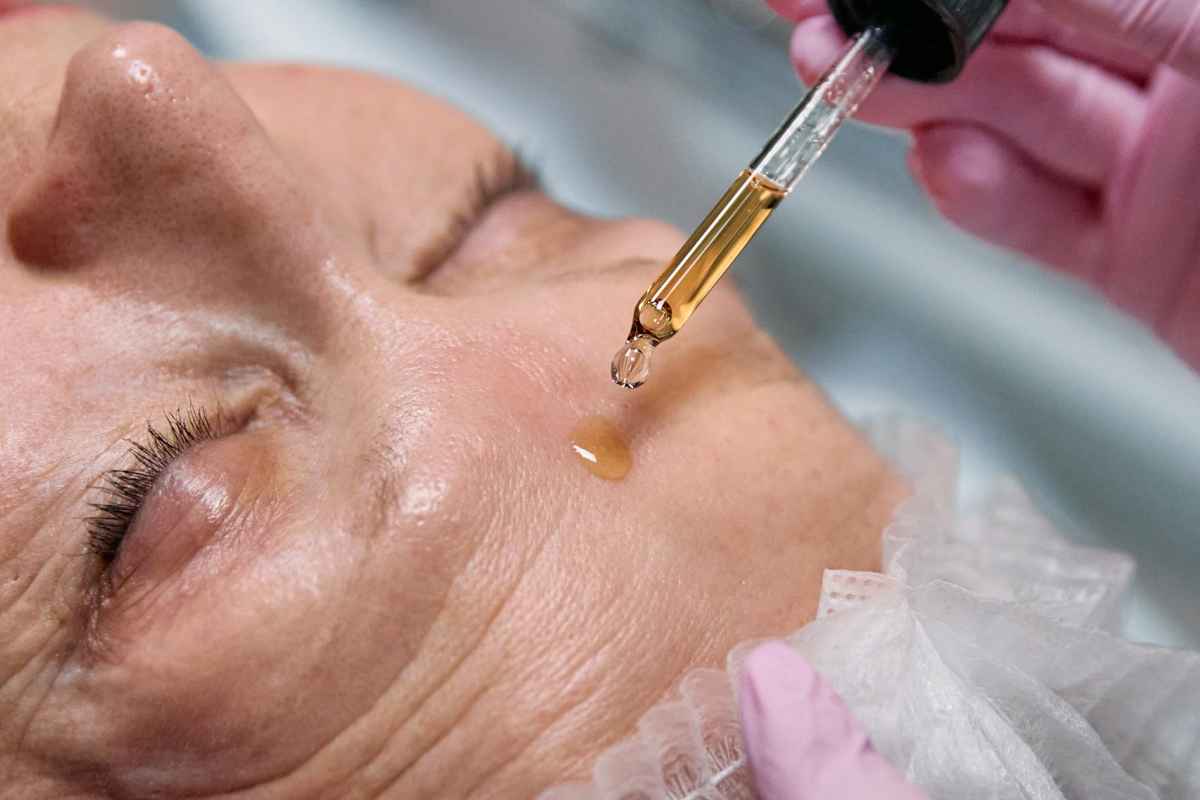
During the chemical peel procedure, the dermatologist applies a chemical solution like glycolic acid, salicylic acid, or trichloroacetic acid to the treated area.
The type and strength of the peel determine how deep into the skin the solution penetrates.
You might feel a burning or tingling sensation, especially with deeper peels. This is normal and indicates the solution is working to remove the top layers of your skin.
Cooling compresses can be used to alleviate discomfort during deeper peels. The entire process usually takes about 30 minutes to an hour.
After the Peel
After the peel, your skin will start peeling to reveal new skin cells.
This can last from a few days to a couple of weeks, depending on the type of peel.
Moisturizing is essential to keep your skin hydrated and help with the healing process.
Avoid direct sun exposure and use broad-spectrum sunscreen to protect your healing skin.
Follow your dermatologist’s post-treatment instructions carefully, which may include gentle cleansing and avoiding certain skincare products.
Follow-up treatments may be needed for optimal results, especially with medium to deep peels.
Make sure to keep an eye on your skin’s response and contact your dermatologist if you notice any unusual side effects.
Expected Results and Longevity
Chemical peels can offer immediate and long-term benefits for your skin. The results and duration depend on the type of peel and your individual skin type.
Immediate Outcomes
Right after a chemical peel, your skin might show redness and some flaking. These are normal reactions as the top layer of skin is exfoliated to reveal fresher skin below.
Light peels, like glycolic acid, may cause minor redness but heal quickly, usually within a few days.
Medium peels, such as trichloroacetic acid peels, may result in more redness and flaking, lasting about a week.
Deep peels, involving stronger chemicals, can lead to swelling and redness for up to two weeks.
The immediate results often include a brighter skin tone and improved texture.
Fine lines might look reduced, and acne scars may become less noticeable. You might also notice tightness in your skin due to the boost in collagen production.
Long-Term Effects
Long-term effects depend largely on the type of chemical peel you receive.
Light chemical peels offer short-term benefits that might last about a month. They are great for minor skin concerns like dullness and mild acne. For better results, follow-up treatments are advised.
Medium and deep peels result in more dramatic improvements.
Medium peels can last several months up to a year, reducing age spots and fine lines.
Deep chemical peels deliver the longest-lasting results, sometimes maintaining improvements for years.
These deeper treatments target more serious skin issues like deep wrinkles and significant sun damage.
To make the effects last longer, maintain a skincare routine with good moisturizing and sun protection.
Avoid direct sun exposure and use skincare products suitable for your skin type to prolong the youthful look and smooth texture.
Considerations and Risks
Before getting a chemical peel, it’s important to think about how it might affect your skin and what side effects could happen. Let’s take a closer look at some key points.
For Sensitive Skin Types
If you have sensitive skin, you need to be careful with chemical peels.
Light peels are usually safer because they use milder chemicals like glycolic acid and lactic acid. Stronger peels can cause more irritation.
If you have conditions like rosacea, acne-prone skin, or dry skin, you might experience more redness and swelling.
Be sure to discuss your skin type and medical history with your skincare professional before starting treatment.
Sometimes, pretreatment with antiviral medication or retinoid cream can help minimize risks.
Potential Side Effects
Chemical peels can cause side effects, especially if you have darker skin or sensitive areas.
- Redness
- Swelling
- Dryness
- Crusting
Sometimes, the treated area can get infected. Deeper risks can include changes in skin tone or prolonged healing time.
To reduce these risks, follow post-treatment care instructions carefully. This might include using a mild skincare routine, avoiding direct sun exposure, and applying cool compresses when needed.
Chemical peels can offer dramatic results, but understanding these considerations and potential side effects will help you get the best results without unwanted surprises.
Frequently Asked Questions
When considering a chemical peel, you might have some specific questions. Below, you will find detailed answers to common questions so you can better understand what you might experience before, during, and after your treatment.
How long does it typically take for skin to peel after a chemical peel?
The peeling process starts about 2 to 3 days after your treatment.
With a light peel, you might see peeling for about 3 to 5 days.
Medium peels can cause peeling for up to a week. Meanwhile, deep peels may result in longer peeling, often lasting 2 weeks or more.
What can I expect in terms of the longevity of a chemical peel’s effects on my face?
Light chemical peels offer results that can last a few months.
Medium peels might give you results lasting up to a year.
Meanwhile, deep peels, such as those using trichloroacetic acid (TCA), can provide effects that last several years. The longevity depends on your skin type and care routine.
What is the necessary count of chemical peels required to address hyperpigmentation effectively?
To address hyperpigmentation, a series of light to medium peels is usually recommended.
You might need 3 to 6 treatments spaced several weeks apart. The number of treatments depends on the severity of your condition and the type of peel used.
Can you describe the before and after effects of undergoing a chemical peel treatment?
Before the chemical peel treatment, your skin may show signs of sun damage, fine lines, or age spots.
After the peel, the top layer of skin is removed, revealing new skin cells underneath. This often results in a more youthful appearance and improved skin texture.
After a chemical peel, will my skin appear worse before it gets better?
Yes, initially your skin might look red and irritated, especially with deeper peels.
You may also experience dryness and flaking as dead skin cells shed. This is a normal part of the healing process and typically subsides as new skin surfaces.
Are the results achieved from a chemical peel for acne long-lasting?
Chemical peels can be an effective treatment for acne scars and acne-prone skin. The effects of a peel can last several months to a year, depending on the severity of the acne and the type of peel used. Follow-up treatments can help maintain these results.
Continue Exploring Luxury
Everything you need for wine, food and entertaining, in one place.
📖 Get the Free Luxe Living Starter Guide