Wine & Culinary: The Luxury Infusion Guide to Wine, Food, and Entertaining
This post contains affiliate links. If you click through and make a purchase, I may earn a small commission at no extra cost to you. I only recommend products and services I personally use and trust.

Entertaining well is mostly a knowledge problem, not a resource problem. The knowledge is here.
For a practical entertaining starting point, our guide to elevated hosting with caprese skewers and wine pairing demonstrates how a simple appetizer, done with intention, can set the tone for an entire table.
Frequently Asked Questions
What is the best wine for someone just starting to explore wine?
The best starting point is a wine that is approachable in flavor and low in tannin, qualities that make it easy to drink without needing food to balance it. Pinot Noir is the most recommended red for beginners because it is lighter-bodied, fruit-forward, and less tannic than Cabernet Sauvignon or Syrah. For white wine, an unoaked Chardonnay or a dry Riesling from Alsace provides complexity without being challenging. Best sweet wine for beginners covers the sweet wine options for those who prefer that style. For a full curated list of approachable wines, see our guide to the best wine for beginners.
Does wine pairing actually matter or is it just preference?
Both. Preference is always valid and the rule that you should drink what you enjoy is genuinely true. But pairing logic matters because it reliably produces better outcomes. The wine tastes better with the food and the food tastes better with the wine. The effect is real and perceptible. Zinfandel wine pairing demonstrates the principle with a specific example that is easy to test at home.
What temperature should red wine be stored at?
Between 55 and 65 degrees Fahrenheit is the standard range, with 55 to 58 degrees being ideal for long-term storage. Above 65 degrees, wine ages faster and flavor compounds degrade. Below 45 degrees, the wine can lose aromatic complexity. What temperature to store red wine covers the full detail including how to manage temperature in a home without a dedicated wine fridge.
Is sous vide worth it for home cooking?
For proteins, yes, without qualification. The method eliminates the single biggest variable in cooking meat: uneven internal temperature. A sous vide steak, chicken breast, or piece of fish is cooked to the exact temperature you specify throughout, which is something no other home cooking method can guarantee. The equipment cost has come down significantly and the learning curve is minimal. Sous vide vs crock pot covers the comparison with slow cooking for those deciding between the two.
What is the difference between an espresso and a cortado?
An espresso is a concentrated coffee extraction, typically one or two ounces of coffee brewed under pressure. A cortado is an espresso with an equal part of steamed milk added, which softens the intensity without significantly diluting the coffee. The milk is flat rather than foamed, distinguishing it from a cappuccino or latte. Gibraltar coffee vs cortado covers the comparison in full including regional variations in how each drink is prepared.
For your winter entertaining, our guide to making the perfect hot wine drink (elevated mulled wine) brings the same quiet luxury approach to seasonal hosting, with WSET-informed varietal selection and a step-by-step recipe for the most elegant spiced wine you have ever served.
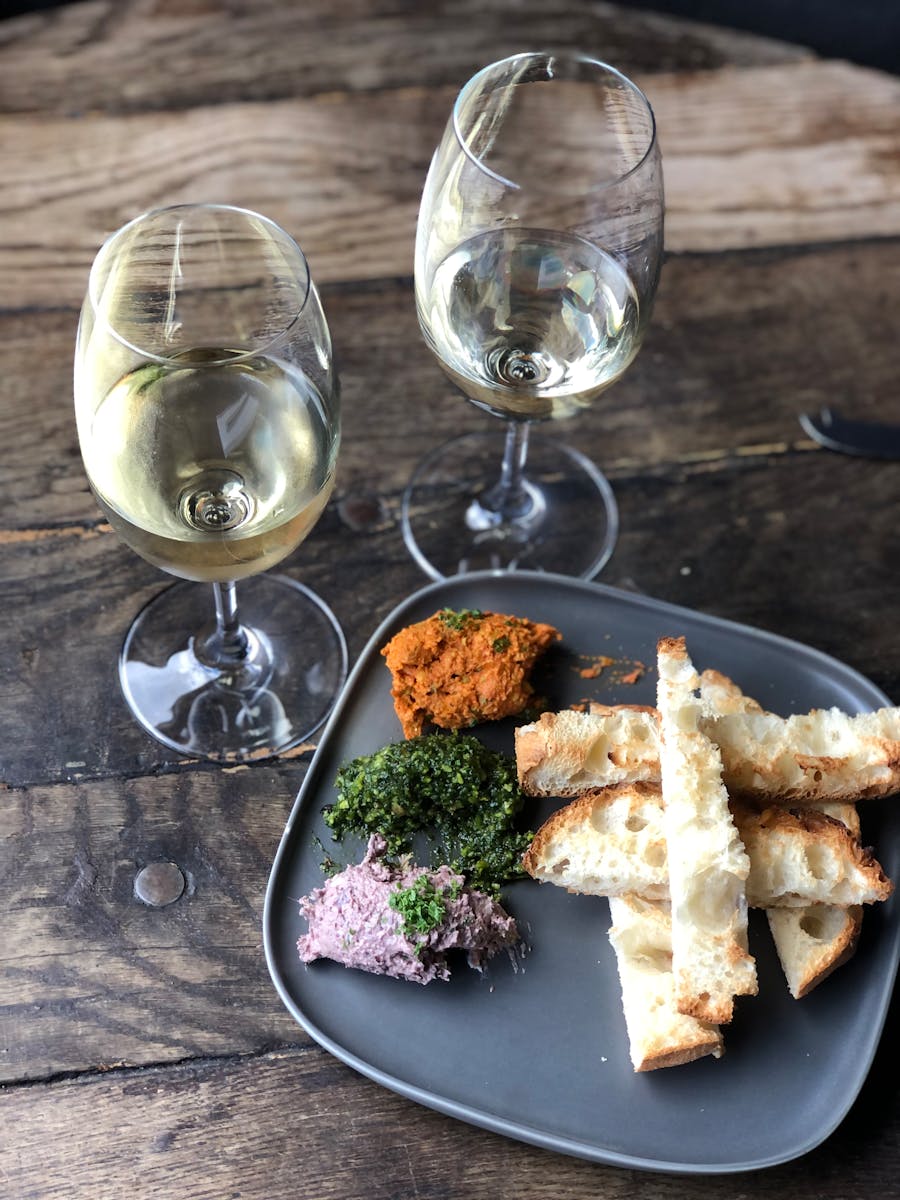
Looking to elevate your dinner table? Our complete guide to wine and food pairing rules covers everything from the Golden Rule of matching weight to the classic combinations that always work, plus when to confidently break the rules.
Grape Variety Deep Dives
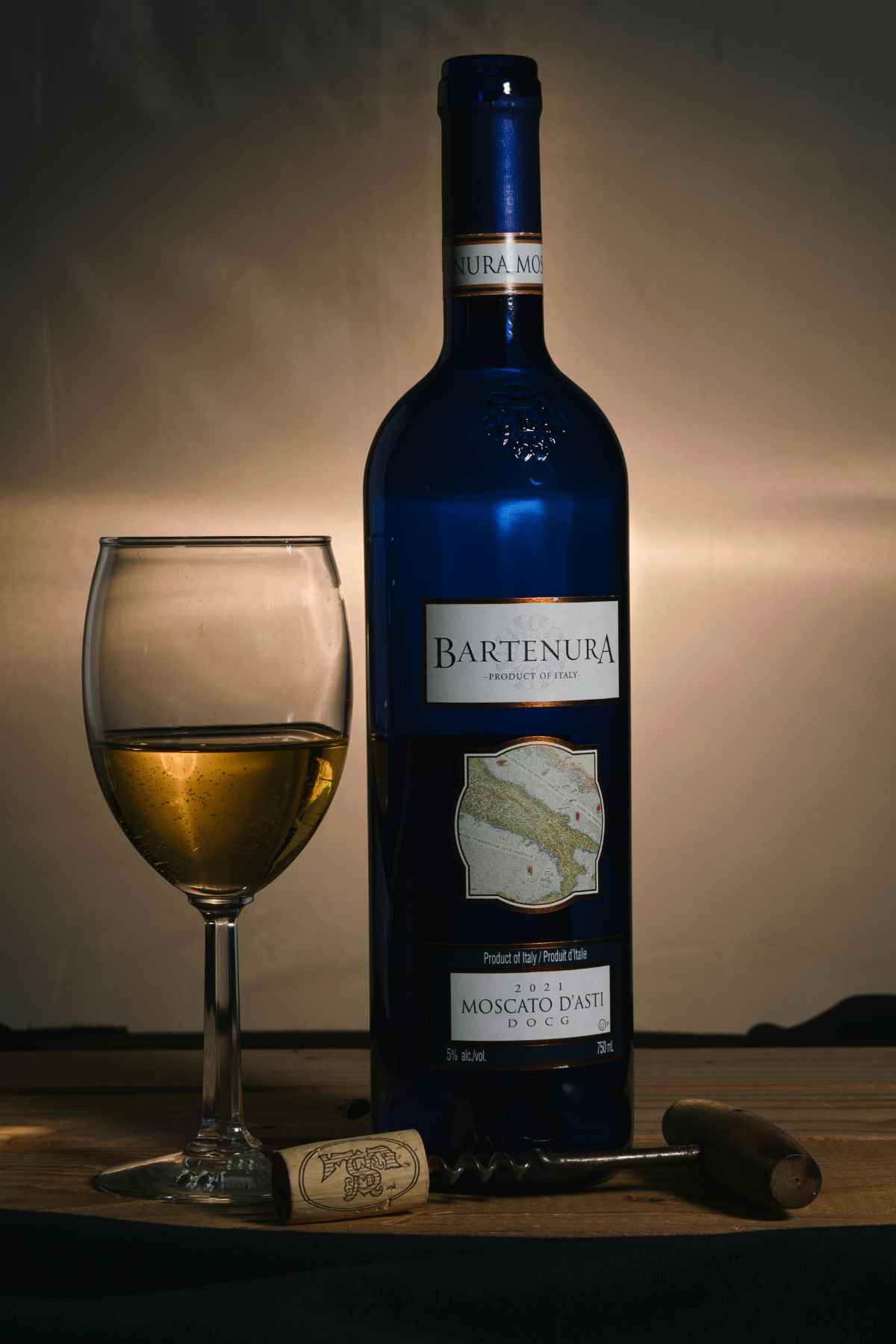
Want to explore individual grape varieties in depth? Our guide to Complete Guide to Moscato d’Asti covers everything about Italy’s beloved sweet sparkling wine, from its DOCG origins in Piedmont to the best food pairings and top producers. For crisp white wine lovers, the Sauvignon Blanc Complete Guide explores every major region from Loire Valley to Marlborough, with serving tips and producer recommendations for every budget.
Continue Exploring Luxury
Everything you need to elevate your everyday life — in one place.
📖 Get the Free Luxe Living Starter Guide