How to Get Rid of Lumps After Lip Fillers: Essential Causes, Fixes & 4 Solutions
This post contains affiliate links. If you click through and make a purchase, I may earn a small commission at no extra cost to you. I only recommend products and services I personally use and trust.
Knowing how to get rid of lumps after lip fillers starts with understanding what type of lump you’re dealing with, because not all bumps are the same. If you’ve recently had a lip filler treatment and noticed unevenness or small nodules, you’re dealing with something extremely common. I’ve spoken with aesthetic clinicians and gone through this process myself, and here is what you need to know about identifying, managing, and resolving post-filler lumps correctly.
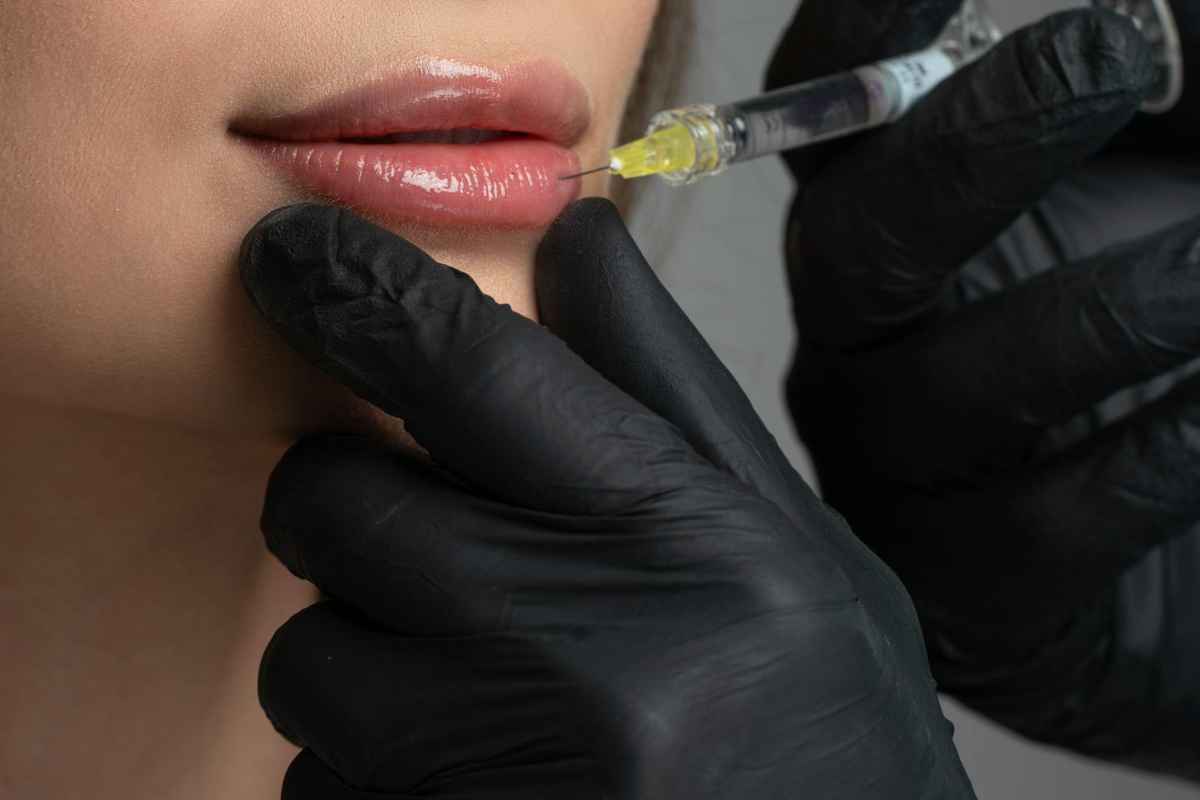
Most lip filler bumps resolve within 2 to 4 weeks as swelling fully subsides and the filler settles into the natural lip tissue. Persistent lip filler lumps that remain firm and palpable beyond four weeks are worth discussing with your injector. Firm lumps that don’t respond to gentle massage may indicate a granuloma, scar tissue formation, or filler placed in a location that requires correction.
The good news is that most lip fillers are made from hyaluronic acid filler, specifically hyaluronic acid dermal filler, which can be dissolved with hyaluronidase injections. This enzyme breaks down the filler material quickly and safely, and most patients notice significant improvement within 24 hours. If your lumps are the result of too much filler or poor injection technique, dissolving the filler and waiting four to six weeks before retreatment is often the best path to natural-looking filler results.
Signs that warrant an immediate call to your injector or a medical professional include significant pain beyond the first 24 hours, changes in skin color or pale areas around the treated area, which can indicate vascular occlusion. Vascular occlusion is a rare but serious complication that requires urgent treatment and is distinct from normal post-filler lumps. Any signs of an allergic reaction, including widespread swelling, difficulty breathing, or hives should prompt immediate medical attention.
For more on how injectable treatments and skincare work together to support the best outcomes for your skin, visit our complete guide to skincare and aesthetic treatments. If you are also using Botox alongside lip fillers, our post on when Botox peaks explains what to expect from the timeline of your combined treatments. For supporting your skin’s collagen and healing process between appointments, see our breakdown of hyaluronic acid vs collagen and how both affect filler results.
Choosing the Right Injector to Avoid Lumps
The formation of lumps after lip filler injections is partly technique-dependent. Injectors who understand facial anatomy, use appropriate injection technique for each patient’s natural lip tissue, and choose the right type of filler for the treatment area will produce far fewer complications than those without proper training. When choosing a provider for lip injections or any dermal filler injections, look for someone with verifiable credentials in aesthetics or medicine, a strong before and after portfolio, and a clear aftercare protocol they provide before you leave the appointment.
For patients who are first time recipients of lip filler treatment, proper aftercare makes an enormous difference in the final filler results. Follow your injector’s specific instructions over any general advice, as every lip filler procedure involves different filler products, different injection depths, and individual healing factors that affect the recovery time and outcome. The American Society of Plastic Surgeons offers guidance on finding qualified injectors and understanding the risks of injectable fillers.

The formation of lip filler bumps is closely tied to the type of dermal fillers used and where the injectable fillers are placed within the lip area. Softer hyaluronic acid fillers tend to distribute more naturally in the natural lip tissue, while stiffer fillers are more prone to creating firm lumps that require correction. Your injector should guide you through the filler products available and recommend the best option for your specific anatomy and aesthetic goals.
Final Thoughts on How to Get Rid of Lumps After Lip Fillers
Understanding how to get rid of lumps after lip fillers gives you the confidence to handle post-treatment bumps without panic. The short version: wait two to four weeks for normal swelling to resolve, use a cold compress and gentle massage in the first few days, avoid high temperatures and strenuous exercise, and contact your injector if firm lumps persist beyond four weeks. Knowing how to get rid of lumps after lip fillers is largely a matter of patience and proper aftercare.
For more on the lip filler recovery timeline, read our guide on How Long Does Lip Filler Take to Settle.
Continue Exploring Luxury
Everything you need to elevate your everyday life — in one place.
📖 Get the Free Luxe Living Starter Guide