When Does Botox Peak? What to Expect After Your Injections
This post contains affiliate links. If you click through and make a purchase, I may earn a small commission at no extra cost to you. I only recommend products and services I personally use and trust.
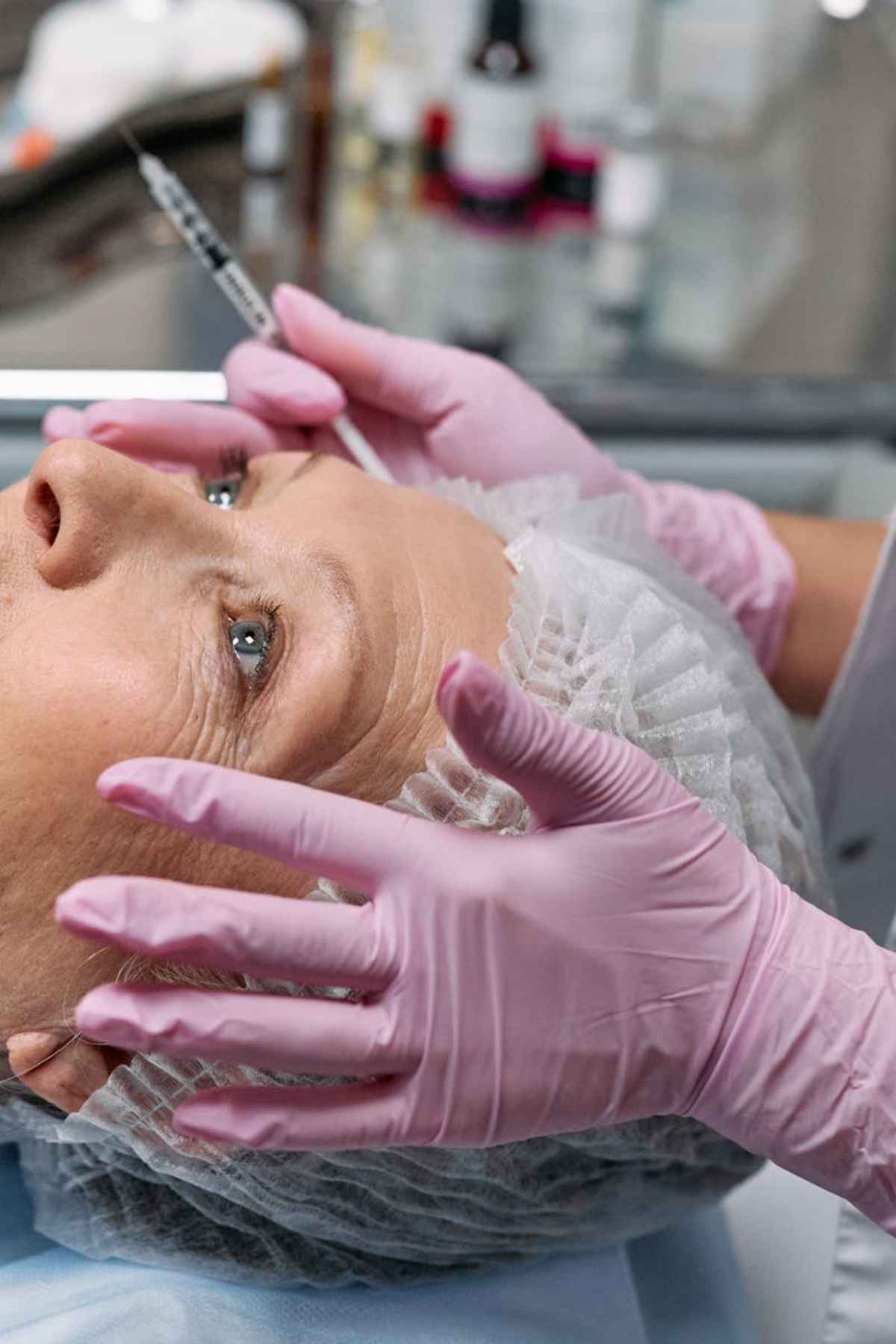
One of the first questions I hear after a new client gets botox injections is: when does botox peak? It is a completely reasonable thing to wonder, and the answer matters for how you evaluate your results. Having been in the aesthetic space for years and gone through multiple botox treatment cycles myself, I can walk you through exactly what to expect and when.
Table of Contents
Botox peaks at around 10 to 14 days after injection. Most people see the full effects of botox settle in within two weeks of their treatment, though the timeline can vary slightly depending on the injection site, the amount of botox used, and individual factors like metabolism and muscle strength.
When Does Botox Peak: The Complete Timeline
Days 1 to 3: First Changes Begin
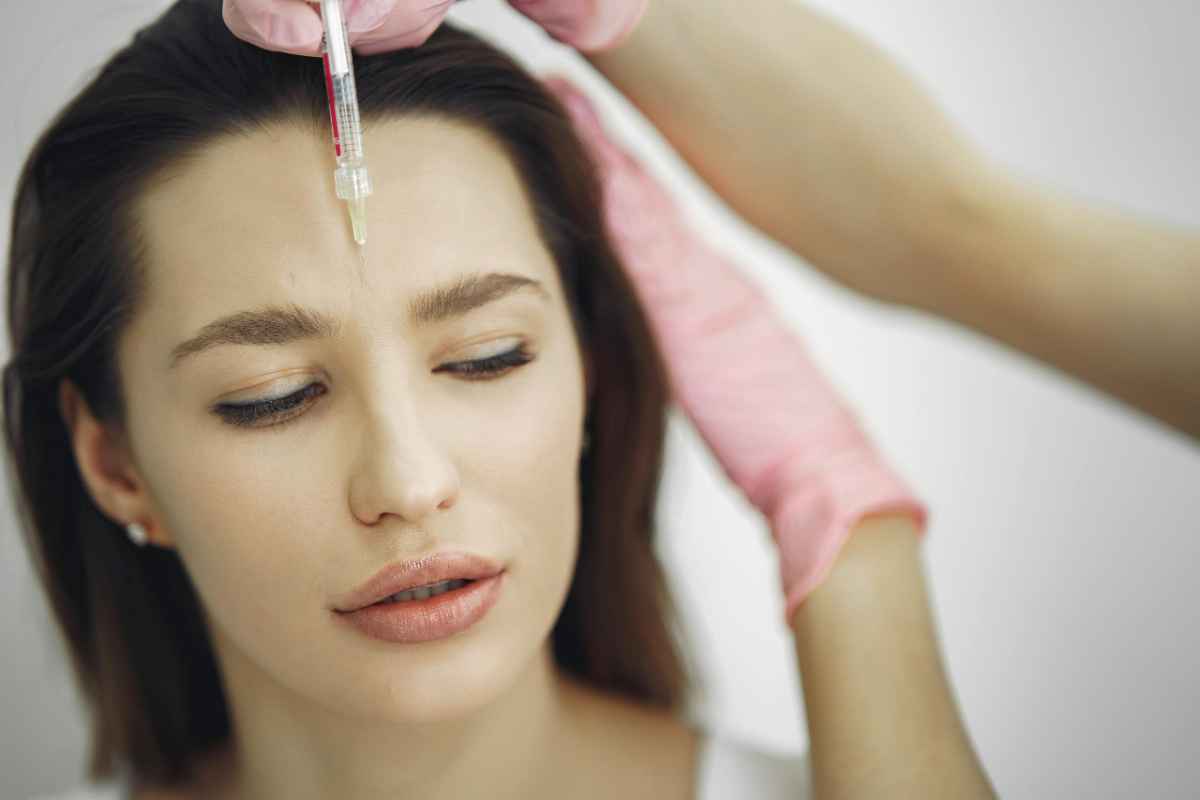
In the first few days after botox injections, you may notice the treated area feels slightly different and some initial softening begins in the injection site. Facial expressions start to feel slightly different as the botulinum toxin begins blocking nerve impulses to the facial muscles. Most people do not see dramatic visual changes yet, but the mechanism is already at work.
Days 4 to 7: Noticeable Results Begin
By the end of the first week, most patients see noticeable results. Frown lines, forehead lines, and crow’s feet begin softening visibly. Muscle contractions in the treated area are less forceful, and facial expressions become smoother. Many people describe this as the phase where they start feeling genuinely happy with their results.
At this stage, results are still building. Some people see more change between day 4 and day 10 than between day 10 and day 14, but for others the progression is more gradual throughout the full two weeks. This stage is key to understanding when does botox peak for your specific treatment.
Days 10 to 14: When Botox Peaks
This is when botox peaks. By day 10 to 14, the botulinum toxin has fully blocked the nerve endings at the neuromuscular junction, and muscle movements in the treated area are at their most reduced. Dynamic lines from facial expressions are at their softest, and the overlying skin has had time to relax and smooth out. This is the period when most patients and their injectors evaluate whether the botox results meet the desired results.
Your initial consultation and each follow-up appointment is typically around this two-week mark. Treatment area assessment helps determine whether the dynamic wrinkles and frown lines have reached the best results possible. This allows your healthcare provider to assess full results and address any areas that may need a touch-up with additional botox treatment.
What Affects How Fast Botox Peaks
When does botox peak? Several factors influence the exact timing for each individual.
The injection site matters. Areas with smaller facial muscles, like the area around crow’s feet, may show results slightly faster than areas like the forehead, where the muscle mass is greater. The amount of botox used also plays a role. A lower dosage may take slightly longer to reach maximum results than a full treatment dose. In first treatment patients, the muscles are often stronger and may respond more gradually than in patients who have had subsequent treatments over time.
Your metabolism affects the timeline as well. People with higher metabolic rates sometimes see both faster onset and faster wear-off of botox results. Factors like exercise frequency, body composition, and even age can influence how the botulinum toxin behaves in your specific facial muscles. These variables explain why when does botox peak varies from person to person.
What Full Results Look Like
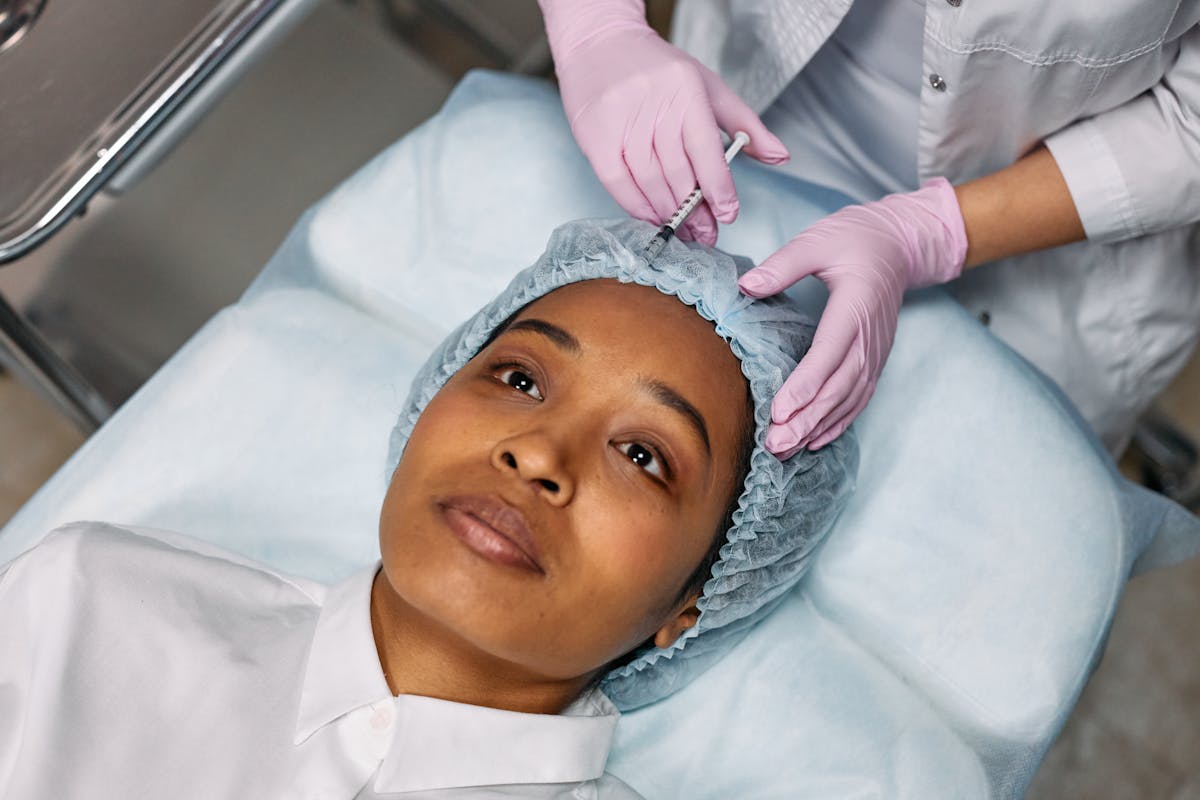
Once you understand when does botox peak, you can appreciate the results. At peak effectiveness, botox creates a rested, youthful appearance without looking frozen. Botulinum toxin, derived from clostridium botulinum, temporarily relaxes muscle contractions in the specific areas treated. The goal of a skilled botox treatment is natural-looking results where facial expressions are still visible but dynamic lines are softened. Forehead wrinkles from raising the brows, frown lines between the brows, and crow’s feet at the outer eye corners are the most commonly treated areas, and all should look significantly smoother at the two-week mark.
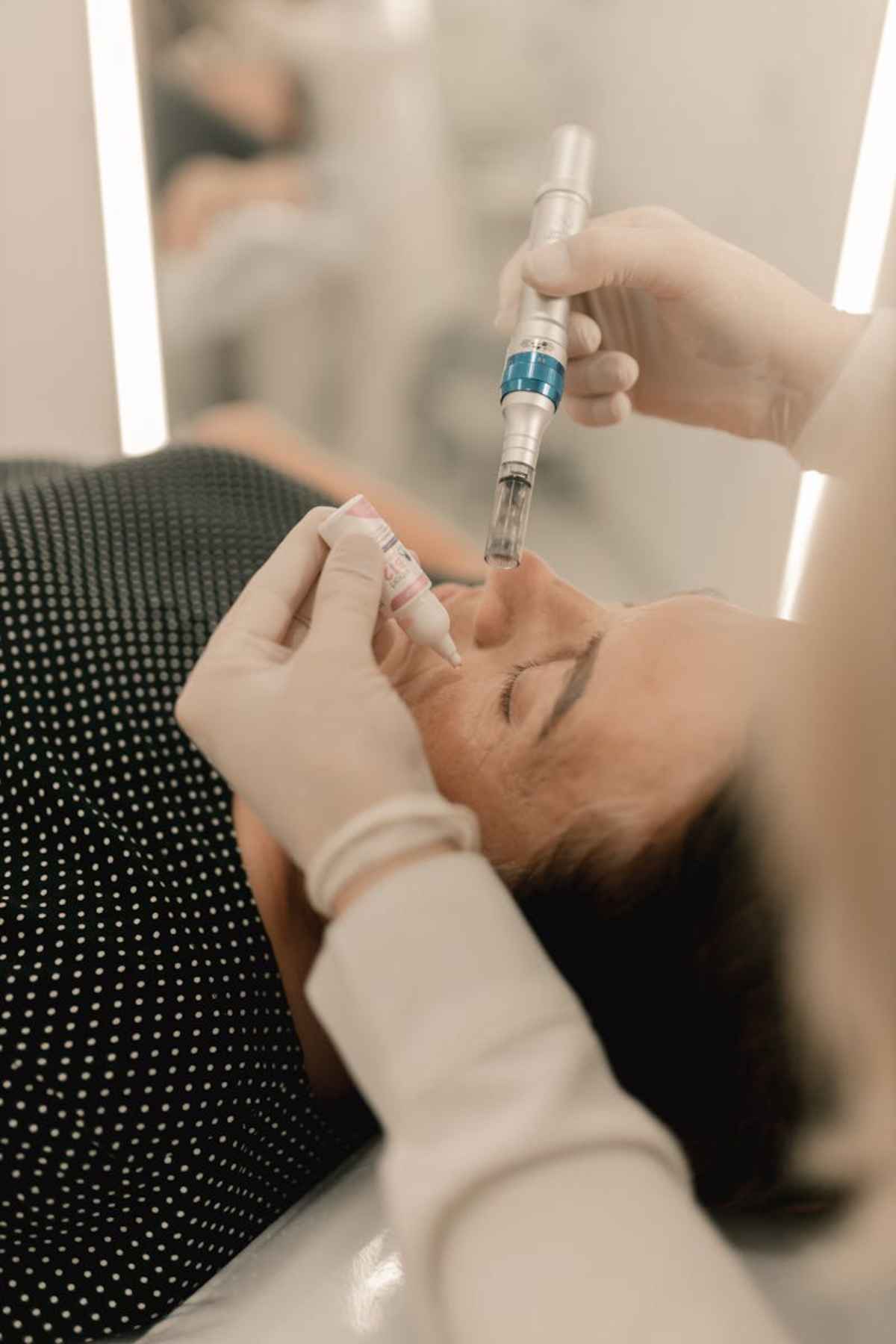
One important note: botox treats dynamic lines caused by muscle movements, not static lines that are present even when your face is at rest. If lines are still visible at rest at the two-week mark, that is normal. Static lines may require additional treatments like filler or laser to address. Understanding what botox can and cannot do is part of having realistic expectations for your botox results. For a broader look at aesthetic treatment options, see our guide comparing microneedling vs chemical peel to understand which treatments work best for different skin concerns.
How Long Do Peak Results Last
After reaching the point when does botox peak, results at their best last for roughly 8 to 12 weeks before the effects begin to gradually fade. Most patients plan their follow-up treatment at the 3-month mark, though this varies based on the specific areas treated, the amount used, and individual metabolism.
The forehead and glabellar lines (frown lines between the brows) tend to last a bit longer than crow’s feet. Masseter botox for jaw slimming often lasts 4 to 6 months because the masseter muscle takes longer to rebuild. As you continue with subsequent treatments over time, many patients find that their results last slightly longer because the muscles become trained to contract less forcefully.
When you notice muscle movements returning, that signals the beginning of the end of your results cycle. Most patients recognize this at the 10 to 12 week mark and schedule their follow-up appointments to maintain consistent results. If you have had botox for facial concerns and are curious about the jaw area, our post on masseter botox covers the timeline and expectations for that specific treatment in detail.
What to Do If Your Botox Has Not Peaked
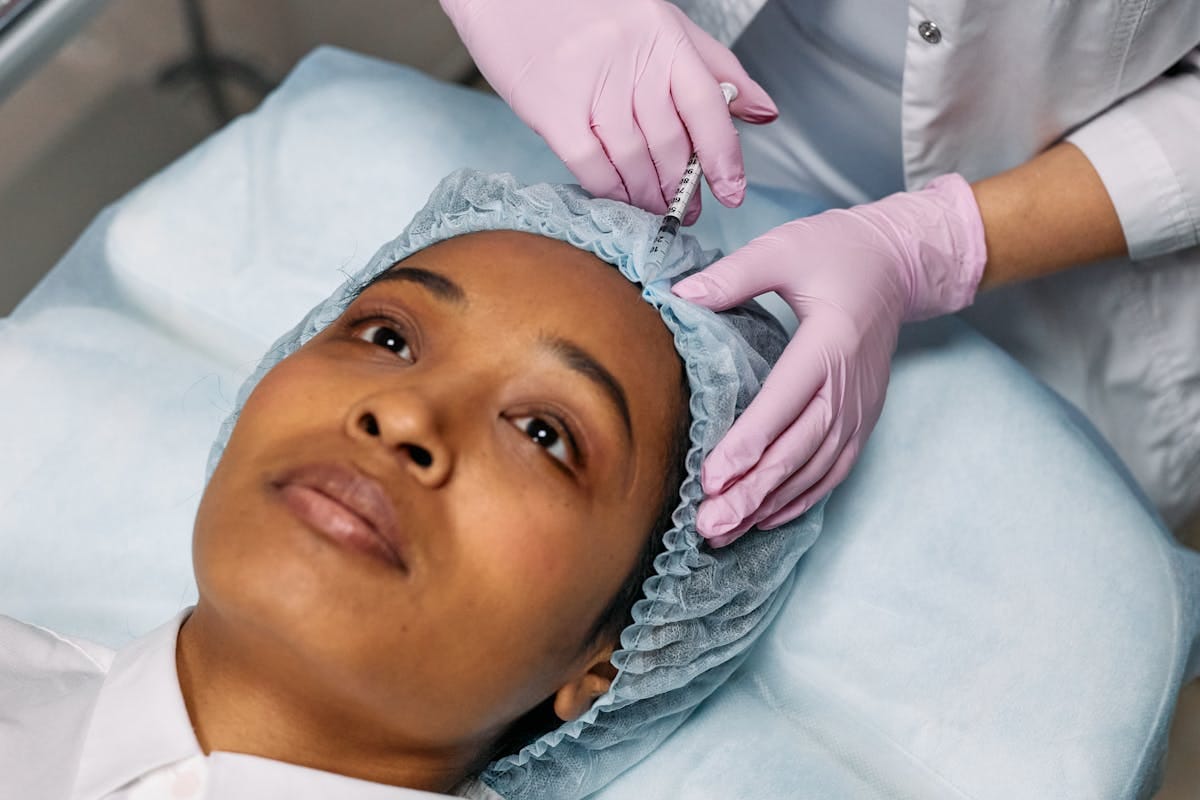
Knowing when does botox peak helps set expectations. If you are at the two-week mark and feel your results are not where you expected them to be, the right move is to contact your healthcare provider rather than assuming the treatment did not work. A few possibilities exist.
You may have received a lower dosage than needed to achieve your desired results. In first treatment appointments, some injectors start conservatively to assess how your specific facial muscles respond. An allergic reaction to the botulinum toxin is rare but possible, and your medical provider needs to know if you are experiencing any unusual symptoms. In some cases, the botox simply did not deposit in the optimal location, which is addressed at your follow-up appointment.
Never request additional botox before the two-week mark. Even experienced patients can misjudge results in the first week when the treatment is still building. Giving the full results time to settle before evaluating is important for getting the most accurate read on what your botox injections achieved.
Tips for Getting the Best Botox Results
To ensure your botox treatment reaches its maximum results on schedule, a few things help. Avoid rubbing or massaging the injection site for 24 hours after your appointment. Avoid strenuous exercise for the first day as well, since increased blood flow can cause the botulinum toxin to migrate slightly from the target area. Sleep on your back the first night rather than pressing your face against a pillow.
Staying well hydrated supports skin quality during recovery, and avoiding alcohol for 24 hours before and after your botox appointment reduces the risk of bruising. Follow any specific aftercare instructions from your board-certified dermatologist or plastic surgeon, as individual guidance varies based on the specific areas treated and the amount of botox used.
Working with a qualified medical professional is the most important factor in getting consistent, natural-looking results from botox. For a comprehensive overview of aesthetic treatments available, visit our Skincare + Beauty guide, which covers everything from injectables to advanced skin treatments.
Frequently Asked Questions
How long does it take for botox to fully kick in?
Botox fully kicks in at around 10 to 14 days after injection. Some people see changes as early as day 3 to 4, but the full effects of botox in all treated areas are typically complete by the two-week mark. Waiting the full two weeks before evaluating your results gives the most accurate picture of what the treatment achieved.
Why does botox take 2 weeks to peak?
Botox takes time to peak because the botulinum toxin works by gradually inhibiting the nerve impulses that cause facial muscles to contract. The protein must bind to nerve endings and block the neuromuscular communication pathway, which happens progressively over the first one to two weeks after injection. The muscle contractions weaken progressively rather than stopping all at once.
Can botox peak earlier than 2 weeks?
Yes, some patients see their botox peak earlier, particularly around day 10 or even day 7 for certain injection sites. Areas with smaller, more superficial facial muscles tend to respond faster. However, most practitioners set the two-week follow-up appointment because peak results are not reliably established before that timeframe for the majority of patients.
What should I do if my botox has not worked after 2 weeks?
If you are at or past the two-week mark and see minimal change in the treated area, schedule a follow-up appointment with your healthcare provider. It is important not to self-diagnose or compare your results to others, since individual anatomy, muscle strength, and initial dosage all play a role. They will assess whether a touch-up with additional botox treatment is appropriate, whether the initial amount was sufficient, or whether there is another reason the expected results did not materialize. According to the American Academy of Dermatology, botox is considered safe and effective when administered by qualified medical professionals, and follow-up consultations are a normal part of the process.
Continue Exploring Luxury
Everything you need to elevate your everyday life — in one place.
📖 Get the Free Luxe Living Starter Guide