Can I Take Advil After Botox: What You Need to Know
This post contains affiliate links. If you click through and make a purchase, I may earn a small commission at no extra cost to you. As an Amazon Associate I earn from qualifying purchases.
Thinking about getting Botox but worried about taking Advil afterward? The question of can i take advil after botox is important for managing discomfort safely.
You should avoid taking Advil after Botox injections. This is because Advil, a non-steroidal anti-inflammatory drug (NSAID), can increase the risk of bruising and bleeding in the treated areas. Instead, use ice packs to help with any swelling or pain. The question of can i take advil after botox is important for managing discomfort safely.
regarding botox treatment, there are some aftercare tips to keep in mind. Avoid taking other blood thinners like ginkgo biloba, fish oil supplements, and vitamin E for at least a week prior to your Botox appointment. The question of can i take advil after botox is important for managing discomfort safely.
Stay away from heavy physical activity, heat exposure, and alcoholic beverages to minimize possible side effects and get the best results. The question of can i take advil after botox is important for managing discomfort safely.
To see the full effect of your botox treatment, follow the advice of your healthcare provider and take it easy for the first few days. The question of can i take advil after botox is important for managing discomfort safely.
Engaging in facial exercises, using cold compresses, and avoiding excessive sun exposure can help achieve optimal results.
Remember, botox injection sites need gentle care to ensure great results and a more youthful appearance. Always ask your provider directly: can i take advil after botox with my specific treatment?
Can I Take Advil After Botox: Medical Guidelines
Botox and Advil are both common in medical and cosmetic use. Understanding their functions and potential interactions can help make informed choices about your treatment. Always ask your provider directly: can i take advil after botox with my specific treatment?
What Is Botox?
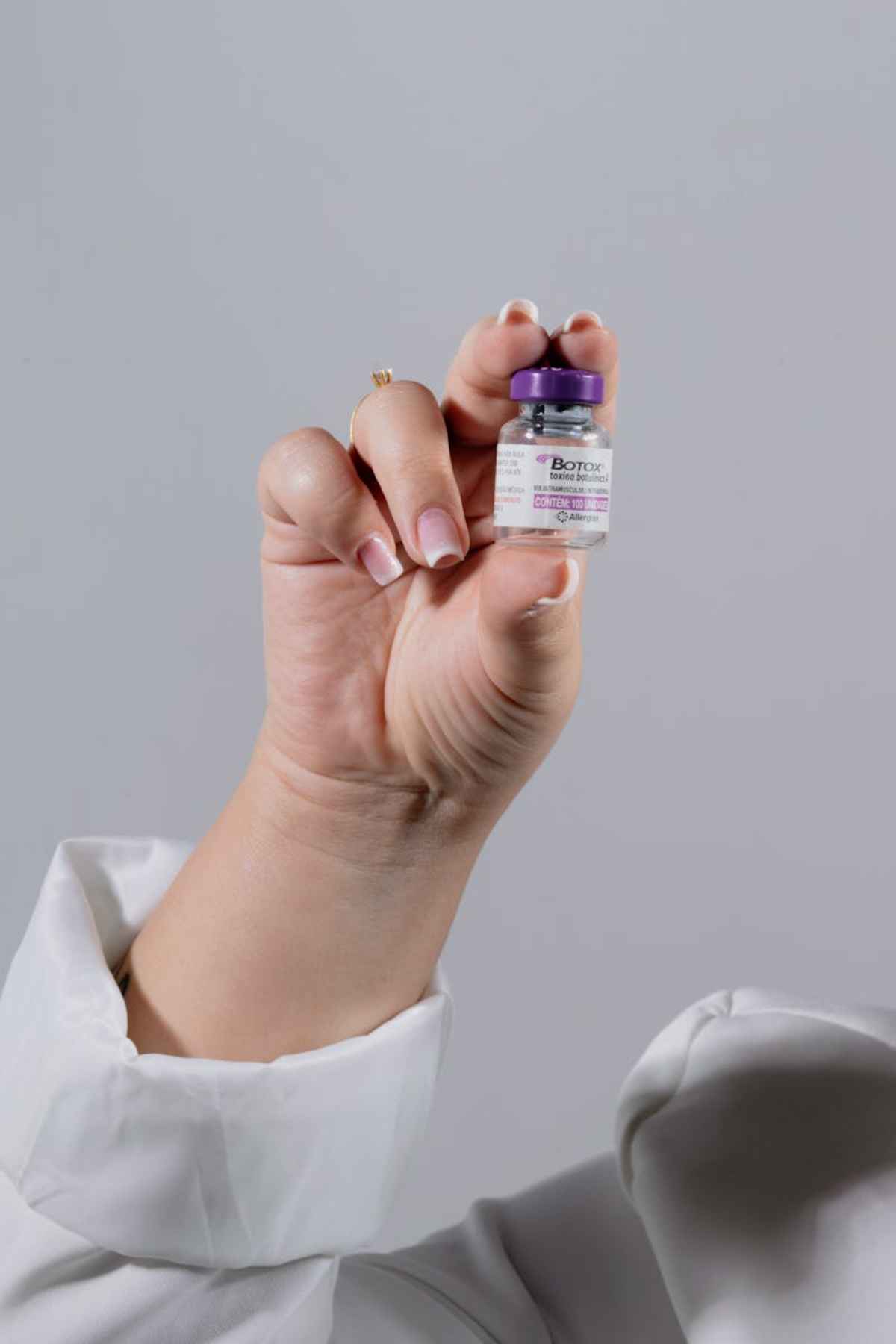
Botox is a popular cosmetic treatment. It involves injecting a neurotoxin called botulinum toxin into the facial muscles. This helps reduce wrinkles and fine lines. Always ask your provider directly: can i take advil after botox with my specific treatment?
Botox injections work by paralyzing or relaxing the muscles that cause wrinkles. Areas commonly treated include the forehead, crow’s feet, and frown lines. Always ask your provider directly: can i take advil after botox with my specific treatment?
The procedure is quick, often taking just about 10-15 minutes. Recovery is usually smooth, but some mild side effects like bruising and swelling can occur. For best results, follow the aftercare instructions from your healthcare provider closely.
Advil and Its Uses
Advil, a brand of ibuprofen, is an over-the-counter medication. It is commonly used for pain relief, reducing inflammation, and lowering fever.
It’s essential to note that Advil is a type of non-steroidal anti-inflammatory drug (NSAID). It works by blocking certain substances in your body that cause inflammation and pain.
People often use Advil for headaches, toothaches, muscle aches, and minor injuries. However, taking Advil after Botox might increase the risk of bruising and swelling in treated areas. Always consult your healthcare provider before taking any medication post-treatment to ensure the best possible results.
Potential Interactions
When considering taking Advil after Botox, it’s essential to understand how this combination might affect your treatment and health.
Medications and Botox
Various medications can interact with Botox injections. Blood thinners, like aspirin and certain prescription drugs, can increase the risk of bruising and swelling at the treated areas. Medications such as NSAIDs, including Motrin and Aleve, also fall into this category.
It’s important to discuss your medical history with your healthcare provider before your Botox appointment.
Other medications like Tylenol and certain supplements (like fish oil or ginkgo biloba) may also affect the results of your treatment. Avoiding certain substances like St. John’s Wort and vitamin E might be necessary to minimize any potential side effects.
Advil’s Effects on Botox
Advil, an NSAID, can impact Botox treatment, especially concerning bruising and swelling. Using Advil or other non-steroidal anti-inflammatory drugs post-treatment can increase blood flow to the treated area, which may cause more bruising.
It’s a good idea to use alternatives for pain relief, such as Tylenol, which won’t affect your blood vessels similarly.
To help reduce swelling and bruising, applying a cold compress or ice pack is recommended.
Avoiding strenuous exercise and alcohol is also advisable, as both can further increase blood flow and diminish the overall results of your Botox treatment. Always consult with your healthcare provider for the best advice.
Post-Botox Care Guidelines
After getting Botox injections, you need to follow specific guidelines to ensure the best results and a smooth recovery.
Immediate Aftercare
Right after your Botox treatment, you should pay close attention to the treated areas. Avoid touching or rubbing the injection sites to prevent the botulinum toxin from spreading to unintended areas.
Applying an ice pack can help reduce swelling and discomfort.
Stay away from strenuous exercise for at least 24 hours to keep your blood pressure and blood flow steady. This means no gym visits or any physical activity that makes you sweat a lot.
Also, steer clear of hot showers, saunas, and hot tubs to avoid excessive heat exposure.
Avoid lying down for about four hours after your Botox appointment. Sleeping or reclining too soon can cause the Botox to migrate.
Finally, refrain from consuming alcoholic beverages as they might increase the risk of bruising.
Long-Term Care and Maintenance
Long-term care for Botox patients involves maintaining healthy skin and habits to prolong the effects of Botox.
Avoid excessive sun exposure as UV rays can affect your skin and the Botox results. Using sunscreen or wearing a hat can protect your skin from the sun.
Avoid using facial treatments like chemical peels or laser treatments immediately after Botox. Give your skin time to recover, typically around 1-2 weeks.
Stay away from strenuous activities that can increase heart rate and fluid retention in your face. If you’re planning a trip, also learn about whether you can fly after Botox.
For optimal results, stick to your normal skincare routine, but be gentle around the treatment area.
Using cold compresses and arnica gel can help minimize any mild side effects like swelling or bruising.
Finally, scheduling follow-up visits with your healthcare provider can help maintain the best possible results and address any concerns.
Botox Results and Expectations
After receiving Botox injections, you might be anxious to see your results and wonder what to expect. It’s important to know both the timeline for results and what kind of changes you can realistically anticipate.
Anticipating Results
Typically, you may start to notice the effects of Botox within 3-5 days. The full effect usually appears after 7-10 days. This gradual change helps your new youthful appearance look more natural.
Some treated areas may show changes sooner than others. Your facial muscles will begin to relax, reducing the appearance of fine lines and wrinkles.
There may be mild side effects such as redness or tenderness at the injection sites. Using cold compresses or an ice pack can help reduce these effects.
Realistic Expectations
Botox is a temporary procedure, lasting about 3-4 months. While it significantly reduces wrinkles like crow’s feet and forehead lines, it won’t completely eliminate them.
Discussing your medical history with your healthcare provider is crucial. Certain medications, like non-steroidal anti-inflammatory drugs, can increase the risk of bruising.
Avoid strenuous activities and excessive sweating for at least 24 hours after treatment. Following botox aftercare guidelines will help achieve the best results.
If needed, additional Botox can be administered to fine-tune your results.
Your skin will look smoother and more relaxed, but it’s important to maintain realistic expectations about the changes you will see.
When to Consult Your Provider
If you experience discomfort or pain at the injection site, it’s a good idea to talk to your provider.
Do you notice any drooping of your eyelid or eyebrow after the botox treatment? This can be a sign of complications.
If you have muscle weakness, it might be due to botulinum toxin injections. Be sure to reach out if this happens.
Sudden and severe headaches after treatment should not be ignored. Contact your doctor immediately.
If you’re pregnant or might be pregnant, always check with your healthcare provider before any treatments.
People with certain medical conditions like neuromuscular disorders should discuss their health with the doctor first.
Noticed an allergic reaction like rashes or itching? Get in touch with your plastic surgeon or healthcare provider right away.
Any serious side effects like difficulty breathing, swallowing, or speaking should be treated as emergencies. Always call your provider or emergency services.
If you are on prescription blood thinners or anti-inflammatory medications, inform your doctor. This could affect how you heal and respond to treatment.
Your doctor knows your medical history best. Before your next appointment, discuss any concerns or issues you’ve had.
Frequently Asked Questions
After getting Botox, it’s normal to have questions about aftercare, medications, and what activities to avoid. Here are some common questions and important information for your post-Botox care.
What pain relievers are safe to use after getting Botox?
You can safely take acetaminophen (Tylenol) for pain relief after Botox injections. Avoid non-steroidal anti-inflammatory drugs (NSAIDs) like ibuprofen or aspirin, as they can increase the risk of bruising.
How soon after Botox can I take ibuprofen?
It’s best to wait at least 24 to 48 hours before taking ibuprofen after your Botox treatment to avoid increasing the risk of bruising.
Is it okay to use Tylenol for a headache post-Botox treatment?
Yes, Tylenol is safe to use if you develop a headache after your Botox appointment. It does not increase bruising risks and can provide effective pain relief.
Are there any restrictions on laying down after Botox injections?
You should avoid lying down for at least 4 hours after getting Botox. This helps ensure the botulinum toxin stays in the desired areas and reduces the risk of complications.
Can I take paracetamol to ease discomfort following Botox?
Paracetamol, like Tylenol, is a good option to ease any discomfort after Botox. It is safe and doesn’t interfere with the results of your treatment.
What should I avoid doing after having Botox injections?
Avoid vigorous exercise, alcohol, and hot tubs for 24 hours.
Hold off on any facial treatments, like chemical peels or laser treatments, for at least a week, read our guide on getting a facial after Botox to ensure optimal results and minimize side effects.
Continue Exploring Luxury
Everything you need for wine, food and entertaining, in one place.
📖 Get the Free Luxe Living Starter Guide