How Much Does Facial Threading Cost? A Complete Guide to PDO Thread Lifts
This post contains affiliate links. If you click through and make a purchase, I may earn a small commission at no extra cost to you. I only recommend products and services I personally use and trust.
If you’ve been researching non-surgical facelift options, you’ve probably found yourself asking: how much does facial threading cost? I’ve been through consultations at multiple aesthetic clinics and talked with board-certified plastic surgeons about PDO thread lifts, and the pricing is more nuanced than most people expect. This guide breaks down exactly what you’re paying for, what drives the cost up or down, and what you can realistically expect from the procedure.

What Is a PDO Thread Lift?
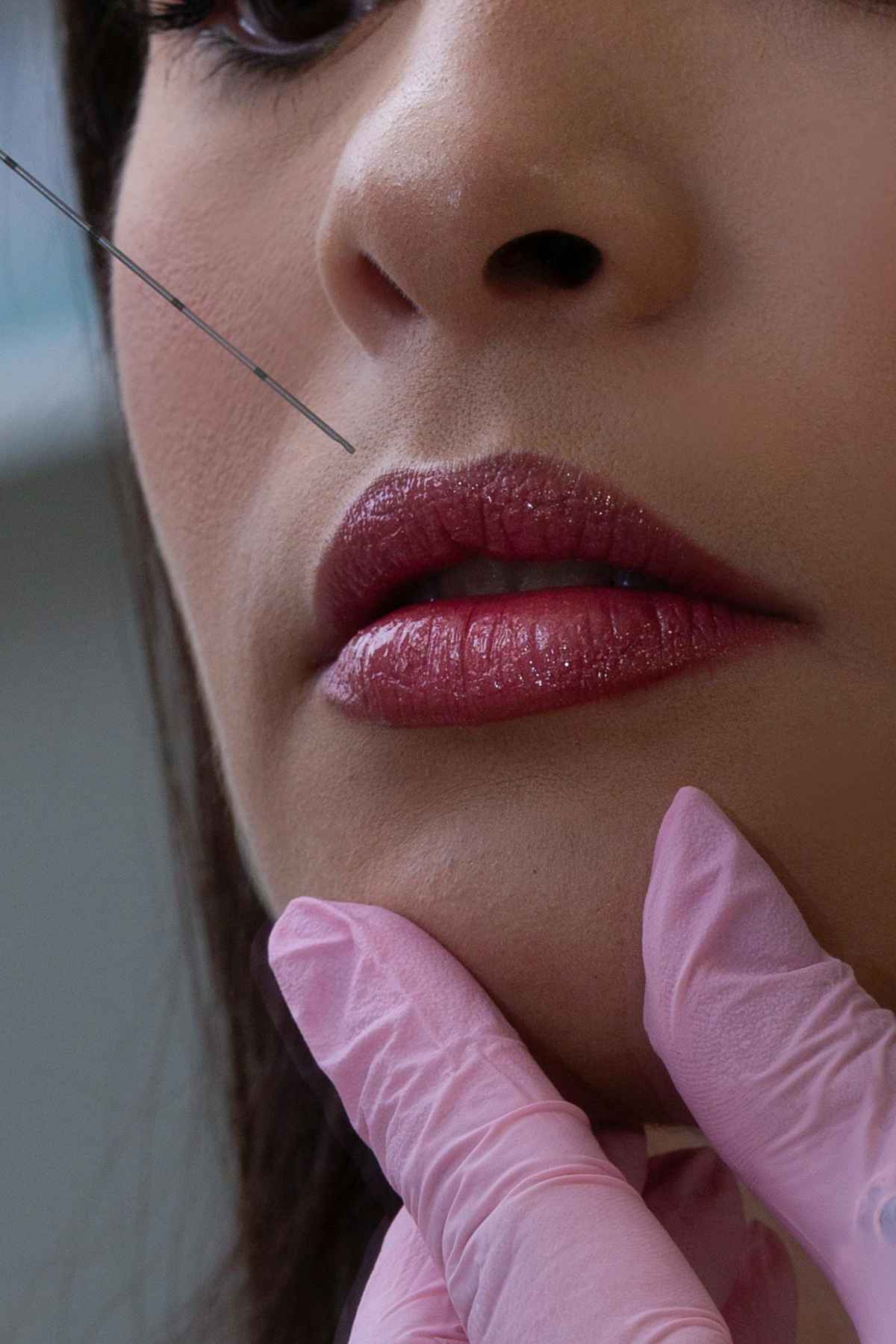
A PDO thread lift is a non-surgical procedure that uses dissolvable sutures made from polydioxanone, a biocompatible material, to lift and tighten loose skin. Unlike a traditional facelift or surgical facelift that requires general anesthesia and significant recovery time, a thread lift is performed under local anesthesia in an outpatient setting. The threads are inserted into the treatment area using a fine needle, where they anchor the facial tissue and gradually stimulate collagen production as they dissolve over several months. Understanding how much does facial threading cost helps patients budget for their procedure.
PDO threads come in two main types: smooth threads, which encourage collagen production but offer minimal lift, and barbed threads, which have tiny barbs that catch the skin and create an immediate lifting effect. The type of thread used, along with the number of threads placed and the specific areas treated, are all factors that directly affect the final cost. Understanding how much does facial threading cost helps patients budget for their procedure.
How Much Does Facial Threading Cost on Average?
The average cost of a PDO thread lift ranges from $1,500 to $4,500 for a full facial treatment in the United States. However, prices can go as low as $500 for a single treated area or climb past $6,000 for a comprehensive procedure targeting multiple areas of the face and neck. The wide range reflects differences in provider skill, geographic location, the number of threads used, and the complexity of the procedure. Understanding how much does facial threading cost helps patients budget for their procedure.
Breaking it down by treatment area, here is what you can typically expect to invest in the current market: Understanding how much does facial threading cost helps patients budget for their procedure.
- Full face thread lift: $2,500 to $4,500
- Brow lift (forehead area): $500 to $1,500
- Midface and nasolabial folds: $1,000 to $2,500
- Neck lift (neck thread lift): $1,500 to $3,500
- Jowl and lower face: $800 to $2,000
The average cost of a thread lift cited by the American Society of Plastic Surgeons tends to reflect board-certified providers in major metropolitan areas. In smaller cities, you may find pricing 20 to 30 percent lower for the same pdo thread lift procedure.
What Factors Affect the Cost of a Thread Lift?
Several variables drive the final price of a PDO thread lift, and understanding them helps you evaluate quotes from different providers.
Provider credentials and location. Plastic surgery clinics and board-certified plastic surgeons charge more than medical spas or aesthetic nurses for the same non-invasive procedure, and rightfully so. The skill of the provider directly affects how natural-looking the results appear and how safely the dissolvable sutures are placed. Cosmetic surgery centers in New York, Los Angeles, and Miami tend to price higher than providers in midsize cities, even when skill level is comparable.
Number of threads used. A full facial treatment may require anywhere from 4 to 20 or more threads depending on the degree of loose skin and the specific areas targeted. More threads means more time and more material cost, which drives the price up. Some clinics price per thread, while others quote a flat rate for a specific treatment package.
Type of thread. Barbed threads like silhouette instalift are more expensive than smooth PDO threads because they offer more dramatic lifting. Specific thread brands carry premium pricing. A pdo thread lift procedure using premium branded threads will cost noticeably more than a standard thread lift using generic polydioxanone sutures.
Complexity of treatment. Patients with significant skin laxity or those seeking treatment in multiple areas require more time in the procedure chair, which adds to the cost. The lower face and neck area, which involves more delicate facial tissue, often carries a higher price than brow lifting.
PDO Thread Lift vs. Traditional Facelift: Is the Cost Difference Worth It?
A traditional facelift or surgical facelift typically costs between $8,000 and $15,000, including general anesthesia, facility fees, and surgeon fees. A traditional facelift also involves significant recovery time, with most patients taking one to two weeks off from normal activities and up to six weeks before returning to strenuous exercise. By contrast, most PDO thread lift patients return to daily activities within 48 to 72 hours.
The tradeoff is longevity. Facelift surgery produces results that can last 10 years or more because it involves physically repositioning and removing excess facial tissue. Thread lift results, while visible immediately, tend to last 12 to 24 months as the dissolvable threads dissolve and the collagen production they stimulate gradually fades. Longer-lasting results from a thread lift require repeat treatments.
For patients who are good candidates, meaning those with mild to moderate loose skin and early signs of aging rather than advanced facial tissue descent, a thread lift offers natural-looking results at a fraction of the cost of plastic surgery. It is not a direct replacement for facelift surgery, but it fills an important gap for patients who are not yet ideal candidates for a traditional facelift or who prefer a non-surgical procedure with minimal downtime.
Who Is the Best Candidate for a Thread Lift?
The best candidates for a PDO thread lift are typically men and women in their 30s to 50s with mild to moderate skin laxity who want to address early signs of aging without committing to plastic surgery. Good candidates have enough facial tissue for threads to grip effectively, good skin tone and skin texture, and realistic aesthetic goals about what a non-surgical treatment can accomplish.
Patients who are not ideal candidates include those with significant loose skin, heavy jowling, or substantial excess skin around the lower face and neck. For these individuals, a traditional facelift or surgical facelift will produce better results because the physical removal of excess skin is necessary for optimal outcomes. A skilled provider will tell you honestly during your initial consultation whether you are a good candidate or whether facelift surgery would serve your individual needs better.
A thread lift is also not appropriate for patients with certain medical conditions that affect healing, those prone to keloid scarring, or those on blood thinners. Side effects are generally mild and may include temporary swelling, bruising, and dimpling, but serious complications are rare when the procedure is performed by a qualified provider. For a deeper look at how non-surgical treatments compare, see our guide on skincare and aesthetic treatments to understand the full landscape of options available today.

What to Expect During and After the Procedure
A PDO thread lift is typically performed in 30 to 60 minutes, depending on the number of threads and the specific areas being treated. Local anesthesia is applied to the treatment area before the procedure begins, so most patients experience minimal discomfort. The threads are inserted using a hollow needle or cannula, which is guided through the facial tissue to the desired position.
Immediately after the procedure, you may notice a visible lifting effect along with mild swelling and sensitivity in the treated area. These side effects resolve within one to two weeks for most patients. Recovery time is one of the clearest advantages of a thread lift over facelift surgery, with most patients resuming normal activities the following day while avoiding strenuous exercise for about two to three weeks.
Over the weeks that follow, collagen production begins in the tissue around the dissolvable sutures, gradually improving skin texture, fine lines, and overall skin tone. The biocompatible material fully dissolves over about six months, but the collagen-stimulating effects continue to build for up to a year. Thread lift results typically peak at three to six months post-procedure and then gradually fade as the elastin production and collagen matrix from the initial response naturally metabolizes.
Does Insurance Cover the Cost?
PDO thread lifts are considered elective cosmetic procedures and are not covered by health insurance in the United States. You will need to pay out of pocket. Many aesthetic clinics and cosmetic surgery practices offer financing through third-party providers like CareCredit, which allows patients to spread the cost over monthly payments. If you are comparing providers, ask about financing options during the consultation, as this can make a full facial treatment more accessible without requiring full payment upfront.
Some practices also offer package pricing for multiple treatment areas or combine a thread lift with other cosmetic treatments like Botox or dermal fillers at a reduced total cost. If you are already receiving regular injectables, bundling may offer better value. Understanding when Botox peaks in relation to your thread lift timeline can help you coordinate treatments for optimal results. For a comprehensive take on collagen-boosting ingredients that complement thread lift results, our piece on hyaluronic acid vs collagen covers the science clearly.
How to Find a Qualified Thread Lift Provider
Before scheduling a consultation, verify that the provider is board-certified in plastic surgery, dermatology, or a related medical specialty. The American Society of Plastic Surgeons maintains a searchable directory of board-certified plastic surgeons at plasticsurgery.org where you can confirm credentials and read reviews from verified patients.
Ask to see before and after photos from actual patients treated at that specific practice, not stock images. Discuss your aesthetic goals openly so the provider can assess whether you are a good candidate and which type of thread, number of threads, and treatment area approach will best serve your individual needs. A reputable provider will be transparent about the realistic expected results, the risks of side effects, and how this non-invasive procedure compares to other cosmetic procedures for your specific situation.
Pricing should be discussed in full during the initial consultation, including all facility fees, the cost of the threads themselves, and any follow-up appointments. Be cautious of practices offering dramatically lower pricing without clear explanation, as the quality of the procedure and the provider’s experience directly affects both natural-looking results and patient safety.
Continue Exploring Luxury
Everything you need to elevate your everyday life — in one place.
📖 Get the Free Luxe Living Starter Guide