Azelaic Acid vs Retinol: Unveiling the Best for Your Skin Care Routine
This post contains affiliate links. If you click through and make a purchase, I may earn a small commission at no extra cost to you. As an Amazon Associate I earn from qualifying purchases.
Understanding Azelaic Acid
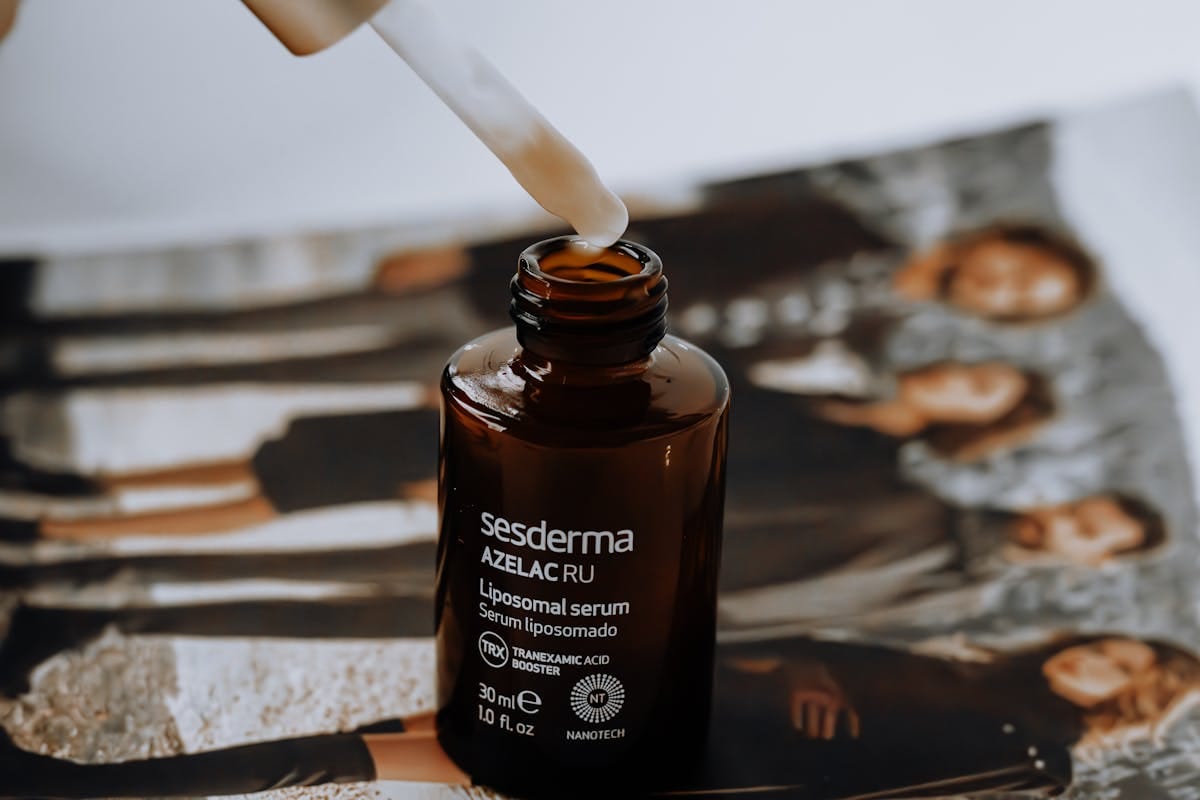
What Is Azelaic Acid?
Azelaic acid is a naturally occurring dicarboxylic acid that you can find in grains like wheat, rye, and barley. It’s not only a standout skincare ingredient on its own but also works effectively when combined with other skincare products.Benefits of Azelaic Acid for Skin
Azelaic acid’s multifunctionality lies in its anti-inflammatory properties, making it beneficial for rosacea-prone skin and reducing redness.For those battling acne, azelaic acid helps by killing acne-causing bacteria and decreasing sebum production. Additionally, it aids in fading dark spots and hyperpigmentation by inhibiting the production of melanin, contributing to an even skin tone.It can be a gentler alternative to alpha-hydroxy acids or beta-hydroxy acids, offering a boon to sensitive skin types.- Anti-inflammatory: Reduces swelling and redness, especially in sensitive skin types.
- Antibacterial: Targets acne-causing bacteria that can lead to acne breakouts.
- Melanin Inhibitor: Helps in reducing pigmentation, such as post-inflammatory hyperpigmentation and sun damage.
How to Use Azelaic Acid
To incorporate azelaic acid into your skincare routine, start with clean skin, using a gentle cleanser.Apply it to dry skin, following up with moisturizer and sunscreen, as it can make your skin more sensitive to the sun.When first starting an azelaic acid product, you might experience slight skin irritation, so it’s advised to introduce it slowly into your regimen.- Start Slowly: Begin with lower concentrations and increase as your skin acclimates.
- Combine Wisely: Pair with other active ingredients like vitamin C for enhanced benefits.
- Consistency Is Key: For best results, use consistently as part of your regular skincare routine.
Exploring Retinol
What Is Retinol?
Retinol is a derivative of Vitamin A, which is essential for boosting collagen production and accelerating cell turnover. As one of the most researched skincare ingredients, retinoids like retinol work by signaling cells to behave more youthfully.Retinol’s Role in Skincare
Your skin benefits from retinol in different ways. It’s widely recognized for reducing the appearance of fine lines and wrinkles by aiding in the production of collagen.Moreover, it helps to improve skin texture, fade dark spots from sun damage, and manage acne by preventing dead skin cells from clogging pores.- Anti-Aging: Stimulates collagen production; reducing wrinkles.
- Acne Control: Enhances cellular turnover, combating acne breakouts.
- Skin Tone: Aids in evening out uneven skin tone and texture.
Proper Retinol Application
For best results, integrate retinol into your skincare routine gradually to minimize potential irritation.Begin with lower concentrations and apply it after washing your face with a gentle cleanser.- Frequency: Start using retinol 2-3 times a week, gradually increasing.
- Quantity: A thin layer is sufficient; a pea-sized amount typically covers the face.
- Sun Sensitivity: Apply retinol in the evening as it increases sensitivity to sunlight; always follow with sunscreen during the day.
Comparing Effects on Skin Concerns

Acne and Breakouts
Azelaic Acid: This naturally occurring dicarboxylic acid reduces inflammation and helps to kill acne-causing bacteria, effectively minimizing acne breakouts. It is known for its antibacterial properties, which makes it a good choice for acne-prone skin.For best results, it’s advised to incorporate an azelaic acid product into your daily regimen.Retinol: A derivative of Vitamin A, retinol, promotes skin cell turnover and can unclog pores, thereby reducing breakouts. It’s also useful in increasing collagen production, which may prevent future acne scarring.Pigmentation and Dark Spots
Azelaic Acid: With its ability to inhibit the production of melanin, azelaic acid is effective against hyperpigmentation, including melasma and post-inflammatory hyperpigmentation (dark spots following breakouts).It can be consistently used in your skincare routine to help even out your skin tone.Retinol: Retinol works by accelerating cellular turnover, which aids in fading dark patches and sun damage. Over time, the consistent use of a retinol product will help diminish the appearance of age spots and other forms of discoloration.Sensitive Skin and Irritation
Azelaic Acid: Azelaic acid is well-received by sensitive skin types due to its anti-inflammatory properties. It soothes redness and skin irritation, making it suitable for those with rosacea-prone skin.A gentle cleanser followed by an azelaic acid product can help maintain a calm skin texture.Retinol: Those with sensitive skin should use retinol cautiously as it may cause potential irritation, particularly in higher concentrations.Starting with a lower concentration and gradually working your way up, along with proper moisturization, can help your skin adapt without adverse reactions.Combining Azelaic Acid and Retinol
Azelaic acid and retinol are powerful skincare ingredients with multiple benefits. Understanding how to use them together can enhance your skincare routine.Can You Use Azelaic Acid and Retinol Together?
Yes, combining azelaic acid and retinol in your skincare routine is possible. These ingredients work in different ways to improve skin texture and tone.Azelaic acid is an anti-inflammatory and antibacterial agent that helps with acne and hyperpigmentation, while retinol, a form of vitamin A, boosts collagen production and accelerates skin cell turnover, aiding in the reduction of fine lines and sun damage.It is advised to consult with board-certified dermatologists before starting any new skincare regimen, especially if you have sensitive skin.Key Points:- Azelaic Acid: Addresses hyperpigmentation, anti-inflammatory.
- Retinol: Promotes collagen, fights wrinkles, enhances skin cell turnover.
How to Layer Azelaic Acid and Retinol
For best results, layer these active ingredients correctly.Start with a gentle cleanser to remove dead skin cells. Then apply retinol at night since it can make your skin more photosensitive.Use a pea-sized amount and wait for your skin to absorb it fully before moving to the next step.Introduce azelaic acid into your regimen slowly, and preferably use it in the morning. If you experience skin irritation, adjust the frequency of application.Order of Application:- Cleanse skin gently.
- Apply a thin layer of retinol.
- Wait until fully absorbed.
- In the morning, follow with azelaic acid product.
Safety and Efficacy
While both azelaic acid and retinol are generally safe, starting with lower concentrations and monitoring for potential irritation is essential.Always use a moisturizer to help combat any dryness caused by these active products, and never forget sunscreen during the day to protect against UV-induced potentiation of dark spots.If your skin is reactive, consider using these ingredients on alternate nights or combining them with soothing components like hyaluronic acid.Tips for Sensitive Skin:- Moisturize: Keeps skin hydrated.
- Sunscreen: Essential for AM protection.
- Use lower concentrations to minimize irritation.
- Patch test any new product to check for adverse reactions.
Choosing the Right Products
- Azelaic Acid: A naturally occurring dicarboxylic acid with antibacterial and anti-inflammatory properties. It’s suitable for sensitive skin types. It can help improve skin texture, reduce dark spots, and control acne by killing acne-causing bacteria.
Benefits Ideal for Skin Type Usage Tips Reduces inflammation Sensitive Start with lower concentrations; Use a gentle cleanser before application Fades hyperpigmentation Rosacea-prone Apply a thin layer to affected areas Prevents future breakouts Acne-prone Consistency is key for best results - Retinol: A derivative of vitamin A, it’s notable for boosting collagen production, speeding up skin cell turnover, and improving the appearance of fine lines and sun damage.
Benefits Ideal for Skin Type Usage Tips Diminishes wrinkles Mature Introduce gradually to your routine; Use sunscreen daily Refines skin texture Uneven Tone Pair with a moisturizer to combat dryness Brightens complexion Dull skin Avoid using with benzoyl peroxide to reduce potential irritation - Essential Add-ons:
- Sunscreen: Protects against sun damage, a must when using retinol.
- Moisturizer: Hydrates and soothes the skin; look for products with hyaluronic acid.
When to Consult a Dermatologist
- Persistent Concerns: If acne breakouts or rosacea persist despite your routine.
- Skin Reactions: Experiencing severe skin irritation or allergic reactions.
- Customization: To tailor a skincare routine for specific needs or conditions.
You might also like: Peptides vs Retinol: Comparing Skincare Powerhouses · Lactic Acid vs. Retinol: Skincare Secrets for Travelers · Hyaluronic Acid vs Collagen: Key Differences and Benefits Explained
Continue Exploring Luxury
Everything you need for wine, food and entertaining, in one place.
📖 Get the Free Luxe Living Starter Guide