Types of Table Wine: A Complete Guide to Everyday Wine Styles
This post contains affiliate links. If you click through and make a purchase, I may earn a small commission at no extra cost to you. I only recommend products and services I personally use and trust.
Types of table wine cover a broader range than most people realize, and I spent years trying to make sense of it before I had the vocabulary to describe what I was actually tasting. Table wine is the term used for everyday drinking wine, the kind of wine you open on a Tuesday or bring to a dinner party without overthinking it. It is the opposite of dessert wines, sparkling wines, or fortified wines. Understanding the different types of table wine helps you make better choices at a wine shop, read a restaurant list more confidently, and develop real preferences rather than just guessing. For a broader introduction to wine, see our wine and spirits guide.
What Is Table Wine
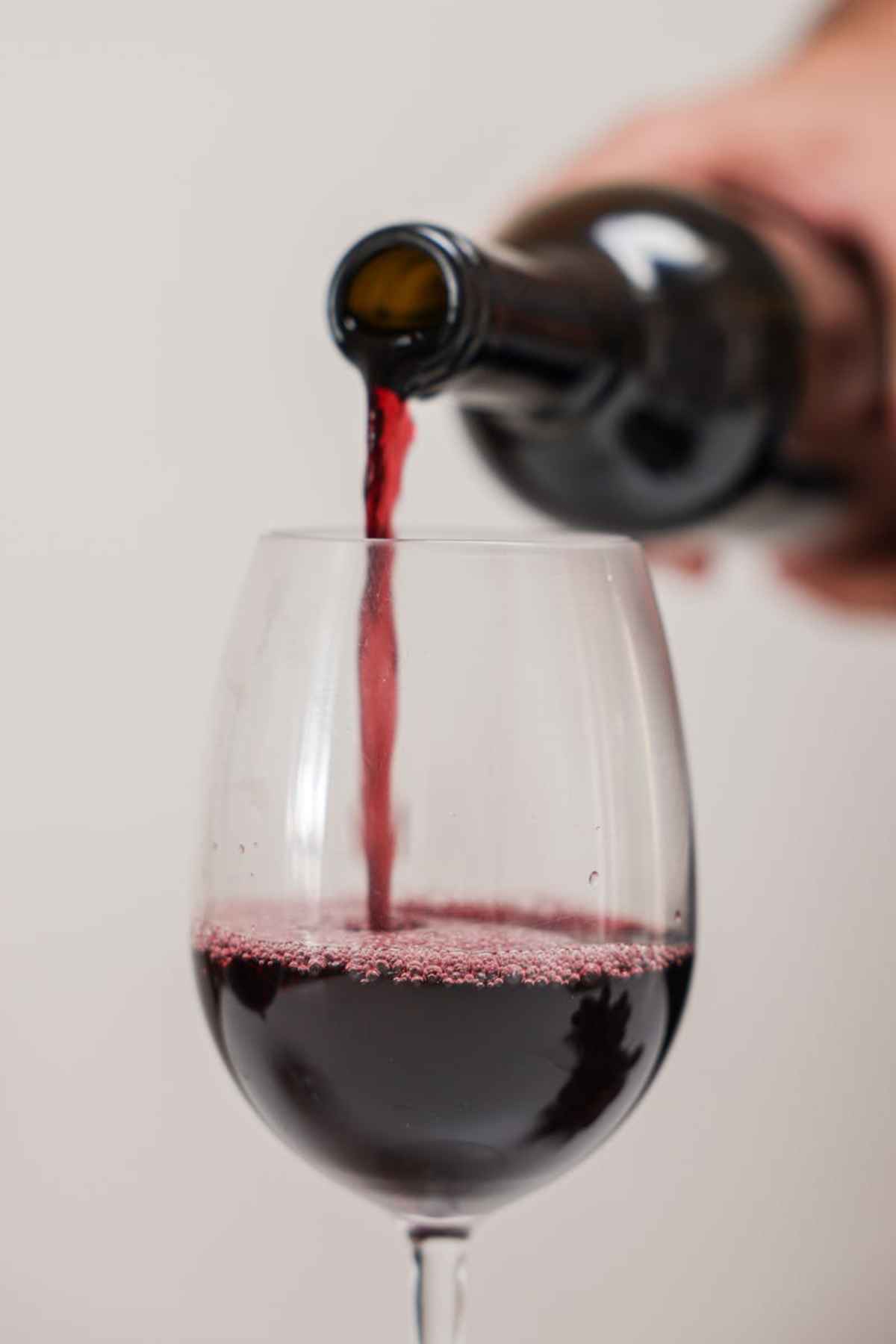
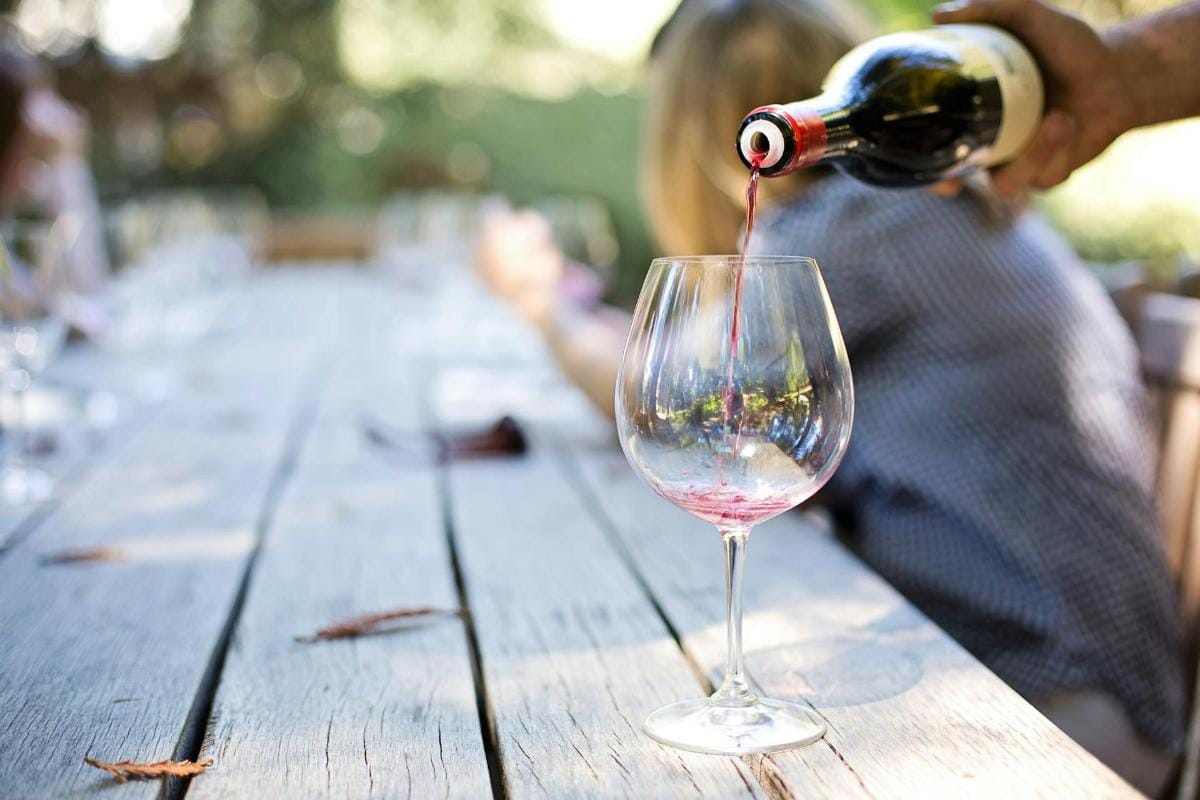
Table wine is any still, non-fortified wine with an alcohol content typically between 8 and 15 percent alcohol by volume. The name comes from the French tradition of pairing wine with food at the table, as opposed to serving it after dinner as a dessert wine or drinking it as an aperitif. In the United States and most of Europe, the classification serves both a legal and a cultural function. Legally, table wine must fall within specific alcohol limits to be labeled as such. Culturally, it means an unpretentious, versatile wine made for food pairing and everyday enjoyment.
The fermentation process that makes table wine is the same basic one used for all wine. Grape juice ferments when yeast converts the natural sugars in the grapes into alcohol. What distinguishes the different types of table wine from one another is the grape variety used, the wine regions where the grapes grow, the winemaking choices made in the cellar, and how long the wine ages before bottling.
Types of Table Wine by Color
Red Table Wines
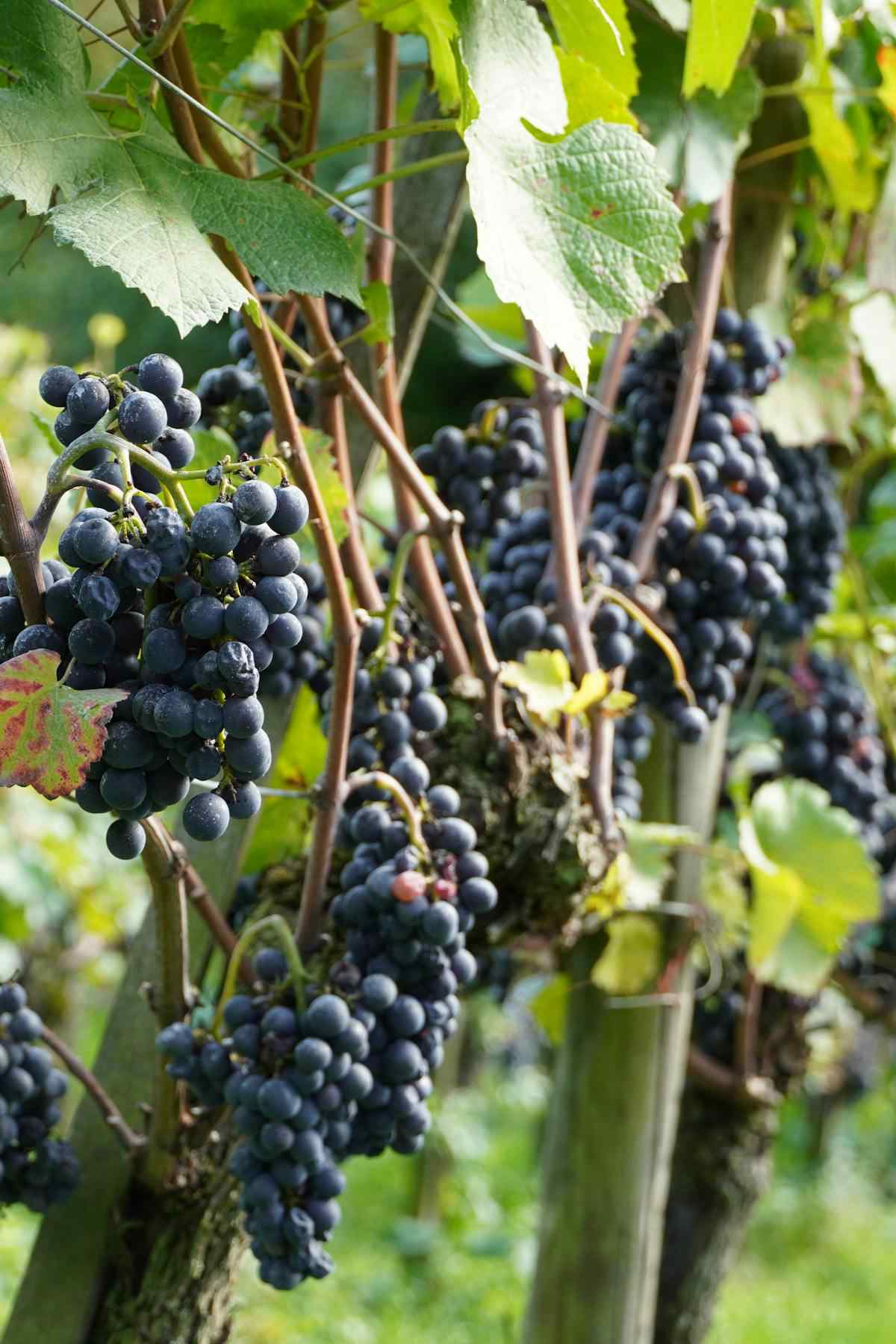
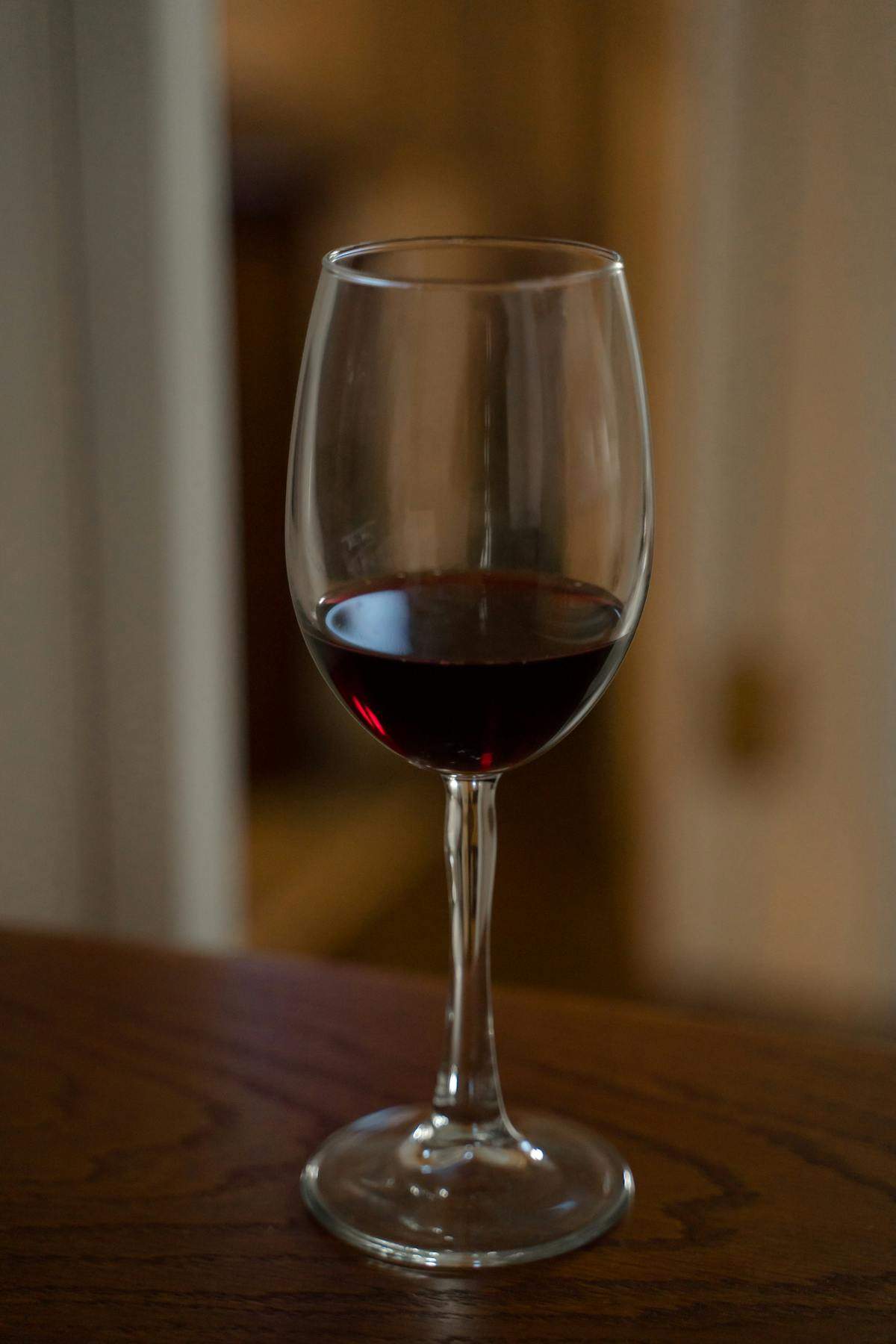
Red table wines come from red grapes or dark-skinned wine grapes that are fermented with their skins intact. The skins give red wine its color, tannins, and much of its structure. The most familiar red table wine grape varieties include cabernet sauvignon, pinot noir, cabernet franc, merlot, syrah, and zinfandel. These wines range from light and delicate to full-bodied wine styles depending on the grape and the wine region.
Cabernet sauvignon is the most widely planted red wine grape in the world. It produces full-bodied wine with high tannins, dark fruit flavors, and good aging potential. It grows well in many specific regions, including Bordeaux blends, California, and parts of South America and South Africa. Pinot noir sits at the opposite end of the spectrum, producing light, elegant red wines with lower tannins and flavors of red fruit, earth, and subtle spice. It is particularly sensitive to its growing environment and performs exceptionally well in Burgundy, Oregon, and New Zealand.
Cabernet franc is a parent grape of cabernet sauvignon and produces wines with slightly higher acidity and notes of herbs and red berries. It thrives in the Loire Valley and in Bordeaux blends. For those building familiarity with red grapes, our overview of types of red wine grapes covers 15 varieties in detail. Understanding each grape’s character is the best way to develop real preferences and navigate a wine list with confidence.
White Table Wines
White wines are produced from white grapes or, in some cases, from red grapes where the juice is separated from the skins before fermentation. Common white wine grapes include chardonnay, sauvignon blanc, pinot grigio, riesling, pinot gris, and chenin blanc. These wines vary from bone dry to off-dry, from light and crisp to rich and full-bodied, depending on the grape and winemaking approach.
Sauvignon blanc is one of the most recognizable dry white wine styles. It typically shows high acidity, citrus and herbal notes, and is made to be consumed young. It is grown across many wine regions, with notable expressions coming from the Loire Valley, New Zealand, and California. Pinot grigio and pinot gris are the same grape variety, but they are often made in very different styles. Italian pinot grigio tends to be light, crisp, and neutral, while Alsatian pinot gris can be rich, full, and even slightly sweet. Chenin blanc is one of the most versatile white grapes, capable of producing dry wine, sweet wine, and sparkling wine styles, particularly in South Africa and the Loire Valley.
Chardonnay is the world’s most planted white grape and produces table wine that ranges from lean and mineral in Chablis to rich and buttery in California. The winemaking approach, particularly whether the wine sees oak aging, shapes the flavor more than almost any other factor. Chardonnay grown on white grapes in cooler regions tends toward apple and citrus, while warmer-climate versions show ripe tropical fruit and more body.
Rosé Table Wines
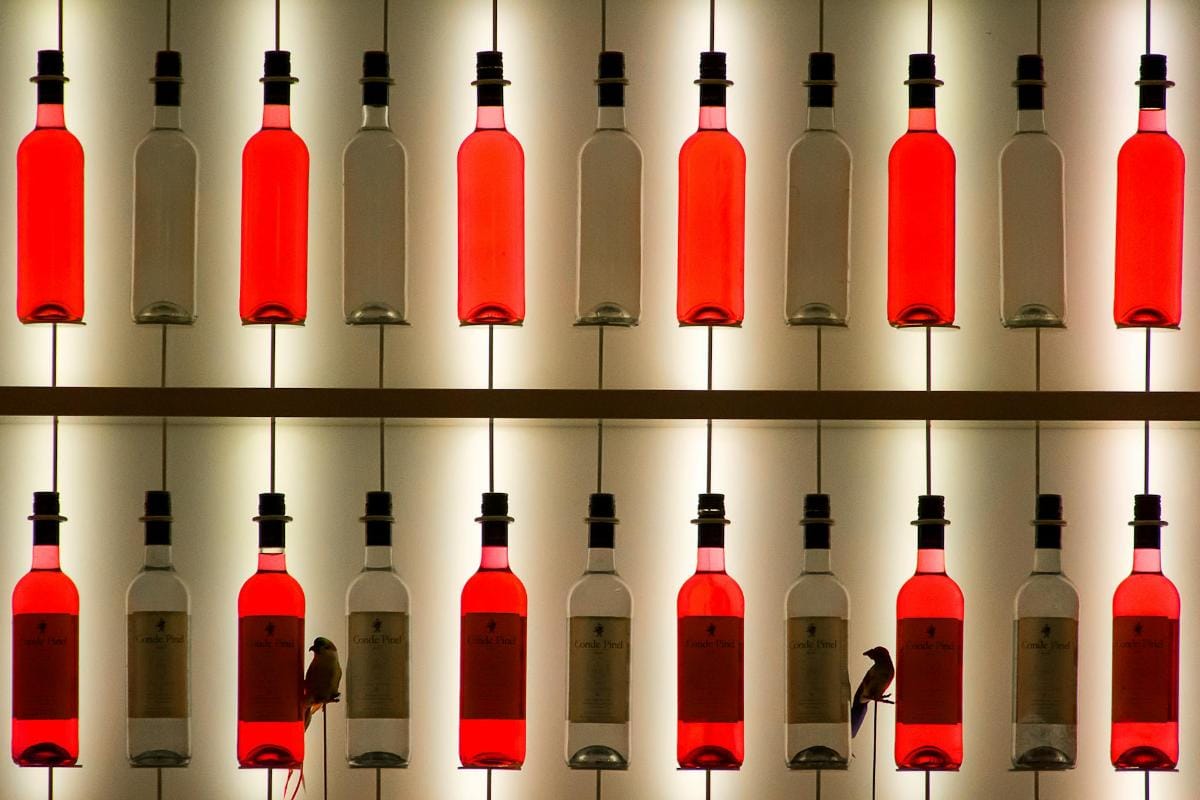
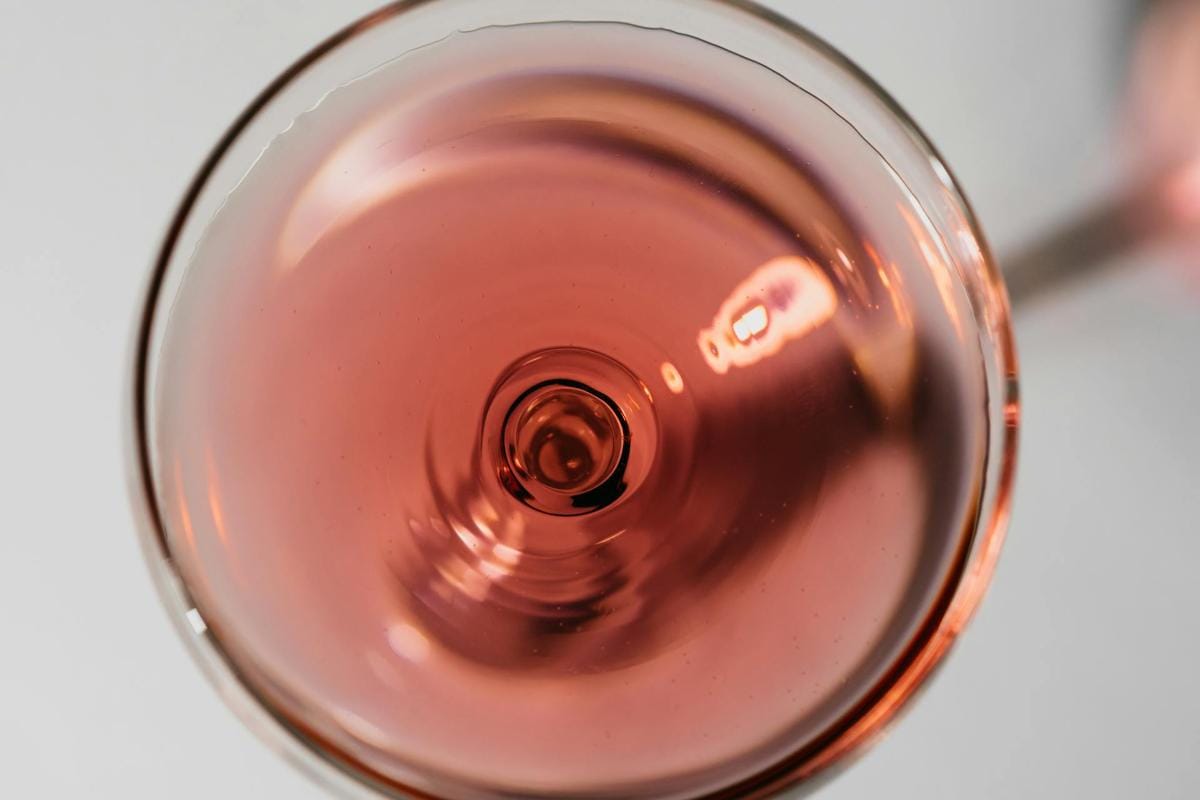
Rosé wines are made primarily from red grapes, with the grape juice spending a short time in contact with the red grape skins before being separated. This brief skin contact gives the wine its pink color without the full tannin structure of a red wine. Rosé wines can be dry or slightly sweet and are associated with summer drinking, though good rosé wines pair well with food year-round. Quality wines from Provence in southern France set the benchmark for dry rosé, while Spanish, Italian, and American rosé wines offer a wide range of styles.
Table Wine vs. Dessert, Sparkling, and Fortified Wines
The clearest way to understand types of table wine is to understand what table wine is not. Dessert wines have residual sugar left after fermentation, often because the fermentation was stopped early or because the grapes were harvested very ripe. Sweet wine styles like Sauternes, ice wine, and late harvest riesling fall into this category. Their percent alcohol is often lower, and their sweetness makes them best suited for small servings after dinner.
Sparkling wines like Champagne, Prosecco, and Cava undergo a secondary fermentation that creates bubbles. Fortified wines like port, sherry, and Madeira have had their fermentation interrupted by the addition of neutral grape spirit, which raises the alcohol content above typical table wine levels and creates the distinctive sweetness and complexity these wines are known for.
Types of Table Wine by Body and Weight
One of the most practical ways to navigate the types of table wine is by body, which describes how heavy or light a wine feels in your mouth. Body correlates roughly with percent alcohol, tannin levels, and richness of flavor. Light-bodied red wines include pinot noir and some expressions of gamay. They pair well with salmon, chicken, and mushroom dishes. Medium-bodied reds include merlot, sangiovese, and tempranillo, and these are the most versatile food pairing wines. Full-bodied wine styles like cabernet sauvignon, syrah, and malbec pair best with grilled red meats, hearty stews, and aged cheeses.
For white wines, dry white wine styles like sauvignon blanc and pinot grigio are light and food-friendly across a wide range of dishes. Rich whites like oaked chardonnay and viognier pair well with cream sauces, lobster, and roasted chicken. Rosé wines generally fall in the light to medium category and pair well with salads, seafood, and light summer meals.
Table Wine from Major Wine Regions
The best way to understand quality wines and their character is through the lens of specific wine regions. Bordeaux blends typically combine cabernet sauvignon with merlot, cabernet franc, and other varieties, producing wines that span from approachable everyday bottles to some of the most age-worthy red wines in the world. Burgundy focuses primarily on pinot noir for reds and chardonnay for whites.
To deepen your understanding of table wine styles, Wine Folly: The Master Guide is an excellent visual reference that maps out grape varieties and wine regions clearly. Equally valuable is the World Atlas of Wine, the definitive guide to wine regions worldwide.
Shop the Post
Affiliate links. We may earn commission.
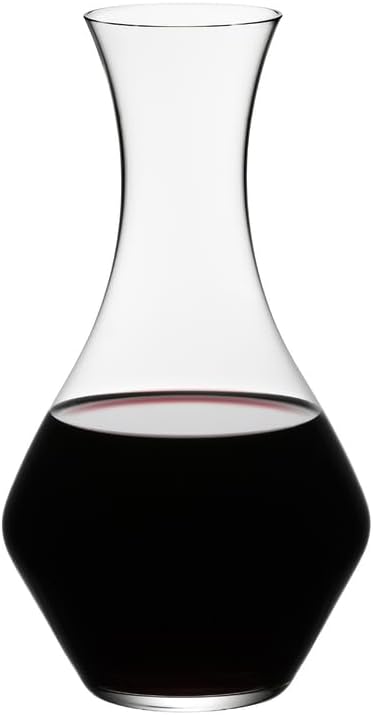
Riedel Cabernet Wine Decanter
Classic shape that opens up reds in 20 minutes
$65View on Amazon →
Riedel Vinum Pinot Noir Glasses, Set of 2
The Burgundy-style glass for delicate reds
$85View on Amazon →
Vinturi Essential Red Wine Aerator
Instant decanting in a single pour
$33View on Amazon →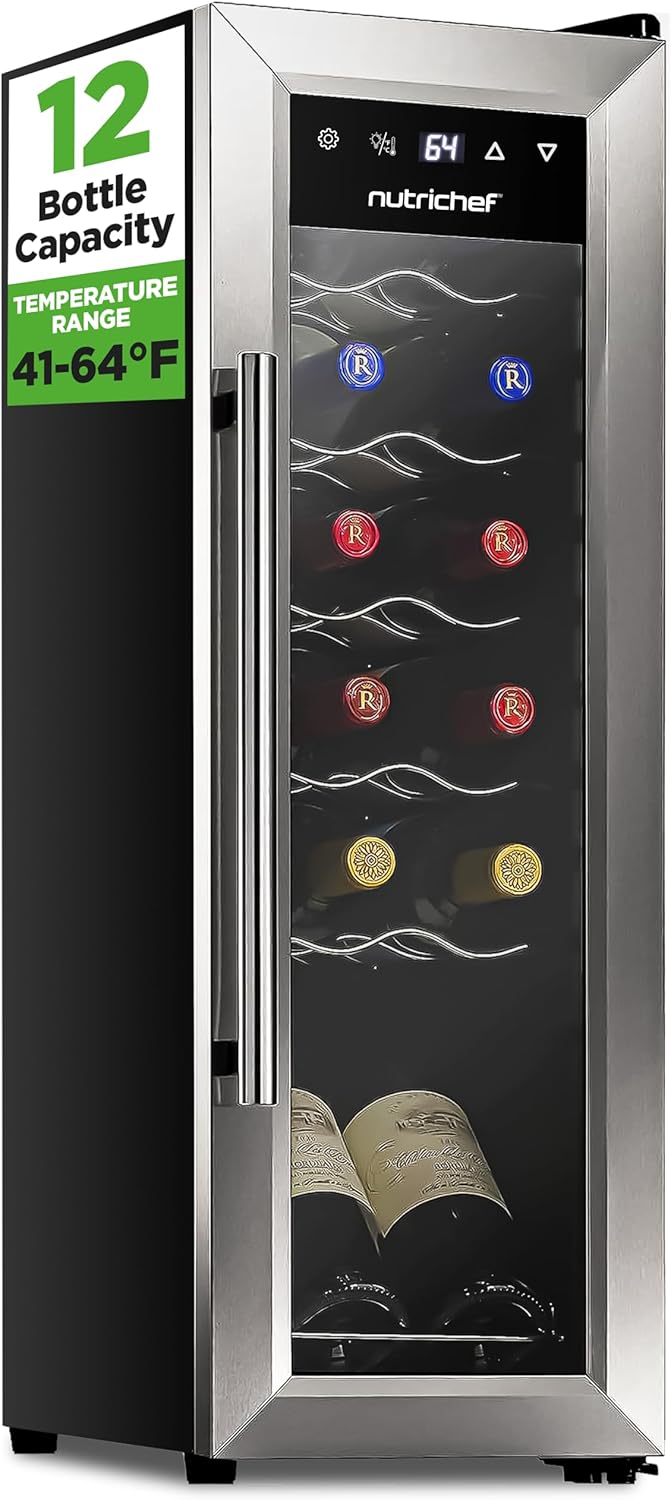
Nutrichef 12-Bottle Wine Fridge
Compact dual-zone storage at cellar temperature
$275View on Amazon →
Wine Folly: The Master Guide
The visual reference for every wine lover
$19View on Amazon →
The World Atlas of Wine, 8th Edition
Hugh Johnson and Jancis Robinson\'s definitive atlas
$38View on Amazon →In the United States, California produces a wide range of red wine grape varieties, with Napa Valley known for cabernet sauvignon. South America, particularly Argentina and Chile, produces cabernet sauvignon and malbec at all quality levels. South Africa has become a significant source of quality wine. For detailed wine region maps and appellation information, the Wine Institute provides comprehensive coverage of wine regions across the United States, with chenin blanc, pinotage, and increasingly complex red blends gaining international attention.
How to Choose the Right Type of Table Wine
The kind of wine you choose among the different types of table wine depends on context. For a casual dinner party, a medium-bodied red like a Côtes du Rhône or a crisp dry white like an Italian pinot grigio offers wide appeal. For food pairing at a more deliberate dinner, matching the weight and intensity of the wine to the weight and intensity of the food is the best way to ensure everything works together on the table.
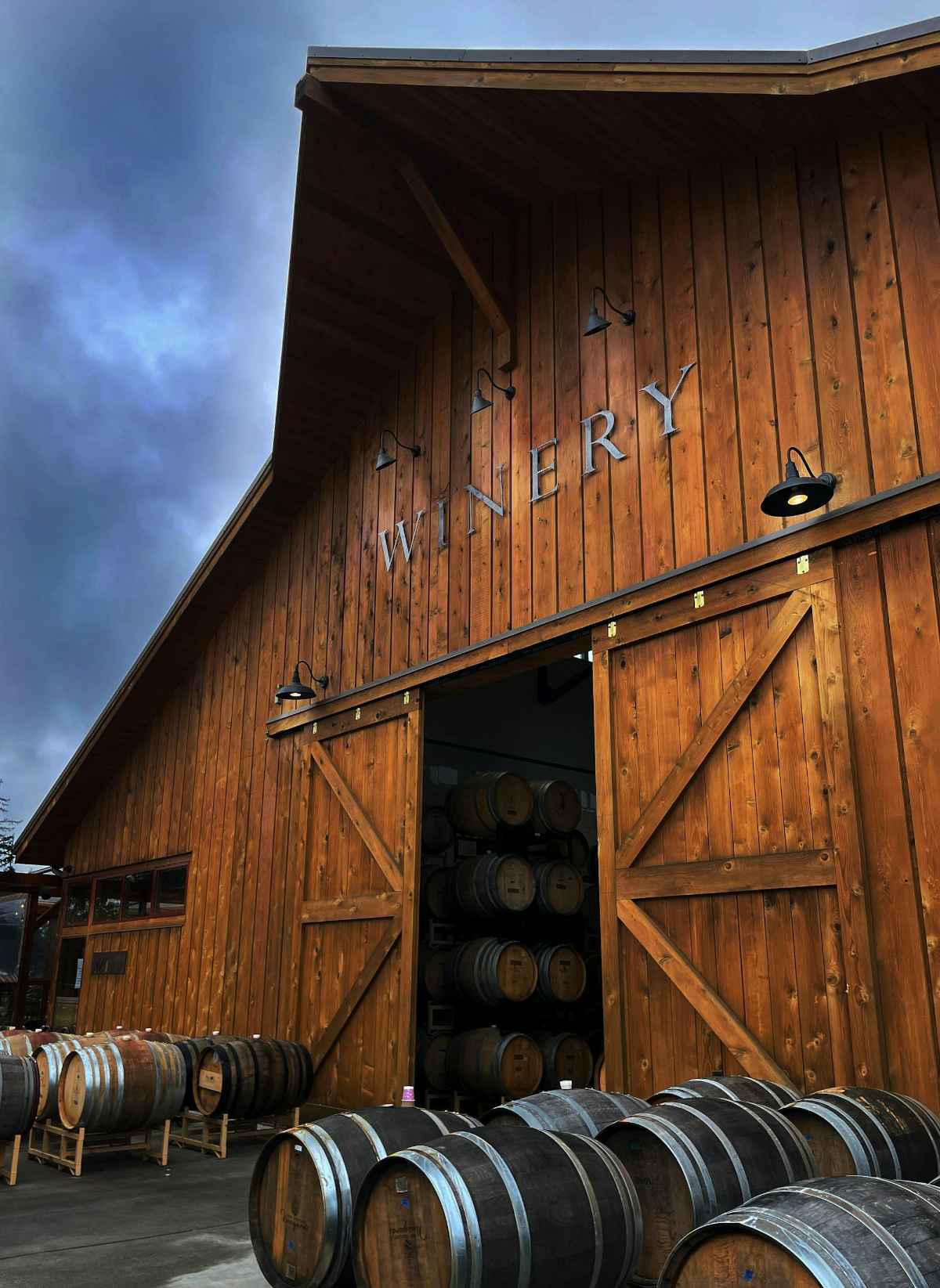
For those just beginning to explore quality wines, starting with well-known grape varieties from reliable wine regions gives the clearest path to understanding what you enjoy. Table wine at every price point offers that opportunity, and the diversity within the category makes exploration genuinely rewarding. To dive deeper into sweetness and wine chemistry, see our guide on wine and sugar. For a deeper look at wine production, our breakdown of wineries vs vineyards covers the key differences clearly. To go deeper, see the complete Wine & Culinary hub packed with wine knowledge.
Continue Exploring Luxury
Everything you need to elevate your everyday life — in one place.
📖 Get the Free Luxe Living Starter Guide