White Wine Croatia: Discover Coastal Vineyards and Flavors
This post contains affiliate links. If you click through and make a purchase, I may earn a small commission at no extra cost to you. As an Amazon Associate I earn from qualifying purchases.
White wine Croatia is renowned for its crisp, refreshing varietals and coastal charm. Imagine sipping a glass of wine while the sun sets over the Adriatic Sea. If you’ve never tried Croatian white wines, you’re in for a treat. These wines offer a delightful blend of tradition and modern winemaking, making them a favorite among wine lovers worldwide.
Croatian white wines are known for their fresh and fruity aromas, perfect for pairing with Mediterranean cuisine.
Croatia boasts a rich variety of white wines, with indigenous grape varieties like Malvasia Istriana and Pošip leading the charge.
The island of Korčula is famous for its Pošip wines, known for their notes of citrus and fresh tropical fruit. Meanwhile, Malvasia Istriana from the Istria region offers a perfect balance of fruit and acidity, making it a versatile choice that is worth trying.
In recent years, Croatia’s white wines have gained international acclaim, earning gold medals and appreciation from wine enthusiasts.
Exploring the wine regions of Croatia provides a rich cultural experience alongside a taste adventure. From the refreshing Pošip on Korčula to the elegant white varieties in North Dalmatia, every sip tells a story.
Whether you are enjoying the full-bodied flavors of a Dingač wine or the light body of a Pinot Grigio, Croatian wines promise to add plenty of character to your wine journey.
Key Takeaways
- Croatian white wines are gaining popularity for their fresh aromas and indigenous grape varieties.
- The island of Korčula is well-known for its Pošip wines, which have unique citrus notes.
- Croatian wine regions offer a cultural and culinary experience paired with diverse wine options.
White Wine Croatia: Exploring the Coastal Regions
White wines from Croatia offer a variety of flavors and experiences that pair beautifully with Mediterranean cuisine. You can expect fresh, fruity aromas and unique flavor profiles that make these wines special.
Find out how the right choice of Croatian white wine can enhance your dining experience with specific dishes, and explore the character profiles that make these wines distinctive.
Culinary Combinations
Pairing Croatian white wines with food can be a delightful adventure. Malvasia Istriana has fruity notes and a medium body, making it a great match for light seafood dishes. Try it with grilled fish or shrimp salad to enhance the flavors.
Pošip wines, from the Island of Korčula, offer a creamy full body and citrus fruit aromas. Pair these with dishes like creamy risottos or poultry to see their flavors shine.
If you’re savoring Grk from Korčula, its dry white wine character makes it an excellent partner for fresh Mediterranean salads. Meanwhile, Krauthaker wines from the Slavonija region have a harmonious white indigenous character. They excel with rich pasta dishes or roasted chicken. When serving dessert, Prošek offers a sweet touch that pairs perfectly with fruity desserts or cheeses.
Profiles of Distinction
Croatian white wines have profiles that wine lovers find intriguing. Malvasia Istriana stands out with its elegant notes of acidity and aromatic fruitiness. These wines often display tropical and citrus fruit flavors that appeal to modern tastes.
Pošip from Korčula reveals a pale yellow color and crisp finish, often noted for its flavors of stone fruits and lively acidity.
If you plan to bring Croatian white wine home, a quality wine carrier bag keeps your bottles safe during travel. Back home, a wine fridge ensures your Malvazija and Pošip stay at the ideal serving temperature.
In recent years, Grk from the Island of Korčula has gained popularity for its unique flavors and dry character. It is often highlighted by its light body and fruity notes. Wines like Miloš and Tomac bring additional layers of aromas and depth, enhancing the wine’s flavors. Enthusiasts will appreciate the perfect balance and plenty of character these white varieties offer.
Shop the Post
Affiliate links. We may earn commission.
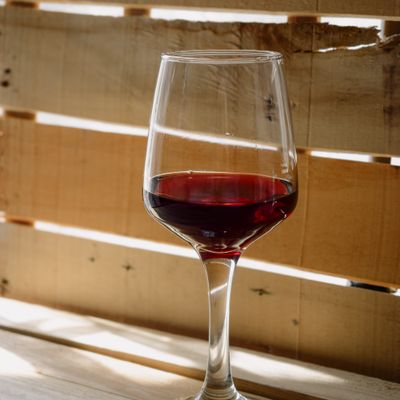
Crystal Red Wine Glasses, Set of 4
Four 15 oz hand blown crystal glasses.
View on Amazon →
Le Chateau Crystal Wine Decanter
Hand blown lead free crystal, 750 ml capacity.
View on Amazon →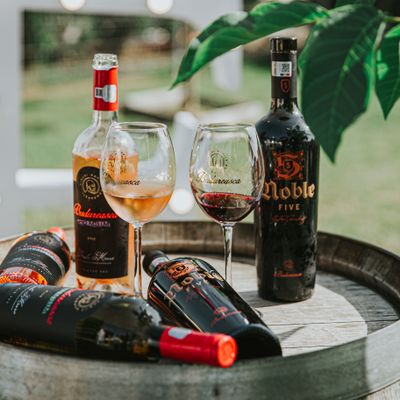
Vacu Vin Wine Saver Pump
Vacuum pump and stopper for resealing open bottles.
View on Amazon →
Ivation 12 Bottle Compressor Wine Fridge
Compressor wine cooler that holds 12 bottles.
View on Amazon →Frequently Asked Questions
Croatian white wines offer a delightful spectrum of flavors from regions like the island of Korčula, North Dalmatia, and the Neretva Valley. These wines often showcase a mix of indigenous grapes and can captivate both wine enthusiasts and those seeking unique tasting experiences. Here’s what you need to know about Croatian white wines.
What are the top varieties of Croatian white wines often recommended?
Some of the standout varieties include Malvasia Istriana and Pošip wines. These wines are known for their fresh and aromatic qualities. Pošip is a popular choice, often found with citrus fruit aromas and a medium body.
Which Croatian white wines compare well with international favorites like Chardonnay or Sauvignon Blanc?
Malvasia Istriana is often likened to Chardonnay for its versatility and body. Croatian Sauvignon Blanc options offer crisp notes of citrus and tropical fruit, perfect for those who enjoy more international varieties.
What regions in Croatia are known for their high-quality white wines?
The island of Korčula and North Dalmatia are renowned for their high-quality white wines. The Mediterranean climate near the Adriatic Sea provides excellent conditions for producing wines with fruity aromas and plenty of character.
Could you recommend some widely appreciated Croatian white wines that are perfect for wine enthusiasts?
Try the Malvasia Istriana for its creamy body and blend of fruit aromas. Pošip, with its harmonious white indigenous grape qualities, is another must-try for those eager to explore new alcoholic beverages.
Are there any Croatian white wines that offer a unique tasting experience, distinct from other European wines?
Yes, Croatian wines such as the pale yellow Pošip with notes of citrus stand out for their use of indigenous grape varieties and techniques. Fresh white wines aged in stainless steel tanks provide unique flavor profiles that wine lovers appreciate.
Where can someone find the best Croatian white wine selections for tasting or purchasing?
You can explore wine shops that offer a selection of Croatian wines. You can also visit wine regions like Korčula Island and the Neretva Valley for a tasting experience. Some online
For more wine pairing inspiration, see our food pairing with zinfandel guide.retailers in the United States provide a good selection for international buyers.
You might also like: Los Olivos Wineries: Discover Californias Hidden Gems · Berlin Wineries: Explore Urban Vineyards for Wine Lovers You can also see the Wine & Culinary collection for more expert content.
Continue Exploring Luxury
Everything you need for wine, food and entertaining, in one place.
📖 Get the Free Luxe Living Starter Guide