The Ultimate Guide to Quiet Luxury Home Decor: How to Achieve the Look
At Luxury Infusion, our core philosophy is simple: Luxury is not what you have. It is how deliberately you live.
For decades, the interior design industry has equated luxury with excess: flashy designer logos, impossibly expensive “it” items, and rooms that feel more like museum exhibits than actual homes. But true luxury isn’t about proving how much you spent. It is about creating a sanctuary that feels deeply personal, incredibly comfortable, and effortlessly elegant.
This is the essence of quiet luxury home decor. It is a rebellion against “fast furniture” and fleeting social media trends, focusing instead on timelessness and intention. The best part? You do not need a massive designer budget to achieve it. By making deliberate choices about materials, lighting, and layout, you can elevate your everyday surroundings on a realistic budget.
What is quiet luxury home decor?
Quiet luxury home decor is an interior design aesthetic focused on high-quality materials, understated elegance, and intentional curation rather than flashy branding or fleeting trends. It relies on warm neutral palettes, rich textures, and timeless craftsmanship to create a space that feels both highly elevated and comfortably lived-in.
Whether you are starting fresh in a new home or looking to elevate your current space, this guide will walk you through the core principles of quiet luxury, how to distinguish it from stark minimalism, and the exact steps you can take to get the look in your own home.
The 4 Core Elements of Quiet Luxury Interior Design
Every beautifully executed quiet luxury interior shares four foundational elements. These are not design rules so much as deeply held values about how spaces should feel to the people who live in them. Understanding each one will give you a practical framework for making better choices in your own home, whether you are renovating a single room or refreshing your entire house.
1. Authentic, Natural Materials
Quiet luxury and minimalism are often confused, and the confusion is understandable. Both favor restraint. Both reject clutter. Both prefer neutral color palettes over maximalist color stories. But there is a fundamental philosophical difference between them that shapes everything about how each aesthetic looks and, more importantly, how it feels to live in.
Minimalism, at its philosophical core, is about reduction. The goal is to own less, display less, and strip a space down to its most essential components. A true minimalist interior tends toward the stark: smooth white walls, unadorned surfaces, furniture with clean lines and no ornamentation, and an absence of soft furnishings that might imply comfort. The aesthetic effect can be genuinely compelling, particularly in spaces designed to highlight architecture. But as a living environment, strict minimalism can feel cold, austere, and even clinical. It asks you to live in service of the aesthetic rather than the other way around.
Quiet luxury, by contrast, is not about having less. It is about having better. The goal is not reduction but refinement. A quiet luxury space might have just as many objects as any other well-furnished room, but each one has been chosen with genuine care. There is warmth here: layered textiles, softened corners, objects that carry personal meaning. Think of the inviting warmth of a luxury hotel bedroom, where every detail is considered but nothing feels cold or withheld. That is the emotional register quiet luxury aims for.
In practical terms, the differences show up most clearly in how texture and warmth are handled. A minimalist space might have bare floors or a single flat rug in a neutral tone. A quiet luxury space will layer rugs, throws, and cushions in complementary textures. A minimalist space avoids decorative objects. A quiet luxury space selects them with care: a single sculptural ceramic, a carefully styled tray, a worn leather book with genuine patina. A minimalist space might have one quality piece of art. A quiet luxury space curates a considered collection that rewards repeated looking.
The distinction ultimately comes down to warmth. Minimalism is often cold by design. Quiet luxury is warm by intention. Both can be beautiful. But only quiet luxury creates spaces that feel genuinely inviting to live in, day after day, year after year.
How to Get the Quiet Luxury Look on a Realistic Budget
One of the most liberating truths about quiet luxury home decor is that it is fundamentally about quality of attention rather than size of budget. Yes, certain authentic materials and well-made furniture pieces require investment. But the approach itself, the philosophy of intentional curation and deliberate choice, is entirely available to anyone. Here are the four highest-leverage moves you can make to shift your home toward quiet luxury, listed roughly in order of cost.
1. Edit and Declutter (The Free Upgrade)

The single most effective thing you can do for a quiet luxury interior costs nothing at all. Remove what does not belong. Quiet luxury spaces feel elevated partly because of what they contain, but largely because of what they do not. Cluttered surfaces, overcrowded bookshelves, tangled cords, and random accumulations of objects all work against the sense of intentional calm that defines this aesthetic.
Work through each room with a single question: does this object earn its place? That is not an invitation to throw away things you love. It is an invitation to be honest about what is present through habit or inertia rather than genuine affection. Move out the pieces that do not belong, store what is seasonal, and let what remains breathe. You will be surprised how much the underlying quality of your space improves simply by giving it room to be seen.
Pay particular attention to surfaces. In a quiet luxury interior, surfaces are either entirely clear or curated to a very deliberate arrangement. A kitchen counter with a beautiful marble cutting board, a single ceramic crock of wooden spoons, and a small vase of greenery reads as composed. The same counter with a toaster, a spice rack, a stack of mail, and three different phone chargers reads as chaotic, regardless of the quality of the materials beneath.
2. Upgrade Your Hardware (Unlacquered Brass, Solid Iron)
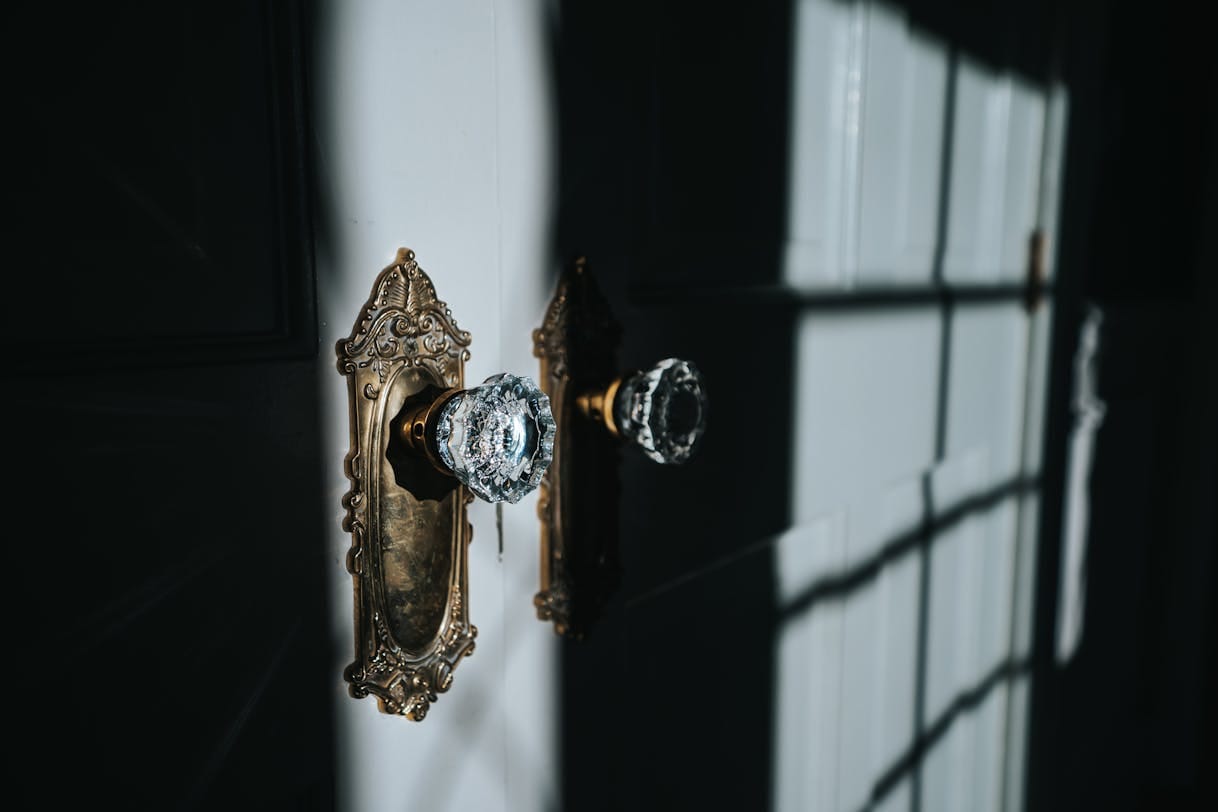
Hardware is one of the most underestimated variables in interior design, and one of the highest-value upgrades available at a modest price point. Cabinet pulls, door handles, light switch plates, curtain rods, towel bars, and drawer knobs are all contact points where the material quality of your home is directly felt as well as seen. Cheap hardware, whether it is the standard chrome from a builder-grade renovation or the hollow brass-colored zinc alloy of a budget fixture, communicates its cheapness immediately.
Unlacquered solid brass is the gold standard for quiet luxury hardware. Unlike lacquered brass, which maintains an artificially uniform sheen until it flakes, unlacquered brass develops a natural patina over time: deepening in warmth, darkening where hands grip it most frequently, and taking on the kind of character that only comes with actual use. Solid iron is another excellent choice, particularly in kitchens and bathrooms where a slightly more rustic, weighty presence fits naturally.
The investment required for a full hardware refresh is usually modest in the context of a home renovation, but the visual impact is significant. Replacing the cabinet hardware in a kitchen or bathroom can transform the entire feel of the room for a few hundred dollars or less. This is precisely the kind of high-leverage, low-cost upgrade that quiet luxury rewards: one deliberate choice that quietly announces quality throughout.
3. Focus on Ambient Lighting (Table Lamps, Sconces, Iron Fixtures)
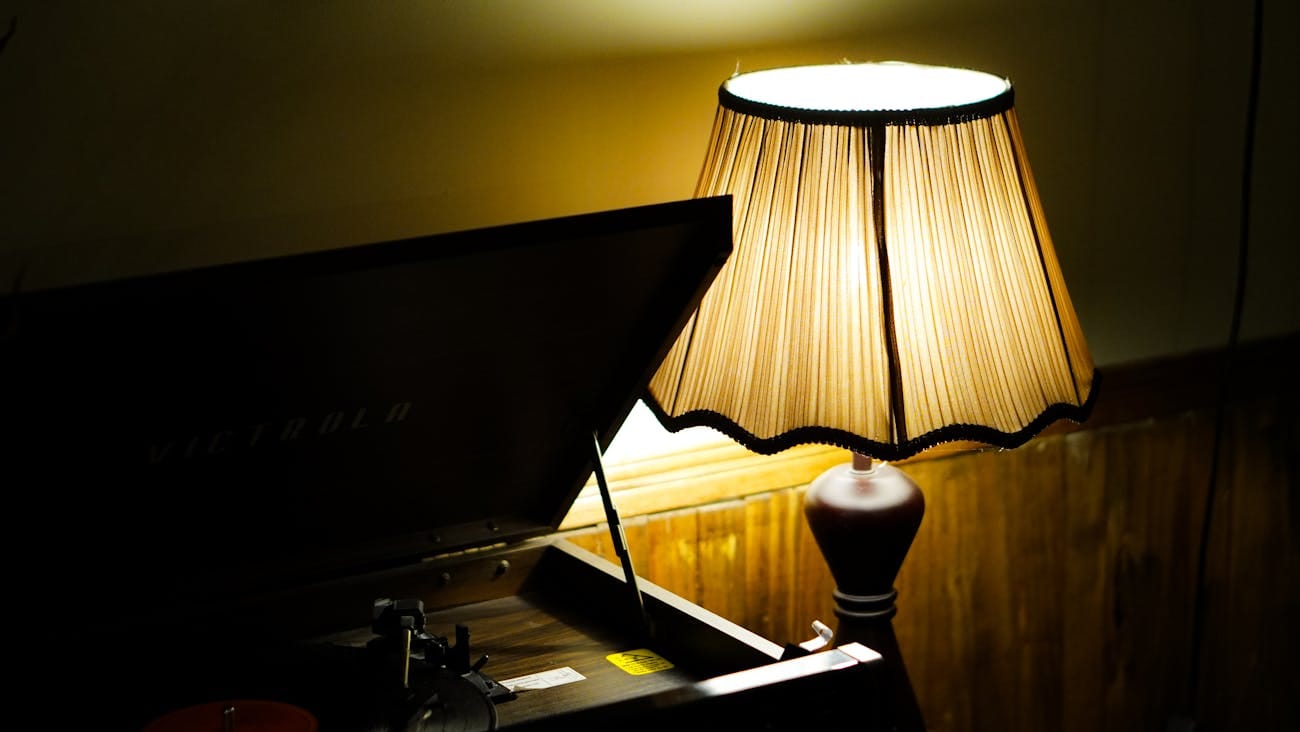
If you could make only one category of change to bring your home closer to the quiet luxury aesthetic, prioritizing ambient lighting would deliver the most dramatic return. As noted earlier, overhead lighting works against the warmth and intimacy that define this look. The fix is not complicated or expensive: it involves replacing or supplementing overhead fixtures with warm, layered light sources placed at human scale.
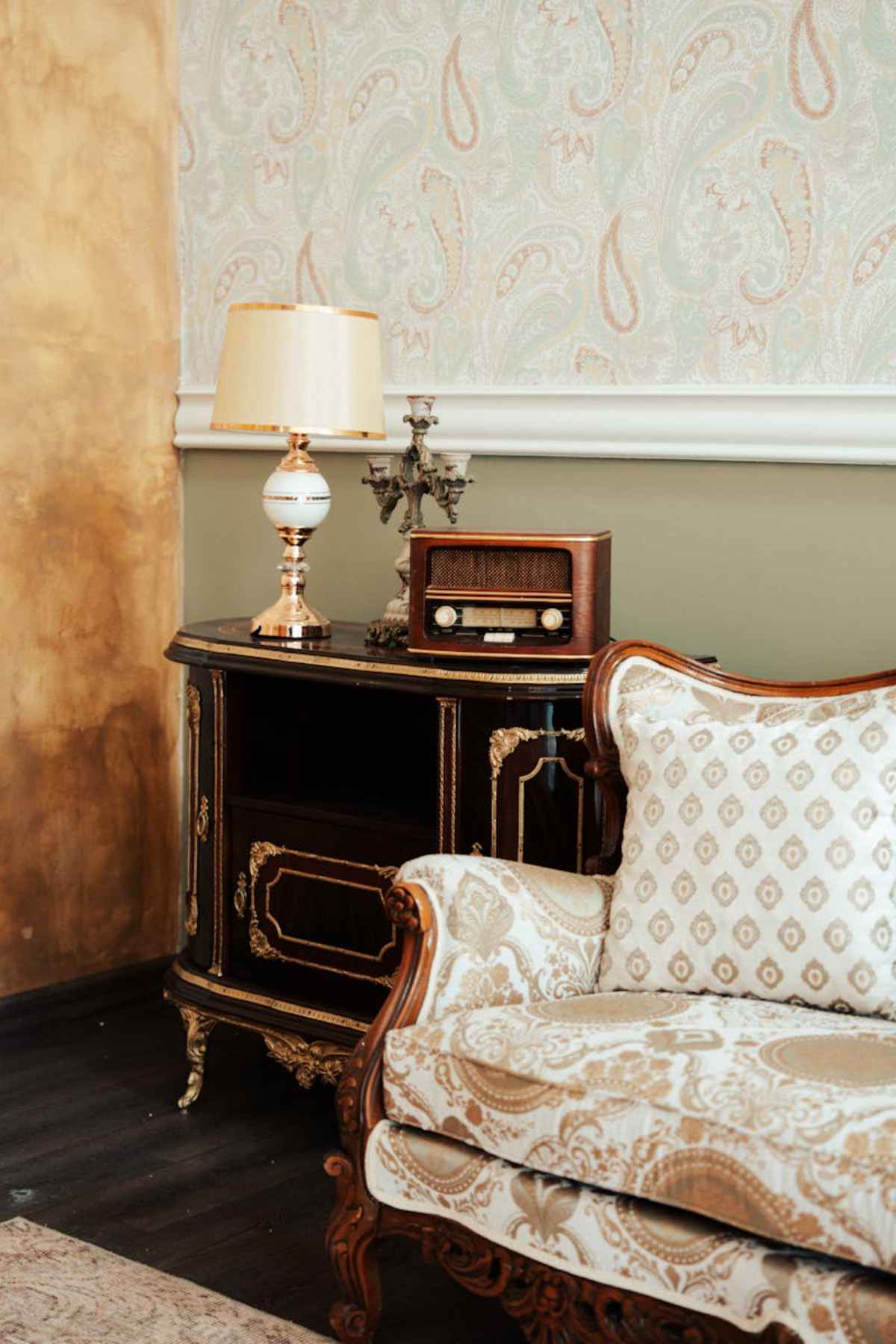
Table lamps are the most accessible starting point. A quality linen or ceramic table lamp with a warm-toned bulb (2700K or lower) placed on a side table or console creates a soft pool of light that immediately shifts the atmosphere of a room. Wall sconces, particularly those with a classic or slightly industrial form in iron or unlacquered brass, add mid-level light that bridges the gap between floor-level and ceiling, creating a sense of enveloping warmth rather than overhead illumination.
Iron pendant fixtures and chandelier-style lights in authentic materials, whether wrought iron, aged bronze, or hand-blown glass, also contribute to this layered quality. The material of the fixture itself matters: a powder-coated steel pendant from a mass-market retailer reads very differently from a hand-forged iron equivalent, even from across the room. When shopping for lighting, look for weight, hand-finishing, and materials with natural aging properties rather than uniformly polished surfaces that resist patina.
4. Curate Your Focal Points (One or Two Substantial Pieces)
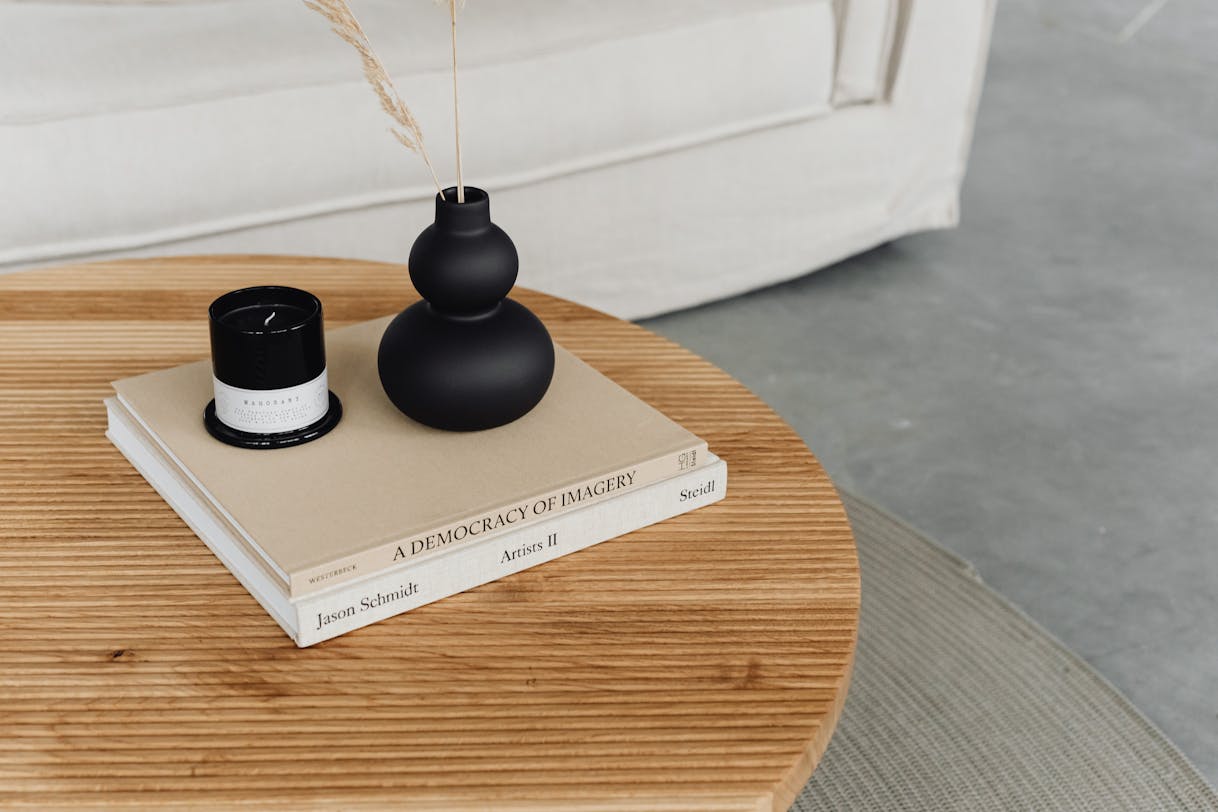
Quiet luxury spaces do not rely on an accumulation of small, trend-driven accessories to feel finished. They rely instead on a small number of substantial, well-chosen focal points that anchor each room with genuine presence. Rather than filling a shelf with twenty small objects, the quiet luxury approach is to choose two or three larger pieces with real material quality and display them with generous space around them.
In a living room, this might mean centering the entire arrangement around a beautifully styled fireplace mantel with a single substantial piece of art or a sculptural object above it. The mantel becomes a composition rather than a collection, and its quality radiates through the entire room.
Similarly, the coffee table is one of the most important focal points in any living room, and it is remarkable how frequently most coffee tables miss the mark by being over-styled with too many small pieces or left completely bare. The quiet luxury approach involves a curated arrangement: one quality object, one natural element (a branch, a stone, a piece of coral), and one practical item (a beautiful tray, a stack of two or three coffee table books with spines you genuinely mean to read). That restraint, that sense of considered placement, is the visual signal of a quiet luxury interior.
When curating focal points, also consider scale. A large room needs large-scale focal pieces to feel grounded. An oversized piece of art, a substantial ceramic vessel, a genuinely proportioned sofa: these communicate confidence and taste in a way that a dozen small things never can.
Frequently Asked Questions
What colors are considered quiet luxury?
Quiet luxury colors consist primarily of warm, earthy neutrals. The palette heavily features shades of cream, taupe, warm beige, soft sage green, and rich chocolate brown. These subdued tones create a calming, sophisticated backdrop that allows high-quality textures and materials to stand out.
How do I make my house look quiet luxury?
To make your house look quiet luxury, focus on decluttering your space and investing in natural materials like linen, wool, stone, and real wood. Swap out harsh overhead lighting for warm ambient lamps, and replace cheap hardware with solid brass or iron to instantly elevate the feel of your home.
Is quiet luxury the same as minimalism?
No, quiet luxury is not the same as minimalism. While minimalism focuses on having as few items as possible, quiet luxury focuses on the high quality and tactile comfort of the items you choose to display, resulting in a warmer, more layered, and inviting space.
Transform Your Home and Daily Routines
Transform your home and daily routines with The Luxe Living Starter Guide. Download your free 28-page guide to home upgrades, elegant habits, and more.
Continue Exploring Luxury
Everything you need for wine, food and entertaining, in one place.
📖 Get the Free Luxe Living Starter Guide