9 Best Wineries in Prescott AZ: Arizona Wine Country Guide
This post contains affiliate links. If you click through and make a purchase, I may earn a small commission at no extra cost to you. As an Amazon Associate I earn from qualifying purchases.
Prescott, Arizona sits at 5,400 feet elevation in the central highlands, where cool mountain nights and warm sunny days create growing conditions that surprise visitors expecting only desert heat. Arizona wine country is one of the American Southwest’s best-kept secrets, and Prescott sits at the center of it, surrounded by high-desert vineyards, historic cellars, and tasting rooms that combine Western character with genuine winemaking craft. Prescott wineries attract visitors year-round with exceptional Arizona wines.
Whether you are visiting for the Victorian architecture of Whiskey Row, the hiking trails in Prescott National Forest, or a weekend escape from Phoenix, you will find Prescott wineries worth building time around. This guide covers nine of the best, from in-town tasting rooms to vineyard estates scattered through the surrounding high country.
Why Prescott Is a Wine Lover’s Arizona Discovery
Prescott and the Verde Valley sit within this sweet spot, allowing varietals like Syrah, Viognier, Sangiovese, and Malvasia to thrive. The region benefits from the Verde Valley AVA designation and its proximity to Cornville and Jerome, two other Arizona wine hubs within an easy drive. The result is a tasting room scene that draws on authentic estate fruit, genuine winemaking ambition, and the relaxed character of the Arizona mountain towns. Visit our wine and culinary guide for broader context on regional wine travel. Prescott wineries attract visitors year-round with exceptional Arizona wines.
Arizona’s wine scene has grown substantially over the past two decades, with the state now producing wines that earn serious attention from critics and sommeliers. The secret is elevation. While the Sonoran Desert floor is too hot for quality viticulture, the high country above 4,000 feet offers the temperature swings that grapes need: warm days for sugar development and cool nights for acid retention. Prescott wineries attract visitors year-round with exceptional Arizona wines.
9 Best Wineries in Prescott AZ
1. Lawrence Dunham Vineyards
Lawrence Dunham Vineyards is one of Arizona’s most respected producers, with estate vineyards in Willcox and a tasting room presence in the Prescott area. The winery specializes in Rhone varietals, particularly Syrah and Viognier, grown at elevations that allow for exceptional concentration and structure. Tastings typically run $20-25 for a curated flight that showcases the range from their estate vineyards.
The winery’s Syrah is consistently one of Arizona’s most impressive reds: full-bodied, with dark fruit and a savory mineral finish that pairs beautifully with grilled lamb or a hard aged cheese. Hours vary by season; check their website before visiting. For wine travelers building a serious Arizona wine itinerary, Lawrence Dunham is a non-negotiable stop that demonstrates what high-desert viticulture can achieve. Prescott wineries showcase the unique terroir of the Arizona highlands.
2. Granite Creek Vineyards
The tasting room atmosphere is relaxed and personal, with staff who genuinely enjoy talking through the Arizona wine story with curious visitors. Open Thursday through Sunday. Pair their whites with local cotija cheese or a fresh herb salsa, and their reds with mesquite-smoked brisket or a Sonoran-style chili. Prescott wineries showcase the unique terroir of the Arizona highlands.
Granite Creek Vineyards is the closest thing Prescott has to a true estate vineyard experience within city limits. Located on the outskirts of town, the vineyard grows cold-hardy varietals suited to Prescott’s elevation and climate, producing wines that reflect a distinctly local character. Their portfolio includes approachable whites and reds alongside a selection of wines made from Arizona-sourced grapes from partner growers in the Verde Valley and Willcox. Tastings run approximately $15-18 per person.
3. Stoneridge Vineyards
Stoneridge Vineyards offers a scenic hilltop setting above the Prescott area, with views of the surrounding ponderosa pine and high-desert landscape that make the tasting experience memorable before the first pour. The winery produces a range of varietals with a particular focus on Italian-inspired styles, including Sangiovese, Barbera, and a Malvasia white that reflects the Mediterranean influence the Arizona climate allows. Tastings are priced around $15 for five wines. Hours are typically Friday through Sunday year-round, with expanded hours during summer and fall events. The property hosts seasonal events including harvest dinners and sunset tasting evenings. Pair their Sangiovese with a classic Italian-inspired charcuterie board, or try the Malvasia alongside fresh melon and prosciutto for a clean, bright pairing. Prescott wineries showcase the unique terroir of the Arizona highlands.
4. Vino Zona
Vino Zona is Prescott’s most accessible in-town tasting room, offering a welcoming downtown experience for visitors who want to sample Arizona wines without a drive into the countryside. The tasting room is well-designed and social, making it a popular stop for couples and groups exploring Prescott’s walkable downtown district. The wine list features a rotating selection of Arizona-sourced wines, with an emphasis on Verde Valley and Willcox producers who represent the state’s best growing regions. Tasting flights run approximately $12-16 depending on selection. Open daily, with later hours on weekends, making it a convenient last stop after dinner on Whiskey Row. Parking is available in nearby downtown lots. For visitors pairing a wine tour with a Prescott weekend trip, Vino Zona makes an easy first stop before heading out to the countryside wineries. Prescott wineries attract visitors year-round with exceptional Arizona wines.
8. Page Springs Cellars
Page Springs Cellars is located in Cornville, in the heart of Verde Valley wine country, and stands as one of the anchoring wineries of the Arizona wine movement. Eric Glomski, the winery’s founder, was among the early pioneers who proved Arizona could produce world-class wine, and the tasting room reflects that ambition. Their estate vineyard produces Syrah, Petite Sirah, Grenache, and Mourvedre among other varietals, and the wines consistently show the intensity and freshness that the Arizona high country delivers. Tastings run $20-25 and include rotating selections from current releases. Open daily. The property itself is beautiful, set along Oak Creek, making this one of the most scenic tasting room experiences in the state. Pair their Syrah with a slow-cooked lamb shank or a charcuterie spread heavy on cured lamb and dried fruits. For broader context on Southwest wine tourism, see our Valle de Guadalupe wineries guide.
9. Honorable Mention: Bodega Pierce / Pierce Wine Cellars
Bodega Pierce rounds out this Prescott winery list as a producer whose influence extends across multiple tasting rooms and wine labels in the region. The Pierce family’s estate vineyards in Willcox are the source for wines sold under both the Bodega Pierce and Cellar 433 labels, and a visit to their primary tasting operation offers a comprehensive look at what their high-elevation vineyards can produce. Italian and Spanish varietals dominate the portfolio, with Tempranillo, Sangiovese, and Malvasia showing consistent quality year over year. Tasting fees run approximately $15-20. For a complete Prescott-area wine day, combining Bodega Pierce with a stop at Cellar 433 in Jerome and Granite Creek in Prescott gives you a genuinely rounded picture of the regional wine character. Check our Black-owned wineries in Napa post for more winery destination inspiration across the US.
Best Time of Year to Visit Prescott Wineries
Prescott’s high elevation keeps temperatures comfortable year-round compared to the Phoenix heat, making it a viable wine destination in all four seasons. That said, some windows are particularly rewarding. Fall (September through November) brings harvest energy to Arizona vineyards, with cooler temperatures, beautiful high-desert color changes, and special harvest events at many tasting rooms. This is the most popular window for wine tourists. Spring (March through May) offers mild temperatures, blooming wildflowers in the Prescott hills, and a quieter tasting room atmosphere before summer crowds arrive. Summer (June through August) is popular for Prescott generally since visitors escape Phoenix heat, but afternoon monsoon storms are common and some winery roads may be temporarily impassable. Winter visits (December through February) are quiet and peaceful, with good availability at most tasting rooms, though smaller operations may have reduced hours or appointment-only access.
What to Pair with Prescott Wines
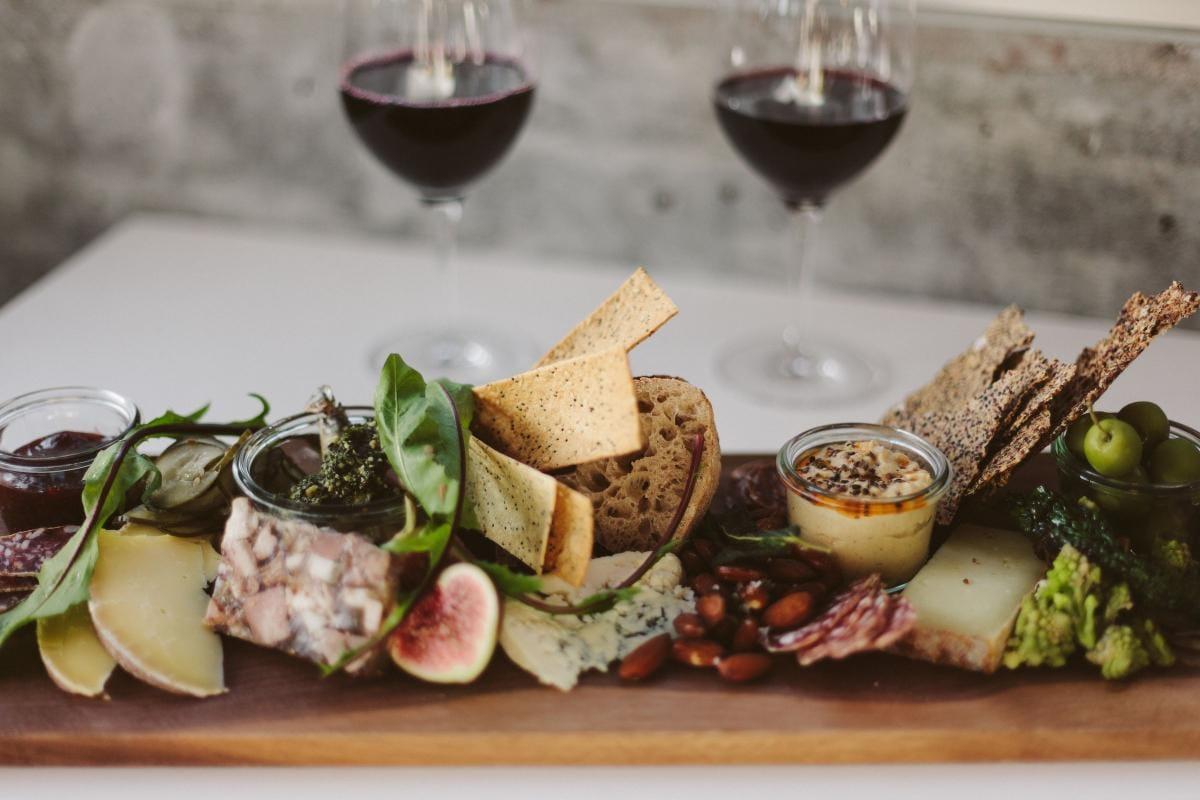
Arizona’s Rhone-dominant wine style calls for pairings that complement bold, aromatic profiles. For Syrah and Petite Sirah, think grilled meats, lamb, juniper-rubbed game, or a hard aged cheese like manchego or an aged gouda. For whites like Viognier and Malvasia, pair with lighter fare: fresh herb salads, queso fresco, grilled white fish, or a citrus-forward ceviche. Blended reds with Grenache and Mourvedre components pair especially well with Mediterranean-style charcuterie: dried figs, cured olives, salami, and hard sheep’s milk cheese. If you are tasting at in-town rooms like Vino Zona, many offer small food menus built around these pairing principles. For a picnic in the Prescott pines, bring a simple spread of crackers, aged cheddar, cured meats, and a bottle of their estate Syrah.
Planning to take bottles home from your visit? A padded wine carrier tote keeps your purchases protected during travel.
To store and age any bottles properly at home, a compact wine fridge maintains ideal temperature so your wines evolve at their best.
Shop the Post
Affiliate links. We may earn commission.
Crystal Red Wine Glasses, Set of 4
Four 15 oz hand blown crystal glasses.
View on Amazon →Le Chateau Crystal Wine Decanter
Hand blown lead free crystal, 750 ml capacity.
View on Amazon →Vacu Vin Wine Saver Pump
Vacuum pump and stopper for resealing open bottles.
View on Amazon →Ivation 12 Bottle Compressor Wine Fridge
Compressor wine cooler that holds 12 bottles.
View on Amazon →FAQ: Prescott Wineries
When is the best time to visit Prescott wineries?
Fall (September through November) is the top choice for harvest season energy and cooler temperatures. Spring (March through May) is quieter and scenic. Summer works well as a Phoenix escape, though afternoon monsoons can affect some rural roads. Winter visits are peaceful and less crowded, though some smaller operations reduce their hours. For the fullest selection of open tasting rooms and seasonal events, plan for October or November.
Are Prescott wineries worth visiting compared to Napa or Sonoma?
Prescott wineries offer a fundamentally different experience than Napa or Sonoma. The scale is smaller, the atmosphere is more personal, and the prices are lower. What you gain is authentic access to a genuinely emerging wine region, with producers who are still defining what Arizona wine can be. For wine enthusiasts who enjoy discovering up-and-coming regions rather than following established routes, Prescott and the Verde Valley offer a rewarding and often surprising alternative to California’s more polished wine country circuit.
What grapes grow best in the Prescott area?
The Prescott-Verde Valley region excels with Rhone varietals, particularly Syrah, Viognier, Grenache, and Mourvedre. Italian varietals including Sangiovese, Malvasia, and Tempranillo also perform well in the high-desert environment. The combination of elevation, warm days, and cool nights creates a growing season well-suited to grapes that benefit from strong diurnal temperature swings. This is why Arizona wines often show both the ripe fruit character of a warm-climate wine and the acidity and freshness of a cooler-climate style.
How much do tastings cost at Prescott wineries?
Tasting fees in the Prescott area generally range from $12 to $25 per person, depending on the operation and the number of pours. Smaller in-town tasting rooms like Vino Zona tend toward the $12-16 range. Destination producers like Lawrence Dunham and Pillsbury Wine Company run $20-25 for their curated flights, reflecting the higher quality and limited production of their estate wines. Budget approximately $50-80 per person for a two to three-stop tasting day, including a bottle purchase to take home.
Can I do a self-guided wine tour from Prescott?
Yes. A self-guided tour from Prescott is the most practical approach. Start with in-town stops like Vino Zona and Granite Creek, then drive the 30-45 minutes to Cottonwood, Cornville, and Jerome for the Verde Valley wineries. The Verde Valley Wine Trail covers this region and provides a useful reference for building a route. Allow a full day for a comprehensive multi-stop tour. Designate a driver or consider a local wine tour company if your group wants to focus on tasting without logistics. Check each winery’s hours before building your itinerary, as smaller operations may be weekend-only.
Continue Exploring Luxury
Everything you need for wine, food and entertaining, in one place.
📖 Get the Free Luxe Living Starter Guide