
9 Best Coffee Table Styling Ideas That Actually Work
This post contains affiliate links. If you click through and make a purchase, I may earn a small commission at no extra cost to you. As an Amazon Associate I earn from qualifying purchases.
Why Most Coffee Tables Miss the Mark
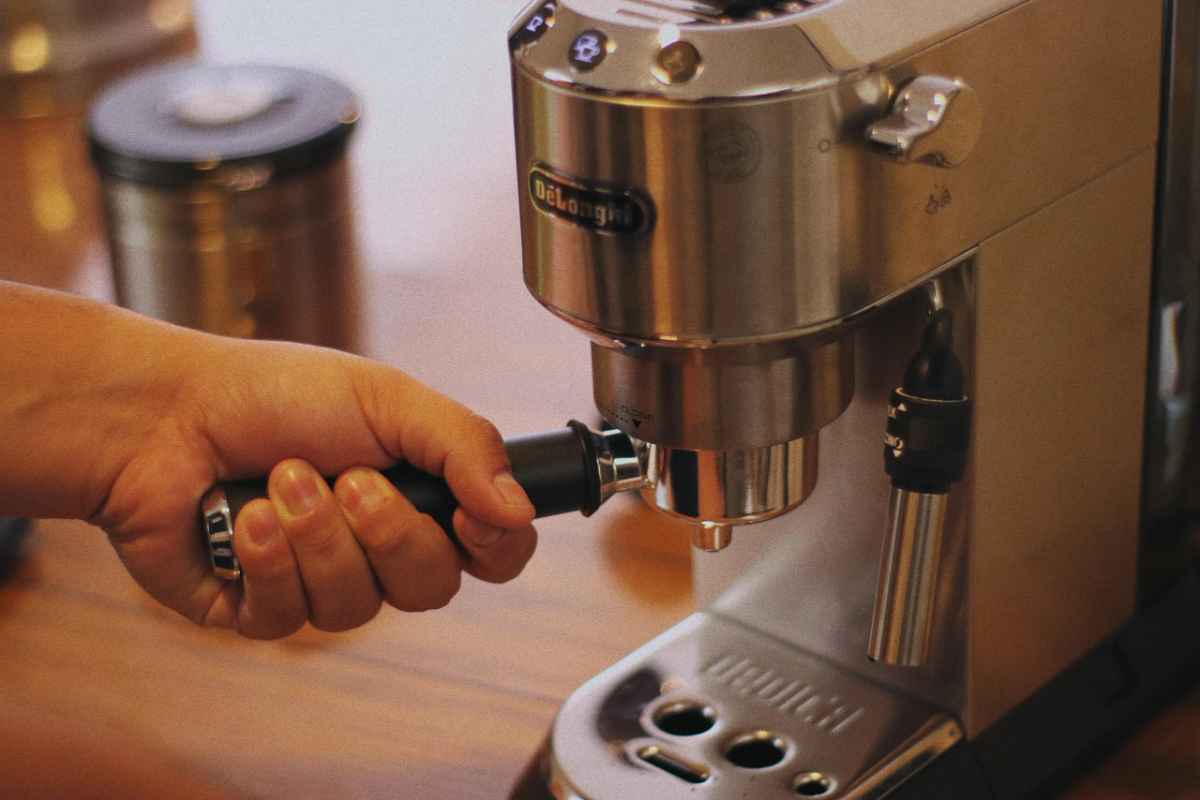
Work with three levels: low (books, trays, flat objects), medium (candles, small vessels, short sculptures), and one taller element (a bud vase with a stem, a taller candle). The three heights create movement and give the eye somewhere to travel. Stay within the same palette, two to three tones maximum. Mixing materials is encouraged; mixing colors creates visual noise.
6. Seasonal Rotation Without Full Restyles
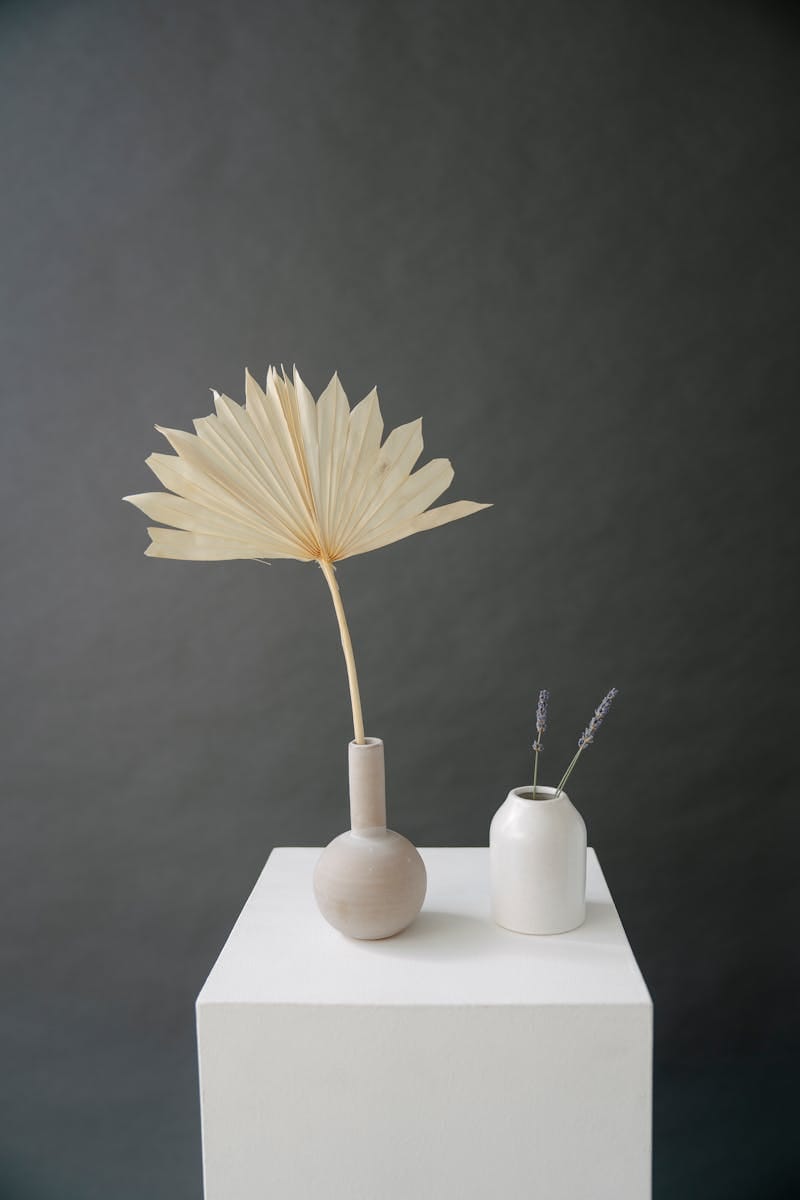
Swap one element per season: the candle scent changes, the stems change, one book comes off and another goes on. In autumn, a small bowl of acorns. In winter, a single branch of eucalyptus or a white candle in a heavier vessel. In spring, a bud vase with something fresh. The core arrangement stays the same. One element changes. That is enough.
7. Art Books as the Main Event
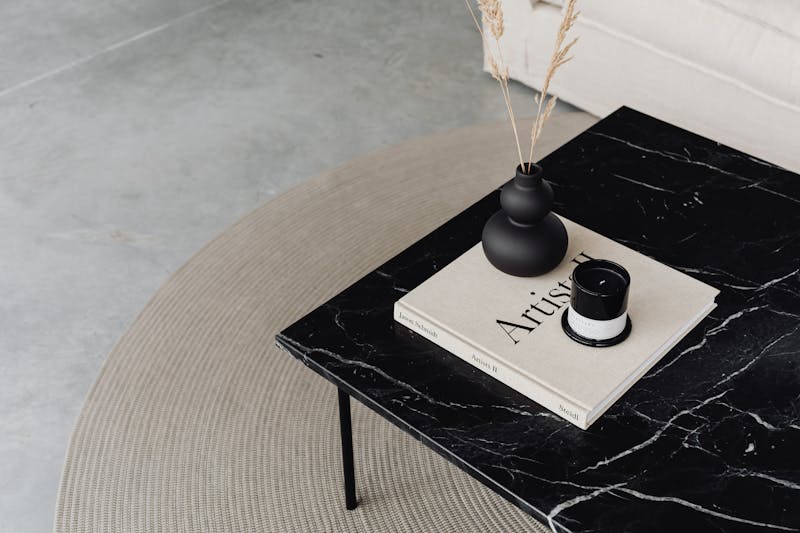
In a room where the furniture is quiet and the palette is neutral, a single oversized art book placed open on the coffee table becomes a focal point rather than a prop. Open it to an image that works in the room. The open book adds color and visual interest without adding objects. This approach works particularly well in minimally styled rooms where a cluttered tray would feel wrong.
→ Shop it: architecture or art coffee table book
8. The Single Statement Object
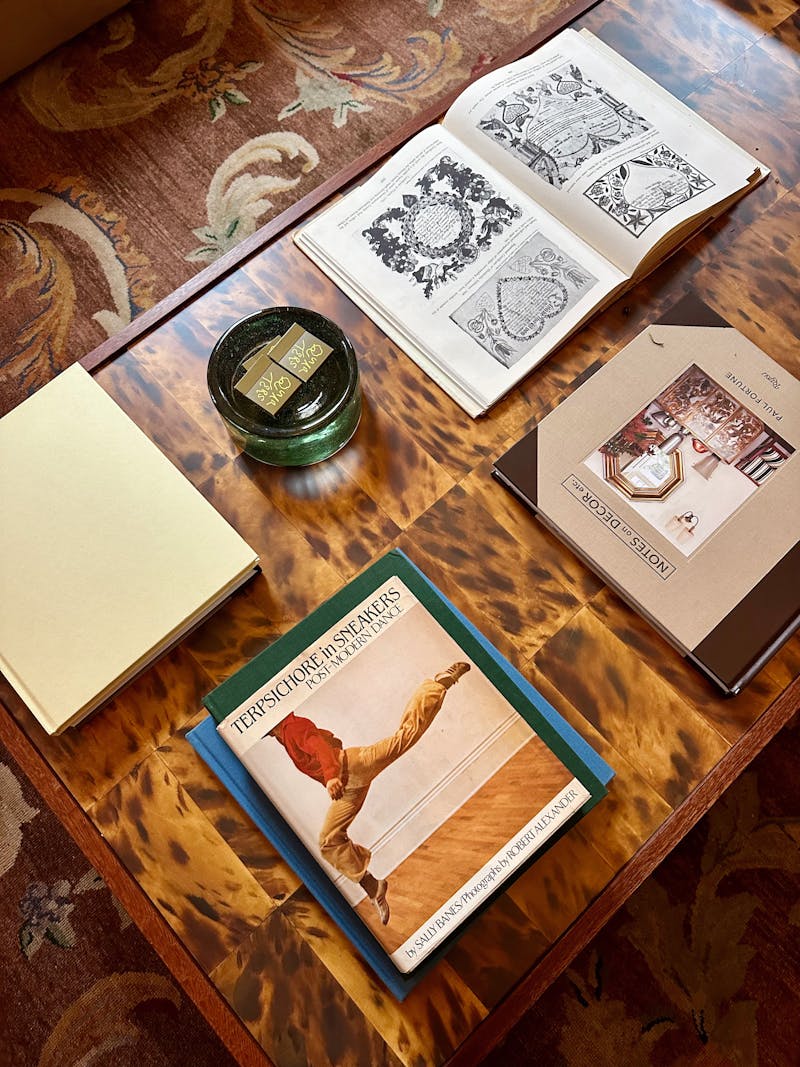
For rooms with strong, confident design, the coffee table often works best with a single object rather than a composed arrangement. One large, beautiful object: a sculptural bowl, an oversized candle in an architectural vessel, a piece of ceramic with real presence. Nothing else. Mediocre objects need company. An excellent object needs space.
→ Shop it: sculptural ceramic bowl
9. Styling Around a Low Centerpiece
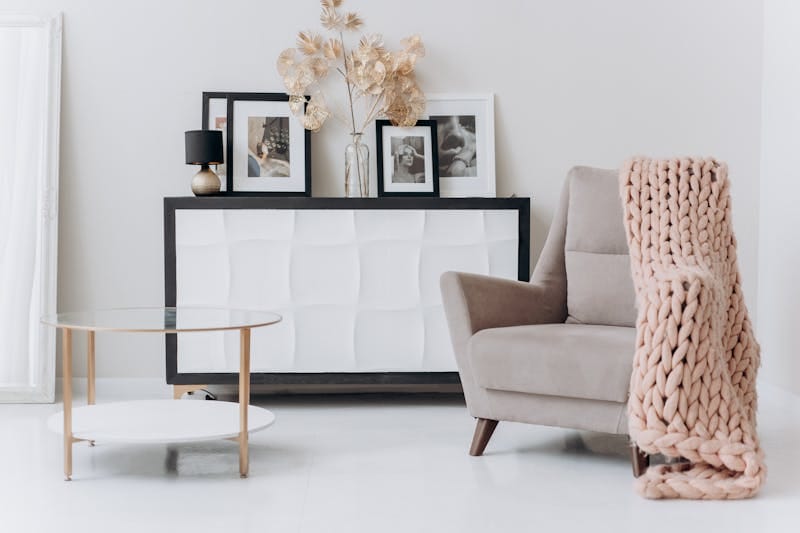
If the coffee table has a lower profile or a room with lower ceilings, a low, wide centerpiece works better than vertical elements. A wide, shallow bowl filled with river stones or dried botanicals. A cluster of pillar candles at varying heights within a tight range. The low centerpiece keeps sightlines clear across the room while still giving the table a defined focal point.
Frequently Asked Questions
How many objects should be on a coffee table?
Three to five individual objects, or one tray grouping plus one or two elements outside it, is the range that reads intentional without feeling crowded. The most reliable approach is to arrange everything you want, then remove one item and reassess.
What is the best material for a coffee table tray?
Marble, wood, and woven rattan all work well depending on the aesthetic. Marble reads more formal and works in quiet luxury interiors. Wood feels warmer and suits transitional and Scandinavian rooms. Rattan adds texture and works in organic and coastal aesthetics.
Should books on a coffee table be face-up or spine-out?
Both work. If the cover design is interesting and consistent with the room palette, face-up creates a stronger visual. If the covers are busy, spine-out keeps things cleaner. A stack of three books with a mix of both orientations often reads most naturally.
How do you keep a coffee table looking styled day to day?
Style the tray as a composed arrangement and leave the space outside it clear for daily use. When something needs to be set down, it goes outside the tray. The styled portion is protected without requiring constant adjustment.
What is quiet luxury coffee table styling?
A neutral palette, natural materials, minimal objects, and nothing trend-driven. A stack of architecture books, a single organic element, one beautiful vessel, and visible surface space. The goal is a table that looks considered rather than decorated.
You might also like: 7 Entryway Ideas That Make an Unforgettable First Impression
If you want to take your coffee table styling further as part of a broader room refresh, our guide to quiet luxury living room upgrades on a budget covers how to build an understated, high-end look across every element of the space without a designer price tag.
Continue Exploring Luxury
Everything you need for wine, food and entertaining, in one place.
📖 Get the Free Luxe Living Starter Guide