Hydrafacial vs Microdermabrasion: Choosing the Right Skin Treatment for You
This post contains affiliate links. If you click through and make a purchase, I may earn a small commission at no extra cost to you. As an Amazon Associate I earn from qualifying purchases.
When considering facial treatments for glowing, rejuvenated skin, you may find yourself comparing Hydrafacial vs. microdermabrasion. These are two of the most popular non-invasive treatments sought out to address a variety of skin concerns, from reducing the appearance of fine lines to improving skin texture.
Understanding the key differences between these options can help you decide which treatment might be the best option for your unique needs. Whether you’re aiming to enhance your skin health before a big event or simply seeking to maintain a younger-looking complexion with minimal downtime.
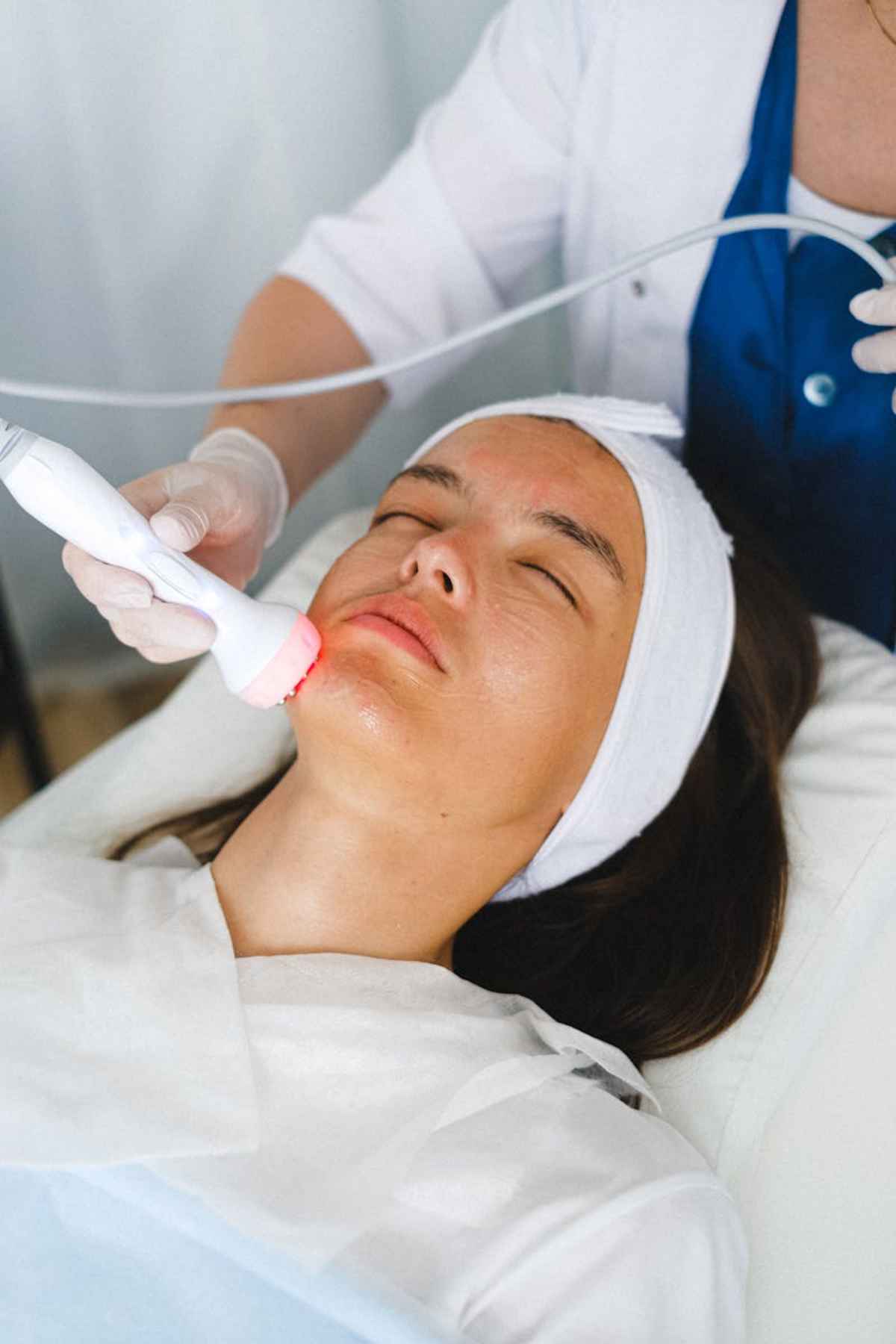
Hydrafacial provides deep cleansing, hydration, and extractions by combining the benefits of traditional facials with advanced technology. It works by using a spiral design tip to infuse the skin with serums packed with beneficial ingredients like hyaluronic acid and salicylic acid, catering to specific skin concerns while promoting overall skin health.
On the other hand, microdermabrasion treatments involve a minimally invasive procedure that uses a handheld device with fine crystals or a diamond tip to physically exfoliate the outer layer of the skin, removing dead skin cells and stimulating collagen production.
Both treatments offer solutions for various skin problems, such as sun damage, dark spots, and uneven skin tone, but they differ in their approach and can cater to different skin types.
For instance, if you have sensitive skin, the gentler, chemical exfoliation from a Hydrafacial treatment might be best for you, whereas Microdermabrasion provides a more physical exfoliation which might be more suitable for skin types less prone to irritation.
It’s important to consider these factors as well as recovery time, immediate results, and long-term benefits when choosing the right treatment to achieve radiant and healthy skin.
Understanding Hydrafacial and Microdermabrasion

In this section, you’ll learn the distinct steps involved in both Hydrafacial and microdermabrasion treatments, as well as essential aftercare tips to maintain your skin’s health post-session.
What to Expect During a Session
Hydrafacial Treatment:
- Cleanse and Exfoliate: Your skin is cleansed and dead skin cells are removed, making way for the rejuvenation process.
- Acid Peel: A gentle chemical exfoliation is applied, which can include ingredients like glycolic or salicylic acid, aiding in the removal of deeper debris.
- Extract and Hydrate: Vacuum suction extracts impurities, while hydrating serums infused with nourishing ingredients like hyaluronic acid are delivered to the skin.
- Fuse and Protect: Antioxidants and peptides are infused into your skin to promote health and protect against environmental damage, leaving you with a radiant glow.
Key Considerations:
- Duration: About 30 minutes
- Sensation: Generally painless
- Skin Types: Appropriate for most, including sensitive skin
- Best For: Uneven skin tone, fine lines, and oily skin
Microdermabrasion Treatments:
- Resurfacing: A handheld device with a diamond tip or fine crystals performs physical exfoliation, removing the top layer of skin.
- Vacuum Suction: This step helps to remove dead cells and stimulates collagen production.
Key Considerations:
- Duration: Typically lasts 30 to 60 minutes
- Sensation: May involve slight discomfort
- Skin Types: May not be suitable for very sensitive skin
- Best For: Age spots, sun damage, and superficial blemishes
Post-Treatment Care and Tips
Following your skin treatment, it’s imperative to practice good aftercare to ensure the best results and recovery for your skin.
- Immediately After: Experience minimal downtime; some may face slight redness or tightness.
- Moisturize: Keep the skin hydrated with a quality moisturizer.
- Sun Protection: Apply sunscreen to protect against sun damage and maintain the treatment’s benefits.
- Makeup: It’s best to avoid makeup immediately after the procedure to allow your skin to breathe and recover.
- Follow-Up Care: Consult with your provider for a tailored skincare routine that addresses your unique needs.
Remember:
- Hydrafacial: Offers not only deep cleansing but also infusion of vital nutrients with minimal downtime.
- Microdermabrasion: Might show more immediate results in texture but comes with a risk of dryness or peeling, requiring additional moisturizing.
Determining the Best Choice for Your Skin
Choosing between a HydraFacial and microdermabrasion can significantly impact your skin’s health and appearance. The right treatment for you will depend on an array of factors including skin type, specific skin concerns, and the desired outcome.
Analyzing Different Skin Types
Whether you have oily skin, dry skin, or a combination, it is crucial to understand how each treatment interacts with different skin types.
HydraFacial treatment provides deep cleansing, chemical exfoliation, and skin hydration. This is beneficial for oily and acne-prone skin as it helps clear clogged pores and provides a balanced finish. For those with dry or sensitive skin, a HydraFacial can infuse vital nutrients and hyaluronic acid to improve skin tone and texture without causing irritation.
Matching Treatments to Skin Concerns
Your particular skin concerns should guide your choice.
Microdermabrasion treatments use fine crystals or a diamond tip to perform physical exfoliation. They can improve the appearance of fine lines, dark spots, and age spots by removing the outer layer of dead cells and stimulating collagen production.
On the other hand, HydraFacial treatments offer multi-step processes involving acid peels and vacuum suction. They target concerns like acne scars and uneven skin tone while promoting healthier, younger-looking skin with minimal side effects.
Consultation with Dermatologists
A consultation with a dermatologist is a valuable step to find your best option for facial rejuvenation.
Dermatologists specialize in various skin problems. They can recommend a microdermabrasion facial or HydraFacial treatment based on your unique needs and skin conditions.
They consider factors such as skin’s surface texture and potential recovery time. This ensures the health of your skin is maintained with optimal, long-term benefits.
Professional treatments like these are specifically tailored to meet the needs of your skin. They deliver results that over-the-counter products often cannot achieve.
Whether preparing for a special event or seeking a consistent skincare routine, the informed guidance of a dermatologist will lead to better results and a radiant complexion.
You might also like: Microneedling vs Chemical Peel: Choosing the Best Skin Treatment · DiamondGlow vs HydraFacial: Is Diamond Glow Facial Better · Can You Get a Facial After Botox? Timing and Safety Considerations
Continue Exploring Luxury
Everything you need for wine, food and entertaining, in one place.
📖 Get the Free Luxe Living Starter Guide