Do You Bruise After Botox: What to Expect
This post contains affiliate links. If you click through and make a purchase, I may earn a small commission at no extra cost to you. As an Amazon Associate I earn from qualifying purchases.
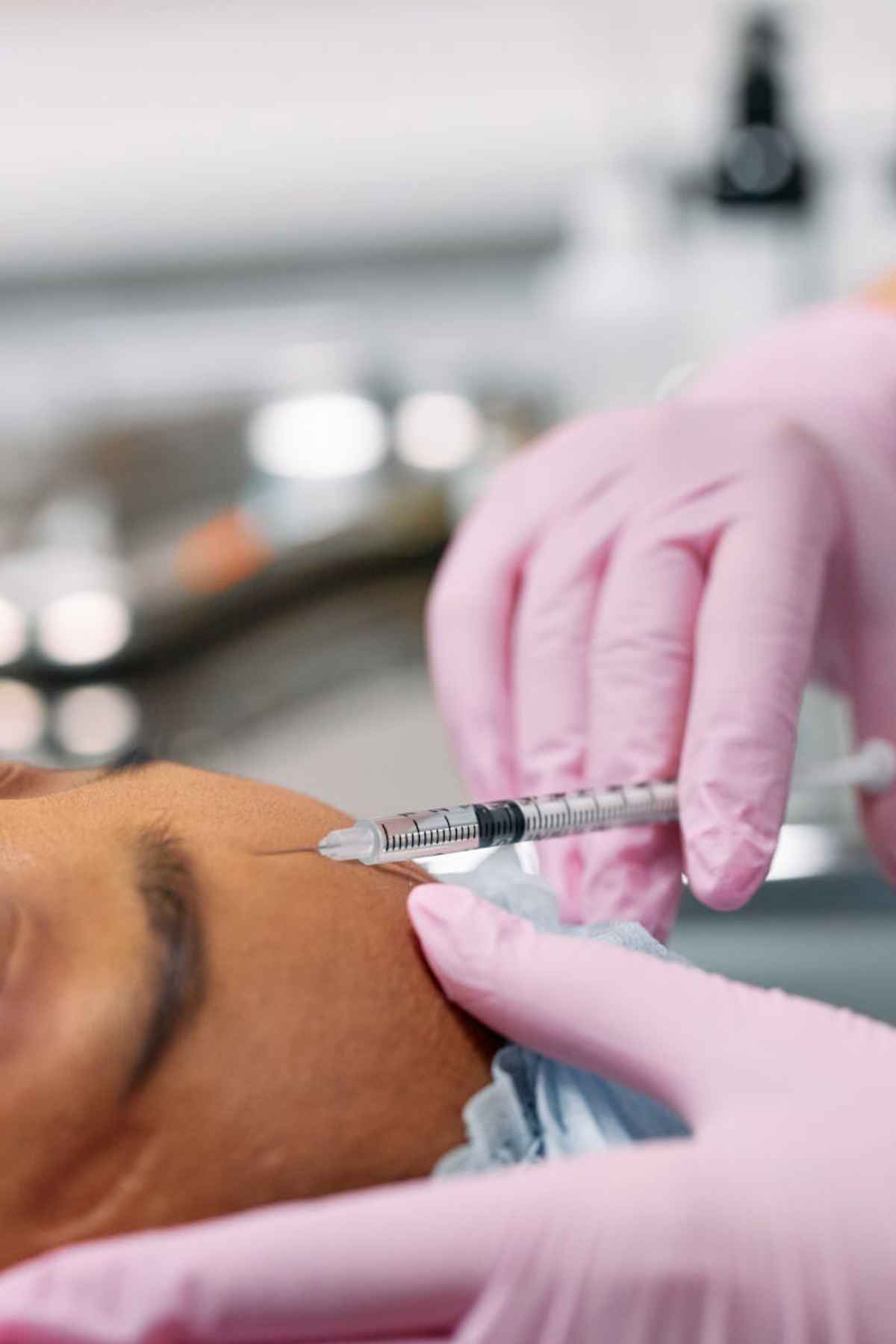
Getting Botox injections can make you wonder about possible side effects. One common concern is bruising. Yes, you can bruise after Botox, as small amounts of blood can escape from tiny blood vessels at the injection site. This is especially true if the injector hits a vein or capillary. Understanding do you bruise after botox helps patients prepare for their recovery.
Factors like blood-thinning medications, strenuous exercise, or even supplements such as ginkgo biloba can increase the risk of bruising. To minimize this risk, it’s a good idea to follow your medical practitioner’s advice. Sometimes, using ice packs or cold compresses on treated areas can help reduce the appearance of bruises. Understanding do you bruise after botox helps patients prepare for their recovery.
If you’re worried about bruising from Botox, there are steps you can take. Avoiding fatty acids and vitamin E supplements before your Botox session can help. Resting with an extra pillow on the first night might also reduce swelling. Following these tips can give you the best results for your cosmetic procedures. Understanding do you bruise after botox helps patients prepare for their recovery.
Do You Bruise After Botox: What to Expect
When getting Botox injections, bruising can be a common side effect. Knowing why bruising occurs and how the skin and blood vessels react can help in managing and preventing it. Understanding do you bruise after botox helps patients prepare for their recovery.
What Causes Bruising?
Bruising happens when small blood vessels, called capillaries, get damaged. This can occur during Botox treatment because the needle can accidentally hit these tiny blood vessels. When this happens, blood leaks under the skin, causing a bruise. Understanding do you bruise after botox helps patients prepare for their recovery.
Your blood-thinning medications or certain supplements, like ginkgo biloba or vitamin E, can make bruising worse. Common pain relievers like Advil (ibuprofen) after Botox are also on the avoid list, read our guide for the full picture on what medications to skip. Stopping these a few days before your Botox session might reduce the risk.
Strenuous exercise, like weight training, after your treatment can increase your heart rate and blood flow, making bruising more likely. It’s best to avoid such activities for 2-3 days. Applying ice packs or cold compresses to the treatment area can help reduce bruising. Do you bruise after Botox? The answer varies by individual and injection technique.
Anatomy of the Skin and Blood Vessels
The skin is made up of multiple layers. The outer layer is the epidermis. Just below it is the dermis, where tiny blood vessels, or capillaries, reside. When you get Botox injections, the needle goes into the dermis or even deeper. Do you bruise after Botox? The answer varies by individual and injection technique.
These small blood vessels can get damaged during the Botox treatment, causing blood to pool under the skin’s surface. Fine lines and facial wrinkles are often targeted in treatments, and these areas can be sensitive. Do you bruise after Botox? The answer varies by individual and injection technique.
Using cold packs and avoiding excess physical activity can help minimize bruising. For those with medical conditions or who are on prescription blood thinners, consulting with a medical professional with years of experience, like those in the United States, can provide safe guidelines. Do you bruise after Botox? The answer varies by individual and injection technique.
A skilled injector with extensive experience in dermal filler treatments and cosmetic injections can also help minimize bruising. So, choosing a Botox provider with a good track record is a great idea for the best results.
Preventative Measures Before Botox Injections
It’s important to prepare for Botox injections to lower the risk of bruising. Key steps include avoiding certain medications and supplements, making lifestyle adjustments, and consulting your provider.
Medications and Supplements to Avoid
Certain medications and supplements can increase the risk of bruising after Botox. Avoid blood-thinning medications like Aspirin and Ibuprofen at least two weeks before your appointment.
Supplements like Vitamin E, Omega-3 Fatty Acids, Fish Oil, and Ginkgo Biloba should also be avoided. These can thin the blood and increase bruising risk.
Herbal supplements like Garlic, Ginseng, and St. John’s Wort have similar effects. Always talk to your doctor about your current medications and supplements.
Lifestyle and Dietary Considerations
Your lifestyle and diet play a role in how your body responds to Botox injections. Limit alcohol consumption 24 hours before your appointment, as alcohol can thin your blood and increase bruising.
Avoid strenuous exercise the day before and after your Botox session. High heart rate and blood flow can lead to bruising.
Increasing intake of Vitamin C can help strengthen your blood vessels. Eating a balanced diet with fruits and vegetables helps support overall skin health.
Consulting with Your Provider
Discuss any medical conditions with your Botox provider before your treatment. A skilled injector with extensive experience can give you personalized advice.
Ask your provider if using Arnica creams or cold packs before your Botox appointment could help minimize potential bruising. These natural remedies can support quicker recovery and reduce the appearance of bruises.
Also, inform your provider about any prescription blood thinners you are taking, as adjustments may be needed. Your healthcare provider can guide you safely through the process.
Aftercare: Minimizing Bruising Post-Injection
Taking care of your skin after Botox injections can help reduce bruising and speed up recovery. Follow these tips for the best results.
Immediate Care Application
Right after your injections, apply ice packs or cold compresses to the treated area. This helps lessen swelling and redness. Keep the cold pack on for 5-10 minutes at a time, but don’t put it directly on your skin; use a cloth to wrap it.
Arnica gel or creams can also be a great help in reducing bruising. Gently apply them to the injection site. Avoid rubbing or massaging the area, as this can increase bruising by causing damage to the blood vessels.
Remember to keep your head elevated for the first night. Use an extra pillow to support your head and reduce blood flow to the treated area.
Continued Care at Home
Try to avoid strenuous exercise and heavy lifting for 2-3 days after your Botox treatment. Physical activity increases heart rate and blood flow, which might worsen bruising. Resting can help the tiny blood vessels heal properly.
Keep taking Arnica Montana supplements if recommended by your healthcare provider. They can help minimize bruising and swelling. Avoid alcohol and blood-thinning medications like aspirin and ibuprofen, as they can increase the risk of bruising.
Watching what you eat can also help. Foods rich in vitamin C and fatty acids like those found in chia seeds and flaxseed oil can be beneficial.
Safe Use of Cosmetics After Botox
You might want to cover up any bruising with makeup. Be gentle when applying concealer to avoid irritating the skin. Always clean your brushes or sponges to keep the treated area free from bacteria.
Wait at least 24 hours before applying any makeup to the injection site. This allows time for your skin to heal from the Botox session and reduces the chance of infection.
After the first 24 hours, you can carefully apply a concealer to the affected areas. A green-tinted concealer specifically helps with hiding redness and bruising. Be patient and allow your skin to recover at its own pace.
When to Seek Medical Advice
After Botox treatments, you might notice some side effects like bruising or swelling. It’s important to know when these effects are normal and when you should contact your doctor.
Distinguishing Between Normal and Concerning Symptoms
Bruising and swelling at the injection site are common after Botox injections. These can last a few days and usually aren’t serious. Using ice packs and cold compresses can help reduce these symptoms.
Sometimes, though, you might see more serious side effects. Significant pain, severe swelling, or worsening bruises could signal an issue. If you experience drooping eyelids, muscle weakness, or problems with facial movements, you should speak with your provider.
Botox injections should be done by a skilled injector. They can properly address any side effects. Always contact a board-certified physician if you’re unsure about your symptoms.
Potential Complications and How to Address Them
Serious complications from Botox treatments are rare but possible. Infection, allergic reactions, or vision changes need medical attention. Excessive swelling that continues for more than a few days might need treatment.
Your healthcare provider will guide you through what’s normal and what’s not. If you suffer from severe side effects like breathing difficulties, contact emergency services immediately.
To minimize risks, avoid strenuous activity for 24 hours after your procedure. Stick to gentle skincare for the treated area and avoid rubbing or massaging the treatment site.
Having good communication with your Botox provider ensures the best results and safety. Always follow their advice closely and keep them informed about your condition.
Frequently Asked Questions
When getting Botox, you might notice some bruising. This is common and usually not a cause for worry. Here are answers to some questions you may have.
How soon can I expect bruising to appear after a Botox treatment?
Bruising can show up within a few hours after the procedure. It may continue to develop over the next day.
For how long might bruising last following a Botox procedure?
Bruises usually last 2-10 days. In some cases, they can persist up to two weeks, but they will fade gradually.
Are bruises after Botox injections cause for concern?
Bruising is a typical side effect and generally not a cause for concern. If you experience severe pain or unusual symptoms, contact your healthcare provider.
What are effective methods to conceal or cover up bruising post-Botox?
You can use makeup to cover the bruises. Products with good coverage, like concealer, work well. Cold packs can also help reduce the appearance of bruising.
Can Botox injections in the forehead area lead to bruising?
Yes, Botox injections in the forehead can cause bruising. The tiny blood vessels in the treated area can get damaged, leading to bruising. To understand how Dysport compares to Botox in terms of bruising risk, see our in-depth comparison.
What precautions should be taken to minimize the risk of bruising after Botox?
Avoid blood-thinning medications and supplements like vitamin E and ginkgo biloba before your Botox appointment.
Refrain from strenuous exercise, excess physical activity, and alcohol for at least 24 hours post-treatment. Our guide on massage after Botox covers all the activities to avoid in the days following your injection.
Using a cold compress intermittently can also help.
Continue Exploring Luxury
Everything you need for wine, food and entertaining, in one place.
📖 Get the Free Luxe Living Starter Guide