Can You Fly After Botox: Travel Tips for Airborne Beauties
This post contains affiliate links. If you click through and make a purchase, I may earn a small commission at no extra cost to you. I only recommend products and services I personally use and trust.
Thinking about getting a Botox appointment and wondering if flying afterward is a good idea? The good news is, you can typically fly after Botox injections. There are some potential risks and aftercare tips you need to know to ensure the best possible results from your treatment.
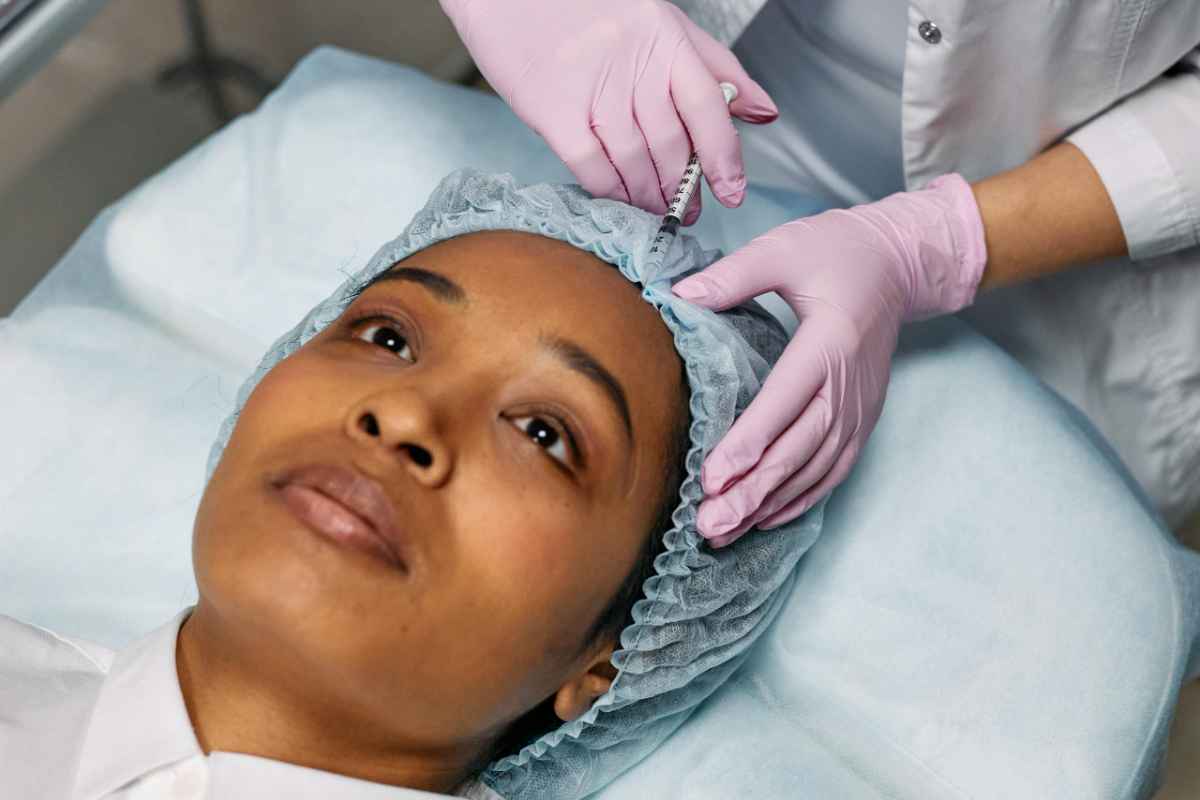
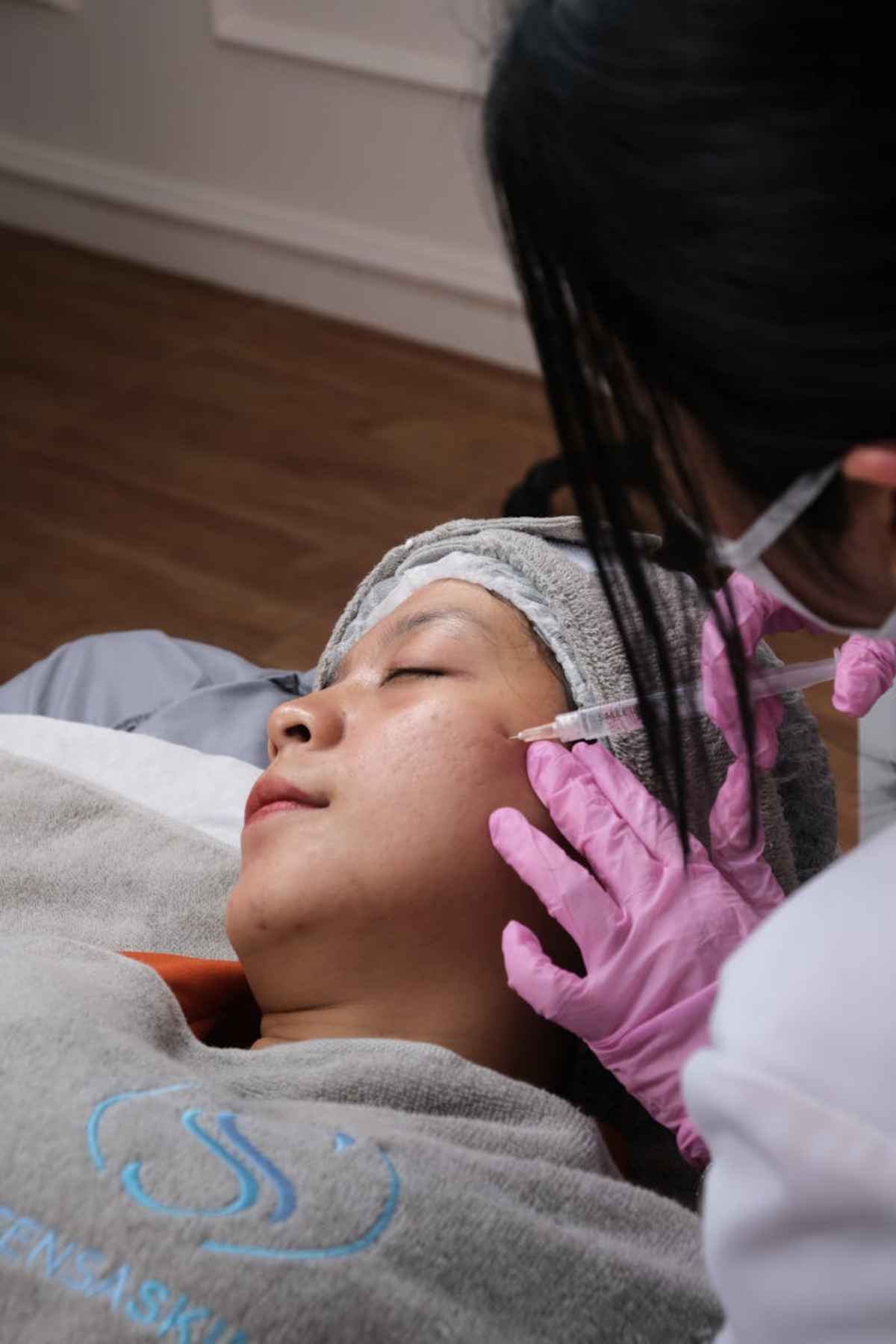
Botox injections and procedures offer a low-maintenance treatment to help reduce fine lines, like crow’s feet and forehead lines.
This popular cosmetic treatment relaxes facial muscles and nerve signals to minimize the appearance of wrinkles.
After your appointment, it’s important to avoid strenuous exercise and monitor the injection site to help prevent unwanted side effects.
Experts often recommend waiting 24-48 hours before engaging in air travel.
When planning your travel, keep in mind the effects of Botox can vary.
Airplane cabin pressure might pose minor risks, especially if you experience unusual symptoms. Paying attention to how your body responds and following any aftercare instructions from your healthcare provider is key.
Key Takeaways
- You can usually fly after Botox, but consider waiting a day or two.
- Avoid strenuous activities post-treatment to reduce side effects.
- Ensure to follow aftercare tips for the best results and consult your provider if needed.
Understanding Botox and Its Uses
Botox is a well-known cosmetic procedure for achieving a youthful look. It smooths away wrinkles and fine lines without the need for surgery. Let’s look closely at what Botox is and the advantages it offers.
What Is Botox?
Botox is a popular treatment made from botulinum toxin A. This substance temporarily relaxes facial muscles when injected into specific areas. This can reduce the appearance of forehead lines, crow’s feet, and frown lines.
A Botox procedure is quick and often called a “lunch break” treatment because it takes very little time. It requires a medically qualified practitioner to ensure safe and effective results.
The effects of Botox are not immediate. You will typically see improvement within a few days, with full results appearing in about a week.
A Botox treatment plan often spans several months, depending on your desired outcome.
Benefits of Botox
Botox injections offer several benefits for those looking to refresh their appearance. The main advantage is reducing wrinkles and fine lines, helping you achieve a more youthful look.
Beyond aesthetics, Botox can also manage medical conditions such as muscle spasms and excessive sweating, providing relief in everyday life.
It’s a non-surgical treatment, making it less risky than surgeries, and involves little recovery time, letting you resume normal activities quickly.
Potential side effects like minor swelling or redness are possible but often temporary. Consulting a healthcare provider ensures you understand the best practices and possible side effects for a safe experience.
Flying After Botox: General Advice
Before boarding a plane after Botox treatments, it’s helpful to understand some key timing and health recommendations. You’ll want to know when it’s safe to fly and any reasons you might need to delay your trip.
Timeline for Air Travel Post-Botox
While you may be eager to jump back into normal activities, experts often recommend waiting at least 24-48 hours after Botox injections before considering air travel.
This waiting period allows the Botox to settle into the treated areas, reducing the risk of unwanted side effects or changes in the appearance of lines.
Short flights are generally fine after this time, but for long-haul flights, additional precautions might be wise. Avoiding vigorous exercise or activities that might increase blood flow in the first days post-treatment is also suggested.
Reasons to Delay Flying
You might consider postponing your flight if you experience any side effects like swelling, bruising, or redness at the injection site. These symptoms can be exacerbated by changes in cabin pressure.
The good news is that these minor issues typically subside within a couple of days.
If you’re concerned about the migration of the toxin or unusual symptoms, consult your healthcare provider for advice.
Flying too soon may interfere with the best possible results of your Botox treatment, as well as your comfort.
It’s always a good idea to discuss travel plans and any cosmetic procedures with your medical professional to ensure you achieve the desired aesthetic results without risking adverse effects.
Potential Risks of Flying Too Soon
Flying too soon after Botox can lead to several issues. Changes in air pressure might worsen some side effects like swelling and bruising. There is also a chance of experiencing unexpected results due to these conditions.
Immediate Side Effects
After Botox injections, some immediate side effects can include swelling, bruising, and muscle weakness.
Flying soon after treatment increases the risk of these effects getting worse because of the cabin pressure changes.
You might feel intense pressure in the areas treated, like the forehead or around the eyes. This pressure can make swelling more noticeable and might even cause more bruising.
Muscle weakness from injections could also be a concern. It could affect facial muscles, making expressions harder to control.
Getting on a flight shortly after the procedure can make these symptoms more apparent, causing you to feel uncomfortable during your travel.
Prolonged Complications
Prolonged complications may happen if you fly before your body adjusts to the Botox. For some, this could mean dealing with side effects like double vision or a hoarse voice.
While these are rare, changing air pressure during a flight may make these issues more likely.
There’s also a risk of difficulty swallowing or breathing if the Botox spreads unexpectedly.
When air pressure changes, it can sometimes affect how your body reacts. This may pose unique challenges in the confined space of an airplane cabin.
It’s important to monitor any unusual symptoms closely.
If you notice anything like muscle weakness or loss of bladder control while flying, you should seek medical advice promptly.
Aftercare Tips and Best Practices
After getting Botox injections, proper aftercare ensures the best results. Simple steps can help manage swelling or bruising at the injection site, and maintaining the right habits significantly aids recovery.
Post-Treatment Care
After a botox procedure, it’s a good idea to avoid touching or massaging the treated area for at least 24-48 hours. This helps prevent the migration of the toxin to other facial muscles.
You should skip strenuous exercise and extreme heat, such as saunas, for a couple of days to reduce the risk of swelling or redness.
Stay upright for a few hours after your Botox appointment. Lying down can lead to unwanted side effects.
It’s best to plan any upcoming travel for after this waiting period.
Remember, air pressure changes in airplane cabins can potentially affect the outcome.
Avoid alcohol consumption right after Botox treatment. It can increase blood flow, which might worsen bruising.
Staying hydrated and applying a cold compress gently to the injection site can help with swelling and discomfort.
Managing Discomfort
Experiencing some discomfort or tightness in areas of the face after Botox is common.
If you feel discomfort, over-the-counter pain relief can help, but consult your healthcare provider first, especially if the symptoms persist.
An ice pack wrapped in a cloth can alleviate minor irritation. If you notice bruising, it’s generally temporary and should fade in a few days.
Be patient with the full results as they take time to develop, but listen to your body and seek medical attention if you encounter unusual symptoms.
Additional Considerations for Air Travel
Flying after a cosmetic procedure like botox injections can require some planning. It’s important to note the timing of your flight and certain in-flight precautions to ensure the best possible results and avoid unwanted side effects.
Choosing the Right Time to Fly
When you plan your botox appointment, it’s a good idea to consider your travel plans.
Specialists often recommend waiting 24-48 hours after botox treatment before flying. This is because the air pressure in plane cabins might have a negative effect on the treated area.
During this waiting period, you should avoid strenuous exercise and vigorous exercise, as these activities can increase blood flow and lead to the migration of the toxin away from the injection site.
Taking these steps helps you get the best results from your treatment.
You also give your body time to recover and reduce the risk of adverse effects. If you experience any unusual symptoms, reach out to your healthcare provider for advice before you fly.
Facial Treatments and In-Flight Precautions
If you’ve had facial treatments such as dermal fillers or botox, it’s vital to follow aftercare instructions during your flight.
The airplane cabin pressure could contribute to swelling or bruising at the injection site for dermal filler injections.
Using an anti-wrinkle cream or a light moisturizer can help keep your skin hydrated. Drinking plenty of water is also beneficial—it keeps your skin hydrated and supports healing.
Avoid touching your face and facial muscles to reduce any potential risks in the treatment areas like frown lines and crow’s feet.
By taking these simple steps, you help ensure the appearance of lines is minimized, achieving great care for the final result of your treatment. If you’re concerned about the flight, consult with your medical practitioner beforehand.
Frequently Asked Questions
Flying after getting Botox injections can raise some common questions. A waiting period after the treatment is recommended to avoid possible side effects and ensure the best results. Here’s a closer look at some important considerations about air travel after cosmetic treatments.
How long should I wait before boarding a plane post-Botox treatment?
It’s generally a good idea to wait 24-48 hours before flying. A medical professional might suggest this to allow the injectable treatments to settle and to reduce the risk of adverse effects.
Is there a risk of complications from flying too soon after getting Botox?
Flying too soon could potentially lead to unwanted side effects, such as swelling at the injection site. To ensure the best possible results, avoiding air travel for a short period is recommended.
Are there any concerns about altitude affecting Botox results?
Changes in airplane cabin pressure are not known to have a negative effect on the treated areas. However, some healthcare providers suggest waiting to prevent potential risks like migration of the toxin.
What are the dos and don’ts after undergoing a Botox procedure?
After a botox appointment, it’s best to avoid strenuous exercise and excessive sweating for a couple of days. Following specific aftercare instructions can help achieve the desired aesthetic results.
Can traveling shortly after Botox or fillers cause any problems?
Travel plans should ideally be scheduled to allow a brief waiting period after your botox procedure. This ensures blood flow around the treatment areas remains optimal for good news without affecting the final result.
Does sun exposure post-Botox have any impact if I’m planning to fly?
Avoiding extreme heat and sun exposure is a best practice after botulinum toxin treatment.
Day-to-day activities can usually resume soon. However, great care should be taken to prevent excessive sweating while traveling.