What to Drink with Charcuterie: Wine and Other Pairings
This post contains affiliate links. If you click through and make a purchase, I may earn a small commission at no extra cost to you. As an Amazon Associate I earn from qualifying purchases.
The best drinks with charcuterie are crisp, high acid wines with gentle tannin: sparkling wine such as Prosecco, Cava or Champagne, light reds such as Beaujolais, Lambrusco or Pinot Noir, and dry rosé or aromatic whites. Salt in cured meat softens a wine’s acidity, so a fresh style keeps the pairing lively, according to wine experts quoted by Decanter. Bold, oaky reds such as Napa Cabernet Sauvignon tend to clash with the meat and are better kept for the aged cheeses on the board. For a dry option, citrus soda, sparkling water or tea work for the same reasons.
The guide below matches each common cured meat to a drink, covers what to skip, and ends with non alcoholic choices and a few serving rules for a party.
Quick pairing chart: what to drink with each cured meat
These pairings come from VinePair’s guide to charcuterie and wine, which groups cured meats into whole muscle cuts, salami and cooked spreads.
| Cured meat | What to drink |
|---|---|
| Prosciutto di Parma | Prosecco, pet nat or Lambrusco |
| Speck | Pinot Grigio, Gewürztraminer or Sylvaner from Alto Adige |
| Jamón Ibérico | Manzanilla or oloroso sherry, rosé Cava, Rioja Crianza |
| Jambon de Bayonne | Viognier, Sémillon or a fresh rosé |
| Bresaola | Prosecco, Dolcetto or an earthy Pinot Noir |
| Finocchiona (fennel salami) | Chianti Classico or another Sangiovese |
| Saucisson sec | Red or white Burgundy, Champagne |
| Spanish chorizo | Cava, Garnacha rosé or Verdejo |
| Rillettes | Off-dry Chenin Blanc or a Loire red |
| Coarse pâté | Loire Pinot Noir or Cabernet Franc |
| Mortadella | Pet nat, juicy rosé, Beaujolais or Barbera |
Three rules that work every time
1. Choose acidity
Cured meats carry a lot of salt and fat. Decanter explains that salt softens the acidity in wine, so higher acid styles stay fresh beside the meat and refresh the palate between bites. Crisp white wine, dry rosé and most sparkling wines fit this rule.
2. Match weight to weight
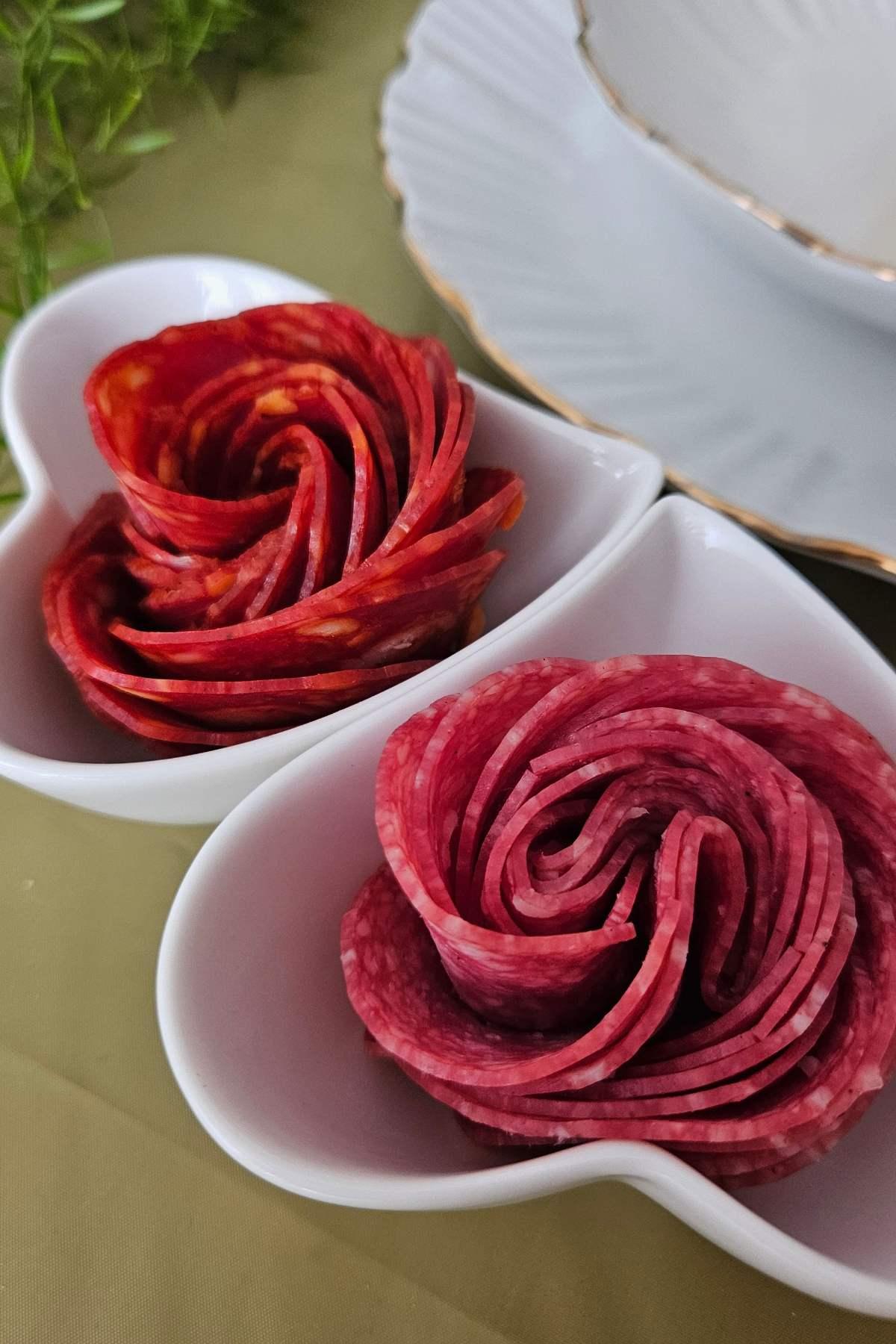
Light, delicate meats such as Jambon de Bayonne or prosciutto go with lighter wines, while spiced or smoked meats can take a little more body. Sean Cannon of Cannon & Cannon told Decanter that lighter flavored meats suit lighter wines, and that spicy salami such as German styles calls for something juicy and light bodied like Beaujolais. If pepperoni is on the board, these ways to put pepperoni on a charcuterie board show how to arrange it.
3. Pair by region
When you know where a meat comes from, a wine from the same place is a safe start. That is why Lambrusco with Prosciutto di Parma, Chianti with finocchiona and Cava with chorizo are classic matches, as VinePair notes.
Sparkling wine: the easiest all round choice
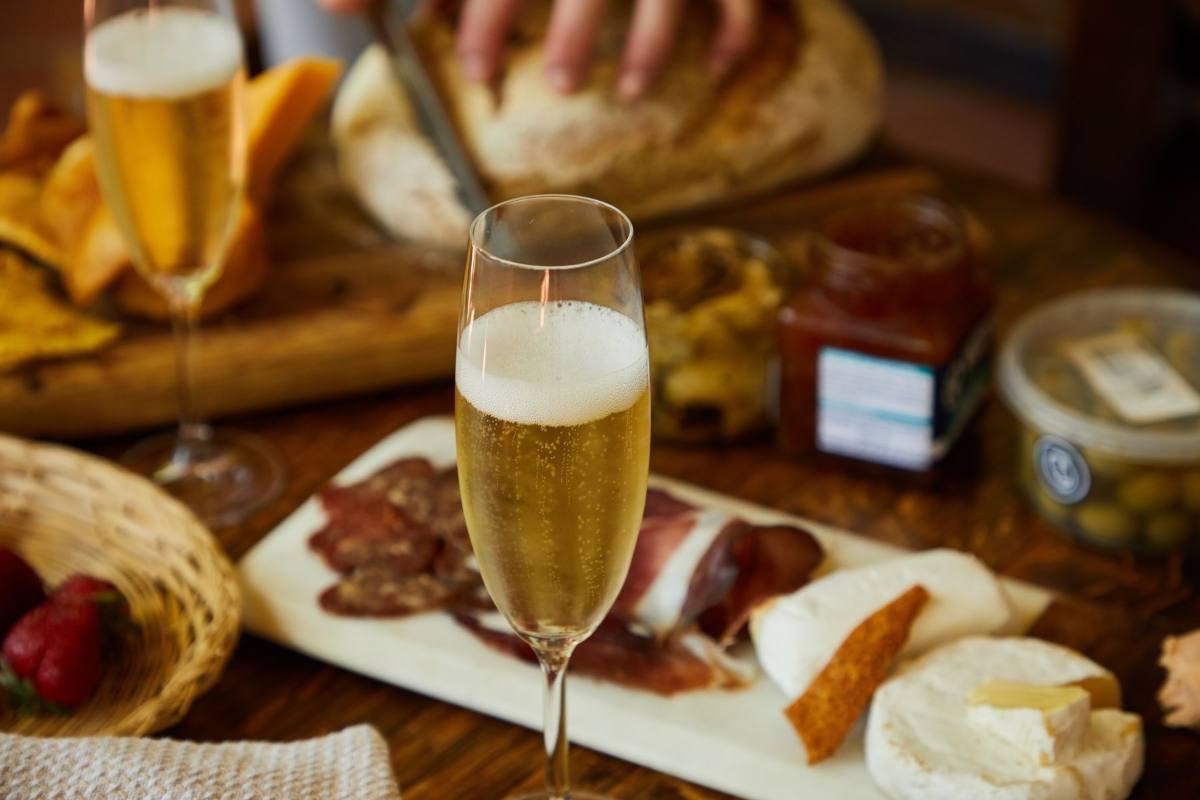
Bubbles and acidity cut through fat, which makes sparkling wine the most forgiving choice for a full charcuterie platter. In Decanter, Yuri Gualeni of Tratra in London puts it simply: fatty meats need bubbles and acidity, and Cannon pairs vintage Champagne with smoked lardo.
- Prosecco or pet nat with prosciutto and bresaola (VinePair).
- Cava with chorizo and Jamón Ibérico, where the bubbles act as a cleansing contrast to the spice (VinePair).
- Champagne with saucisson sec, where its yeasty notes match the pork (VinePair).
- Lambrusco, a lightly sparkling red, which Decanter calls a good all rounder for a mixed board.
Light and medium-bodied reds
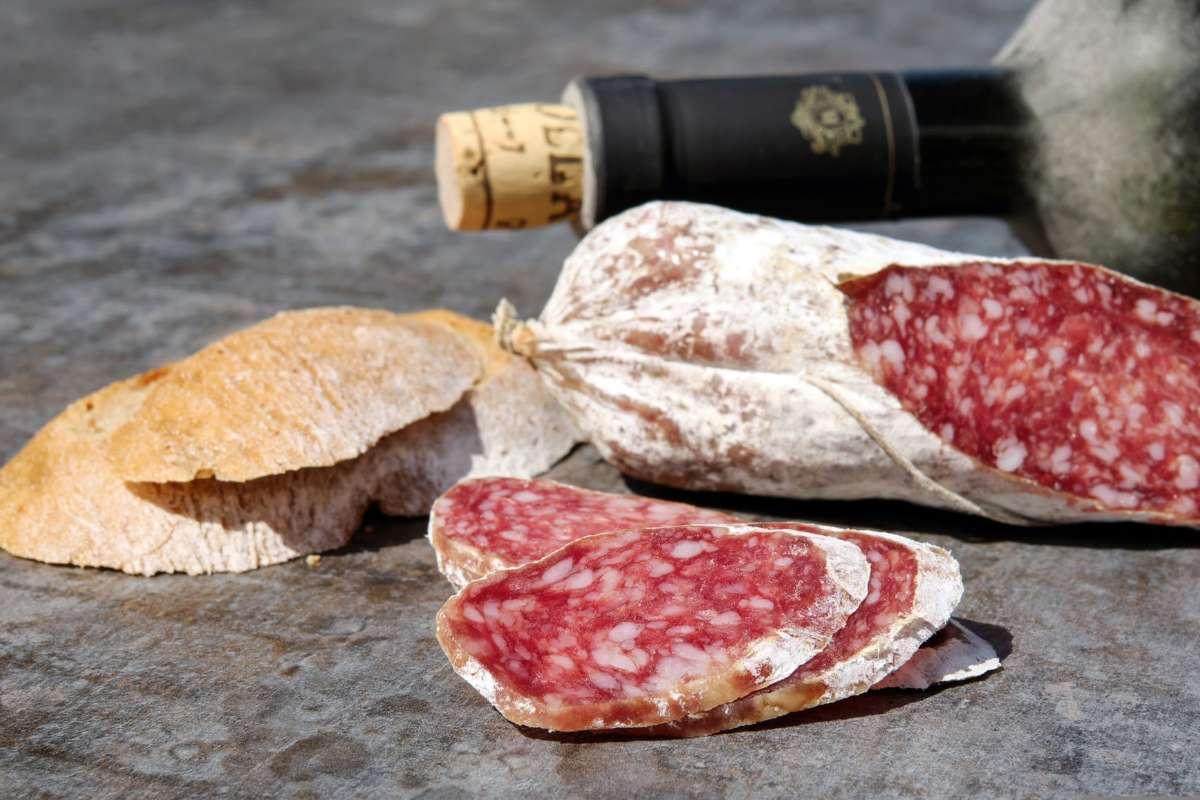
Red wine works with charcuterie when it is fruity and low in tannin. Beaujolais suits spicy salami and mortadella, Barbera and Dolcetto suit bresaola and mortadella, and Sangiovese, especially Chianti Classico, is the classic match for fennel salami, according to VinePair.
Pinot Noir is a good bridge between meat and cheese. VinePair suggests an earthy Pinot Noir with bresaola and a rustic Loire Pinot Noir or Cabernet Franc with a coarse country pâté. For a mixed board with several styles of meat, Decanter suggests an Anjou or another light Loire red.
Whites and rosé
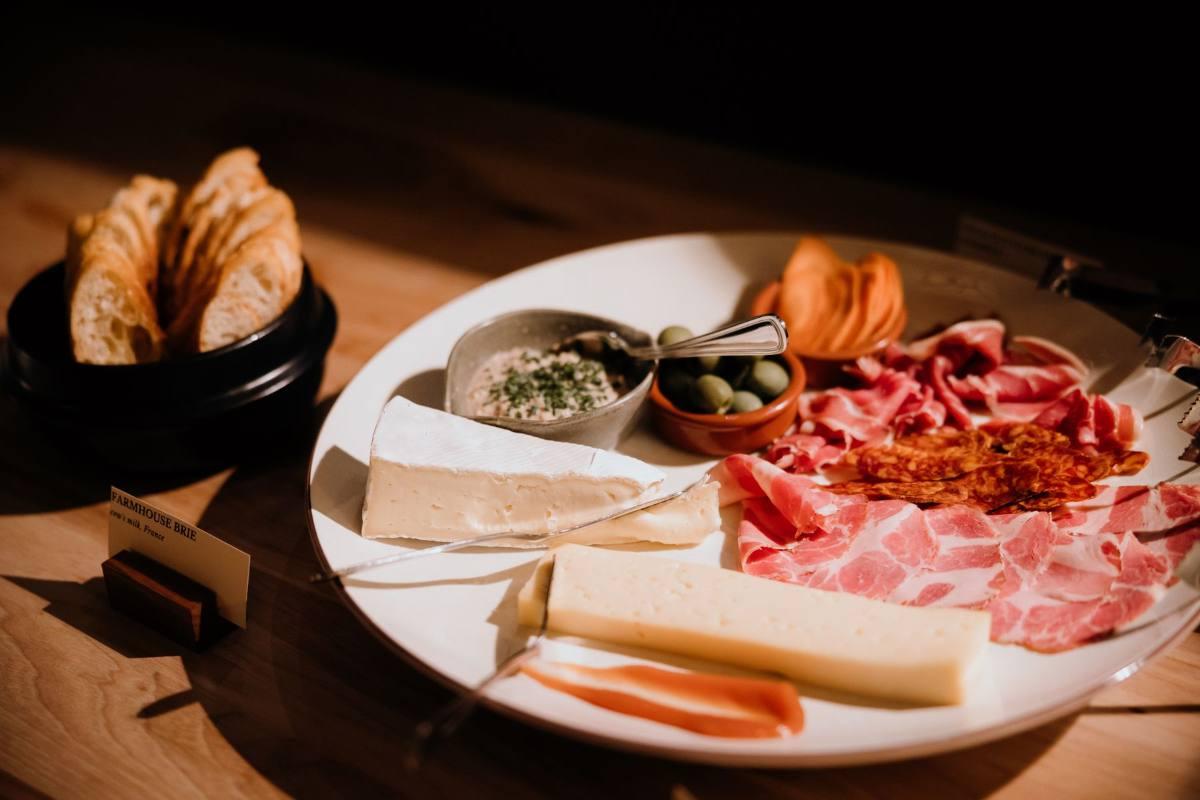
Dry white wines and rosé are a good match for the lighter meats and for fresh cheeses. VinePair pairs speck with the aromatic whites of Alto Adige such as Pinot Grigio and Gewürztraminer, Jambon de Bayonne with Viognier, Sémillon or a fresh rosé, and finocchiona with Pinot Grigio or Trebbiano. Off-dry Chenin Blanc softens the gamey edge of duck or pork rillettes, and a cool climate Chardonnay can smooth the richer flavors of a liver pâté.
For a creamy mousse style pâté, the traditional choice is a sweet wine such as Sauternes. The dessert wine guide covers Sauternes and other sweet styles if you want a bottle for that part of the board.
What to skip
Two styles came up as poor matches in Decanter. Big, structured reds such as Napa Cabernet Sauvignon and Bordeaux blends have tannin, oak and dark flavors that overwhelm delicate cured meats. A very grassy Sauvignon Blanc can also clash with salami and saucisson. If guests prefer bold reds, put out aged cheddar or other hard cheeses where those wines show better.
When the board has cheese too
Most boards mix meat with a variety of cheeses, so pick one wine for the meat and one for the strongest cheese. For a board with both, Decanter suggests an Italian Amarone or Valpolicella. The wine and cheese pairing guide has a full chart for creamy cheeses, aged cheeses and blue cheese, and the guide to making a charcuterie board covers how much meat and cheese to buy. Pickles and other sharp extras help too; see the best pickles for charcuterie.
Non alcoholic drinks for charcuterie
The same logic of acidity, bubbles and tannin applies without alcohol. Cheese professionals quoted by Food & Wine recommend:
- Citrus sodas and sparkling water. Leigh Friend of Casellula in New York says the bubbles lift fat from the tongue and refresh the palate, and she likes San Pellegrino Limonata and Aranciata.
- Tea. Its natural tannins give the grip of a red wine without the alcohol burn; Kiri Fisher of The Cheese School of San Francisco suggests an aged Oolong or Pu’er with aged Gouda.
- Coffee. Its tannins cut fat and richness, and it suits nutty cheeses such as Comté.
- Lemonade with less sugar. A lightly sweet lavender lemonade works with fresh goat cheese.
- Hot chocolate or drinking chocolate. A good match for blue cheese, where sweet meets salty.
Serving tips for a party
- Take cheese out of the fridge 20 to 30 minutes before guests arrive for the best flavor, and count that time toward the safe limit (U.S. Dairy).
- Do not leave cheese at room temperature for more than two hours, or one hour above 90°F (U.S. Dairy).
- Serve small portions and refill from the fridge; a chilled tray under the board helps (U.S. Dairy).
- Offer at least one sparkling or crisp wine and one non alcoholic option so every guest has a match.
Planning a full evening? The guide on how to host a dinner party covers how much wine to buy per guest, and an heirloom charcuterie board gives the spread a lasting base. For a morning version, see these breakfast charcuterie board ideas, and for pairing beyond the board, the wine and food pairing guide.
Frequently asked questions
What wine goes best with a charcuterie board?
A fresh, high acid wine with little oak suits most boards. Sparkling wine such as Prosecco, Cava or Champagne, a light red such as Beaujolais or Lambrusco, or a dry rosé will handle salt and fat across many meats. Decanter names a light Loire red and Lambrusco as good all rounders for a mixed board.
Does Cabernet Sauvignon go with charcuterie?
Usually not with the meat itself. Experts quoted by Decanter found Napa Cabernet Sauvignon and Bordeaux blends too tannic and structured for delicate cured meats. Save a bold red for the aged cheeses on the board.
What can I drink with charcuterie instead of wine?
Citrus sodas, sparkling water, tea and coffee all work. Cheese professionals quoted by Food & Wine point out that carbonation lifts fat from the palate, and that the tannins in tea and coffee cut richness much as a red wine does.
How long can a charcuterie and cheese board sit out?
U.S. Dairy advises that cheese should not sit at room temperature for more than two hours, or one hour above 90°F. Keep extra meat and cheese in the fridge and refill the board in small batches.
Sources, read 21 November 2026: VinePair, The Definitive Guide to Pairing Charcuterie and Wine; Decanter, Wine and charcuterie pairing; Food & Wine, 6 Surprising Nonalcoholic Drinks That Pair Beautifully With Cheese; U.S. Dairy, How Long Can Cheese Sit Out?.
Continue Exploring Luxury
Everything you need for wine, food and entertaining, in one place.
📖 Get the Free Luxe Living Starter Guide