The Best Wine for Beginners: 6 Varieties That Taste Great
This post contains affiliate links. If you click through and make a purchase, I may earn a small commission at no extra cost to you. As an Amazon Associate I earn from qualifying purchases.
As you try each of these six varieties, serving them in a set of universal wine glasses lets you compare aromatics and taste profiles side by side. For a more detailed look into wine varietals and regions, Wine Folly: Magnum Edition is the most approachable guide for beginners.
Walking down the wine aisle of a boutique shop or reading a restaurant wine list can feel like trying to decipher a foreign language. Between the French regional names, the complex tasting notes, and the subtle pressure to order the “right” bottle, the experience is often more intimidating than it is enjoyable.
At Luxury Infusion, we believe that elevated living should feel effortless, not stressful. You do not need a refined palate, a massive budget, or a sommelier’s vocabulary to enjoy a beautiful glass of wine. You simply need a starting point.
Some links below are affiliate links. We may earn a small commission if you purchase through them at no extra cost to you.
With a WSET Level 1 Award in Wines, I have found that the biggest mistake beginners make is starting with wines that are too harsh, too dry, or too heavily oaked. Your palate needs time to adjust to the structure of wine, which is why choosing the right introductory bottle is so important.
What makes a wine beginner-friendly? The best wine for beginners is typically fruit-forward, lower in harsh tannins, and balanced in acidity. These characteristics make the wine approachable and smooth, allowing new wine drinkers to enjoy the flavor profile without experiencing the bitter, mouth-drying sensation common in heavier, more complex vintages.
Whether you are looking for a crisp white to serve at a summer lunch, a smooth red for a cozy night in, or a sweet starting point to transition away from cocktails, this curated list of the best wine for beginners will help you order and buy wine with absolute confidence.
What Makes a Wine “Beginner-Friendly”?
Before we get into specific bottles, it helps to understand the three qualities that make a wine welcoming to new drinkers. These are the criteria behind every recommendation in this guide to the best wine for beginners.
Fruit-Forward
A fruit-forward wine is one where the dominant aromas and flavors are fresh, recognizable fruit, think cherries, peaches, citrus, or berries. These flavors are familiar and pleasant, which makes the wine easy to drink and understand. When a wine tastes like something you already enjoy, the experience is naturally more enjoyable. Fruit-forward wines tend to feel lighter and brighter on the palate, making them a natural entry point for anyone new to wine.
Low Tannins
Tannins are naturally occurring compounds found primarily in red wine, derived from grape skins, seeds, and stems. They create the dry, grippy, mouth-puckering sensation that many new wine drinkers find unpleasant. High-tannin wines like Cabernet Sauvignon can feel harsh and astringent to an unaccustomed palate. Wines with low tannins, by contrast, feel soft and smooth, making them far more approachable when you are just beginning to explore wine.
Balanced Acidity
Acidity in wine refers to its tartness or brightness, similar to what you taste in lemonade or green apple. A wine with balanced acidity feels refreshing and clean rather than sharp or flat. Too much acidity can make a wine feel aggressive, while too little can make it taste dull or flabby. Beginners typically enjoy wines that sit in a comfortable middle range, where the acidity lifts the fruit flavors without overwhelming them.
The Best White Wines for Beginners

White wines are generally considered the best starting point for new wine drinkers. They tend to be lighter, more aromatic, and lower in tannins than reds, which means your first sip is much less likely to catch you off guard. Here are the three white wines I recommend most often to anyone seeking the best wine for beginners.
1. Pinot Grigio (The Safe and Refreshing Choice)
Pinot Grigio is consistently the wine I recommend first to anyone who tells me they are new to wine. It is light, clean, and approachable, with a flavor profile that leans toward citrus, green apple, and a hint of white peach. The finish is dry but gentle, with just enough acidity to keep the wine refreshing without being sharp.
Profile: Light-bodied, crisp, citrusy, with low to medium acidity and virtually no tannins.
Why it works for beginners: Pinot Grigio is one of the most widely available wines in the world, which means you will find it at almost any restaurant or wine shop. It is forgiving, food-friendly, and rarely polarizing. If you are not sure where to begin, Pinot Grigio is your safest bet as the best wine for beginners. Italian Pinot Grigio, particularly from the Friuli region, tends to be crisper and more mineral-driven, while those from Alsace in France lean slightly richer and rounder.
Pairing tip: Pinot Grigio pairs beautifully with lighter dishes, think salads, light pasta, grilled chicken, and fresh seafood. For a deeper look at matching wine with food, see our simple guide to wine and food pairing.
2. Sauvignon Blanc (The Zesty Step Up)
Once you have found your footing with Pinot Grigio, Sauvignon Blanc is an excellent next step. It carries more personality and a slightly higher level of acidity, which makes it feel livelier in the glass. Expect flavors of green apple, grapefruit, and fresh-cut grass, with some versions from New Zealand offering a distinct tropical note of passion fruit or gooseberry.
Profile: Medium-bodied, higher acidity, flavors of green apple, grapefruit, and citrus zest.
Why it works for beginners: Sauvignon Blanc is expressive and easy to identify by smell alone, which makes it a great wine for developing your palate. The aromatics are bright and recognizable, you do not need a trained nose to pick up what you are smelling. New Zealand Sauvignon Blanc (particularly from Marlborough) and French Sancerre are two of the most commonly recommended styles for newcomers.
Best regions to start with: Marlborough, New Zealand and the Loire Valley, France. For a full breakdown of flavors, regions, and food pairings, see the complete Sauvignon Blanc guide.
3. Moscato d’Asti (The Sweet Starting Point)
If you are transitioning from sweet cocktails or prefer beverages on the sweeter side, Moscato d’Asti is your ideal entry point into wine. It is lightly sparkling (known as frizzante in Italian), low in alcohol, and bursting with flavors of ripe peach, apricot, and orange blossom. It feels more like a treat than a drink, which is precisely what makes it so approachable.
Profile: Sweet, lightly sparkling, with peach, apricot, and orange blossom notes. Low alcohol (typically 5-6% ABV).
Why it works for beginners: The sweetness softens everything. There is no harsh edge, no astringency, no shock to the palate. Moscato d’Asti is produced in the Piedmont region of Italy and is best served well-chilled as an aperitif or alongside a light dessert. It is also a wonderful wine to share with guests who do not typically drink wine, since almost everyone finds it pleasant on the first sip. Read the complete Moscato d’Asti guide for serving tips, food pairings, and top bottles.
The Best Red Wines for Beginners
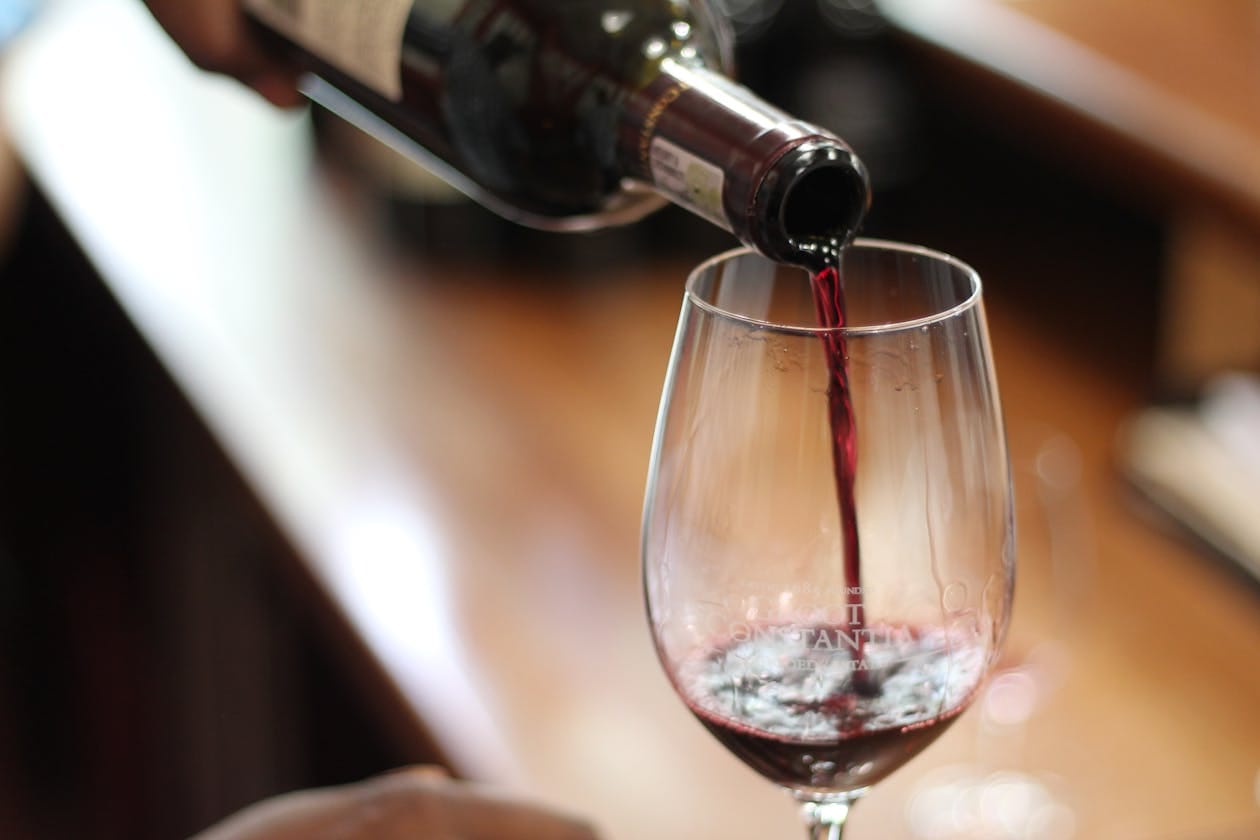
Many beginners assume that all red wine tastes bitter or heavy. That assumption comes from encountering high-tannin reds before the palate is ready for them. The truth is that there are red wines that are soft, smooth, and genuinely easy to enjoy from the very first glass. These are the three I recommend to anyone looking for the best wine for beginners who want to explore red wine.
1. Pinot Noir (The Ultimate Beginner Red)
Pinot Noir is widely considered the ultimate beginner red wine for good reason. It is light-bodied, silky, and low in tannins, with a flavor profile centered on red fruits like cherry, raspberry, and strawberry. Unlike heavier reds, Pinot Noir does not overwhelm the palate. It is elegant, approachable, and pairs well with a wide range of foods.
Profile: Light to medium-bodied, low tannins, bright acidity, with cherry, raspberry, and earthy notes.
Why it works for beginners: The tannins in Pinot Noir are soft and barely noticeable, which removes the biggest barrier for new red wine drinkers. Because it is lighter in body, it does not feel as heavy or intense as other reds. Oregon Pinot Noir tends to be earthier and more complex, while Californian Pinot Noir is typically richer and fruitier, both are excellent starting points for anyone searching for the best wine for beginners.
Best regions: Burgundy (France), Willamette Valley (Oregon), and Sonoma (California).
2. Merlot (The Smooth and Plummy Classic)
Merlot was one of the most popular wines in the world for decades, and for good reason: it is smooth, soft, and genuinely easy to drink. It carries flavors of plum, black cherry, and chocolate, with a velvety texture that makes it feel comforting rather than challenging. Medium-bodied with soft tannins, Merlot sits comfortably between the lightness of Pinot Noir and the intensity of bolder reds.
Profile: Medium-bodied, soft tannins, plum, black cherry, mocha, and a smooth finish.
Why it works for beginners: Merlot is the definition of approachable red wine. It rarely tastes harsh or aggressive, and its fruit-forward nature makes it easy to enjoy without food. Look for Merlot from California, Washington State, or the Saint-Emilion region of Bordeaux for smooth, well-balanced examples that are beginner-friendly right out of the bottle, making it a top recommendation on any best wine for beginners list.
3. Zinfandel (The Jammy and Bold Option)
Zinfandel is not traditionally labeled a “beginner wine,” but for drinkers who are drawn to sweeter or bolder flavors, it can be a natural fit. California Zinfandel is known for its jammy, fruit-rich character, with flavors of blackberry jam, raspberry, and sometimes a hint of spice or vanilla. It is full-flavored and generous, which many beginners find more satisfying than subtle, restrained wines, making it one of the more surprising entries on any best wine for beginners list.
Profile: Medium to full-bodied, jammy fruit flavors of blackberry and raspberry, with spice and vanilla notes.
Why it works for certain beginners: If Pinot Noir feels too light or subtle for your taste, Zinfandel offers a bolder, more generous flavor experience. The jamminess softens the perception of tannins, making it more approachable than a Cabernet Sauvignon of similar intensity. Look for Zinfandel from Sonoma, Napa, or Lodi in California for the most fruit-forward expressions.
The “Versus” Cheat Sheet: What to Order at a Restaurant
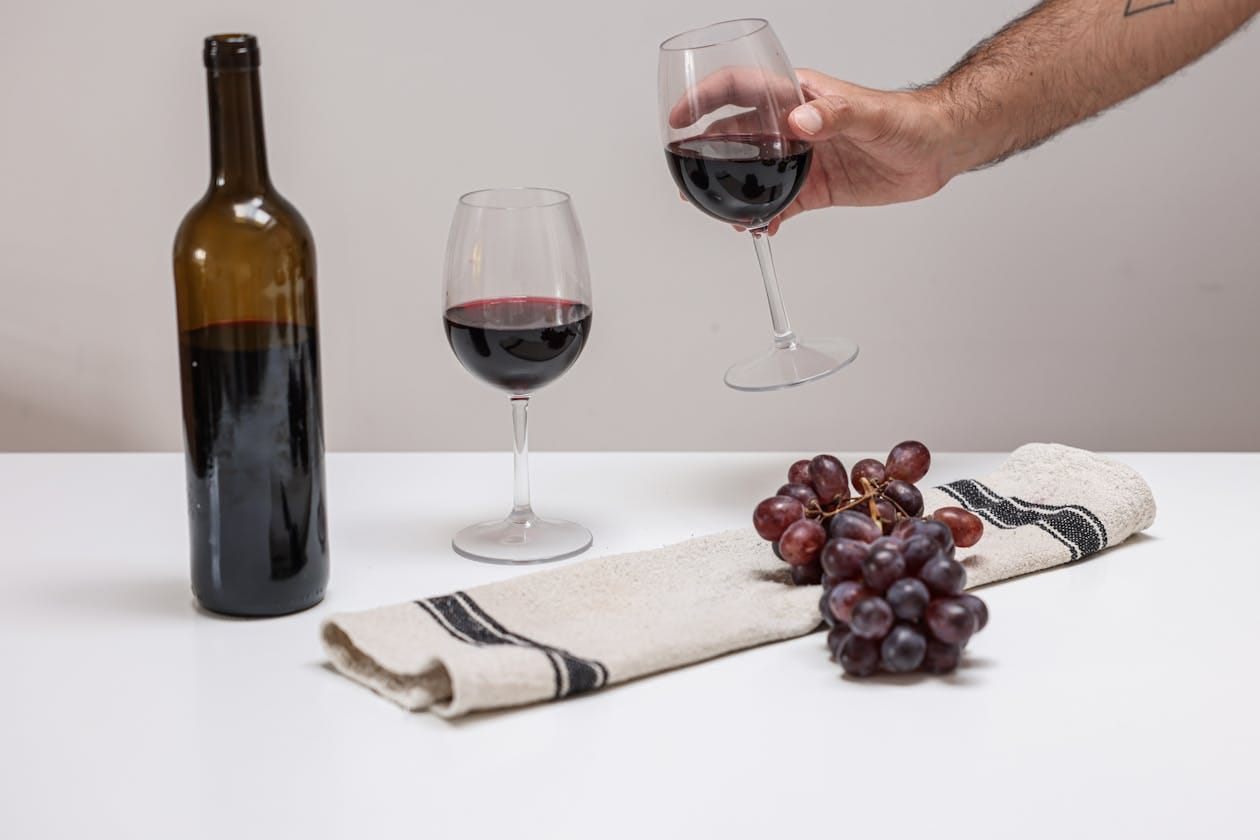
One of the most common situations where wine intimidation peaks is at a restaurant. The list is long, the waiter is waiting, and you are not sure what any of it means. This best wine for beginners cheat sheet simplifies the decision into preference-based choices so you can order with ease.
If you like sweet beverages… reach for Moscato d’Asti or an off-dry Riesling. Both offer fruit sweetness without the syrupy weight of a dessert wine. For a helpful comparison of these two styles, take a look at our breakdown of Gewurztraminer vs Riesling.
If you want something light and easy… choose Pinot Noir rather than a heavy Cabernet Sauvignon. Pinot Noir gives you the character and depth of red wine without the tannin intensity that can make heavier reds feel aggressive to a new palate.
If you want a crisp white… order Sauvignon Blanc rather than an oaked Chardonnay. Oaked Chardonnay has a rich, buttery texture and vanilla notes that can feel heavy and confusing to beginners. Sauvignon Blanc keeps things fresh, clean, and easy to understand.
If you are completely unsure… ask for the house Pinot Grigio or a glass of Prosecco. These are reliably crowd-pleasing, widely available, and unlikely to disappoint anyone at the table.
If you are at a steakhouse or a wine-forward restaurant… look for Merlot on the list. It holds up beautifully to red meat and will feel more polished than a basic table wine without the intimidation factor of a high-tannin Cabernet.
Shop the Post
Affiliate links. We may earn commission.
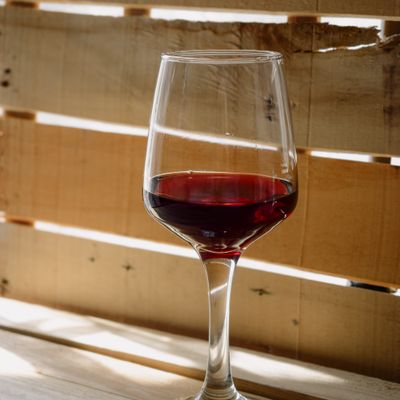
Crystal Red Wine Glasses, Set of 4
Four 15 oz hand blown crystal glasses.
View on Amazon →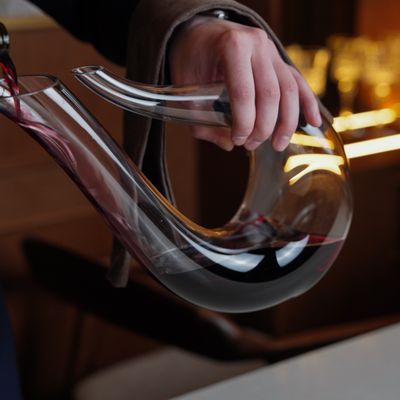
Le Chateau Crystal Wine Decanter
Hand blown lead free crystal, 750 ml capacity.
View on Amazon →
Vacu Vin Wine Saver Pump
Vacuum pump and stopper for resealing open bottles.
View on Amazon →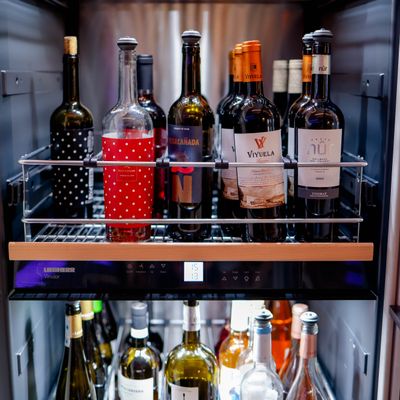
Ivation 12 Bottle Compressor Wine Fridge
Compressor wine cooler that holds 12 bottles.
View on Amazon →Frequently Asked Questions
What is the best red wine for someone who does not like red wine?
The best red wine for someone who does not like red wine is Pinot Noir or Beaujolais. These wines are light-bodied, fruit-forward, and have very low tannins, meaning they will not leave your mouth feeling dry or bitter. Beaujolais, made from the Gamay grape in France, is particularly approachable and often described as a red wine that drinks like a white. Both options are excellent for warming up a palate that has previously been put off by heavier reds.
Should beginners start with red or white wine?
Beginners should generally start with white wine or rosé. White wines tend to be lighter, sweeter, and more refreshing, making them an easier transition for palates that are not yet accustomed to the dry tannins found in most red wines. Pinot Grigio and Sauvignon Blanc are the two most-recommended starting points for new white wine drinkers and represent the best wine for beginners to try first. Rosé sits comfortably between the two styles and is another approachable option if you want to explore something with a little more personality than a standard white.
What is the best wine for beginners to start with?
A good sweet wine for beginners is Moscato d’Asti or an off-dry Riesling. Both offer bright fruit flavors and a pleasant sweetness without being heavy or syrupy like a traditional dessert wine. Moscato d’Asti is lightly sparkling and very low in alcohol, making it one of the most beginner-friendly options and the best wine for beginners who prefer something sweet. Off-dry Riesling, particularly from Germany or Alsace, delivers honeyed fruit with a refreshing acidity that keeps the sweetness from feeling cloying.
What to Read Next
- How to pair wine with food: once you know what wines you like, learn how to match them to your favorite meals.
- Pinot Noir complete guide: when you are ready to go deeper on the most approachable red.
- Moscato d’Asti complete guide: everything you need to know about Italy’s favorite sweet sparkling wine.
- Sauvignon Blanc complete guide: crisp, aromatic, and food-friendly across every cuisine.
Ready to elevate your everyday routines? Explore our complete wine library for in-depth guides on varietals, regions, and pairings. And when you are ready to match your new favorite bottle with a meal, our simple guide to wine and food pairing will walk you through everything you need to know.
Continue Exploring Luxury
Everything you need for wine, food and entertaining, in one place.
📖 Get the Free Luxe Living Starter Guide