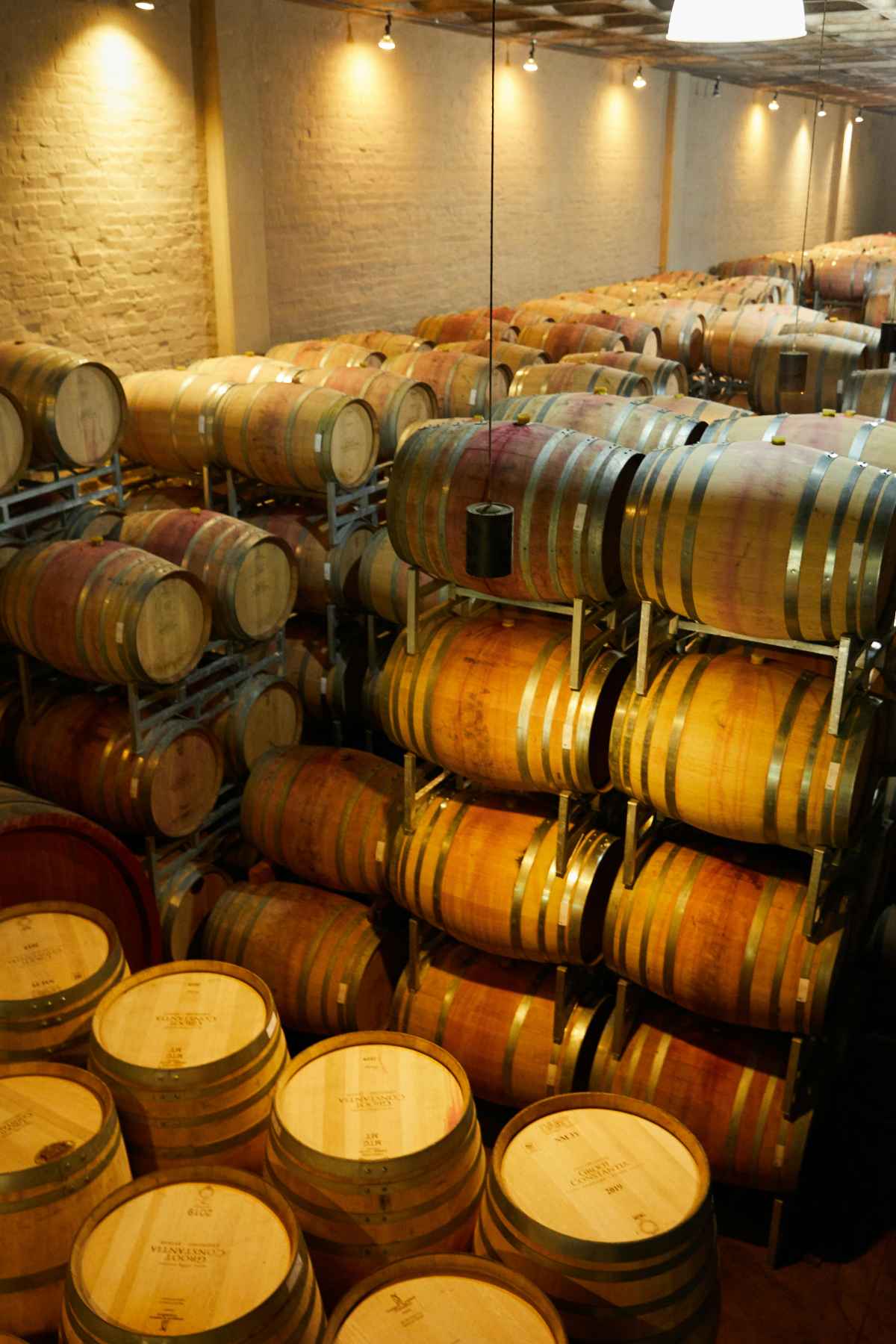
Elevated Mulled Wine: The Perfect Hot Wine Recipe for Winter Hosting
This post contains affiliate links. If you click through and make a purchase, I may earn a small commission at no extra cost to you. As an Amazon Associate I earn from qualifying purchases.
There is something deeply satisfying about warming a pot of spiced wine on a cold winter evening. The scent of cinnamon and citrus drifts through the house, the fire crackles, and guests arrive with cold cheeks and warm expectations. Done right, mulled wine is an act of quiet luxury hosting. Done wrong, it tastes like syrup with a headache attached.
The difference between a sticky, overpowering mulled wine and a genuinely elegant hot wine drink comes down to one principle: respect the base wine. As someone trained through WSET, I can tell you the secret is not masking the wine with sugar and spice. It is choosing the right bottle, using whole spices, and heating gently. Everything else follows from there.
Mulled wine, often referred to as a hot wine drink, is a traditional winter beverage made by gently heating red wine with whole spices (like cinnamon, cloves, and star anise), fresh citrus, and a touch of sweetener. It is served warm and is a staple of holiday hosting and cold-weather gatherings.
The Secret to the Best Hot Wine? The Right Base Bottle
The most common mistake people make when preparing a hot wine drink is reaching for the cheapest bottle on the shelf or, conversely, opening something precious. Neither approach works. A bargain wine with poor structure will taste sharp and thin when heated. An expensive wine loses its subtlety entirely in the pot. What you want is the reliable middle ground: a fruit-forward, medium-bodied red in the $12 to $20 range that you would happily drink on its own.
Best Grapes for Mulled Wine
Three varietals stand out as genuinely excellent for mulled wine. Zinfandel brings ripe berry fruit and a soft spice note that complements the cinnamon beautifully. Merlot offers plum and chocolate character with low tannins that stay smooth under heat. Grenache is perhaps the most underrated choice, bringing strawberry and red fruit warmth that makes the finished drink feel bright rather than heavy.
What all three share is the quality that matters most: they are fruit-forward with moderate to low tannins. Tannins become astringent and harsh when wine is heated, which is why highly tannic wines like Cabernet Sauvignon are a poor fit for mulled wine. The heat amplifies tannin bitterness dramatically, leaving you with a drink that tastes more medicinal than warming.
Similarly, delicate wines like Pinot Noir are wasted in the pot. Pinot Noir’s charm lies in its subtle red fruit, earthy complexity, and aromatic finesse. Heating strips all of that away, leaving a thin, flat base that does not support the spices. Save your Pinot for the table and reach for something more robust.
A useful reference when choosing your base wine: Wine Folly’s guide to mulled wine covers varietal selection in detail, and aligns with the WSET approach of prioritising fruit-forward, low-tannin reds for this hot wine drink.

Elevated Mulled Wine Ingredients (Skip the Pre-Made Mixes)
Pre-made mulled wine mixes exist in every supermarket and they produce a predictably forgettable result: uniform sweetness, dusty ground spice flavour, and that artificial citrus note that lingers unpleasantly. Making your own takes fifteen extra minutes and produces something genuinely memorable. These are the only ingredients you need.
- 1 bottle red wine (medium-bodied, fruit-forward: Merlot, Zinfandel, or Grenache)
- Fresh citrus: 1 orange, sliced into rounds, plus an extra strip of peel for garnish
- Whole spices only (never ground): 2 cinnamon sticks, 4 whole cloves, 2 star anise pods
- Sweetener: 2 to 3 tablespoons of maple syrup or raw honey (not refined white sugar)
- Optional kick: 1/4 cup brandy or Grand Marnier
A note on the spices: whole spices are non-negotiable in an elevated version of this recipe. Ground spices dissolve into the wine and create a murky, overpowering result that cannot be corrected. Whole cinnamon sticks, whole cloves, and whole star anise infuse gradually and can be strained out cleanly, leaving a clear, aromatic drink with a sophisticated spice note rather than a mouthful of powder.
The choice of sweetener also matters more than most recipes acknowledge. Refined white sugar adds sweetness and nothing else. Maple syrup brings a subtle caramel depth that works beautifully with the cinnamon and clove. Honey, particularly a mild wildflower or orange blossom variety, adds floral warmth. Start with two tablespoons, taste after steeping, and adjust from there. The goal is balance, not sweetness.
How to Make the Perfect Hot Wine Drink (Step-by-Step)
1. Combine the Ingredients
Pour the full bottle of wine into a medium saucepan or enameled Dutch oven. Add the orange slices, cinnamon sticks, cloves, and star anise. Add your chosen sweetener and the brandy or Grand Marnier if you are using it. Give everything a gentle stir to begin dissolving the sweetener. There is no need to add water or juice. The wine itself is the foundation.
For an even more hands-off approach, a slow cooker set to low is ideal for mulled wine: it holds the wine at a gentle simmer for hours without any risk of boiling, freeing you to focus on your guests.
2. Heat Gently (Do Not Boil)
Place the pan over medium-low heat and watch it carefully. This is the most critical step in making a genuinely good hot wine drink. Never allow the wine to boil. Boiling does two things, both bad: it rapidly evaporates the alcohol, leaving you with a flat, over-reduced liquid; and it drives the wine past the temperature range where it tastes good, creating a harsh, cooked flavour that no amount of sweetener can fix. You are looking for a very gentle simmer where you can see small wisps of steam and the occasional bubble at the edges. If you see a rolling boil, remove the pan from heat immediately.
3. Let It Steep
Once the wine reaches a gentle simmer, reduce the heat to its lowest setting, cover the pan partially with a lid, and allow everything to steep for 15 to 20 minutes. This is where the magic happens. The spices and citrus slowly release their oils and aromatics into the wine, creating layers of flavour rather than one overpowering note. Resist the urge to stir constantly or to increase the heat to speed things up. Low, slow, and covered is the correct approach.
After 15 minutes, taste carefully and adjust. More sweetener if it feels sharp. Another minute or two of steeping if the spice note is too faint. Trust your palate here rather than the clock.
4. Strain and Serve
Pour the finished mulled wine through a fine mesh strainer into a warmed pitcher or pour directly into individual cups. Heat-proof glass mugs or ceramic cups are ideal. Glass allows guests to see the deep ruby colour, which adds to the visual appeal of the presentation. Garnish each cup with a fresh cinnamon stick and a small twist of orange peel placed over the rim. The garnish is not decorative excess. The orange peel in particular releases additional citrus oils as guests hold their cup, enhancing the aromatic experience from the first sip through the last.

How to Host with a Hot Wine Drink (The Quiet Luxury Approach)
A well-made hot wine drink does something that very few beverages can claim: it perfumes the entire home. This elevated hot wine drink transforms your gathering space from the moment guests arrive. The moment your guests step inside, the scent of warm cinnamon, citrus, and spiced wine creates an immediate atmosphere of warmth and welcome. This is not a small thing. Scent is the fastest path to a felt experience, and allowing your mulled wine to become the natural fragrance of your home during a winter gathering is one of the most elegant hosting choices you can make.
Presentation at the Stove
Resist the instinct to hide the pot in the kitchen. One of the simplest upgrades you can make to your quiet luxury hosting approach is to bring the vessel into view. A beautiful enameled Dutch oven or copper saucepan sitting on the stove, with the steam rising and the spices visible at the surface, is genuinely beautiful. It tells guests that care went into this. Lay a clean folded linen towel beside it. Keep a ladle with a long handle ready. The visual communicates that the drink was made from scratch, not poured from a bottle.
What to Serve Alongside
Mulled wine pairs best with simple, elevated appetizers that do not compete with its spiced warmth. Caprese skewers with fresh basil and good olive oil work beautifully. A charcuterie board of aged cheddar, sharp manchego, and candied walnuts complements the sweetness and spice of the drink without overwhelming it. Avoid anything heavily smoked or very salty, as the wine’s sweetness will clash. The goal is contrast through texture and mild richness, not a flavour competition. For a deeper look at matching food with wine, the principles from our wine and food pairing guide apply directly here.

Shop the Post
Affiliate links. We may earn commission.
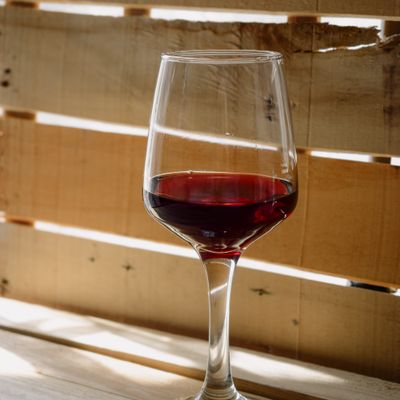
Crystal Red Wine Glasses, Set of 4
Four 15 oz hand blown crystal glasses.
View on Amazon →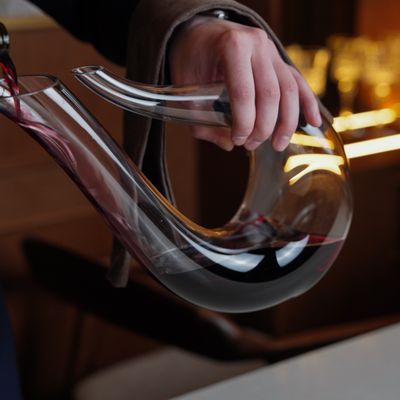
Le Chateau Crystal Wine Decanter
Hand blown lead free crystal, 750 ml capacity.
View on Amazon →
Vacu Vin Wine Saver Pump
Vacuum pump and stopper for resealing open bottles.
View on Amazon →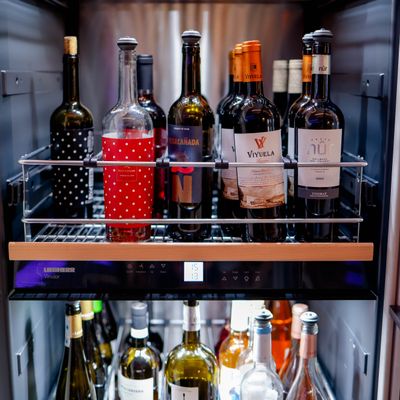
Ivation 12 Bottle Compressor Wine Fridge
Compressor wine cooler that holds 12 bottles.
View on Amazon →Frequently Asked Questions
What is the best wine to use for hot wine?
The best wine to use for a hot wine drink is a fruit-forward, medium-bodied red wine with low tannins, such as Merlot, Zinfandel, or Grenache. These varietals have enough fruit character to hold up under heat and complement the spices without becoming bitter when prepared as a hot wine drink. Avoid highly tannic wines like Cabernet Sauvignon, which can become overly bitter when heated, and avoid delicate, aromatic reds like Pinot Noir, which lose their defining character entirely in the pot.
Can you boil wine for mulled wine?
No, you should never boil wine when making a hot wine drink. Boiling will cause the alcohol to evaporate quickly and will give the hot wine drink a harsh, cooked flavour. Always heat the wine gently on a low simmer, watching for small wisps of steam and occasional bubbles at the edge of the pan rather than a rolling boil. The ideal temperature for mulled wine is between 140F and 160F (60C to 70C), well below the boiling point of either water or alcohol.
How long does mulled wine last in the fridge?
Leftover mulled wine can be stored in an airtight container in the refrigerator for up to 3 days. The spices will continue to infuse during storage, so the flavour will deepen slightly. When you are ready to serve it again, reheat it gently on the stove over low heat until warm. Avoid microwaving if possible, as it heats unevenly and can bring localised areas to a boil. A gentle reheat on the stove preserves the flavour far better.
Can you make mulled wine in advance?
Yes, and it is actually recommended for entertaining. Making mulled wine 4 to 6 hours before guests arrive allows the flavours to meld and deepen. Complete the full recipe including steeping, then allow it to cool, strain out the solids, and refrigerate. When guests arrive, reheat gently on the stove. This approach also removes any timing pressure on the day of your gathering.
Whether you call it mulled wine, gluhwein, or simply a hot wine drink, the principle is the same: quality ingredients, gentle heat, and an appreciation for the process. This hot wine drink recipe is designed to be made again and again.
Hosting this winter? Elevate your entire home with The Luxe Living Starter Guide. Download your free 28-page guide to home upgrades, wine basics, and elegant habits that transform any space into a sanctuary.
Continue Exploring Luxury
Everything you need for wine, food and entertaining, in one place.
📖 Get the Free Luxe Living Starter Guide