Lactic Acid vs. Retinol: Skincare Secrets for Travelers
This post contains affiliate links. If you click through and make a purchase, I may earn a small commission at no extra cost to you. I only recommend products and services I personally use and trust.
Lactic acid and retinol are highly raved-about ingredients in the skincare world, each bringing unique benefits.
So which one is best for you?
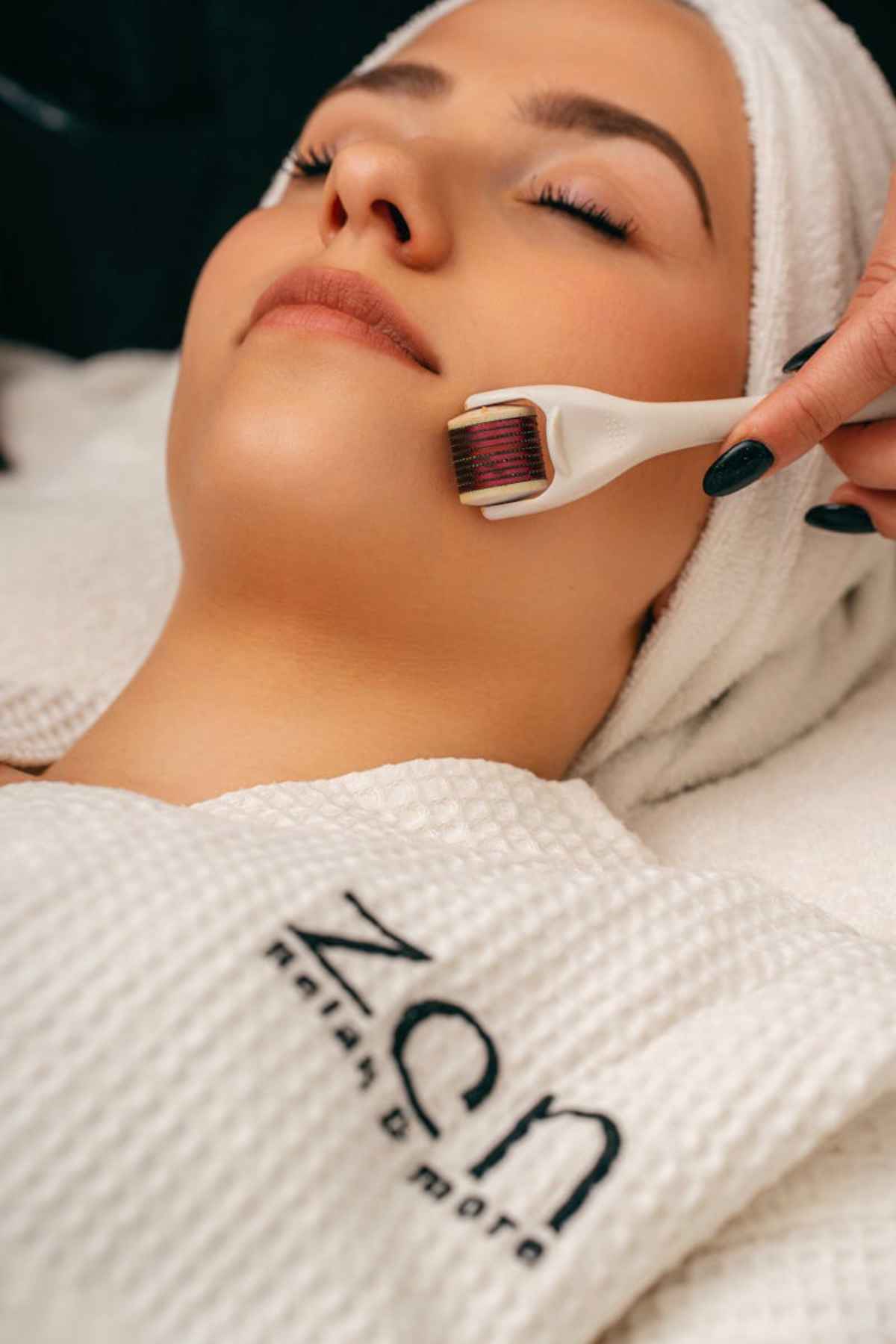
Lactic acid, part of the alpha hydroxy acids (AHAs) family, gently exfoliates the skin’s surface.
It removes dead skin cells, unveiling a brighter and more even complexion.
Top Retinol Products to Transform Your Skin Routine
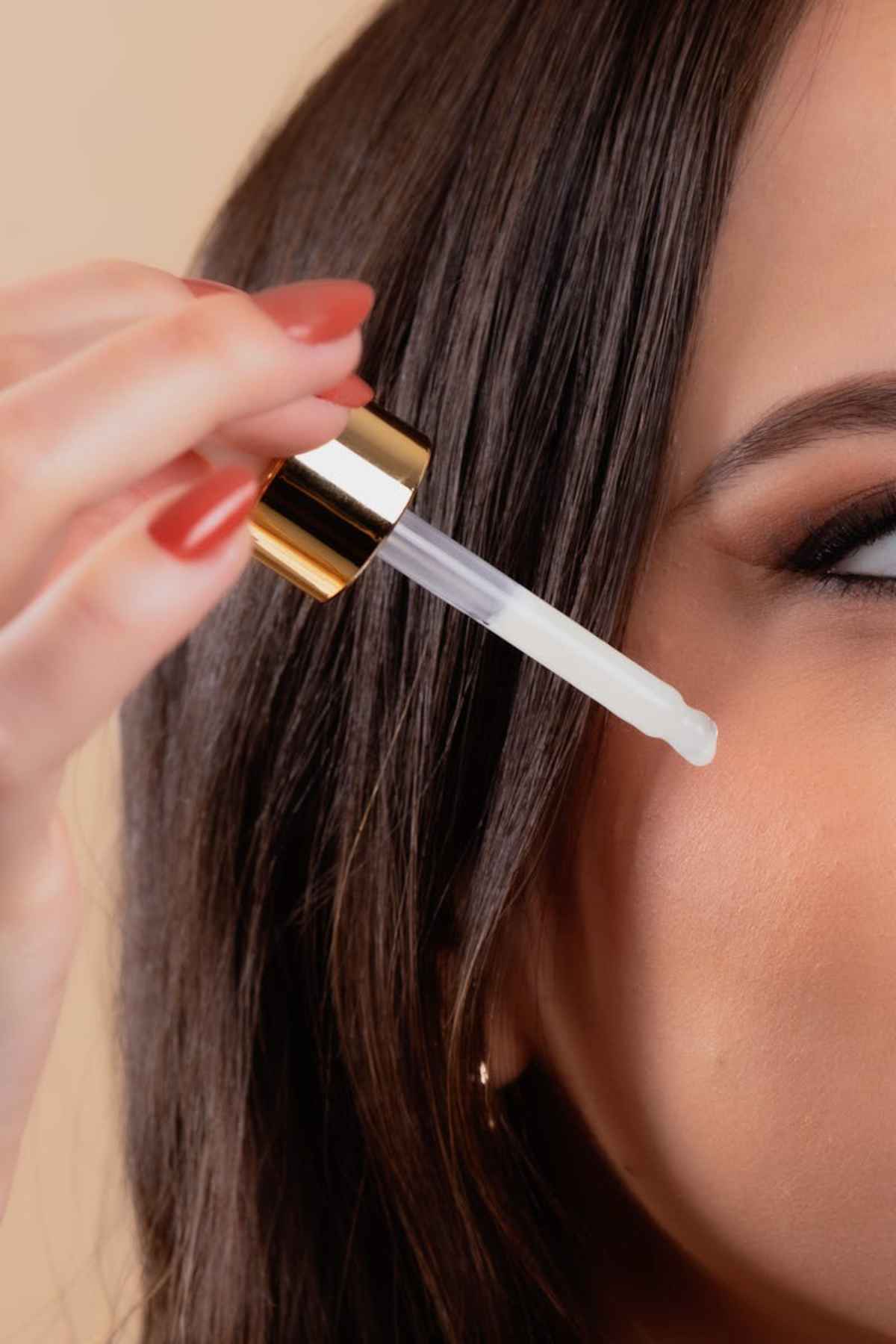
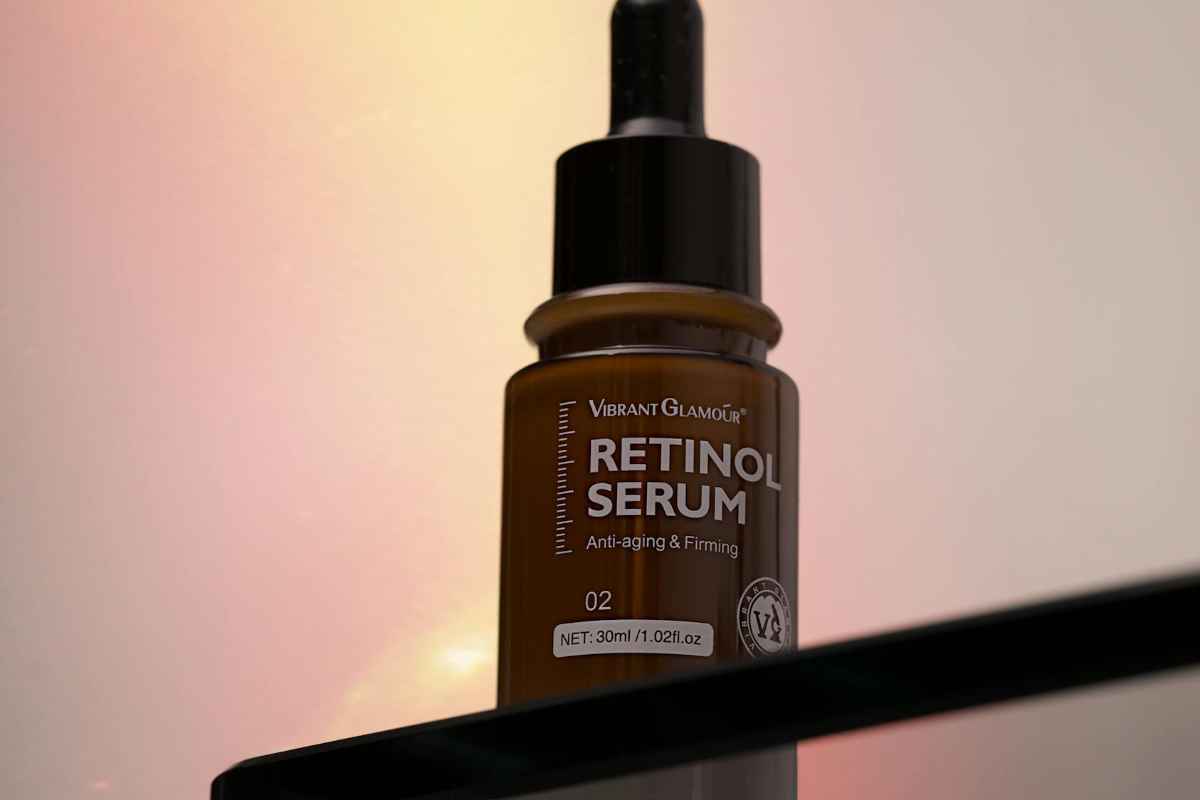
1. Murad Retinol Youth Renewal Serum: Murad’s Retinol Youth Renewal Serum is a standout choice for anyone looking to fight the signs of aging with science-backed ingredients. Its innovative formula delivers the age-defying benefits of retinol and uses a unique technology that minimizes irritation, making it suitable for various skin types. This serum promises to rejuvenate the skin by targeting fine lines and deep wrinkles, offering a smoother, more radiant complexion.
2. La Roche-Posay Retinol B3 Serum: Ideal for retinol beginners, especially those with sensitive skin, La Roche-Posay’s serum blends efficacy with gentleness. It’s a fantastic entry into the world of retinol, minimizing the risk of irritation while delivering visible results.
3. Alpha-H Skin Care 0.5% Retinol with Evening Primrose Serum: For those ready to level up their retinol game, this Alpha-H formulation strikes a perfect balance. The 0.5% retinol potency is boosted by the calming properties of evening primrose, offering a powerful yet soothing treatment for more resilient skin.
Tips for Incorporating New Products
– Check for Allergens: While these products are reputable and carefully selected, individual skin preferences and sensitivities vary. Always review the ingredients list for potential allergens.
– Slow Integration: Introduce new products gradually and one at a time into your skincare routine. This approach allows your skin to adjust and helps you identify adverse reactions to specific ingredients.
– Monitor Skin’s Response:
Keep in mind that the path to ideal skin varies for each individual. The products suggested here serve as a foundational guide. Tuning into your skin’s needs is crucial, making it a better choice to tailor your skincare routine as necessary for optimal outcomes. Everyone will discover that the right products for their skin might differ from what works for others. The lactic acid vs retinol choice depends on your skin.
Potential Side Effects of Lactic Acid and Retinoic
A board-certified Dermatologist would recommend starting with low concentrations of lactic acid or retinol to assess skin tolerance when incorporating them into a skincare regimen. Pregnant women, however, are often advised to avoid retinol and consult their healthcare provider before using any active ingredients.
Frequency of use and product choice should be tailored to individual skin types and concerns.
For example:
- Beginning with lactic acid, start with twice a week and gradually increase to daily use if necessary and well tolerated.
- Introduce retinol with a once-a-week application before bed and adjust as the skin builds tolerance.
Conducting a patch test is a great way to preemptively identify potential irritation and ensure you select the right skincare products for your unique needs.
Sensitive Skin Types and Lower Concentrations
For sensitive skin types, using products with lower concentrations of active ingredients is often the best way to avoid side effects. If you are new to acids, a lower concentration of acids or gentler acids like malic or mandelic acid can provide similar results without causing skin irritation.
Common Concerns Addressed
FAQs:
- Can lactic acid and retinol be used together?
- They can be used in the same routine but not simultaneously. Apply lactic acid in the morning and retinol in the evening.
- What are the benefits of these ingredients?
- Lactic acid acts as a gentle exfoliant, while retinol is an antioxidant promoting cell turnover and collagen production.
- Are there products that combine both lactic acid and retinol?
- Yes, some products cautiously combine both and are formulated to minimize irritation.
- What should individuals avoid when using these ingredients?
- To prevent over-exfoliation and irritation, it is recommended that BHAs such as salicylic acid and highly concentrated vitamin C serums be avoided in the same routine.
- Are these ingredients safe during pregnancy?
Alternative Ingredients and Combination
While pairing lactic acid and retinol yields benefits, incorporating alternatives or additional ingredients can enhance a skincare regimen.
Niacinamide is a versatile ingredient. It supports skin barrier function and boosts tolerance to retinol.
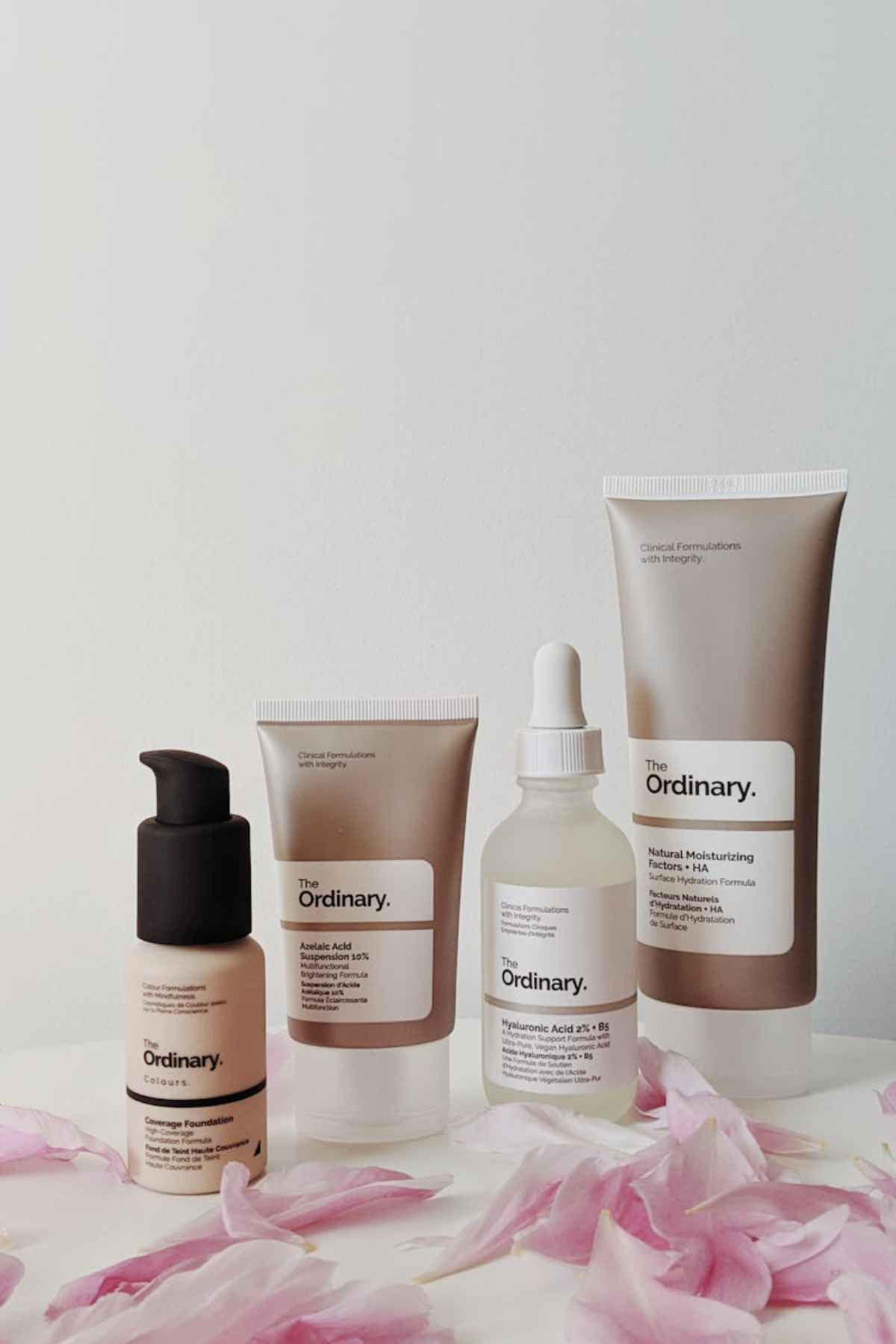
Hyaluronic acid is an excellent complement to both actives for extra hydration. Products from brands like The Ordinary offer a range of these targeted ingredients, making it easier for consumers to tailor their skincare to specific needs.
Your Skin Journey Is Personal
Remember that skincare is deeply personal. What works for one may not work for another. Always listen to your skin and adjust your skincare regimen as needed.
Always introduce new products slowly to assess tolerance and patch-test new combinations.
The right combination of acids and a consistent routine can significantly improve your skin’s health and appearance.
More tips on having the best skin on the go here.
For a curated list of products that work with both lactic acid and retinol, check out our Skincare Products + Recommendations to find top-rated options for your routine.
Continue Exploring Luxury
Everything you need to elevate your everyday life — in one place.
📖 Get the Free Luxe Living Starter Guide