Can Estheticians Work From Home: Exploring Flexible Beauty Careers
This post contains affiliate links. If you click through and make a purchase, I may earn a small commission at no extra cost to you. As an Amazon Associate I earn from qualifying purchases.
Key Takeaways
- Estheticians can work from home with the right licenses.
- Create a suitable workspace that meets local laws.
- Build a client base with flexible services.
Can Estheticians Work From Home: Requirements to Get Started
Understanding Licensing Requirements
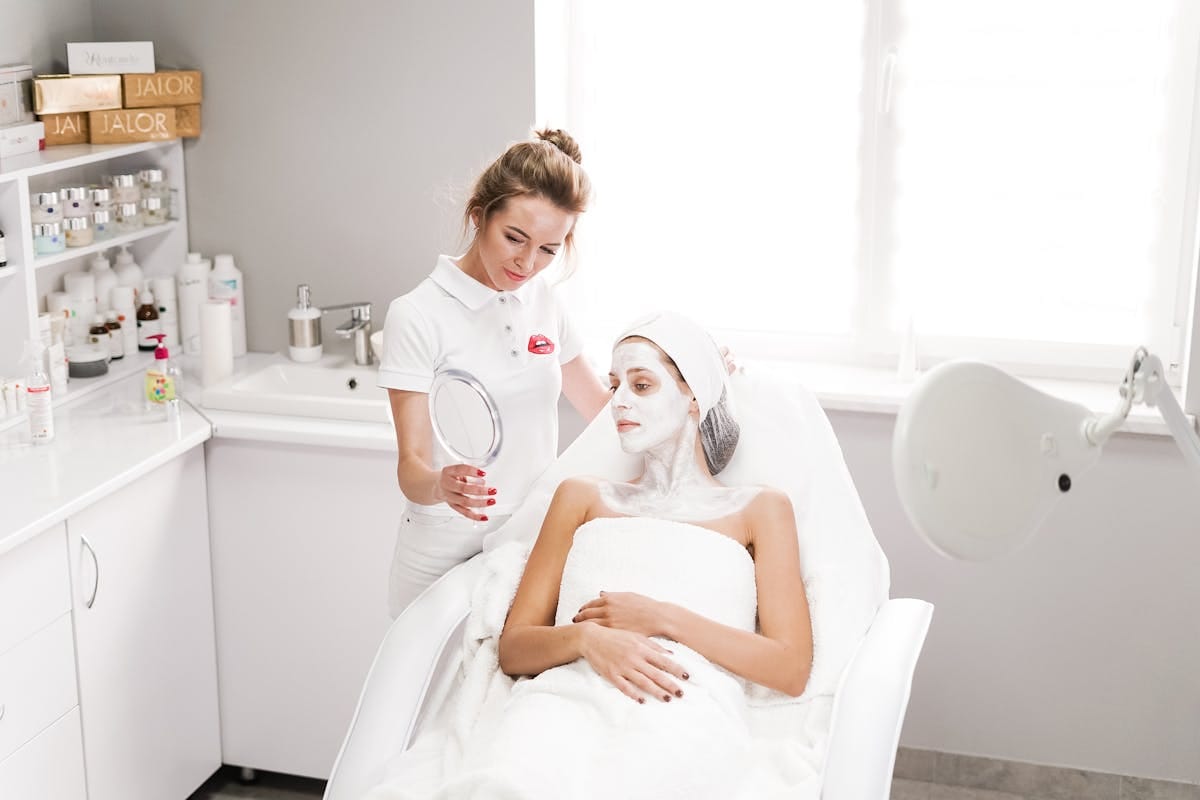
Before offering esthetician services at home, it’s crucial to check your state’s licensing rules.Each state has different regulations.You’ll likely need an esthetician license, which often requires finishing an esthetics program at an approved cosmetic art school.Some states may require even more, like a cosmetology or special license.To begin, contact your state’s licensing board to confirm the necessary criteria.It’s a good idea to inquire about additional permits needed for home-based businesses.This ensures you’re legally compliant and can avoid potential civil penalties or fines.Setting Up Your Home Space
Once you’ve sorted out the paperwork, it’s time to set up a suitable space at home for your services.Choose an area that is quiet, well-lit, and spacious enough to accommodate your equipment and client needs.Consider converting a room into a private salon or using a part of your living room specifically for beauty services.Safety is essential, so your setup should meet health and safety standards.This includes having the proper ventilation and keeping everything clean.You should also check if there are any zoning laws affecting home businesses in your area.Selecting the Right Equipment and Products
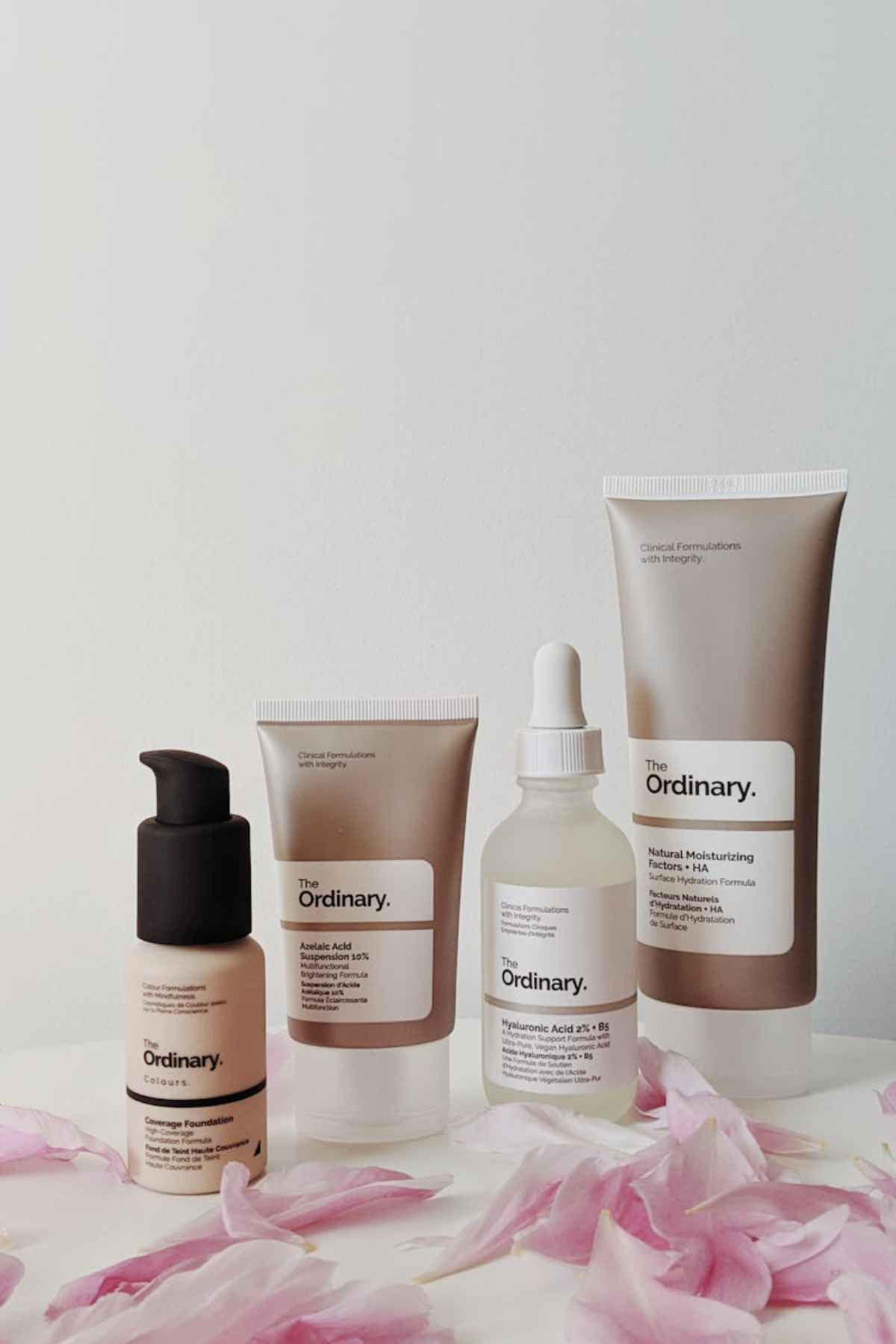
The next step is gathering the equipment and products you need to perform your services.Quality tools are vital.You should invest in a reliable facial bed, sterilization supplies, and any tools specific to your range of treatments, like skincare procedures or hair removal devices.When choosing products, focus on ones that suit various skin types and needs.It’s beneficial to offer a range of skincare products, such as cleansers and moisturizers, that you can also sell to clients.Always keep your products and tools organized for efficiency during appointments.Services You Can Offer From Home
As an esthetician working from home, you can provide a variety of services. You might focus on skin treatments, hair removal, or makeup. Each service can attract different clients to your at-home business.Skin Care and Facial Treatments
At home, you can perform facials and other skin treatments.Basic facials involve cleansing, exfoliating, and moisturizing to improve skin health.Chemical peels are another option, helping to remove dead skin cells and reduce the appearance of blemishes.You might also offer microneedling which promotes collagen production.This requires more training and compliance with local laws.You need a licensed esthetician to perform these services.Assure clients of a clean, professional environment even at home.Hair Removal Services
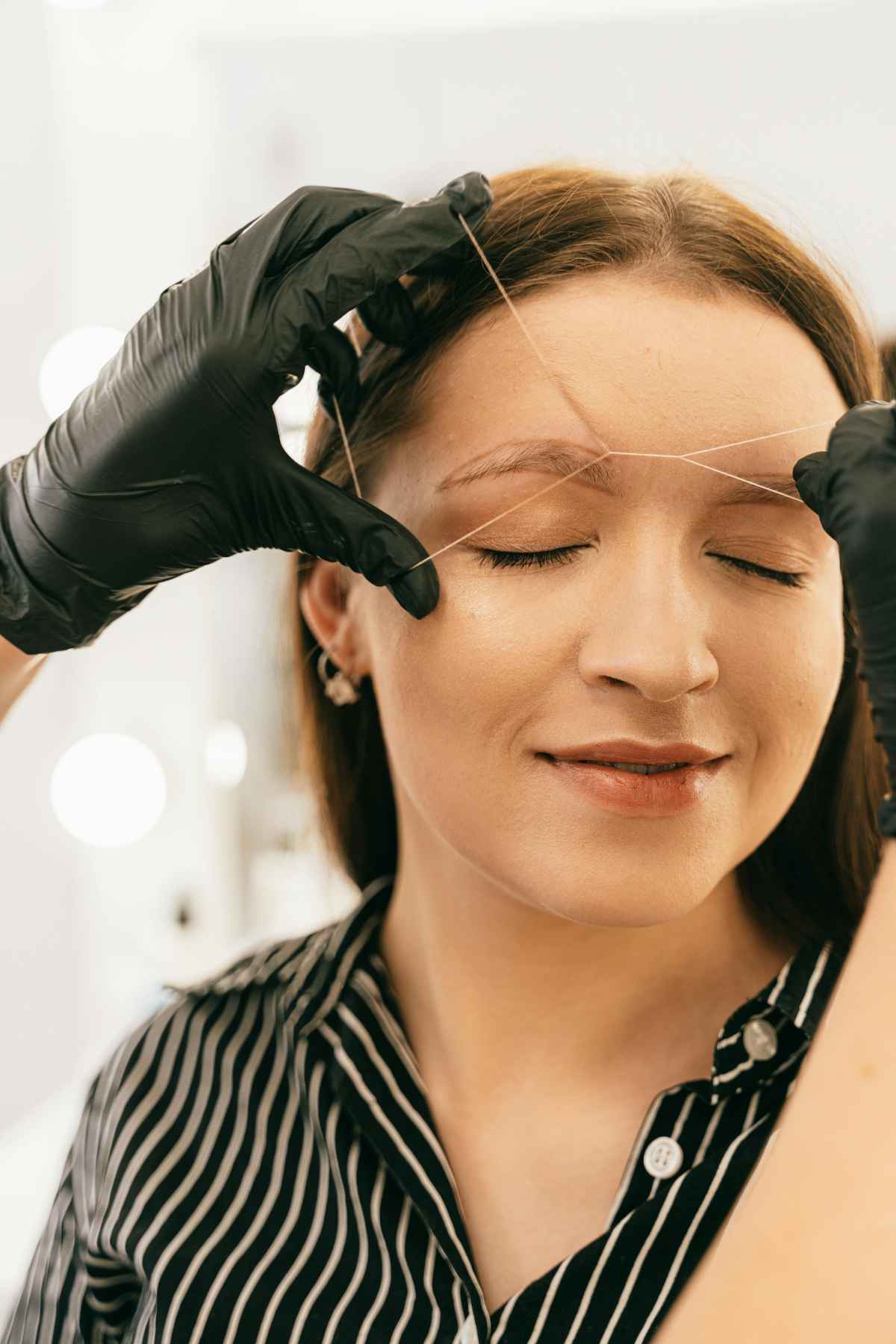
Hair removal is a popular option for home estheticians.You can offer waxing for various body parts, keeping in mind proper sanitation.Laser hair removal requires specialized equipment and may not be allowed in some residential areas, so check your local regulations.Alternatively, focus on simpler methods like sugaring or threading.These require less equipment and can still be very effective.It’s important to have a strong, consistent client base for these services.Advanced Esthetic Services
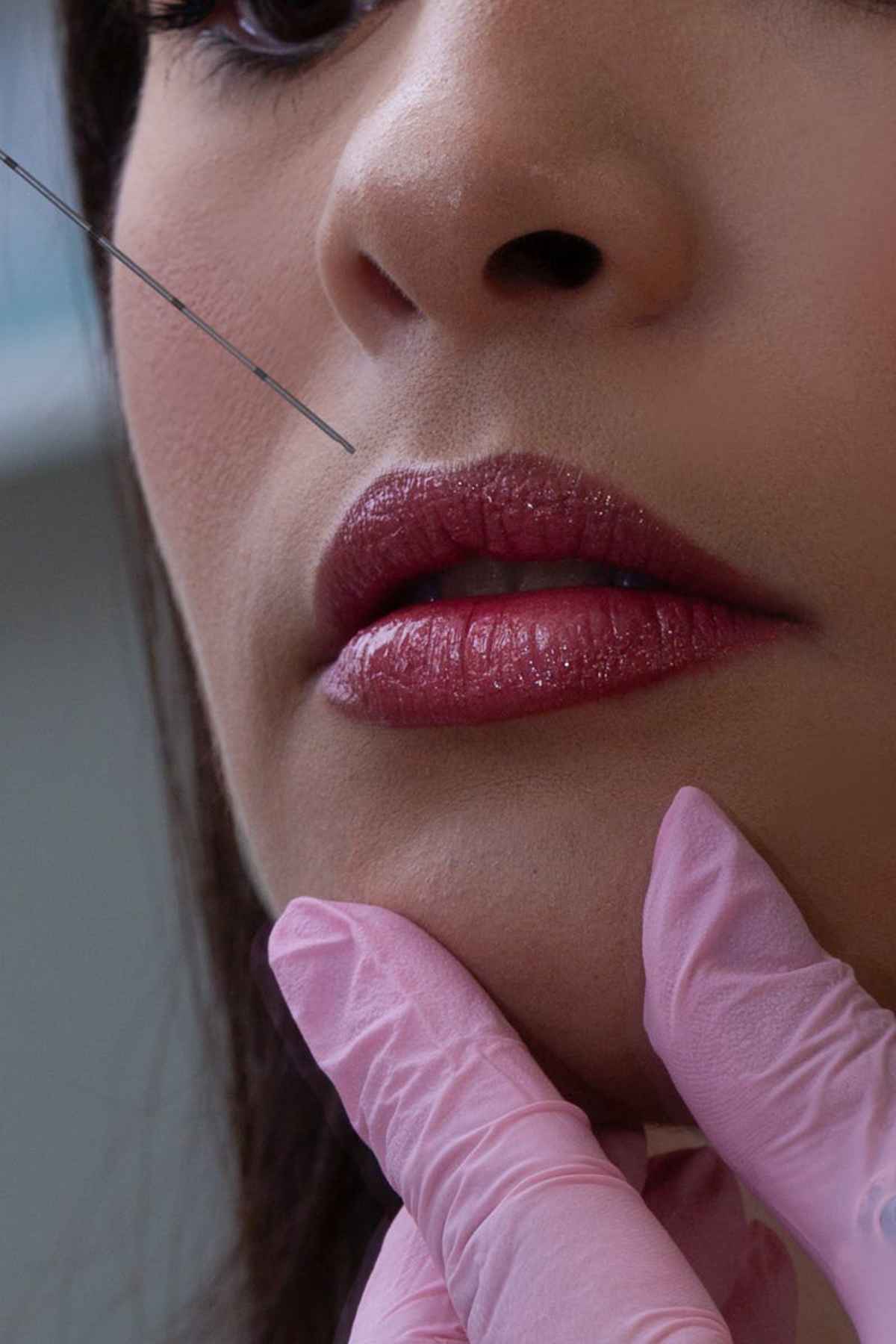
Becoming a specialist in advanced services can set you apart.You might offer needleless microneedling devices for skin rejuvenation.These are safer and usually allowed by more regulations.Chemical peels and other advanced treatments require knowledge and specialization, so consider further training.Make sure your clients know you’re a licensed esthetician. It helps build trust and confirms your skills. Adhering to your state laws is crucial in offering these services.Makeup and Beauty Enhancements
As a makeup artist working from home, you can offer makeup application for events or photo shoots.Eyelash extensions and eyebrow shaping are also sought-after services.These require a steady hand and a good eye for detail.In this beauty industry, staying updated with trends can attract new clients.Mastering makeup techniques like contouring and highlighting can be your niche.Always invest in quality products to provide the best results for your clients.Building Your Brand and Marketing
Creating a Strong Brand Identity
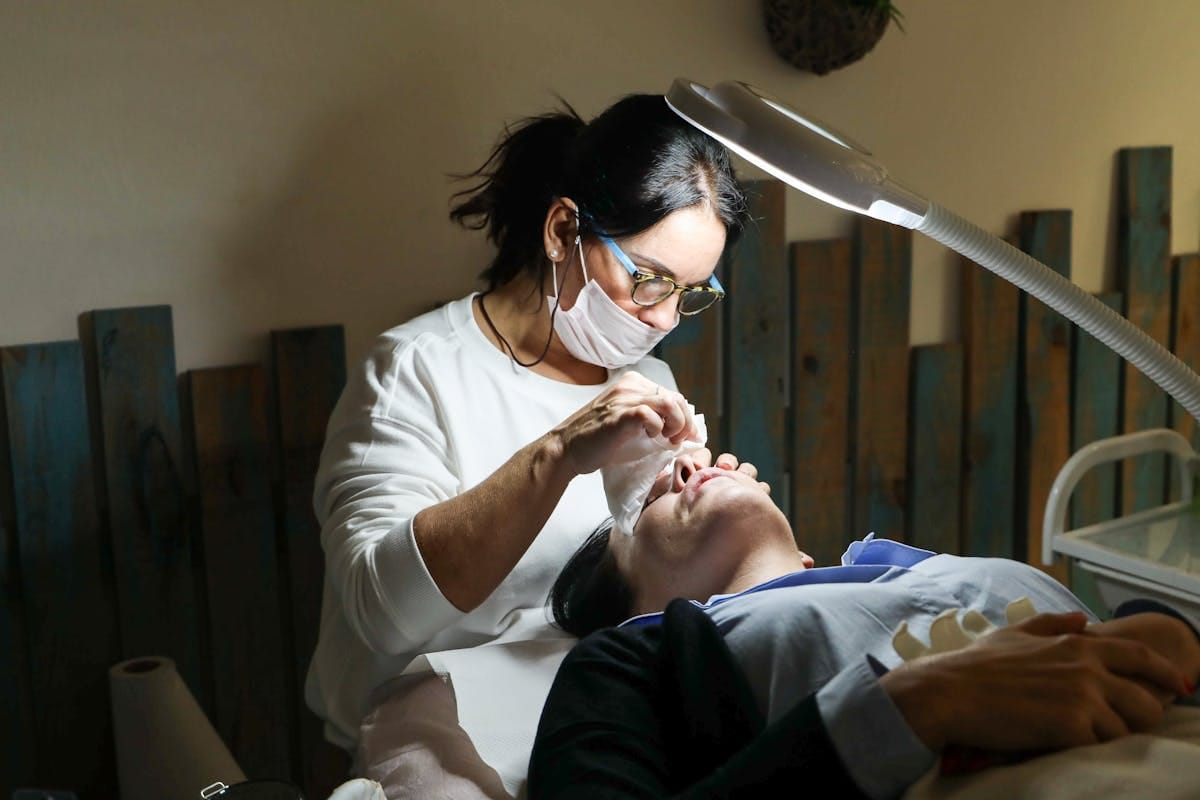
Your brand is how clients perceive your esthetician services.Start with a memorable name that reflects your style and offerings.Ensure it aligns with state laws and licensing requirements.Your brand should communicate trust, quality, and personalized service, whether you’re a makeup artist or provide skincare treatments.Design a logo that stands out. This will be used across all materials, such as your business cards and website.Choose colors and fonts that are appealing and represent your services, like a medical spa or a relaxing in-home salon environment.Effective Marketing Strategies
Marketing helps draw in new clients and build a strong client base.Consider offering temporary promotions, especially when starting out.Discounts, referral bonuses, and partnering with local beauty stores can attract attention.Developing strong relationships with your community is key.Diversify your marketing efforts.Social media is a powerful tool for sharing your esthetic services.Post before and after photos, expert advice, and tips on treatments like laser hair removal.Investing in simple online ads can expand your reach to target audiences interested in cosmetology school services.Boosting Your Online Presence
Your online presence is a reflection of your business.A professional website showcasing your services and hours of training can distinguish you from traditional estheticians.Include client testimonials and clear information on your scope of practice and esthetician license status.Use social media platforms actively.Engage with followers by responding promptly and offering beauty consultant advice.Regular posts on industry trends, from natural hair care to chemical peels, keep your audience informed.Joining online communities can help you connect with beauty professionals and potential clients across the United States.Financial Considerations
When working as an esthetician from home, it’s crucial to think about the costs involved and how you’ll handle your earnings. Setting a budget, pricing your services right, and managing your sales are all key to a successful business.Setting Up a Budget
To start, you need to plan simple and realistic budgets.List essential items like a microdermabrasion machine and facial steamer.Depending on your services, these tools can be costly, so a detailed budget helps you avoid overspending.Consider a budget for marketing, such as a website or social media ads.Factor in the cost of esthetician licenses or any legal requirement fees.Budgeting for unexpected costs, like repairs or additional supplies, is smart and ensures smoother operations.Pricing Your Services
Set prices for esthetician services that balance being competitive yet profitable.Research what others in your area charge for similar services.Pricing involves understanding your costs and what people are willing to pay.Consider offering packages or discounts to attract new clients, especially if they try multiple skincare treatments.Choose prices that also factor in your time, expertise from cosmetology school, and any extra premium services like needleless devices or chemical peels you offer.Managing Sales and Income
Efficiently tracking your sales and income is crucial for financial health.Use tools or software that can help manage bookings and payments easily.Keeping records of transactions helps in tax filing and understanding how your business is doing.Focus on building a strong relationship with your client base for repeat customers.Offer excellent customer service, and encourage feedback to improve.Managing your income wisely also involves saving for taxes and planning for future growth, eventually turning your in-home salon into a profitable business.Creating the Ideal Home Workspace

Design and Atmosphere
Your workspace should feel inviting and reflect your personal style.Consider soft lighting and calming colors to create a relaxing atmosphere.Adding plants can brighten the room and make it feel more lively.Choose comfortable furniture, both for you and your clients.Investing in a quality bed or chair ensures clients are comfortable during their skincare treatments.Space is essential, even in residential areas.Ensure there’s enough room for your equipment and supplies while allowing easy movement.Health and Safety Standards
Meeting health and safety standards is crucial in cosmetology services.Keep your space clean and sanitized, as required by state laws.Regularly clean surfaces and equipment to prevent contamination.Ensure proper ventilation to maintain air quality, especially during chemical peels.Having personal protective equipment (PPE) on hand is important for maintaining health standards.Stay informed about the latest health guidelines and adjust your workspace to comply with them.Privacy and Professionalism
Maintaining privacy shows professionalism and helps in building a strong relationship with clients.Utilize partitions or curtains to separate the workspace from personal areas. This distinction keeps business purposes separate from home life.Soundproofing measures, such as rugs or sound-absorbing panels, can help maintain privacy during client sessions.Consider scheduling business hours to manage your time effectively and provide a professional structure.Your goal is to ensure clients feel comfortable and respected in your space.Client Relationships and Experience
Working as an esthetician from home offers unique chances to connect with clients. Creating trust is vital, and providing outstanding service keeps them coming back. Regular feedback helps improve their experience further.Building Client Trust and Loyalty
Developing strong connections is key to thriving in the beauty industry.Trust begins by listening and understanding each client’s needs.Share your qualifications, like your esthetician license and training from an approved cosmetic art school. This builds confidence in your skills.Demonstrate reliability by maintaining your business hours.Respect scheduled appointments and provide consistent services.Offering personalized esthetic services can create loyalty, while loyalty programs or discounts for referrals encourage clients to stick with your business.Providing Top-Notch Service
Quality service is crucial when running your own business from home.Make sure your in-home salon is welcoming and meets all state laws and licensing requirements.A comfortable work space puts clients at ease during skincare treatments or makeup sessions.Use high-quality products and stay current with trends by attending cosmetology school seminars.Regularly update your skills in areas like laser hair removal or chemical peels.Delivering superior service helps build your reputation as an expert in your field.Handling Feedback and Follow-Ups
Listening to clients’ feedback is an important step in improving your services.Encourage them to share their experiences and ideas for improvement. This shows you value their opinions, enhancing customer relationships.Use constructive feedback to adjust and enhance your work plans.Follow-ups through calls or emails after appointments can address any concerns.This attention to detail helps maintain a strong relationship and assures clients they are receiving expert advice and care.Alternative Paths: Traveling and Mobile Services
For estheticians, working outside a traditional salon can offer more flexibility and a broader client base.As a mobile professional, you can provide skincare treatments directly to clients in their preferred settings.Becoming a Mobile Esthetician
Becoming a mobile esthetician means bringing your services to your clients. You can enjoy the freedom of choosing your work space.This could be at their homes, offices, or at special events.To start, you’ll need a valid esthetician license and to follow state laws.Licensing requirements vary, so ensure you comply with all local regulations.Consider the costs of a reliable vehicle and a portable setup to carry supplies like a mobile unit.Operating a mobile service can be profitable, as you can set your own prices and business hours.It’s important to maintain clear communication with clients about travel fees and expect to adjust your work plans as needed.Offering Services at Client Locations
Offering esthetic services at client locations involves more than just travel. You need a strong relationship with clients.Understanding their preferences and needs can lead to better service.When visiting clients, create a comfortable and clean work space for treatments.This could involve setting up a temporary area for procedures like chemical peels or laser hair removal.Having a general liability policy is wise to cover any incidents that might occur during services.Keep your tools and equipment in good condition to ensure the best experience for clients.By doing so, you build trust and encourage repeat business.Frequently Asked Questions
If you’re thinking about starting a home-based esthetician business, it’s important to know the rules in your state.Some states have specific requirements for licensing and operations, while others are more flexible.Understanding these can help you set up your new business successfully and legally.What are the requirements for estheticians to operate a business from home?
To start your own business from home, you’ll need an esthetician license.Check the local laws in your area for any specific rules about operating a business from a residential space.You may also need a liability policy and a separate work space dedicated to your new business.How do estheticians create a home-based business in Texas?
In Texas, you must have a cosmetology license to provide esthetic services.Completing a state-approved cosmetology school program is often the first step.After meeting the hours of training required, you can apply for your license.Setting business hours and ensuring your work space meets state laws will also be necessary.What opportunities are available for estheticians to work remotely or online?
Online services are a growing part of the beauty industry.Licensed estheticians can offer skincare consultations, sell beauty products, or create tutorials as online beauty consultants.Many are finding success by combining traditional services with these modern opportunities for a broader client base.Which states allow estheticians to offer services out of their homes?
State laws vary widely regarding offering esthetic services from home.Some states like North Carolina have specific rules while others are more lenient.Researching your state’s board rules and licensing requirements is crucial to finding out what’s allowed.What steps should estheticians take to start a mobile or freelance business?
Starting as a mobile esthetician involves setting up a mobile unit or providing services at clients’ homes.You’ll need a current license and possibly a special license or temporary permit, depending on state laws.Your first step should be contacting the state board for guidance on legal requirements and approved procedures.Are there any special licensing considerations for home-based estheticians in Florida?
In Florida, an esthetician license is mandatory to provide beauty services, even from home. You’ll also need to meet the minimum education requirements, such as a high school diploma or equivalent.Florida may require separate licenses if you plan to offer specialized services like laser hair removal or chemical peels. Be sure to consult the board for expert advice.Looking for more beauty and wellness tips? Check out our guide on hyaluronic acid vs collagen to find the best skincare ingredients for your routine.You might also like: Microneedling vs Chemical Peel: Choosing the Best Skin Treatment · Can You Fly After Botox: Travel Tips for Airborne Beauties
Continue Exploring Luxury
Everything you need for wine, food and entertaining, in one place.
📖 Get the Free Luxe Living Starter Guide