Syrah vs Merlot: Choosing the Perfect Red Wine for You
This post contains affiliate links. If you click through and make a purchase, I may earn a small commission at no extra cost to you. As an Amazon Associate I earn from qualifying purchases.
Key Takeaways
- Syrah is bold with spicy flavors, while Merlot is smoother.
- Both wines offer unique tastes from different wine regions.
- Food pairings and occasions can help decide between the two.
Syrah vs Merlot: Understanding Both Red Wines

Climate Impact
Climate plays a big role in the development of Syrah and Merlot grapes.Syrah thrives in warmer climates like the Rhône Valley and Barossa Valley. It develops bold flavors with notes of black pepper and dark fruits. These regions produce wines with high tannins and alcohol content.Merlot, also present in the Bordeaux region, enjoys a more moderate climate. This grape variety results in softer tannins and smoother flavors. In California and Washington State, it can have rich, fruity flavors.Climate isn’t just about temperature. Rainfall and sunshine affect grape skin quality and ripening time. South Africa and New Zealand also contribute to the global wine tapestry, offering unique profiles.Production Techniques
Production techniques enhance the grape’s natural qualities.Syrah wines often use oak barrels to gain complexity. The winemaking process might emphasize the grape’s full body and tannins. This results in a bold wine, ideal for pairing with hearty dishes.Merlot wines offer a different journey. Winemakers might blend it with Cabernet Franc or Petit Verdot. This enriches its flavor profile, creating a well-rounded wine.Merlot can be aged in oak but often maintains its silky texture with fewer tannins.Both styles can benefit from innovative production techniques. Blending with other red wine grapes or experimenting with fermentation can take you into the deep wine culture flavors.Food Pairing and Serving
When choosing wines like Syrah or Merlot, it’s essential to pair them with the right foods. Each has its own flavor profile, making them suitable for different dishes. You’re likely to find a great match with cheeses, meats, or even vegetarian dishes.Syrah Pairings
Syrah wines are known for their bold flavors and are often full-bodied, making them a great match for hearty dishes.Think grilled meats, such as a juicy steak or lamb, where the rich, dark fruit flavors bring out the best in each bite.These wines from areas like the Rhône Valley or Barossa Valley often have hints of black pepper and spice, pairing well with spicy foods or earthy flavors found in dishes like wild mushroom risotto.Cheeses such as blue cheese or Camembert complement Syrah perfectly, as the bold cheese flavors stand up well to these wines’ intensity.Merlot Pairings
Merlot wines have a softer, more silky texture, making them versatile and easy-drinking.They are typically less tannic than Syrah, showcasing fruity flavours that pair wonderfully with pork and lighter red meat dishes.Try serving them with roasted chicken or dishes featuring tomato-based sauces. A glass of Merlot also shines with vegetarian dishes, especially those rich in sauces or herbs, like eggplant Parmesan.Cheeses such as Brie offer a creamy contrast to Merlot’s smoothness. Chocolate desserts can also be a delightful match, enhancing the wine’s subtle hints of dark, black fruit.Wine Selection and Enjoyment
When choosing between Syrah and Merlot, think about flavor profiles, regions, and personal taste preferences. Both offer something unique to wine lovers but differ in their tasting notes and ideal pairings.Tasting Notes
Syrah wines often come from the Rhône Valley or other warm climates like Australia’s Barossa Valley. They usually have bold flavors such as black pepper and dark fruits.You might also taste earthy flavors and a rich, full body. These wines can have high tannins, adding to their complexity.Merlot wines, on the other hand, are known for their softer, silky texture. They offer fruity flavors with fewer tannins compared to Syrah.Often associated with French regions like Bordeaux, these wines have flavors of black fruit and can be an easy-drinking option. Both make a great choice depending on the dinner or occasion.Choosing the Right Wine
Your wine selection may be influenced by what foods you plan to enjoy.Syrah goes great with spicy foods or red meat, thanks to its full-bodied nature and high alcohol content. Think about pairing it with wild game or bold dishes.Merlot pairs well with lighter dishes. It complements roasted chicken or Italian foods, where softer tannins are welcome.Consider the regional origin of the wine such as South Africa for Merlot or the Rhône Valley for a Syrah, as these locations can affect the wine’s flavor profile. Your personal preference will play a big role in choosing either a Merlot or Syrah for the best experience.The Art of Blending
Blending wine is about combining different grape varieties to create unique flavors and textures.Syrah and Merlot are often used in blends to add complexity and balance. These blends can enhance aromas and flavors, showcasing a wide range of characteristics.Common Blends
Blending is a skillful process to craft wines with balanced profiles. It’s common to mix Syrah with Merlot. This creates a wine that balances power with elegance.Syrah is known for its boldness and dark fruit flavors, while Merlot adds smoothness to the wine’s body. In the Bordeaux region of France, you often see blends including Cabernet Sauvignon, Merlot wines, and Petit Verdot for a rich flavor infused with a touch of oak barrels.The GSM blend features Grenache, Syrah wine, and Mourvèdre. These blends offer a complex mix that’s loved by wine enthusiasts.Merlot vs Malbec is another interesting combination, where the juicy softness of Merlot meets Malbec‘s berry richness.Each blend is a work of art meant to complement foods like red meat and spicy foods and entice wine lovers with its flavorsome dance.Wine Synergy
The magic happens when you experience wine synergy, where the wine is more than the sum of its parts. Syrah grape adds spice and a silky texture, while Merlot grapes bring softness.This synergy is important whether you’re enjoying a full-bodied red wine or an easy-drinking wine. It enhances aromas and flavors, making each sip enjoyable.In wine regions like Washington State and the Rhône Valley, blends are crafted in both warmer climates and cooler climates to achieve distinct flavors.The famous Rhône wines of Côte Rôtie highlight how blending achieves rich, bold flavors with a hint of black pepper and dark fruits.Enjoying these wines involves appreciating the art, creativity, and balance that go into each bottle.Storing and Aging
Cellaring Techniques
Proper cellaring is essential to keep your Syrah and Merlot in excellent condition. Maintain a stable temperature around 55°F (13°C) and avoid significant fluctuations.Humidity should be between 60-70% to prevent corks from drying out.Keep the bottles lying on their sides to keep the cork moist. Darkness is vital, as light can affect the wine’s quality.Use a wine rack or cellar space in a cool, dark place. This preserves both full-bodied and more delicate wines alike, ensuring their flavors develop well over time.Aging Potential
Syrah, often known for its bold flavors, can age beautifully for 10-20 years or more. It thrives with time, developing complex notes like black pepper and dark fruits.This grape variety, whether from the Rhône Valley or Barossa Valley, gains depth and richness as it ages.Merlot, on the other hand, usually has a shorter aging potential, around 5-10 years. Merlot wines tend to have softer tannins and a silky texture, which makes them more approachable earlier.Their aging brings out rich flavors, adding complexity while retaining their smooth, approachable nature.Both wines can be enjoyed at various stages of aging, depending on your personal preference in flavor profiles.Cultural Significance and Trends
Syrah and Merlot are both popular in the wine world, each with unique cultural ties and market trends. They feature in many dining choices and continue to adapt to changing tastes and preferences.Popular Culture
Syrah and Merlot have carved niches in popular culture. Merlot, with its soft tannins and fruity flavours, is seen as an approachable red wine favored for both casual gatherings and upscale events. The characterization of Merlot as an “easy-drinking wine” has only increased its popularity over the years.Meanwhile, Syrah, known for its bold flavors and rich flavor profiles, appeals to wine enthusiasts who seek a full-bodied wine with complexity.Syrah’s reputation is partly due to its association with the spicy and earthy shiraz wines from Australia, particularly the Barossa Valley. Both wines have stood the test of time on dining tables and in wine regions around the globe.Market Trends
You see Merlot and Syrah wines consistently featured in wine markets worldwide, with each influencing different regions. Merlot wines often highlight blends such as the classic Bordeaux blend.Originating from the Bordeaux region of France, Merlot grapes are also grown in the United States and South America, providing a range of profiles from light to full-bodied red wines.On the other hand, Syrah is famous for producing spicy full-bodied wines across the Rhône Valley and Australian Shiraz, with a notable presence in Washington State.This flexibility allows syrah wines to maintain their status among both wine lovers and casual drinkers.The market trends for these wines continue to evolve as more people explore and enjoy their diverse tastes and food pairings.Health Benefits and Risks
Drinking red wine like Syrah or Merlot can affect your health. It offers benefits such as antioxidants but carries risks such as increased calorie intake and alcohol effects.Moderate Consumption
Moderate consumption of red wine, including Syrah and Merlot, is linked to some health benefits. Drinking one glass a day may help your heart by increasing good cholesterol and lowering bad cholesterol.This is often due to compounds like tannins in the wine.Red wine grapes have antioxidants. They protect your cells from damage.Despite these benefits, drinking too much poses risks. It can raise blood pressure and lead to liver problems if not careful. Always enjoy in moderation.Scientific Research
Research highlights important facts about red wine. Studies suggest that compounds in red wine can improve heart health.Some research says Syrah wines might have more antioxidants due to their rich, dark-skinned grapes.Yet, there’s no floating magic potion here. The high alcohol content in these wines is still a concern.You should weigh the benefits and risks. Choose your preferred type, whether it’s a lighter red or a full-bodied wine. Always consider your personal preference, health condition, and advice from health professionals.For the best tasting experience with both Syrah and Merlot, the Riedel Vinum Cabernet Sauvignon glass is a classic choice that works beautifully with both varieties. A wine aerator helps open up a bold Syrah or a young Merlot quickly.
Shop the Post
Affiliate links. We may earn commission.

Crystal Red Wine Glasses, Set of 4
Four 15 oz hand blown crystal glasses.
View on Amazon →
Le Chateau Crystal Wine Decanter
Hand blown lead free crystal, 750 ml capacity.
View on Amazon →
Vacu Vin Wine Saver Pump
Vacuum pump and stopper for resealing open bottles.
View on Amazon →
Ivation 12 Bottle Compressor Wine Fridge
Compressor wine cooler that holds 12 bottles.
View on Amazon →
Frequently Asked Questions
When comparing Syrah and Merlot, some key differences emerge in taste and style. Syrah tends to be bold with rich flavors, while Merlot offers a smoother, easier-drinking experience. Alcohol content and sweetness levels also set them apart.Shop the Post
Affiliate links. We may earn commission.
Crystal Red Wine Glasses, Set of 4
Four 15 oz hand blown crystal glasses.
View on Amazon →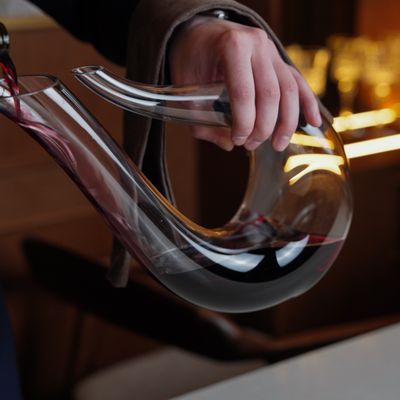
Le Chateau Crystal Wine Decanter
Hand blown lead free crystal, 750 ml capacity.
View on Amazon →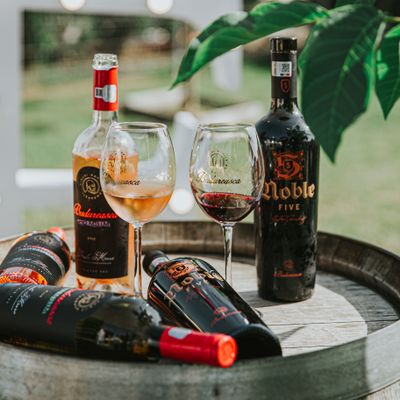
Vacu Vin Wine Saver Pump
Vacuum pump and stopper for resealing open bottles.
View on Amazon →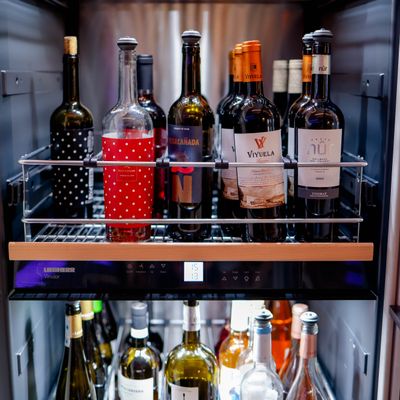
Ivation 12 Bottle Compressor Wine Fridge
Compressor wine cooler that holds 12 bottles.
View on Amazon →What are the main taste differences between Syrah and Merlot wines?
Syrah wines usually have bold flavors like black pepper and dark fruits. They can be rich and intense, especially when from regions like Barossa Valley or Rhône Valley.Merlot wines, often from Bordeaux or Washington State, have a softer texture and often include dark-skinned grape flavors like plum and black cherry.How does the sweetness of Merlot compare to that of Shiraz?
Shiraz, known as Syrah in some regions, is typically a full-bodied wine with a bold, sometimes spicy profile. Merlot is usually a little less sweet than Shiraz and is often considered a dry wine, known for its fruity flavors and fewer tannins.Which red wine is considered the smoothest for easy drinking?
Merlot is often praised for its smooth, soft tannins. It’s an easy-drinking wine, suitable for those who prefer lighter red wine styles.It’s a great choice if you enjoy wines with a silky texture and fruity flavors like plum and cherry.What wine would you recommend as similar to Syrah?
If you like Syrah, you might also enjoy Petite Sirah or GSM blends, which include Grenache, Shiraz, and Mourvèdre. These wines share rich flavor profiles with Syrah, offering bold wines that pair well with spicy foods or red meat.Between Merlot and Shiraz, which one typically has a higher alcohol content?
Shiraz wines generally have a higher alcohol content than Merlot wines.The warm climates where Shiraz is grown contribute to this, such as in South America or South Africa. Merlot, though full-bodied, tends to have a slightly lower alcohol level.Can you describe whether Syrah is generally a dry or sweet wine style?
Syrah is typically a dry wine. It is known for its complex flavors and high tannin content. It is a bold wine with earthy flavors and high quality from its origins in regions like the Rhône Valley. Syrah is popular with wine lovers who appreciate full-bodied red wines.Looking for more wine recommendations? Check out our guide to White Wine Croatia for beautiful coastal wine options.You might also like: Food Pairing with Zinfandel: Perfect Matches for Every Meal · Cabernet Sauvignon vs Shiraz: Choosing Your Red Wine Favorite
For another classic red wine pairing guide, check out our tips on Tempranillo Wine Pairing.
You can also see the complete Wine & Culinary hub for more expert content.
Continue Exploring Luxury
Everything you need for wine, food and entertaining, in one place.
📖 Get the Free Luxe Living Starter Guide