Sous Vide Cooking Guide: Times and Temperatures
This post contains affiliate links. If you click through and make a purchase, I may earn a small commission at no extra cost to you. As an Amazon Associate I earn from qualifying purchases.
Sous vide cooking means sealing food in a bag and cooking it in a water bath held at the exact temperature you want the center to reach. For steak, Serious Eats recommends 129°F to 134°F for medium rare and 135°F to 144°F for medium, for 1 to 4 hours, followed by a quick sear. For chicken breast, its chart gives 140°F for very soft and juicy meat up to 160°F for a more traditional texture, for 1 to 4 hours. The charts below collect those times and temperatures, the USDA numbers behind them, and links to every sous vide recipe on Luxury Infusion.
In this guide
- How sous vide cooking works
- Sous vide steak temperatures and times
- Sous vide chicken breast temperatures and times
- Food safety and the USDA numbers
- Basic sous vide steak recipe card
- What you need to start
- Sous vide recipes on Luxury Infusion
- Sous vide cooking FAQ
How sous vide cooking works
An immersion circulator heats and circulates water at a set temperature. Because the water never gets hotter than the target, the food cannot overcook in the usual sense: the center and the edge finish at the same doneness. That is why sous vide steaks are evenly pink from edge to edge, and why lean cuts such as chicken breast stay juicy. If you are deciding between this method and a slow cooker, our sous vide vs crock pot comparison explains where each one works best.
The trade off is time and color. Cooking takes longer than a pan or oven, and the water bath does not brown the surface, so most meats finish with a short, very hot sear.
Sous vide steak temperatures and times
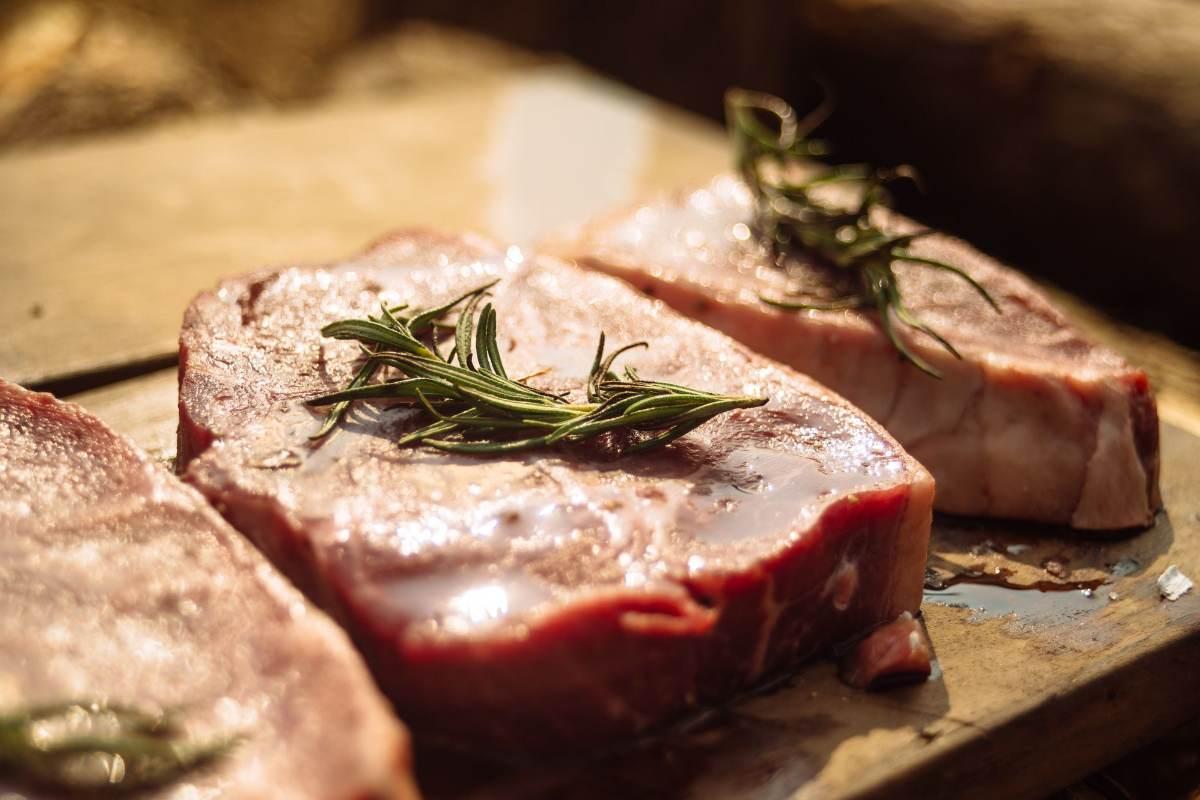
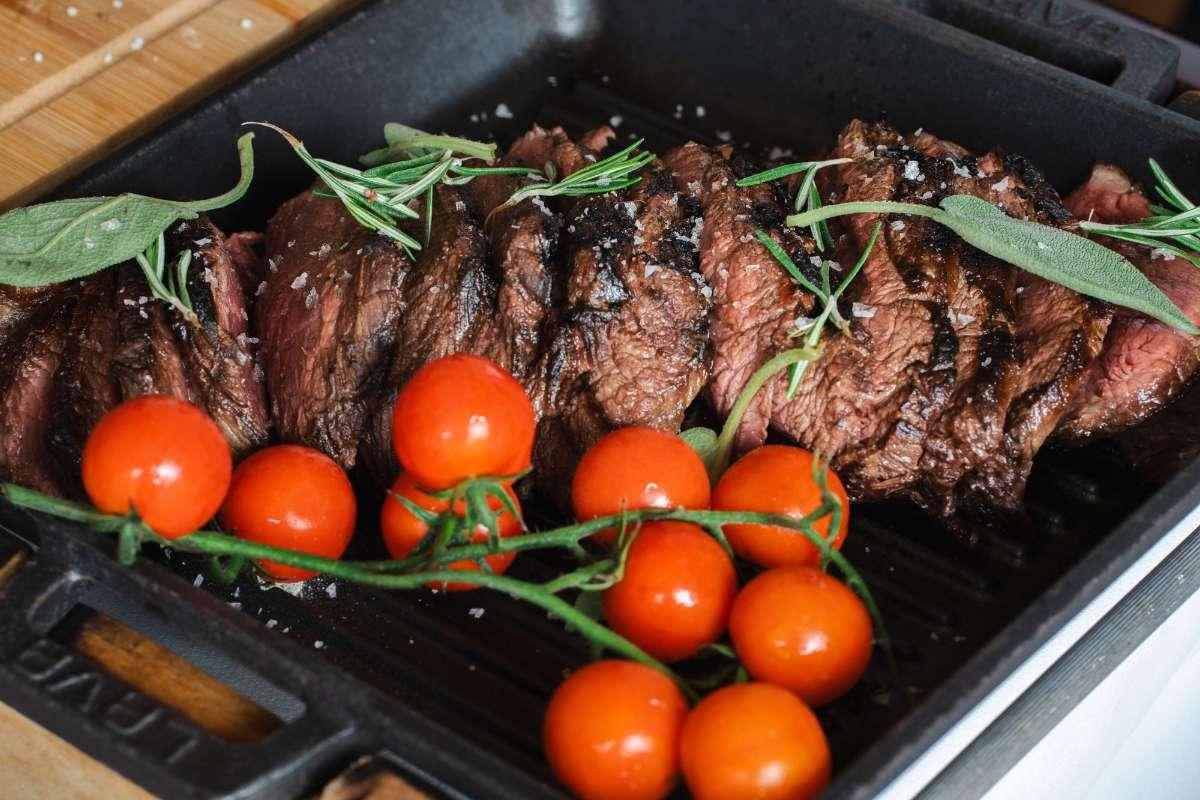
These ranges come from Serious Eats’ complete guide to sous vide steak. Serious Eats suggests cooking very lean cuts such as tenderloin toward the lower end and well marbled cuts such as ribeye or strip a few degrees higher.
| Doneness | Water bath temperature | Time in the bath |
|---|---|---|
| Very rare to rare | 120°F (49°C) to 128°F (53°C) | 1 to 2 1/2 hours |
| Medium rare | 129°F (54°C) to 134°F (57°C) | 1 to 4 hours (2 1/2 hours max below 130°F) |
| Medium | 135°F (57°C) to 144°F (62°C) | 1 to 4 hours |
| Medium well | 145°F (63°C) to 155°F (68°C) | 1 to 3 1/2 hours |
| Well done | 156°F (69°C) and up | 1 to 3 hours |
For a richer cut, our guide to how to cook wagyu ribeye steak covers how the fat in wagyu changes the method.
Sous vide chicken breast temperatures and times
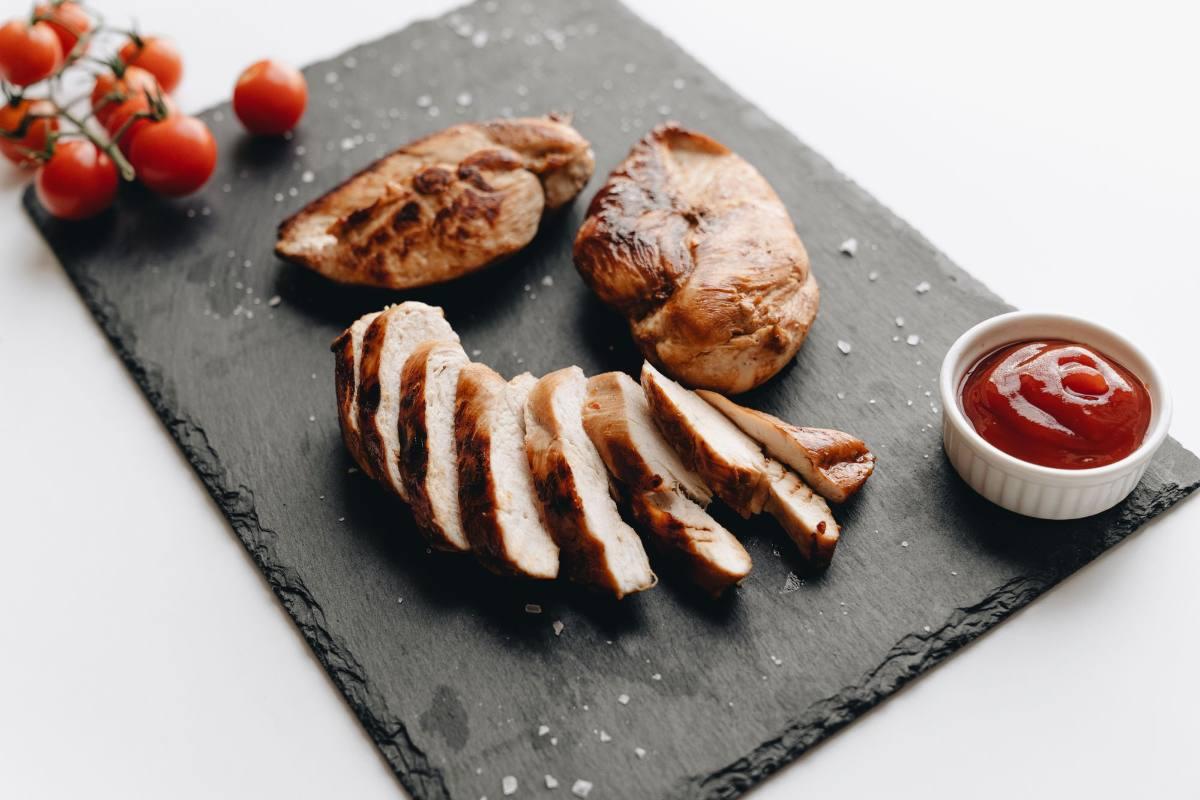
From Serious Eats’ guide to sous vide chicken breast:
| Texture | Water bath temperature | Time in the bath |
|---|---|---|
| Very soft and juicy, served hot | 140°F (60°C) | 1 1/2 to 4 hours |
| Tender and juicy, best for cold chicken salad | 150°F (66°C) | 1 to 4 hours |
| Traditional, firm and slightly stringy, served hot | 160°F (71°C) | 1 to 4 hours |
Food safety and the USDA numbers
The USDA safe minimum internal temperature chart lists 145°F with a rest of at least 3 minutes for beef, pork, veal and lamb steaks, chops and roasts, 160°F for ground meats, and 165°F for poultry. Those numbers are written for conventional cooking, where food reaches temperature and comes off the heat.
Sous vide can go lower because safety depends on both temperature and time. Serious Eats publishes a pasteurization table for chicken with 5 percent fat: 68.4 minutes at 136°F, 27.5 minutes at 140°F, 9.2 minutes at 145°F, 2.8 minutes at 150°F, and effectively instant at 165°F. Those times count from when the center of the food reaches the bath temperature, which is why the charts above never go below 1 hour.
- Follow a tested time and temperature chart, and do not shorten the minimum times.
- Keep raw food cold until it goes into the preheated bath.
- Once cooked, serve right away or chill quickly. The USDA danger zone guidance says food should not sit out of refrigeration for more than 2 hours, or 1 hour above 90°F.
- Ground meat is mixed through, so surface bacteria can end up in the center. Many cooks simply use the USDA temperature of 160°F for burgers.
Basic sous vide steak recipe card
Basic Sous Vide Steak
Serves: 2
Prep: 10 minutes
Water bath: 1 to 4 hours, depending on doneness
Sear: about 2 minutes
Equipment: immersion circulator, large pot or container, zipper lock or vacuum bags, heavy skillet or grill, tongs.
Ingredients
- 1 to 2 steaks, such as ribeye, strip or sirloin, about 1 to 1 1/2 inches thick
- Kosher salt and black pepper, to taste
- 1 tbsp neutral oil with a high smoke point, for searing
- Optional: butter, garlic and thyme or rosemary for basting during the sear
Instructions
- Preheat the water bath to your target temperature from the steak chart, for example 129°F to 134°F for medium rare.
- Season the steak with salt and pepper and seal it in a zipper lock or vacuum bag with as much air removed as possible.
- Lower the bag into the preheated water and cook for at least 1 hour. For medium rare, keep it to 2 1/2 hours or less if the bath is set below 130°F, and to 4 hours or less above that.
- Remove the steak, pat it very dry, and sear it in a very hot skillet or on a hot grill for about a minute per side to brown the outside.
- Slice against the grain and serve.
Temperatures and time ranges from The Food Lab’s Complete Guide to Sous Vide Steak at Serious Eats, read on 16 November 2026.
What you need to start
- An immersion circulator. This is the one piece of equipment that matters. It clips to the side of a pot and holds the water at a set temperature.
- A pot or container. A large stockpot works. A lidded plastic container keeps heat in on long cooks.
- Bags. Heavy zipper lock freezer bags work for most cooks. Lower the bag into the water with the zipper open and let the water push the air out, then seal it.
- A heavy skillet or grill. Cast iron or carbon steel gives the fastest sear.
- A thermometer. Useful for checking the bath the first few times and for ground meat.
Sous vide recipes on Luxury Infusion
These recipes use the method in this guide. Each one links back here for the charts.
- Sous vide sirloin tip roast, a lean, budget friendly roast that suits a long, gentle cook.
- How to cook wagyu ribeye steak, including when sous vide makes sense for a heavily marbled cut.
To choose a bottle for the finished steak, see our wine and food pairing rules and the Cabernet Sauvignon guide.
Sous vide cooking FAQ
What temperature should I sous vide steak?
Serious Eats gives 129°F to 134°F for medium rare, 135°F to 144°F for medium, 120°F to 128°F for rare, and 145°F to 155°F for medium well. Most steaks need 1 to 4 hours.
Is sous vide chicken safe below 165°F?
The USDA consumer guidance for poultry is 165°F. Sous vide cooks lower by holding chicken at temperature long enough to pasteurize it. Serious Eats lists 27.5 minutes at 140°F and 2.8 minutes at 150°F for chicken with 5 percent fat, so follow a tested time chart and do not cut the times short.
How long can you leave steak in a sous vide bath?
Serious Eats gives 1 to 4 hours for medium rare and medium steak, and no more than 2 1/2 hours when the bath is set below 130°F. Past the upper end, the texture of the meat starts to soften.
Do I need a vacuum sealer for sous vide?
No. A heavy zipper lock bag with the air pressed out works for most home cooking. A vacuum sealer helps for long cooks and for storing sealed portions in the freezer.
Why sear after sous vide?
A water bath cannot brown meat. A short, very hot sear adds color and flavor to the outside without overcooking the evenly cooked center.
Sources, read on 16 November 2026: Serious Eats, The Food Lab’s Complete Guide to Sous Vide Steak and How to Cook Sous Vide Chicken Breast; USDA FSIS Safe Minimum Internal Temperature Chart and Danger Zone (40°F to 140°F).
Continue Exploring Luxury
Everything you need for wine, food and entertaining, in one place.
📖 Get the Free Luxe Living Starter Guide