How to Cook Wagyu Ribeye Steak: Essential Guide with 5 Expert Tips
This post contains affiliate links. If you click through and make a purchase, I may earn a small commission at no extra cost to you. I only recommend products and services I personally use and trust.
Knowing how to cook wagyu ribeye steak properly transforms one of the world’s most prized cuts into an unforgettable meal. I’ve spent years exploring the best methods for cooking Japanese wagyu beef at home, and the techniques that work for ordinary steak simply do not apply here. Wagyu’s extraordinary fat content and marbling require a different approach entirely.
The high fat content in wagyu ribeye means it cooks faster than standard beef and responds differently to heat. Get it right, and you’ll experience a richness of flavor that no other cut can match. Get it wrong, and you’ll ruin an investment worth anywhere from $50 to $150 for a single steak. Learning how to cook wagyu ribeye steak starts with proper preparation.
How to Cook Wagyu Ribeye Steak: Understanding the Cut First
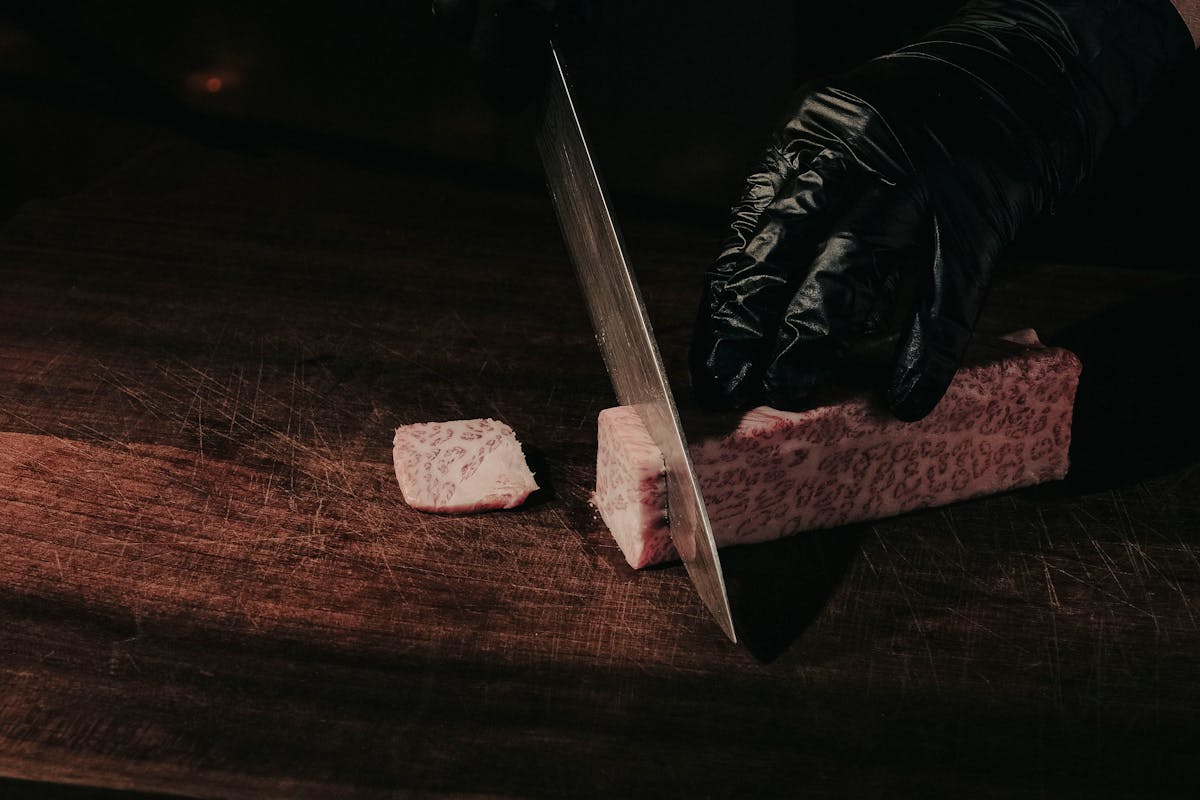
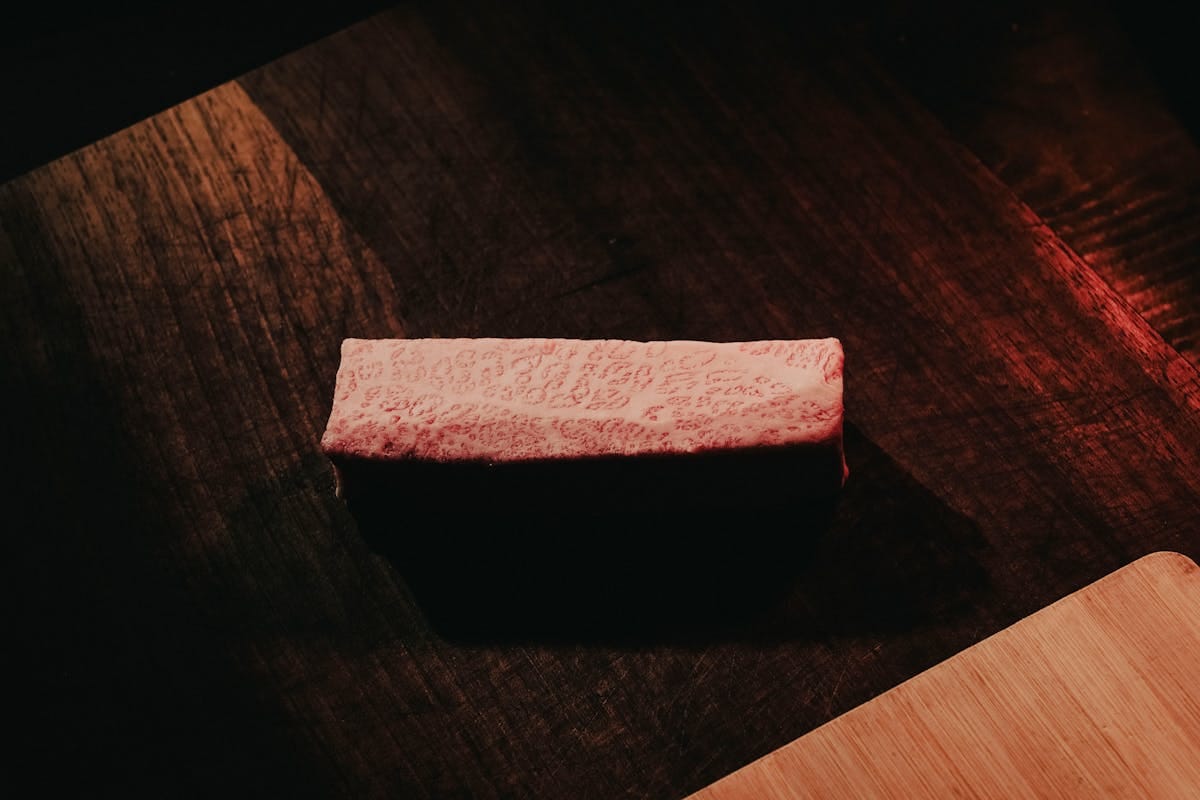
American wagyu ribeye and Japanese wagyu beef differ significantly in marbling grade and flavor profile. Japanese wagyu cattle, particularly those raised under strict protocols for kobe beef, produce meat with an extraordinary fat distribution that creates a buttery, melt-in-your-mouth texture. American wagyu steaks offer similar qualities at a somewhat lower price point.
A wagyu ribeye steak listed as “A5 grade” represents the highest quality classification in Japan’s grading system. The total carat weight (essentially the fat-to-meat ratio) is measured in what’s called Beef Marble Score (BMS), ranging from 1 to 12. For home cooking purposes, most wagyu cattle products you’ll find fall between BMS 6 and BMS 12. The key to how to cook wagyu ribeye steak is controlling the heat.
The Best Way to Sear Wagyu: Cast Iron Skillet Method
The cast iron skillet is the best way to cook wagyu ribeye steak at home. Cast iron pan cooking delivers the high, even heat necessary for a perfect sear without adding excessive fat. Before you start the cooking process, allow the steak to come to room temperature for 30 to 45 minutes. This step is critical with wagyu because the dense marbling needs time to relax before it meets the hot pan.
Set your cast iron skillet over medium-high heat and let it preheat for at least 3 to 4 minutes. Because wagyu releases so much of its own fat during cooking, you need only a thin film of olive oil (or none at all for very well-marbled cuts). When the pan is hot, lay the wagyu ribeye in and do not move it. Once you master how to cook wagyu ribeye steak, the results speak for themselves.
Cooking time for a wagyu ribeye steak depends on thickness. A 1-inch thicker steak requires about 2 to 2.5 minutes per side for medium-rare. Thin steak cuts, which many Japanese wagyu servings use, cook in as little as 60 to 90 seconds per side. The cooking methods used in Japan often favor quick sears at high heat precisely because of how the fat behaves.
5 Expert Tips for a Perfect Steak Every Time
Getting the best results from wagyu beef is about precision and restraint. These five tips cover the most critical points in the cooking process. Temperature control is critical when learning how to cook wagyu ribeye steak.
Tip 1: Season simply. Wagyu’s exceptional flavor needs nothing more than kosher salt and black pepper applied right before cooking. Sea salt applied 30 minutes before searing can also draw out surface moisture for a better sear. Avoid heavy marinades that will mask the rich flavor.
Tip 2: Target internal temperature, not cooking time. Use an instant-read thermometer to check doneness. For wagyu, aim for an internal temperature of 125°F to 130°F for medium-rare. Because the high fat content stays soft even when cooled, wagyu can be served slightly cooler than conventional beef without losing its texture. Every detail matters when learning how to cook wagyu ribeye steak at home.
Tip 3: Use indirect heat for thicker steaks. For cuts over 1.5 inches, use the reverse sear method. Start the wagyu ribeye in a 250°F oven until the internal temperature reaches 115°F, then transfer to a smoking hot cast iron skillet for the final good sear. This cooking process prevents the outer fat from overcooking before the center is done.
Tip 4: Rest in a warm place. After cooking, move the steak to a warm place and tent loosely with foil for at least 5 minutes. Wagyu needs this rest time for its fat to redistribute. Cutting too soon loses the juicy eating experience that makes wagyu worth the price.
Tip 5: Add fresh herbs during the final minute. Dropping fresh rosemary and a knob of butter into the pan during the last minute of cooking and basting the steak creates a culinary experience that rivals any chophouse steaks.
Gas Grills vs. Cast Iron: Which Cooking Methods Work Best?
Gas grills can cook wagyu ribeye, but they require careful management. The challenge with gas grills is controlling flare-ups from the wagyu’s dripping fat. If you use a gas grill, preheat to high heat, clean the grates well, and cook over direct heat for 60 seconds per side before moving to indirect heat to finish. This best option keeps the exterior from charring while the interior reaches the right cut of doneness.
The sous vide method is another excellent cooking technique for wagyu ribeye. Cooking wagyu sous vide at precisely 129°F for 1 to 1.5 hours, then finishing with a hot sear in a cast-iron skillet, delivers exceptional flavor and a consistently perfect sear. According to Serious Eats, sous vide is one of the most reliable cooking methods for achieving precise doneness in premium cuts. For more on using this technique with beef, see our guide to sous vide sirloin tip roast.
→ Shop the Anova Culinary Sous Vide Precision Cooker Nano 2.0 on Amazon
Similar Posts
Best Coffee Cigars: 2026 Pairing Guide for Coffee and Cigar Enthusiasts
This post contains affiliate links. If you click through and…
Best Pre Ground Coffee for French Press: Top Picks for a Rich Brew
This post contains affiliate links. If you click through and…
Sous Vide Sirloin Tip Roast: Perfectly Tender Every Time
This post contains affiliate links. If you click through and…
Best Pickles for Charcuterie: Top Picks to Elevate Your Board
This post contains affiliate links. If you click through and…
Espresso Bitter vs Sour: What’s the Difference and How to Fix It (2026)
This post contains affiliate links. If you click through and…
Ascaso Espresso Machine Review: 2026 Honest Take
This post contains affiliate links. If you click through and…