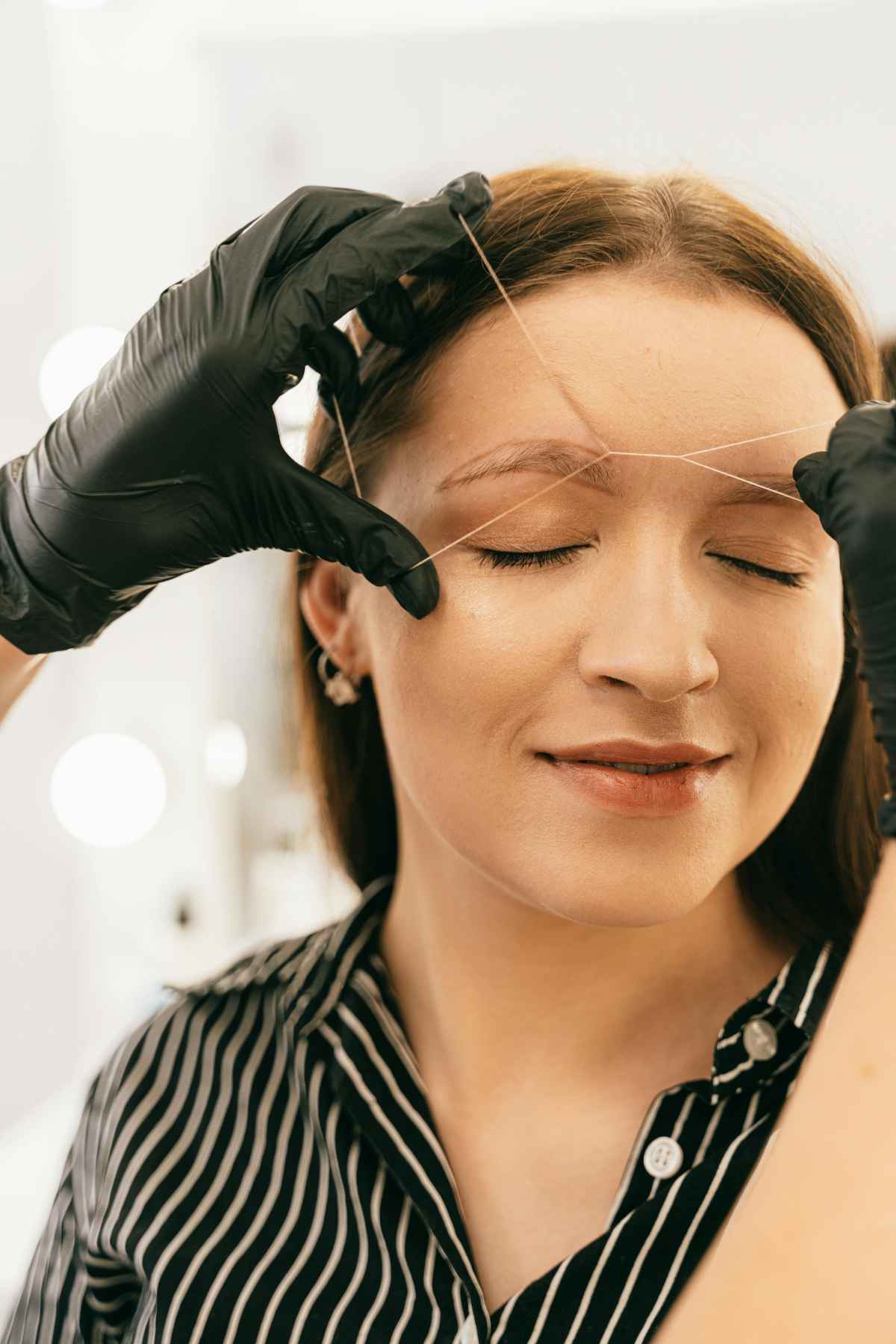
What Does Botox Feel Like When It Starts to Work: The Sensations Explained
This post contains affiliate links. If you click through and make a purchase, I may earn a small commission at no extra cost to you. As an Amazon Associate I earn from qualifying purchases.
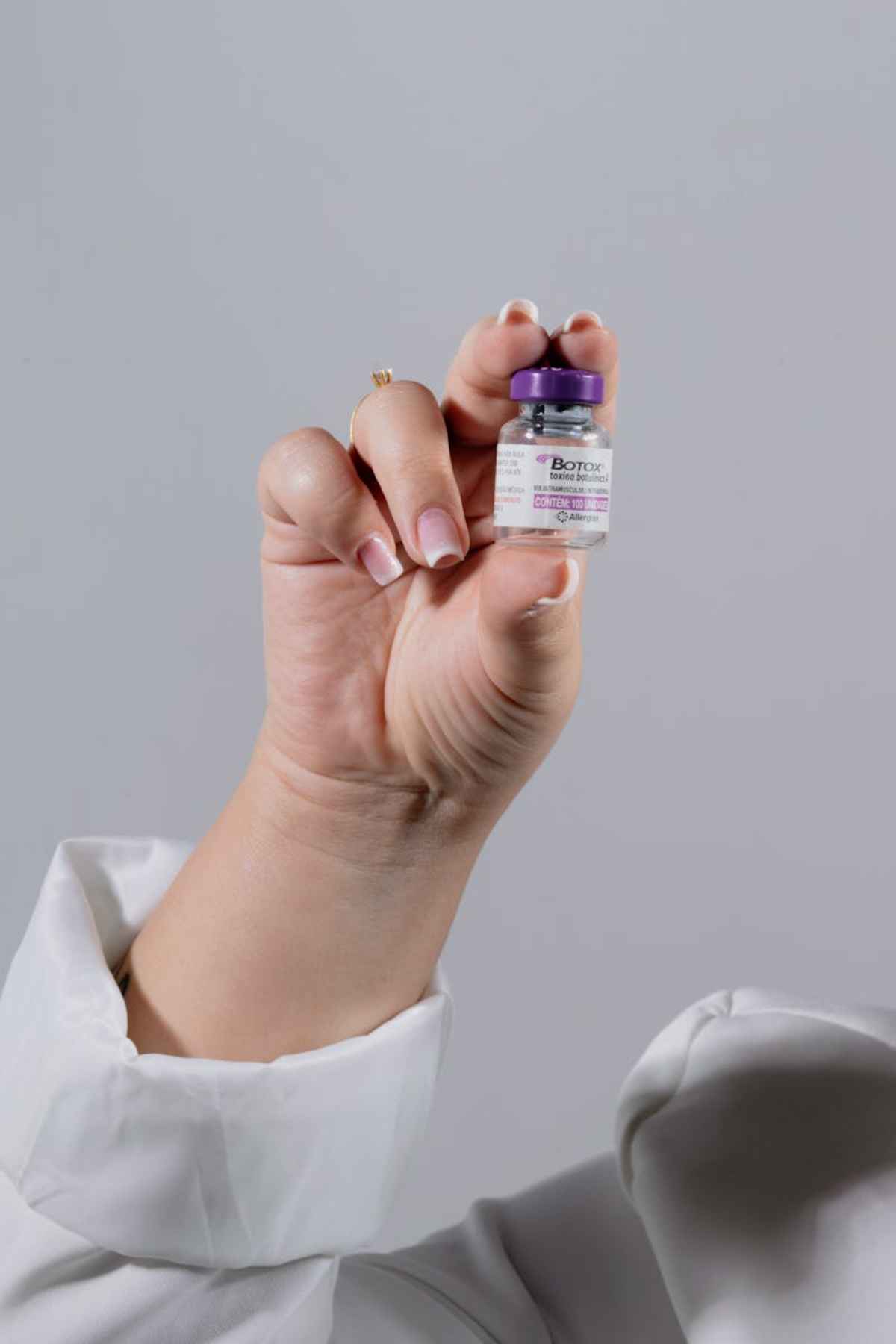
What does botox feel like when it starts working? Most patients describe a gradual tightening sensation.
When you get your first Botox treatment, you might feel curious or even a bit nervous about what to expect.
As the Botox injections start to work, you might notice some tightness or a slight sensation in the treated area. This feeling usually isn’t painful but can feel a bit unusual if it’s your first time.
Within the first week, you may observe slight changes in your facial muscles, especially areas like the crow’s feet or forehead lines. The botox results can vary, but subtle improvements in the appearance of fine lines and wrinkles can be noticeable relatively quickly.
The full effects of Botox typically appear within two weeks, giving you a smoother and more youthful appearance.
It’s important to follow any advice your healthcare provider gives you at the Botox appointment.
Avoiding strenuous exercise and sun exposure, and using an ice pack if needed, will help you achieve the best results.
You might need subsequent treatments to maintain the effect, ensuring your facial expressions stay natural and wrinkle-free.
Understanding Botox and Its Purposes
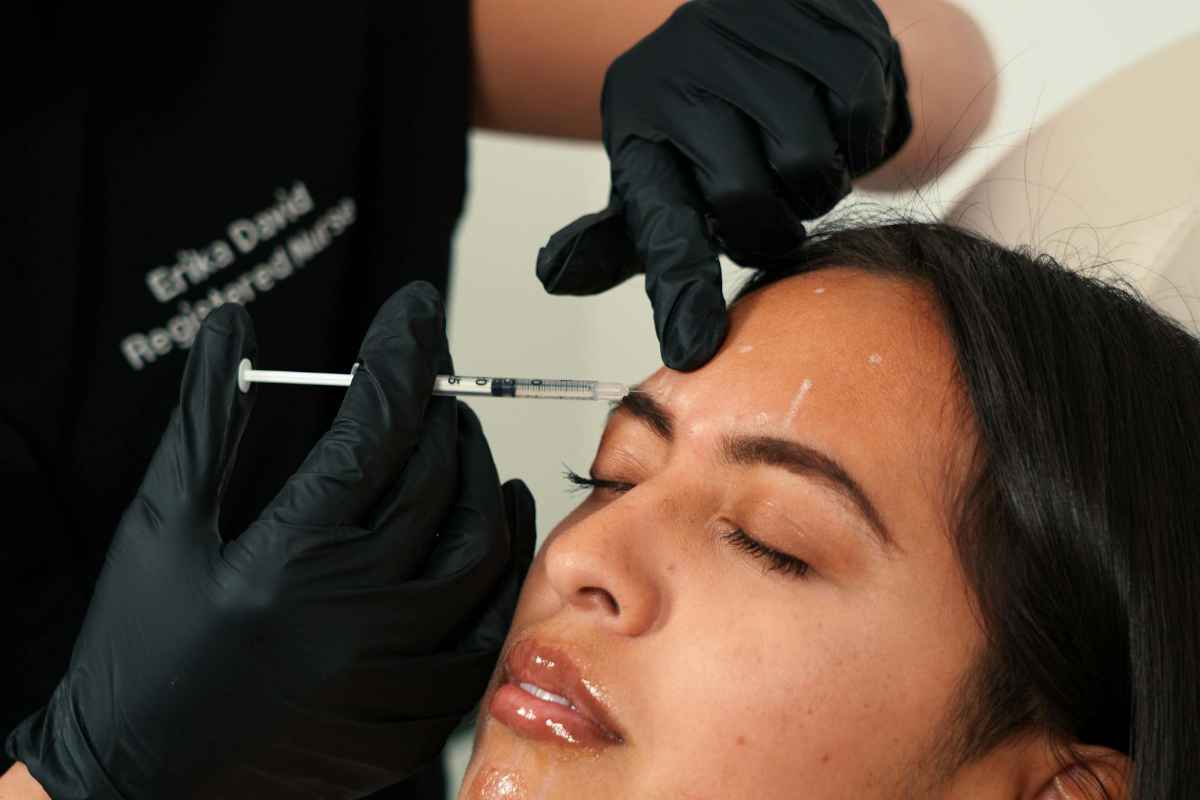
After getting Botox injections, focus on immediate post-treatment care and plan for long-term maintenance to ensure the best results.
Immediate Post-Treatment Care
Right after your Botox treatment, you’ll want to be gentle with your skin.
Avoid touching, rubbing, or massaging the injection site for at least 24 hours to prevent moving the Botox to other areas.
It’s a good idea to avoid strenuous exercise, as it can increase blood flow and potentially spread the Botox. Instead, take a rest day.
Avoid these activities for the first day:
- Strenuous exercise
- Lying down for long periods
- Drinking alcohol
- Taking blood thinners like aspirin
Apply an ice pack to the injection site if you experience any bruising or swelling.
Some people might have a mild headache; this is temporary and can be treated with over-the-counter pain relief.
Long-Term Botox Maintenance
To make the most of your Botox results, schedule follow-up appointments as recommended by your healthcare provider.
Botox results vary, so listen to your provider about when to come back.
Maintain a skincare routine that includes:
- Wearing sunscreen daily
- Hydrating your skin
- Avoiding activities that could cause sun damage
Consider avoiding other cosmetic procedures in the treated area for at least a week after your Botox appointment.
If you plan on having subsequent treatments, discuss a schedule during your initial consultation.
This helps maintain a more youthful appearance and manage dynamic wrinkles.
For the best results, avoid stress and take care of your facial muscles by practicing gentle facial expressions without over-straining treated muscles.
Potential Side Effects and How to Handle Them
Botox injections are generally safe, but there are some potential side effects.
You might experience pain or swelling at the injection site. Using an ice pack can help. Avoiding strenuous exercise for a day or two after your appointment is a good idea.
Some people notice bruising or redness. This can be minimized by avoiding blood thinners before your treatment. If redness or pain persists, contact your healthcare provider.
There’s also a risk of allergic reactions. Symptoms can include itching, rash, or dizziness. If you experience these, seek medical help immediately.
Headaches or a tight sensation in the treated area could occur. These should fade within a few days. Over-the-counter pain relief can help but check with your doctor first.
When injecting near the eyes, some might see drooping eyelids or eyebrows. This should improve within a few weeks as the muscle movements return. It’s important to choose a skilled plastic surgeon to reduce this risk.
Rarely, people might have flu-like symptoms or an infection if bacteria from the environment enter the injection site. Keeping the area clean and avoiding touching it will help.
Temporary changes in facial expressions like uneven eyebrows or slight drooping can happen. Ensuring you follow-up with your medical provider helps address any issues.
For those new to botox treatments, communicate openly with your healthcare provider about your medical history and any medical conditions. This ensures you’re a good candidate for this cosmetic procedure.
Avoid sun exposure and wear sunscreen after treatments. This helps prevent additional swelling or sun damage to the overlying skin.
Long botox sessions should be spaced a few months apart. Subsequent treatments can enhance and prolong your botox results.
Selecting a Professional for Your Treatment

When looking for someone to do your Botox treatment, it’s important to pick a trained professional.
This could be a doctor, nurse, or facial plastic surgeon. Make sure they have experience with Botox injections.
Check if the professional uses FDA-approved products. This ensures safety and reduces the risk of potential side effects.
It’s also a good idea to ask about their training and how long they’ve been doing cosmetic procedures.
Communication is key. You want someone who listens to your concerns and answers your questions clearly.
Don’t be shy to ask about their treatment process and what to expect with your Botox appointment.
Consider the cost of the Botox treatment.
Prices can vary depending on the number of units needed and the injection site. It’s recommended to get a detailed quote.
Look at before and after photos of other patients.
This gives you an idea of the possible results and helps you know if you are a good candidate for the treatment area you’re targeting like crow’s feet and frown lines.
Lastly, make sure to follow any pre-procedure tips they give.
This might include avoiding blood thinners or using topical numbing cream. These steps help ensure the best results for your Botox procedure.
Expected Results and Adjusting Expectations
When you get Botox injections, you might start to feel it working within a few days.
Your facial muscles in the treated area may start to relax, reducing the appearance of wrinkles.
First Signs:
- Forehead lines soften.
- Frown lines between the eyebrows start to smooth out.
- Crow’s feet around the eyes become less noticeable.
You should see the full effects of Botox within a week or two. Your facial movements will be more controlled, but you won’t look frozen.
Botox Results:
- More youthful appearance
- Smoother forehead wrinkles
- Relaxed frown lines
If it’s your first time, you might feel slight changes in muscle movements. You’ll notice a gradual return of movement as the Botox wears off, usually in 3-6 months.
Botox doesn’t stop you from having facial expressions. It just reduces the strength of muscle contractions that cause dynamic wrinkles.
Adjusting Expectations:
- You might not see immediate changes the next day.
- The number of units needed varies.
- Treatment sessions might be required for desired results.
- Follow healthcare provider advice for best results.
Frequently Asked Questions
People often have questions about what to expect after getting Botox. Here, you’ll find information on the typical timeline, sensations, and changes you might feel.
How long does it typically take to notice Botox effects?
Botox injections usually start to show effects within 3 to 5 days.
You may notice the appearance of fine lines and dynamic wrinkles beginning to smooth out.
Can you describe the sensation when Botox begins to act?
Many people feel a tight sensation in the treated area.
Some compare it to a slight tension in the facial muscles.
What should I expect in the first two weeks after a Botox treatment?
In the first week, the injection site might feel tender. You might also see slight changes in muscle movements.
By the end of the second week, more youthful appearance of forehead lines and crow’s feet is noticeable.
What are the day-by-day changes one might feel after getting Botox?
Day one could bring mild swelling or redness at the injection site.
Over the next few days, botulinum toxin injections begin to block nerve impulses.
By day seven, muscle contractions soften, and frown lines start to disappear.
By day 14, the full effects of Botox become apparent.
Is there a difference in Botox results on days 7 and 14?
Yes, there is. On day 7, you may see noticeable results but not the maximum results.
By day 14, the treated muscles reach their best results, leading to smoother overlying skin.
What are common signs that Botox is starting to work?
You may notice a decrease in muscle activity in the treated area.
Horizontal lines and glabellar lines will start to look less prominent.
Your facial expressions may feel less intense. This is especially true when you try to make a frown or surprise face.
Continue Exploring Luxury
Everything you need for wine, food and entertaining, in one place.
📖 Get the Free Luxe Living Starter Guide