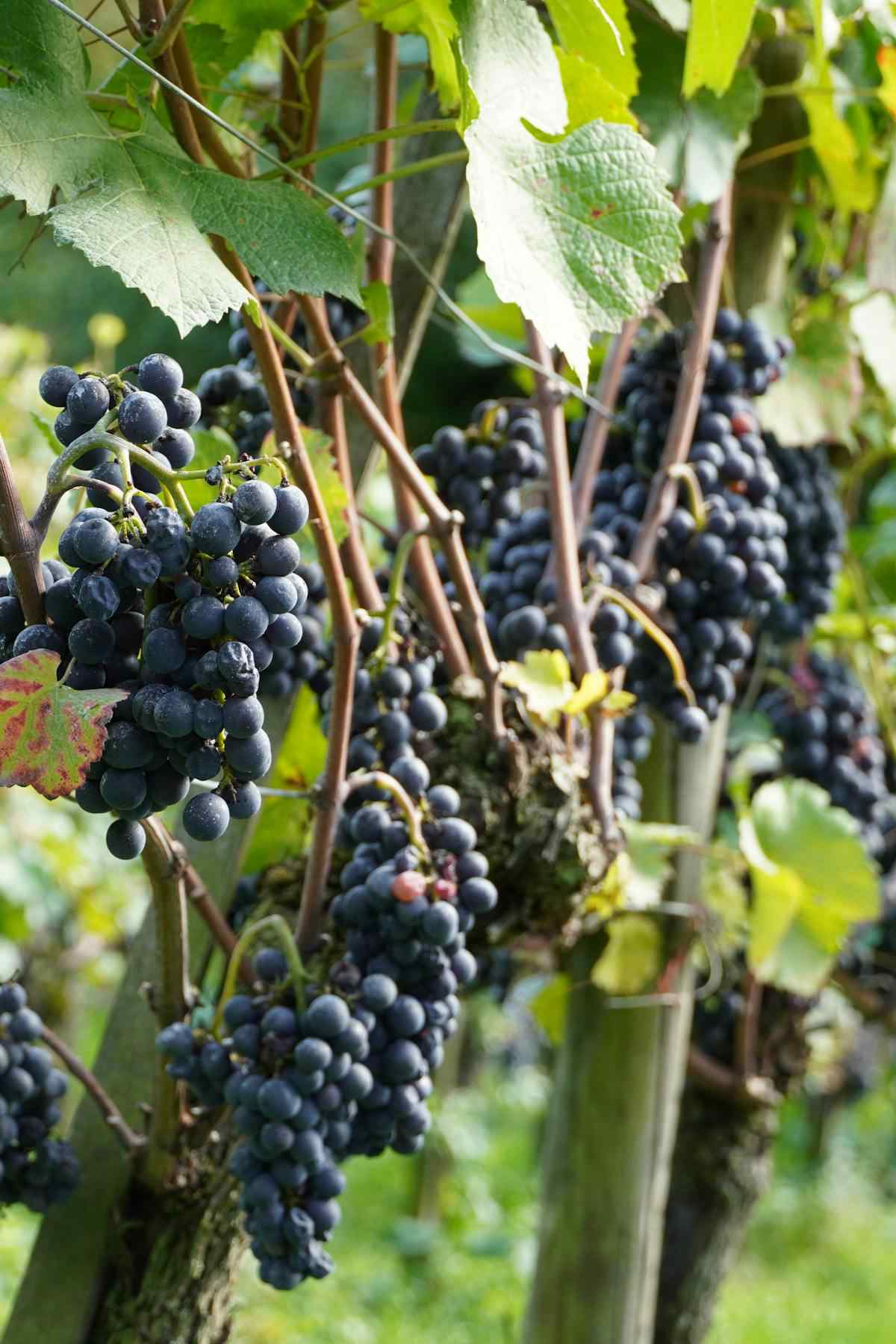
Red Wine Guide: Malbec Wine vs Cabernet Sauvignon
This post contains affiliate links. If you click through and make a purchase, I may earn a small commission at no extra cost to you. I only recommend products and services I personally use and trust.
When choosing between Malbec and Cabernet Sauvignon, your taste preferences can guide you to the perfect bottle. Both these red wines have distinct profiles and unique charms that cater to different palates. In the Malbec wine vs Cabernet Sauvignon comparison, this stands out.
Quick Answer: Malbec is generally smoother than Cabernet Sauvignon. Malbec has softer, velvety tannins and juicy fruit flavors (plum, blackberry, violet) that make it approachable right away. Cabernet Sauvignon has firmer, more structured tannins and greater aging potential, but can feel drier and more assertive when young. For a smooth, easy-drinking red wine, choose Malbec. For a structured, age-worthy wine to pair with a ribeye steak, choose Cabernet Sauvignon.
| Feature | Malbec | Cabernet Sauvignon |
|---|---|---|
| Body & Texture | Medium-to-full, velvety, and plush | Full-bodied, heavy, and structured |
| Tannin Level | Moderate and smooth | High and grippy |
| Primary Flavors | Plum, blackberry, dark chocolate, violet | Black currant, black cherry, cedar, tobacco |
| Acidity Level | Medium | Medium-to-high |
| Best Food Pairing | Leaner meats, BBQ, blue cheese | Rich ribeye steaks, hearty stews, aged cheddar |
From the juicy, fruity flavors of Argentinian Malbec to the structured taste of Cabernet Sauvignon, each offers something special. If you prefer lighter options, explore our guide to dry white wines for a contrast.
Malbec wines are known for their dark fruit flavors with hints of black cherry and black pepper. Originating in France, but popularized by Argentina, these wines showcase a delightful mix of boldness and smooth tannins.
On the other hand, Cabernet Sauvignon, a favorite in Bordeaux blends, brings a full-bodied experience with high tannins and dark color, often featuring notes of oak from aging in barrels.
Pairing these wines with the right foods can enhance your dining experience.
Malbec is great with red meat and strong cheeses like blue cheese, thanks to its velvety texture and deep flavors.
In contrast, Cabernet Sauvignon pairs well with hearty dishes and special occasions, complementing savory flavors and firm tannins.
As a WSET-certified wine enthusiast and avid explorer of global wine regions, I aim to guide fellow wine lovers in discovering the unique nuances of varietals like Malbec and Cabernet Sauvignon, helping you elevate your wine-tasting experiences with expert insights and pairing tips.
Malbec Wine vs Cabernet Sauvignon: How They Compare
- Malbec wines are fruity with smooth tannins.
- Cabernet Sauvignon features high tannins and oak aging.
- Both wines pair well with different foods.
Origins and History
When you explore the origins and history of Malbec and Cabernet, you’ll find different journeys.
Malbec thrives in Argentina and began in France, while Cabernet’s roots stay in the Bordeaux region of France. Both are part of famous wine blends and have gained popularity as varietal wines around the world.
The Birthplace of Malbec and Cabernet
Malbec grapes were first grown in the Cahors region in southwest France. In France, Malbec was often blended with other red grape varieties like Merlot to create Bordeaux blends. If you want to explore the difference between Merlot and another bold California red, our Zinfandel vs Merlot guide covers every key distinction.
French Malbec is known for its rich, dark color and bold flavors. Then, in the 19th century, Malbec made its way to Argentina, finding a new home.
Argentina’s most important grape variety, Malbec, flourishes in regions like Mendoza’s Uco Valley, and Salta’s high altitudes. These areas offer a great place for these grapes to develop their signature full-bodied qualities and distinct flavors.
This adaptability has helped Argentinian Malbec wines become popular choices among wine lovers.
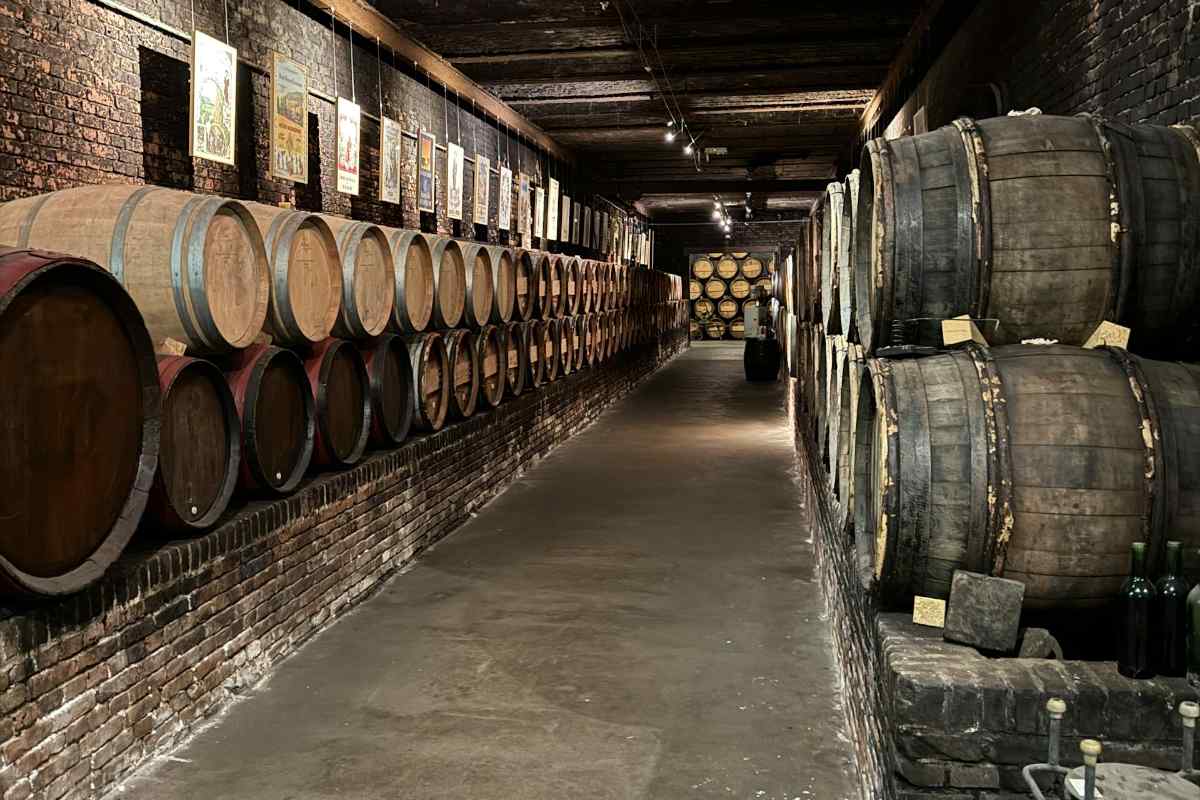
Taste Profiles and Aromas
When comparing Malbec and Cabernet, you’ll find each has its unique taste and aroma. Malbec often showcases rich fruit profiles, while Cabernet brings depth with earthy tones and hints of spices.
Exploring the Palate of Malbec
Malbec wines typically deliver bold and dark fruit flavors. You might notice blackberry and plum, along with hints of dark chocolate and vanilla.
These wines are also known for their smooth tannins and soft finish.
Malbec grapes, especially those from Argentina, thrive in high altitudes, creating a velvety texture.
Malbec can be a delightful choice when paired with red meats or strong cheeses. If you enjoy fruity wines, Malbec will impress with its dark fruit flavors.
Savoring the Richness of Cabernet
Cabernet wines, particularly Cabernet Sauvignon, feature dark fruit flavors like black currant and black cherry.
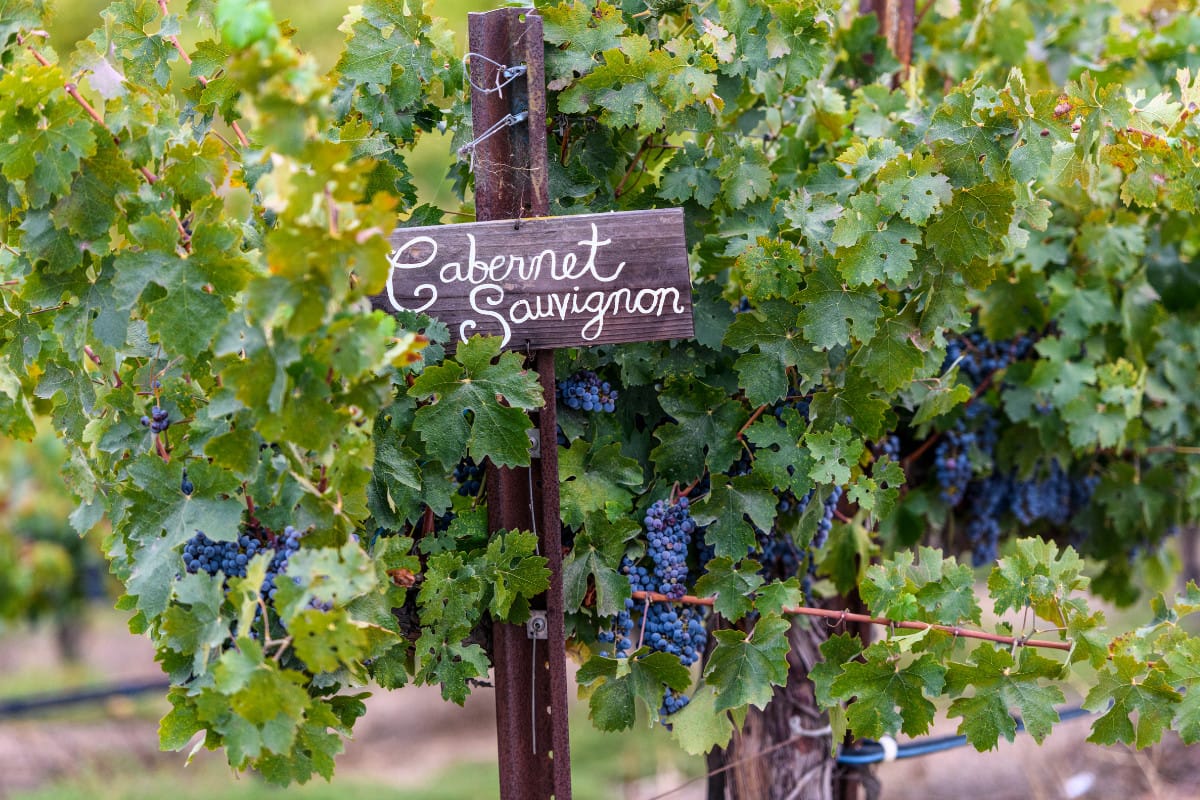
Aromatic notes of green bell pepper, graphite, and tobacco add depth and complexity.
This varietal often has high tannins, leading to a firm structure and long finish.
Cabernet Sauvignon grapes thrive in regions like the Bordeaux region of France and Napa Valley, benefiting from oak aging to enhance their bold flavors.
With its higher acidity, Cabernet pairs well with red meats and can be enjoyed on special occasions. This popular choice among wine enthusiasts is perfect for those who appreciate earthy flavors and nuanced flavors.
Which Is Smoother: Malbec or Cabernet Sauvignon?
Malbec is generally smoother than Cabernet Sauvignon. Malbec has softer tannins, a velvety texture, and juicier fruit flavors that feel immediately approachable. Cabernet Sauvignon carries firmer, more structured tannins that can feel grippy when young, making malbec vs cabernet sauvignon a clear win for malbec in terms of smoothness.
Smoothness and Tannins: Malbec vs Cabernet Sauvignon
When comparing smoothness, Malbec consistently wins for new red wine drinkers. Malbec has moderate, velvety tannins that give the wine a soft, round mouthfeel without the grippy astringency that can feel harsh on an untrained palate. Cabernet Sauvignon, by contrast, has firmer, more structured tannins, a key part of what makes it age so well, but also what makes it feel drier and more assertive when young.
The tannin difference matters for food pairing too. Malbec’s softer structure makes it versatile with everything from grilled lamb to pizza, while Cabernet Sauvignon’s bold tannins cut through the fat of a ribeye steak with precision. If you’re choosing for a relaxed dinner with mixed dishes, Malbec’s smoothness gives you more flexibility. If you’re pairing with a rich, protein-heavy main course, Cabernet’s structure is its strength.
Food Pairing and Serving Suggestions
Choosing the perfect wine to pair with your meal can enhance your dining experience significantly. Malbec and Cabernet Sauvignon each have their own unique characteristics, making them suited for pairing with different types of food.
Best Pairings for Malbec
Malbec wines, especially those from Argentina, are known for their rich and bold flavors, often featuring notes of black cherry and dark fruits.
This robust profile makes Malbec a great match for red meat. Steak and roast beef are classic choices, bringing out the smoky, earthy flavors of the wine.
Malbec also pairs wonderfully with lamb, complementing the meat’s tenderness and savory taste.
For a memorable barbecue experience, serve Malbec with grilled meats.
The wine’s softer tannins and fruity flavors can balance spicy sauces and marinades. In the Malbec wine vs Cabernet Sauvignon comparison, this stands out.
Additionally, strong cheeses like blue cheese make a fantastic pairing, offering a sharp contrast to the wine’s velvety texture.
Remember to serve Malbec at room temperature to fully appreciate its full-bodied character. For a special occasion, using a wine decanter opens up the fruit and softens the tannins beautifully.
Cabernet Sauvignon’s Culinary Companions
Cabernet Sauvignon, a favorite among many wine lovers, is known for its high tannins and flavor notes of blackcurrant and black pepper.
It pairs exceptionally well with hearty dishes like roast lamb and beef, where the wine’s structure supports the richness of the meat.
The dry nature of Cabernet Sauvignon also makes it a standout with savory flavors.
Consider enjoying it with foods rich in fat and protein, which help soften the wine’s tannins.
Bold cheeses like aged cheddar or gouda can also work well, enhancing the wine’s complexity.
Cabernet Sauvignon from regions like California’s Napa Valley offers rich, full-bodied experiences, making it suitable for many special occasions and celebratory meals.
Regions, Terroir, and Wine Culture
Malbec and Cabernet wines are deeply influenced by their regions and the unique characteristics of the land, known as terroir. These wines come from notable areas like Mendoza and Napa Valley and each region contributes to their distinct flavors. Understanding the wine culture surrounding these varieties enhances your experience and appreciation.
Iconic Regions of Malbec and Cabernet
When you explore Malbec wines, you often think of Mendoza in Argentina. This region provides a perfect climate for Malbec grapes, with high altitudes and sunny days. These conditions create fruity wines with a dark color and bold flavors.
For Cabernet Sauvignon, Napa Valley in the United States and the Bordeaux region of France are iconic.
Napa’s warm climate encourages the development of dark fruit flavors, while Bordeaux is known for its balanced blends and high acidity. Both regions make full-bodied wines known for complexity and aging potential.

Understanding Terroir and Its Impact
Terroir refers to the environmental factors that influence the wine grapes.
In Mendoza, the terroir brings a fruit-forward profile to Malbecs, with notes of black cherry and a smooth finish.
The Cahors region in France provides a smoky finish to French Malbec due to its earthy flavors.
In Napa, the soil composition and climate contribute to Cabernet’s deep color and rich flavor profiles.
Bordeaux, with its varied terroir, creates wines that boast a balance of savory flavors and firm tannins. In the Malbec wine vs Cabernet Sauvignon comparison, this stands out.
These nuances impact wine lovers’ experiences with each sip, highlighting the distinct differences in wines from different regions.
Embracing the Wine Lover Culture
Engaging with wine culture is more than just sipping. It’s understanding the tasting notes, alcohol content, and sweetness levels of each wine.
Malbec vineyards in Argentina have become a new home for wine enthusiasts looking for something different. The vibrant hues and strong red fruits make it a popular choice.
In contrast, Napa Valley attracts those who adore the high tannins and complex flavors of Cabernet.
Participating in tastings, learning about food pairings, and recognizing the nuances of each wine expands your wine experience, making it an enjoyable journey for any wine connoisseur. If you enjoy comparing wine varieties, our guide to Gewurztraminer vs Riesling covers two more aromatic options worth exploring.

The Verdict: Which Should You Choose?
Both of these bold red wines are fantastic, but they cater to very different moods and meals.
Choose Malbec if:
- You want a smooth, crowd-pleasing red wine that is easy to drink right away. If you are new to red wine, Malbec is often one of the best red wines for beginners because of its smooth finish.
- You prefer soft, velvety tannins that don’t dry out your mouth.
- You are hosting a casual weekend BBQ, serving leaner meats, or putting together a charcuterie board with blue cheese.
Choose Cabernet Sauvignon if:
- You want a highly structured, complex wine with a long, dry finish. For a thorough look at this grape, read our complete guide to Cabernet Sauvignon.
- You prefer a wine with deep earthy and savory notes (like cedar and tobacco) alongside dark fruit.
- You are serving a rich, fatty cut of meat (like a ribeye steak or prime rib) that needs a highly tannic wine to cut through the richness.
Shop the Post
Affiliate links. We may earn commission.
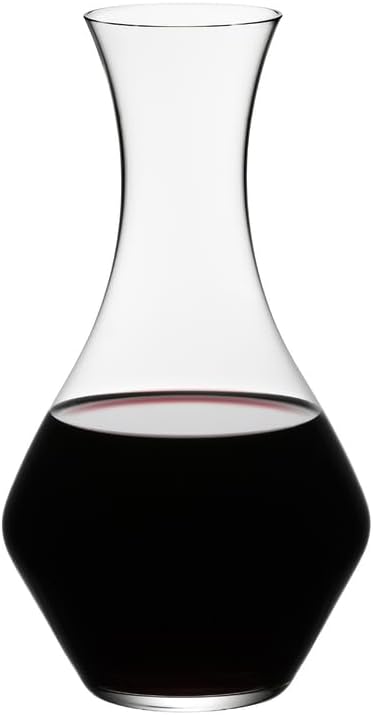
Riedel Cabernet Wine Decanter
Classic shape that opens up reds in 20 minutes
$65View on Amazon →
Riedel Vinum Pinot Noir Glasses, Set of 2
The Burgundy-style glass for delicate reds
$85View on Amazon →
Vinturi Essential Red Wine Aerator
Instant decanting in a single pour
$33View on Amazon →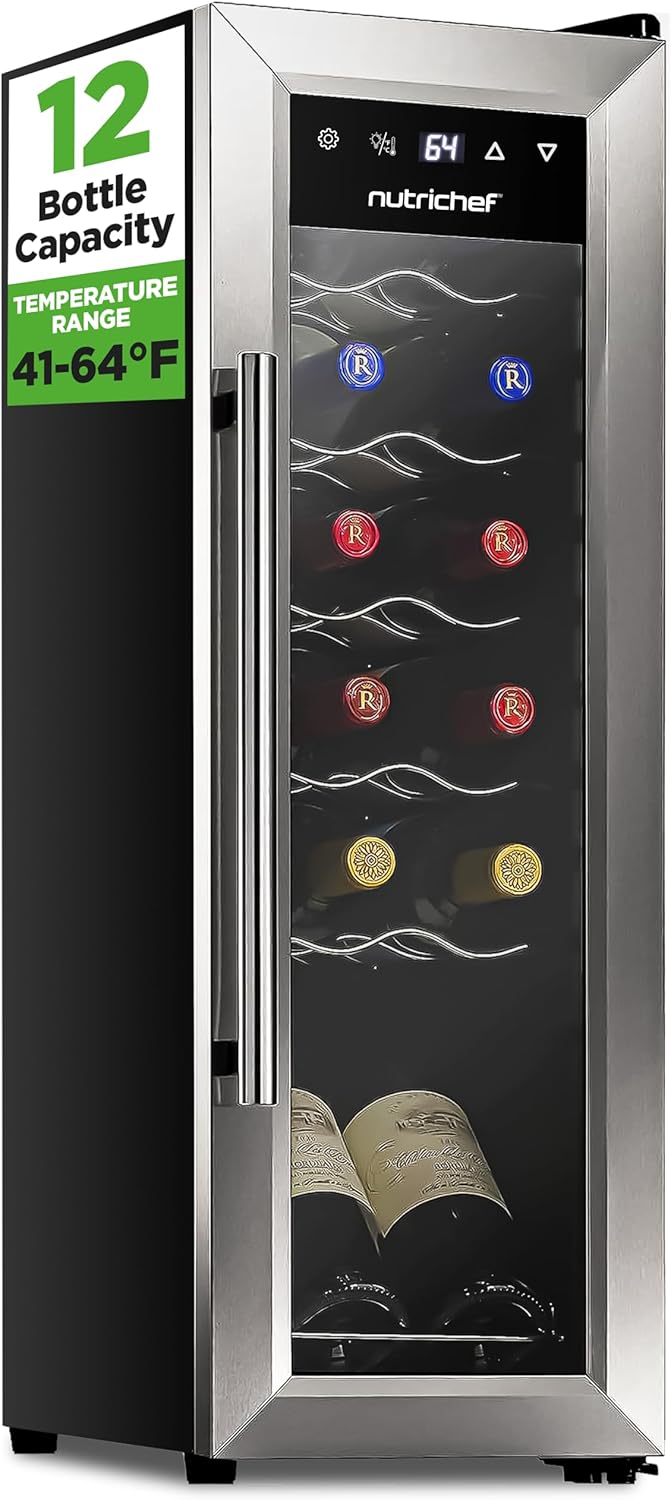
Nutrichef 12-Bottle Wine Fridge
Compact dual-zone storage at cellar temperature
$275View on Amazon →
Wine Folly: The Master Guide
The visual reference for every wine lover
$19View on Amazon →
The World Atlas of Wine, 8th Edition
Hugh Johnson and Jancis Robinson\'s definitive atlas
$38View on Amazon →Frequently Asked Questions
Malbec and Cabernet Sauvignon are both popular red wines with distinct flavors and characteristics. Understanding their taste, body, sweetness, and pairing suggestions can help you decide which wine fits your personal preference and occasion.
What are the main taste differences between Malbec and Cabernet Sauvignon?
Malbec wines often have bold flavors with fruity notes like black cherry and red fruits. Cabernet Sauvignon is known for its high tannins and dark fruit flavors, such as black berries and black pepper.
These differences in taste can guide wine lovers when choosing a wine.
How does the body of Malbec compare to that of Cabernet Sauvignon?
Malbec is typically full-bodied with a velvety texture. Cabernet Sauvignon also falls under full-bodied red wines but may feel heavier due to its structure and firm tannins.
How do the sweetness profiles of Malbec and Cabernet Sauvignon compare?
Both Malbec and Cabernet Sauvignon are dry red wines.
Malbec may display fruity flavors making it taste slightly sweeter than the more earthy and savory Cabernet. Neither wine is typically considered sweet, focusing more on fruity wines and nuanced flavors.
Among Malbec, Cabernet, and Merlot, which is typically the smoothest?
Merlot wines are often considered the smoothest among these (see our Syrah vs Merlot comparison), known for softer tannins and smooth tannins.
Malbec’s moderate tannins and velvety texture can also feel quite smooth, whereas Cabernet’s higher acidity and firm tannins make it less smooth.
Which wine is generally lighter in taste, Malbec or Cabernet?
Malbec is generally fuller-bodied compared to Cabernet, but it can taste lighter due to its fruity flavors and less intense tannins. Cabernet tends to have distinct differences with a robust flavor profile.
In terms of food pairings, what are the recommendations for Malbec versus Cabernet Sauvignon?
Malbec pairs well with red meat and blue cheese. For more pairing tips, explore our food pairing guide. It also complements dishes with earthy flavors.
Wine sugar content also affects your choice: explore our guide to sugar in white wine vs red wine to see how both compare. For beginners, our sweet wines for beginners guide covers both malbec and cabernet picks.
Cabernet is versatile for food pairings. It complements dishes with strong cheeses and bold flavors like those found in Bordeaux blends. Both wines pair excellently with different wines from diverse wine regions. Try them at room temperature for the best experience.
For a complete breakdown of Cabernet Sauvignon on its own, including its full flavor profile, best food pairings, and serving tips, read our complete guide to Cabernet Sauvignon.
Is Malbec or Cabernet Sauvignon smoother?
Malbec is smoother. It has softer, rounder tannins and a more approachable texture than Cabernet Sauvignon, which tends toward firmer, more structured tannins, especially when young.
Which is better for beginners, Malbec or Cabernet Sauvignon?
Malbec is generally better for beginners. Its smoother tannins, juicy fruit-forward profile, and lower price point make it an easy entry point into red wine. Cabernet Sauvignon can be more complex and tannic for those new to wine.
What is the price difference between Malbec and Cabernet Sauvignon?
Malbec is typically less expensive. Argentine Malbec bottles are widely available at $10-$20. Cabernet Sauvignon ranges more broadly, from $12 entry-level bottles to $100+ for premium Napa Valley or Bordeaux expressions.
Can you substitute Malbec for Cabernet Sauvignon in cooking?
Yes. Both are full-bodied red wines that work well in braises, stews, and red wine sauces. Malbec adds a slightly fruitier, softer flavor; Cabernet Sauvignon adds more tannin and structure. Either works in most red wine recipes.
Continue Exploring Luxury
Everything you need to elevate your everyday life — in one place.
📖 Get the Free Luxe Living Starter Guide