How Long Does Lip Filler Take to Settle? Essential Timeline Guide with 4 Key Stages
This post contains affiliate links. If you click through and make a purchase, I may earn a small commission at no extra cost to you. I only recommend products and services I personally use and trust.
How long does lip filler take to settle is one of the most common questions after a lip filler treatment, and the honest answer is that the settling process happens in stages over two to four weeks. I’ve had lip filler injections done and researched the healing process extensively, and understanding what to expect at each stage makes a real difference in how you manage your aftercare and plan around important events.
Note: This article covers the general settling timeline for lip filler results. If you have specific questions about smoking after lip filler, see: How Long After Lip Filler Can You Smoke.
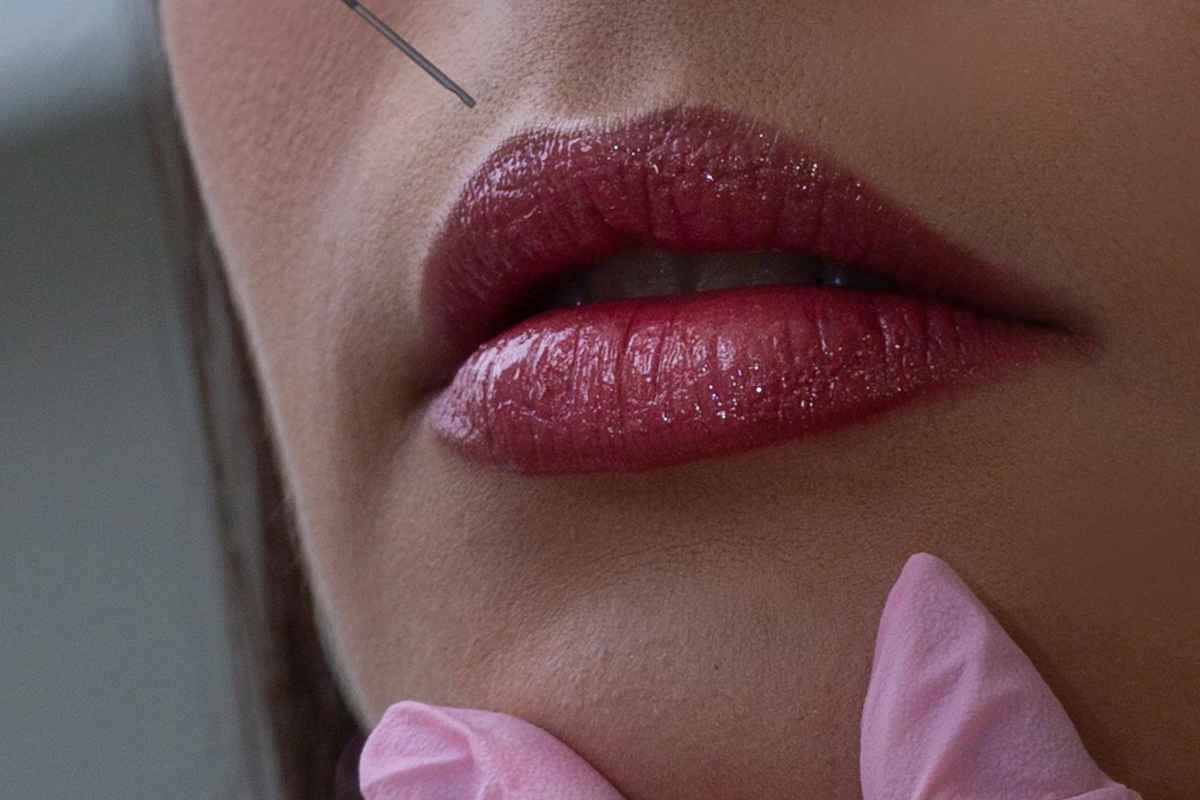
The Full Timeline: How Long Does Lip Filler Take to Settle?
The settling process after lip filler injections typically follows a predictable pattern, though individual results vary depending on the type of filler used, the amount of filler injected, and how your body responds to the treatment area.
Immediately after the procedure (hours 0-24). Right after your lip filler procedure, you will notice immediate results in the form of fuller lips, but these initial results come with significant swelling that makes the lips look larger than the intended final results. Bruising at the injection sites is also common during this window. The hyaluronic acid fillers begin integrating into the lip tissue immediately, but swelling masks the true outcome. Ice pack application in this window helps reduce inflammation and early bruising.
Days 1-4. Swelling continues and may peak around day two to three. This is the phase where most patients feel most self-conscious, as the lips may look uneven, overfilled, or asymmetrical due to swelling at the injection sites. This is entirely normal and does not reflect the final results. Common side effects like tenderness and mild bruising are typically at their most noticeable during this window.
Days 5-14. Swelling begins to subside significantly during the first week. By the end of the first week to ten days, the overall shape of your lips becomes more apparent, and fine lines around the mouth area may look softer as the hyaluronic acid fillers hydrate the surrounding tissue. Many patients feel comfortable with their results at this stage, though the settling process is not yet complete.
Two to four weeks (final results). The final results of lip filler treatment become fully visible between two and four weeks after the procedure. At this point, swelling has completely resolved and the filler material has fully integrated into the lip tissue, giving you the most accurate view of your lip augmentation outcome. This is typically the timeline your provider will use when they assess results at your follow-up appointment.
What Affects How Long Lip Filler Takes to Settle?
Several factors influence how long does lip filler take to settle and how quickly you see your final results.
Type of filler. Different types of dermal filler have different textures, particle sizes, and water absorption properties. Softer hyaluronic acid fillers like Juvederm Volbella settle quickly and integrate smoothly into the lip tissue. Stiffer hyaluronic acid fillers may take slightly longer as the tissue adjusts. Non-HA fillers like poly-l-lactic acid work differently and take longer to show final results as they stimulate collagen production over months.
Amount of filler. A larger amount of filler requires more tissue adjustment and typically extends the settling process. First-time patients who receive a conservative amount of filler often see their final results faster than those having significant volume augmentation in a single lip filler procedure.
Your body’s inflammatory response. Everyone’s healing process is different. Patients who bruise or swell more easily may experience a longer window before final results are visible, while others see their lips settling closer to the two-week mark. Staying hydrated with plenty of water, avoiding blood thinners before treatment, and following aftercare instructions all influence how quickly swelling resolves.
Injection technique. Your provider’s injection technique affects initial swelling. A skilled injector who minimizes trauma to the injection sites and uses the right type of filler for your lip tissue and aesthetic goals typically produces less initial swelling and a faster settling process.
Aftercare Instructions During the Settling Process
Following proper aftercare instructions after your lip filler treatment significantly affects how long does lip filler take to settle and the overall longevity of your results.
Apply an ice pack wrapped in a thin cloth to the treatment area for 10-minute intervals in the first 24 hours. Avoid strenuous exercise for the first 24 to 48 hours as elevated heart rate increases blood flow and can worsen swelling. Sleep on your back in the first few nights to minimize pressure on the treatment area and prevent migration of the filler material.
Avoid high temperatures including hot showers, steam rooms, and sun exposure in the first two weeks. The FDA guidelines on dermal fillers also recommend avoiding pressure on the treated area during healing. Heat increases inflammation and can affect how the gel-like substance of the filler integrates into the surrounding tissue. Avoid alcohol for 24 to 48 hours as it acts as a blood thinner and can increase bruising at the injection sites. Limit salty foods in the first week as sodium contributes to fluid retention and can prolong swelling.
Do not massage the lips unless specifically instructed by your healthcare provider. Unlike lip filler bumps that may benefit from gentle massage, the overall settling process is best supported by hands-off care rather than manipulation of the treatment area. Sticking to your daily routine beyond these restrictions is encouraged: you can wear makeup after 24 hours and resume normal activities within a day or two of your lip filler procedure.
How Long Does Lip Filler Last Once Settled?
Once you understand how long does lip filler take to settle, planning for longevity becomes easier. When your lip filler has fully settled at the two to four week mark, you can expect the results to last between six and twelve months depending on the type of dermal filler treatment, your metabolism, and lifestyle factors. Patients who are more active, consume less water, or have faster metabolisms may find their results fade faster. Hyaluronic acid fillers are naturally broken down by the body over time, which is what makes them safe and reversible.
The longevity of lip fillers can be extended by maintaining good skin hydration, protecting the lips from excessive sun exposure, and avoiding smoking which degrades hyaluronic acid in the tissue more rapidly. Injectable treatment touch-ups every six to twelve months maintain the fuller lips and youthful appearance that lip augmentation provides. Your plastic surgeons or aesthetic clinician will typically recommend a follow-up appointment at four to six weeks to assess final results and discuss whether any top-up is needed to achieve your aesthetic goals.
For more on how aesthetic treatments work and what to expect, our full guide to skincare and aesthetic treatments provides a comprehensive overview. If you’ve experienced any lumps after your filler treatment, our guide on how to get rid of lumps after lip fillers walks through exactly what to do. Understanding hyaluronic acid vs collagen can also help you understand why HA fillers behave the way they do during and after the settling process.
When to Be Concerned
Most common side effects including swelling, bruising, and sensitivity at the injection sites resolve naturally within the first week of the healing process. However, certain symptoms warrant immediate contact with your healthcare provider: severe pain beyond 48 hours, changes in skin color around the mouth area or pale patches that suggest vascular occlusion, and any signs of infection such as warmth, increased redness, or pus at the injection sites.
Knowing how long does lip filler take to settle also helps you identify when normal healing transitions to a concern. Cold sores can be triggered by lip filler injections in patients who carry the herpes simplex virus. If you have a history of cold sores, discuss antiviral prophylaxis with your injector before your lip filler procedure. For information about timing with other injectables, see our guide on when Botox peaks. The American Society of Plastic Surgeons provides guidance on what to look for after injectable treatments and how to find qualified providers who follow proper safety protocols.
Frequently Asked Questions
When you get lip filler injections, you might wonder how long does lip filler take to settle. Knowing what to expect can help set your mind at ease and ensure you achieve the best results.
What are the stages of swelling after lip filler injections?
Initial swelling is common right after dermal fillers are injected. Your lips may look larger than expected due to the body’s natural response.
Using an ice pack or cold compress can help reduce swelling. Some minor lip filler bruising may also occur.
Can I consider additional lip filler treatment after one week?
It’s generally a good idea to wait until the injection sites settle and you have had your follow-up appointment. This ensures that the treated area has adjusted to the new look.
Consult your healthcare provider to discuss further treatment.
How long should I expect my lips to feel hard following filler treatment?
Hardness or firmness in the treatment area is common after lip filler procedures. This can last for a few days.
Following proper aftercare instructions will help the filler material integrate with your lip tissue for more natural-looking results.
What is the expected duration for lip fillers to appear smooth and settled?
Within 5-7 days, mild swelling should subside, and the lip filler results will start becoming visible. The settling process may take a couple of weeks for the final outcome.
Your lips should feel more natural during this time.
After how many days will lip swelling typically subside post-filler treatment?
Lip swelling generally decreases in the first week, which marks the midpoint of how long does lip filler take to settle. You should notice a smoother recovery by this time.
If swelling persists, consult with your medical provider for further guidance.
What is the usual longevity of lip fillers once they have settled?
The longevity of lip fillers depends on the type of filler used and your lifestyle factors.
Hyaluronic acid fillers, a popular choice, generally last about six to twelve months. Understanding how long does lip filler take to settle helps you time your touch-up appointments correctly. Periodic touch-up treatments can help maintain the desired results and a youthful appearance.
Continue Exploring Luxury
Everything you need to elevate your everyday life — in one place.
📖 Get the Free Luxe Living Starter Guide