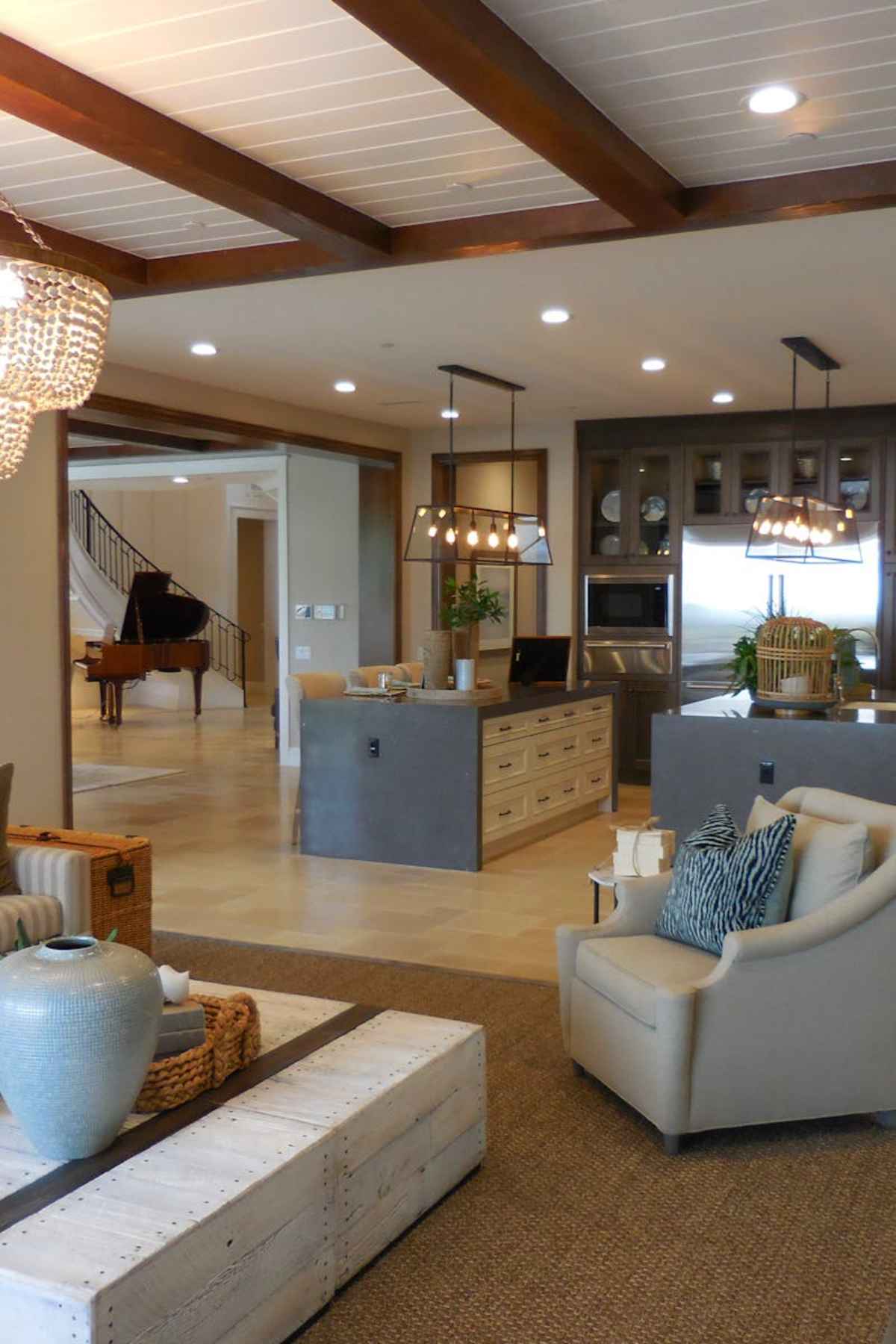
Home & Interiors: The Luxury Infusion Guide to Elevated Living Spaces
This post contains affiliate links. If you click through and make a purchase, I may earn a small commission at no extra cost to you. As an Amazon Associate I earn from qualifying purchases.
Looking for ideas on how to bring this balance to life? Our guide to coffee table styling covers the exact principles, trays, books, and organic elements, that make a surface look intentional rather than decorated.
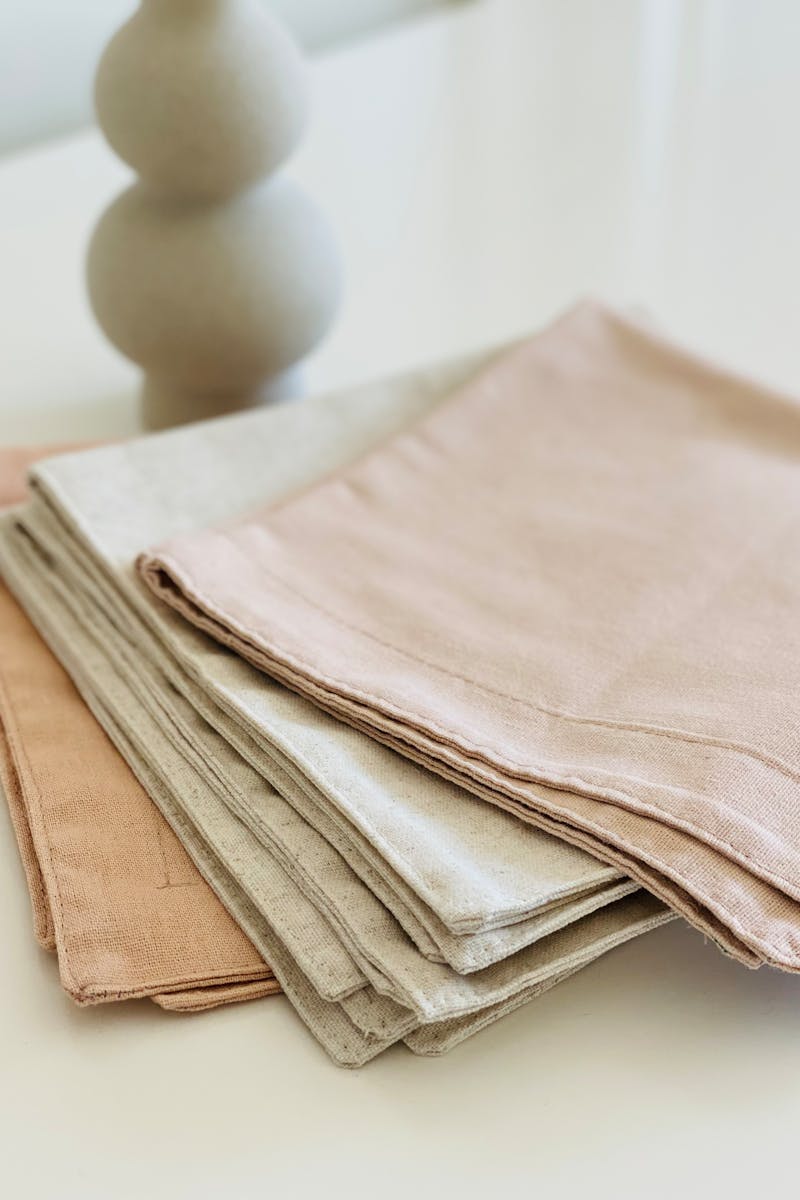
→ Shop it: linen throw pillow covers
What Makes a Home Feel Genuinely Luxurious
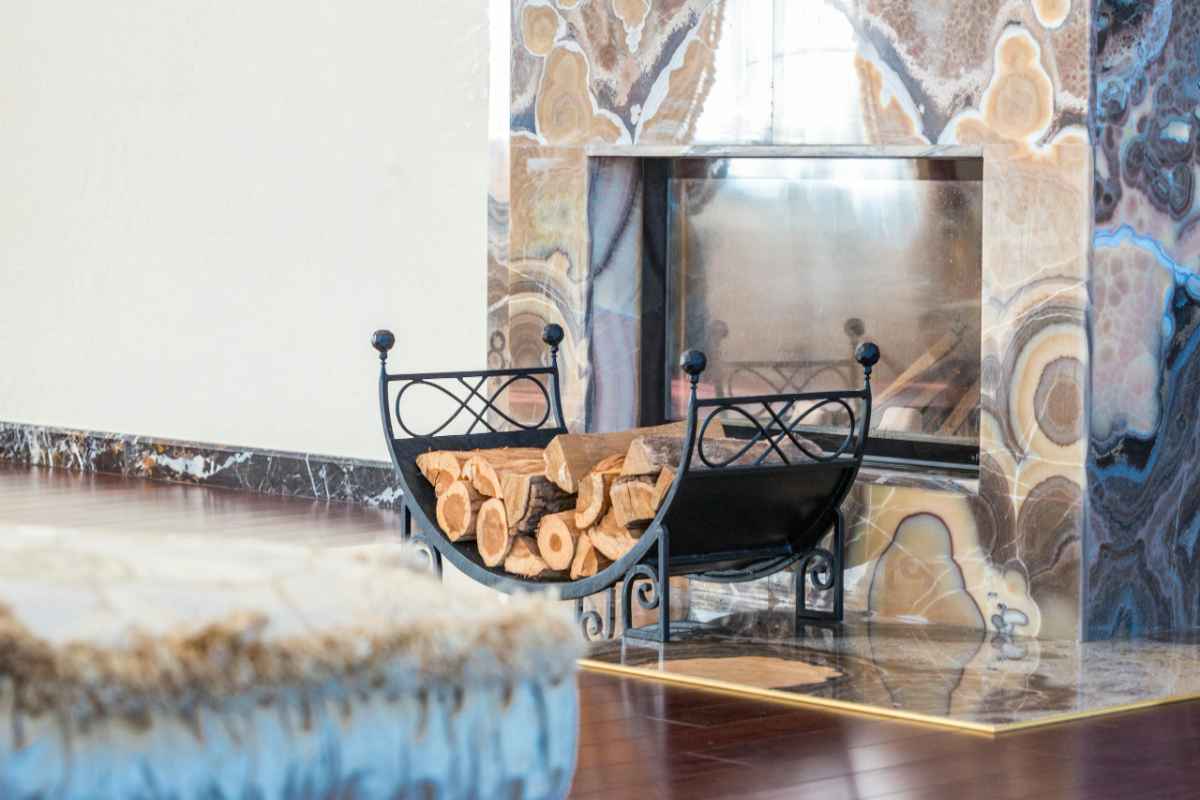
Luxury in a home is not a price point. It is a quality of presence.
A room that feels luxurious has visual coherence: every element belongs, nothing competes, and the eye moves through the space without friction. It has material quality in the places you actually touch: upholstery, hardware, textiles, flooring. And it has restraint. The rooms that photograph beautifully and feel genuinely peaceful share one trait: they contain fewer things than the person decorating them wanted to include.
That last point is the one most people resist. Editing is the skill that separates a styled room from a collected one.
Looking for ideas on how to bring this balance to life? Our guide to coffee table styling covers the exact principles, trays, books, and organic elements, that make a surface look intentional rather than decorated.
→ Shop it: linen throw pillow covers
Flooring: The Luxury Home Decor Decision That Changes Every Room
Flooring is the single highest-impact luxury home decor decision in any interior. It sets the tone for everything above it, and unlike paint or textiles, it is expensive and disruptive to change.
The two questions that matter before choosing flooring: what is the light situation in the room, and what materials are already fixed (countertops, cabinetry, existing stone). Everything else (color, finish, width) should respond to those two anchors.
→ Shop it: neutral area rug
The Italian Design Influence: Furniture and Kitchen Brands Worth Knowing
Italian design has a different logic than French country. Where French country is warm and accumulated, Italian design is precise and intentional: clean lines, exceptional material quality, and a restraint that reads as confidence rather than austerity.
Kitchen: Where Quality Hardware Pays for Itself
The kitchen is the room where tactile quality matters most in any luxury home decor scheme. You touch the hardware every day. You use the faucet dozens of times. These are not decorative choices, they are functional ones, and the quality difference between a $400 faucet and a $40 one is felt every single time.
→ Shop it: quality kitchen faucet
Cashmere in the Home: Color, Fabric, and What It Actually Means
Cashmere has become one of the most misused words in luxury home decor. It describes a paint color, a fabric finish, a sofa grade, and an aesthetic concept, often in the same conversation.
Getting clarity on what cashmere actually means in each context changes how you shop and what you buy.
→ Shop it: cashmere throw blanket
Quiet Luxury at Home: The Aesthetic and How to Build It
Quiet luxury is the design movement that gave permission to strip interiors back to what matters. The aesthetic prioritizes quality over quantity, neutral palettes over statement colors, and investment pieces over trend-driven purchases.
It is not minimalism. Minimalism is a philosophical stance. Quiet luxury is a practical one, the idea that a room furnished with fewer, better things will always feel more considered than one furnished with many average things.
The principles that define it translate across every budget: Natural materials over synthetic. Texture over pattern. Editing over adding. Investment in what you touch most. Applied consistently, these principles are what elevate any luxury home decor scheme from aspirational to actually achieved.
Applying quiet luxury to your luxury home decor starts with the concept of edited restraint. Every piece in a room should belong there intentionally, not because it filled a gap or because it was convenient. This is why quiet luxury spaces often feel expensive without a single designer label in sight: the curation itself signals confidence and taste. When you remove everything that does not actively contribute to the room, what remains tends to have genuine quality. That quality is visible in the grain of the wood, the weight of the linen, and the way light moves across a plastered wall.
The most common mistake people make with luxury home decor is confusing newness with quality. A freshly renovated kitchen with builder-grade hardware does not feel luxurious no matter how clean it is. The patina on a well-made brass fixture, the texture of a handwoven rug, the depth of a painted wall done in multiple layers: these are the details that communicate permanence and intention. Luxury home decor that ages well tends to be made from natural materials that develop character over time rather than simply wearing out.
Lighting is one of the most underestimated elements in luxury home decor. Most homes rely exclusively on overhead lighting, which flattens a room and removes all sense of atmosphere. Layered lighting, combining a statement ceiling fixture with task lamps, directional spots, and ambient floor lamps, creates the kind of depth you notice immediately when you walk into a well-designed space. The quality of the light source matters too. Warm bulbs with a high color rendering index make every material look more expensive, from the textile on your sofa to the finish on your cabinetry.
Scent is another dimension of luxury home decor that professional designers understand and most homeowners overlook. A home that smells of nothing in particular does not register as luxurious even if every material is exceptional. A consistent, subtle fragrance, whether from a high-quality candle, a room diffuser, or fresh flowers, creates an atmosphere that engages more than just the visual sense. The same principle applies to sound: a room with good acoustic absorption, achieved through textiles and soft furnishings, feels more intimate and considered than a hard, echoey space.
→ Shop it: luxury reed diffuser
Entryway and Coffee Table: The Rooms People Actually See
The entryway and the living room coffee table are the two spaces that do the most work in any luxury home decor scheme. Both are the first thing a visitor encounters, and both reveal more about a space than the rooms behind them.
The Luxury Infusion Home and Interiors section covers both in detail, not as abstract styling exercises but as practical guides to making specific luxury home decor decisions about specific products.
Whether you are shopping for a new sofa, updating your window treatments, or simply reconsidering what is on your coffee table, every decision is an opportunity to create more intentional luxury home decor. The goal is not to spend more but to spend thoughtfully on the things that change how your home feels to live in.
Frequently Asked Questions
What is the difference between quiet luxury and minimalism?
Quiet luxury is an aesthetic approach to furnishing and styling a home with an emphasis on quality materials, a neutral palette, and restrained curation. Minimalism is a design philosophy that goes further, removing everything non-essential, including comfort and warmth. Quiet luxury allows for layering and warmth; it simply demands that everything present earns its place.
Is French country the same as farmhouse style?
They share some visual overlap but come from different traditions. French country draws from the Provençal countryside: stone floors, aged oak, linen, ironwork, muted warm tones. American farmhouse style tends to be more rustic and casual, with more painted wood, shiplap, and a warmer, less refined palette. French country reads more polished and collected; farmhouse reads more relaxed and unpretentious.
What flooring works best under a French country aesthetic?
Wide-plank hardwood in a natural or lightly oiled finish, terracotta tile, and limestone are the three most authentic choices. Limestone reads the most elevated and is the most demanding to maintain. Wide-plank oak is the most practical and the most versatile. Both and cover the tradeoffs in detail.
How do I make a rental or smaller home feel more luxurious?
Focus on what you can change rather than what is fixed. Swap hardware in the kitchen and bathrooms, as cabinet pulls and faucets make a significant difference. Invest in quality bedding and window treatments, which have a disproportionate visual impact. Edit aggressively, removing anything that does not belong. And use lamps rather than overhead lighting, which immediately makes any space feel more considered.
What is cashmere as a color?
Cashmere as a paint color refers to a warm off-white with slight beige or greige undertones, softer than bright white and warmer than cool gray. It reads differently depending on the light in your space. covers how it performs in north-facing versus south-facing rooms and which paint brands produce the most authentic version of the shade.
What is the best way to start improving luxury home decor on a budget?
The most impactful starting point is hardware. Cabinet pulls, door handles, and faucets are relatively inexpensive to swap and have an outsized effect on how the entire room reads. After hardware, focus on lighting: a single well-chosen lamp transforms a room more than any amount of cushion switching. These are the two luxury home decor upgrades that require the least financial commitment and deliver the most noticeable return.
How do you make a rental home feel luxurious without permanent changes?
In a rental, focus entirely on what you can take with you: linen bedding, a quality rug that anchors the room, layered lighting using floor lamps rather than overhead fixtures, and window treatments on a tension rod. These four elements create the atmosphere of luxury home decor without touching a single fixed surface. A large mirror, leaned against a wall rather than hung, also transforms scale and light in smaller spaces.
Continue Exploring Luxury
Everything you need for wine, food and entertaining, in one place.
📖 Get the Free Luxe Living Starter Guide