Do Lip Fillers Hurt: What to Expect and Tips for Comfort
This post contains affiliate links. If you click through and make a purchase, I may earn a small commission at no extra cost to you. I only recommend products and services I personally use and trust.
Do lip fillers hurt? This is the top question for anyone considering lip enhancement treatment.
Considering lip fillers but worried about the pain?
Lip filler injections can cause mild discomfort, but experienced practitioners make the process as smooth as possible.
They use a fine needle and often apply a topical numbing cream or local anesthetic to the injection site to minimize any pain.
Most people feel a slight pinch, followed by a cold sensation from an ice pack, which helps reduce swelling.
For most, the level of discomfort is manageable, making the procedure a popular choice for those seeking fuller lips.
It’s a quick treatment, with immediate results, allowing you to enjoy a plumper appearance right away.
You may experience minor swelling or mild pain, but these common side effects are temporary.
Always consult with a healthcare provider to discuss your medical history, pain tolerance, and the best treatment plan to ensure a positive experience.
Your journey to fuller lips can be smooth and rewarding with the right approach and care.

Understanding Lip Fillers
When asking do lip fillers hurt, this factor plays a key role.
Lip fillers are popular for those wanting fuller lips. Knowing what lip fillers are and the types available will help you make a choice that suits your needs best.
What Are Lip Fillers?
Lip fillers are injectable treatments used to enhance the appearance of your lips. They can make your lips look fuller and more defined.
Hyaluronic acid is a common ingredient in many lip fillers. It is a natural substance found in your body, which makes it less likely to cause an allergic reaction.
The lip filler process involves a health professional injecting a fine needle into your lips. A local anaesthetic cream or a numbing agent might be used to minimize discomfort. Some people describe it as a slight pinch or a mild discomfort.
Common side effects can include minor swelling and bruising, but these usually fade quickly.
Types of Lip Fillers
There are different types of lip fillers, each with unique qualities.
Restylane and Juvederm are two popular brands of hyaluronic acid fillers. These fillers offer immediate results and are adjustable based on the desired volume of your lips.
Some fillers are made from collagen, but these are less common now because hyaluronic acid fillers tend to last longer and are easier to work with.
Choosing the right filler depends on your goals, and your healthcare provider can help you decide the best option.
Consider your pain tolerance and the desired shape of your lips.
The entire process will vary depending on the type of filler and your individual needs.
Always consult with experienced practitioners to ensure the best results and minimal discomfort.
The Procedure Explained
When asking do lip fillers hurt, this factor plays a key role.
Lip filler treatment involves several steps to ensure safety and effectiveness. From the initial consultation to recovery, each stage is critical for achieving the desired results.
Consultation
During your consultation, your healthcare provider will discuss your goals and assess your lips.
They’ll ask about your medical history, including any allergies or past reactions to cosmetic treatments.
This helps in selecting the right type of filler, usually hyaluronic acid fillers, which are popular and safe.
Your provider will explain the entire process. They might also talk about possible side effects such as minor swelling or bruising.
It’s essential to ask any questions you have to feel comfortable and informed before your lip filler appointment.
Preparation
Before the treatment, you might need to avoid blood thinners and alcohol to reduce the risk of bruising.
An ice pack can also help minimize swelling.
At the start of the lip filler procedure, your healthcare provider will apply a topical numbing cream or local anesthetic to the treatment area.
This step is crucial to ensure you feel minimal discomfort during the injection process.
The numbing agent works quickly, allowing you to proceed with minimal pain.
During the Treatment
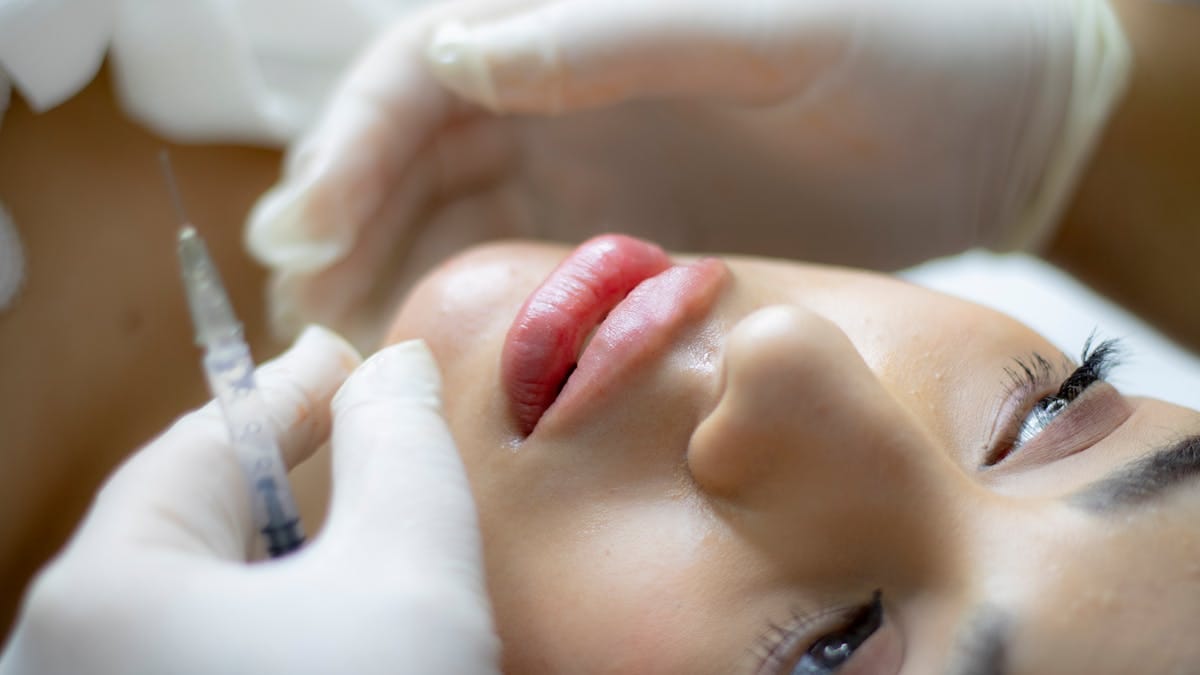
During the procedure, the provider injects the filler into your lips using a fine needle.
You may feel a slight pinch or cold sensation, but the numbing cream should keep discomfort to a minimum.
The provider will carefully inject the filler to shape your lips and achieve the desired fullness.
The entire process usually takes about 30 minutes. The amount of filler used depends on your goals and the provider’s recommendation for a natural look.
Aftercare and Recovery
After the treatment, you’ll receive aftercare instructions to follow.
This may include avoiding strenuous exercise and applying an ice pack to reduce swelling. Using lip balm can also help keep your lips hydrated.
Most people experience minor side effects like swelling or bruising, but these usually subside within a few days.
Avoid touching the injection site and follow your provider’s advice to ensure the best results and a smooth recovery process.
A follow-up appointment may be scheduled to assess the outcome and address any concerns.
Does It Hurt?
Lip fillers can cause some pain, both during and after the procedure. How much it hurts varies from person to person, depending on their pain tolerance and the techniques used.
Pain Level During Injections
During the injection process, you might feel a slight pinch or sting as the needle enters the skin.
Many healthcare providers use a topical numbing cream before starting to minimize pain.
Some fillers also contain lidocaine, a local anesthetic, to help reduce discomfort during the procedure.
Despite these measures, some people still feel mild pain when the needle makes contact with the lips, especially in the more sensitive areas like the upper lip.
Managing Discomfort Post-Treatment
After the procedure, there may be some swelling, bruising, or minor discomfort in the treated area.
Applying a cold compress or an ice pack can help reduce these side effects. Over-the-counter pain relievers may also be used if needed.
Avoiding strenuous exercise and not touching the injection site can prevent further irritation.
Some people experience mild discomfort for a few days, while others might have more noticeable pain, depending on the amount of filler used and individual sensitivity.
Potential Risks and How to Minimize Them
When considering lip fillers, you should be aware of common side effects and more serious complications to make an informed decision. By taking some precautions, you can reduce the risks and have a positive experience.
Common Side Effects
After your lip filler procedure, you may notice swelling, redness, or bruising around the injection site. This is normal and usually improves within a few days.
You might also feel slight discomfort or tenderness, similar to a mild pinch during the injection process.
Applying an ice pack and using a topical numbing cream before treatment can reduce these sensations.
To minimize common side effects, avoid strenuous exercise and heat exposure immediately after treatment.
Stick to your usual daily routine but steer clear of blood thinners like aspirin, which can increase bruising.
Using lip balm can help keep the treated area moist and comfortable.
Always consult with an experienced healthcare provider who uses a fine needle and the proper injection technique.
More Serious Complications
Though rare, more serious complications can occur.
Allergic reactions to fillers can cause swelling, redness, or itching.
Infections might develop if the injection site is not kept clean.
Severe complications like vascular occlusion, where blood flow is blocked, can lead to tissue damage or even necrosis (tissue death).
Look out for severe pain, lumps, or changes in the color of your lips.
To minimize these risks, ensure that your health professional is certified and experienced.
They should review your medical history and use hyaluronidase to dissolve the filler if needed.
Avoiding exercise and touching the treatment area too much can also help.
If you notice any unusual symptoms, contact your provider immediately.
Ensuring the Best Results
The journey to fuller, more defined lips can be smooth if you take a few important steps. Here’s how you can ensure the best experience and outcome from your lip filler treatment.
Choosing the Right Professional
The first step to great results is finding a skilled professional.
Choose a board-certified plastic surgeon or dermatologist with lots of experience in lip fillers.
They should understand your aesthetic goals and adapt their methods to fit your natural features.
Look at their portfolio of past patients. Check reviews and ask for recommendations.
A good provider won’t rush the process and will use a variety of techniques to help you achieve the desired volume and shape.
Post-Treatment Best Practices
After your lip filler treatment, follow your healthcare provider’s advice.
Use an ice pack on the treated area to reduce swelling and mild discomfort.
Refrain from strenuous exercise for at least 24 to 48 hours.
Avoid touching or applying pressure to your lips.
Use lip balm for hydration and stick to a gentle skincare routine.
Keep the treated area clean to prevent infections.
If you experience minor side effects like slight redness or bruising, they usually fade in a few days.
When to See Results
You can expect to see immediate results after your lip filler injection.
However, the full effects, including reduced swelling and more defined lips, appear after about two weeks.
The amount of filler used can affect how soon you notice changes. Results may vary based on the type of filler and your body’s reaction.
If you have any concerns about the final results or prolonged discomfort, consult your practitioner.
Frequently Asked Questions
The pain involved in lip fillers can vary depending on the individual and preparation methods. Here are key insights into what you can expect from the procedure.
What can I expect during the lip filler procedure in terms of discomfort?
You might feel a slight pinch or mild discomfort at the injection site.
Many people compare it to getting a small injection. The healthcare provider might use a fine needle for the injection process.
Is there a difference in pain between lip fillers and other injectable treatments like Botox?
Lip fillers usually cause more discomfort than Botox.
This is because the lips have more blood vessels and are a more sensitive area. Botox injections typically don’t result in much pain compared to lip filler injections.
Can using numbing cream help reduce the pain when getting lip fillers?
Yes, topical numbing cream can be applied to the treatment area, reducing the level of pain.
Some providers also use a local anesthetic to make the lip filler procedure more comfortable. Talk to your healthcare provider about this option.
How should I prepare for my first lip filler appointment to minimize discomfort?
Avoid blood thinners and alcohol before the procedure to reduce bruising.
You can also apply ice packs to the treated area after the procedure.
Make sure to discuss any concerns with your healthcare provider beforehand.
After getting lip fillers, how long is the recovery period before my lips feel normal again?
Minor swelling and mild pain are common side effects and usually subside within a few days.
Most people find their lips feel normal and see the final results within a week. Avoid strenuous exercise during the initial recovery period.
Does the experience of lip filler pain vary significantly from person to person?
Yes, your pain tolerance and the type of dermal filler used can affect your level of discomfort.
Some people report minimal discomfort, while others might experience more.
Discuss your pain concerns with your healthcare provider to ensure the best results for your individual needs.
Considering other injectable treatments beyond lip fillers? Read our comprehensive comparison of Dysport vs Botox to understand the most popular neuromodulators. You can also explore our complete guide to fillers and Botox for everything you need to know before your first appointment.
After your lip filler appointment, you’ll likely have follow-up questions. Our guide explains how long lip fillers take to settle with an expert timeline of the healing process. If you’re a smoker, make sure to read about how long after lip fillers you can smoke to protect your results.
Continue Exploring Luxury
Everything you need to elevate your everyday life — in one place.
📖 Get the Free Luxe Living Starter Guide