|

How Many Units of Botox Do I Need: A Quick Guide

This post contains affiliate links. If you click through and make a purchase, I may earn a small commission at no extra cost to you. I only recommend products and services I personally use and trust.

Wondering how many units of Botox you need for your desired look? The number of units depends on the specific area of your face and your muscle strength.

For instance, treating crow’s feet usually requires 6-12 units per side, while frown lines might need 20 units.

Botox injections are a safe and effective treatment to achieve a more youthful appearance.

For forehead wrinkles, the usual range is 10-30 units, depending on the severity of the lines. It’s essential to consult with a qualified practitioner to determine the right amount of Botox for you.

Each person’s facial anatomy and skin condition are unique, so the number of Botox units required can vary. A professional consultation will help you get the best results tailored to your individual needs and treatment goals.

Understanding Botox and Units
Botulinum toxin is a key cosmetic treatment used to reduce wrinkles and achieve desired results. To understand how many units of Botox you need, it’s important to know what Botox is and how it’s measured.

What Is Botox?

Botox is a medication made from botulinum toxin, a substance produced by the bacterium Clostridium botulinum. It’s used to smooth out facial wrinkles and fine lines.

Botox injections are popular for treating areas like the forehead, crow’s feet, and frown lines.

The treatment works by temporarily paralyzing specific muscles, leading to reduced muscle movement and softer expressions. This results in smoother skin and fewer visible signs of aging.

Measuring Units of Botox

The number of Botox units you need depends on several factors, including the strength of your facial muscles and the severity of your wrinkles.

For example, treating forehead wrinkles often requires around 10-30 units, while crow’s feet might need about 6-24 units.

Different areas of the face need different amounts. Here’s a table showing common areas and typical Botox units:

AreaAverage Units
Forehead lines10-30
Crow’s feet6-24
Frown lines15-20
Bunny lines5-10
Vertical neck bands25-50

A professional consultation with a skilled injector is the best way to determine the right amount of Botox for you. Your aesthetic goals, muscle strength, and skin condition will guide the treatment plan for optimal results.

Determining Your Needs

When deciding how many units of Botox you need, several key factors affect the dosage.

Factors Influencing Botox Dosage

The right amount of Botox depends on various factors. The severity of your wrinkles, the area being treated, and your facial muscle strength all play a role.

For example, deeper wrinkles may require more units than fine lines.

Gender can also influence dosage. Men often need more units due to having stronger facial muscles.

Additionally, areas like crow’s feet, frown lines, and forehead wrinkles have different dosage requirements. Always discuss with a qualified practitioner to create a tailored treatment plan.

The Impact of Facial Anatomy

Your facial anatomy is unique, and this affects how Botox works for you. The number of units needed for effective treatment varies by the shape and strength of your facial muscles.

For instance, glabellar lines (vertical lines between the eyebrows) may need a different approach compared to horizontal forehead lines.

Different areas such as the corners of your eyes or bunny lines on your nose require specific considerations.

A skilled injector will consider your muscle movement, injection sites, and face muscles to ensure the best results.

Proper assessment ensures optimal results and fewer side effects.

Age and Muscle Strength Considerations

Your age and the strength of your facial muscles are crucial in determining the Botox dosage.

Younger patients with milder wrinkles may need fewer units, while older individuals or those with stronger, more repetitive muscle movements might require more.

The same applies to muscle strength. Thicker muscles like jaw muscles or platysmal bands (muscles in the neck) may need more Botox than thinner muscles.

Discussing your treatment goals and desired outcome with your practitioner will help you achieve the most natural-looking results.

Frequency of treatments can also play a role. Regular treatments might help maintain the results with fewer units over time.

It’s best to have a professional consultation to determine the specifics that match your needs.

Common Treatment Areas

Different facial areas have specific needs for Botox. The amount of Botox required depends on the muscle strength and desired results.

Forehead and Frown Lines

Botox helps with reducing forehead wrinkles and frown lines. You will likely get between 10 to 30 units for forehead muscles and glabellar lines.

A skilled injector will know the best places to inject. This area is common because these lines appear from muscle movement over time.

Forehead lines can make you look older, so treating them can give a more youthful appearance.

Eyes and Crow’s Feet

Crow’s feet are the fine lines at the corners of your eyes. Treating these may need around 5 to 15 units on each side.

These lines form from smiling and squinting. Botox can effectively smoothen these areas.

Your injector will focus on the areas around your eyes. This treatment helps to soften the appearance of wrinkles and make your eyes look more refreshed.

Mouth and Chin Enhancement

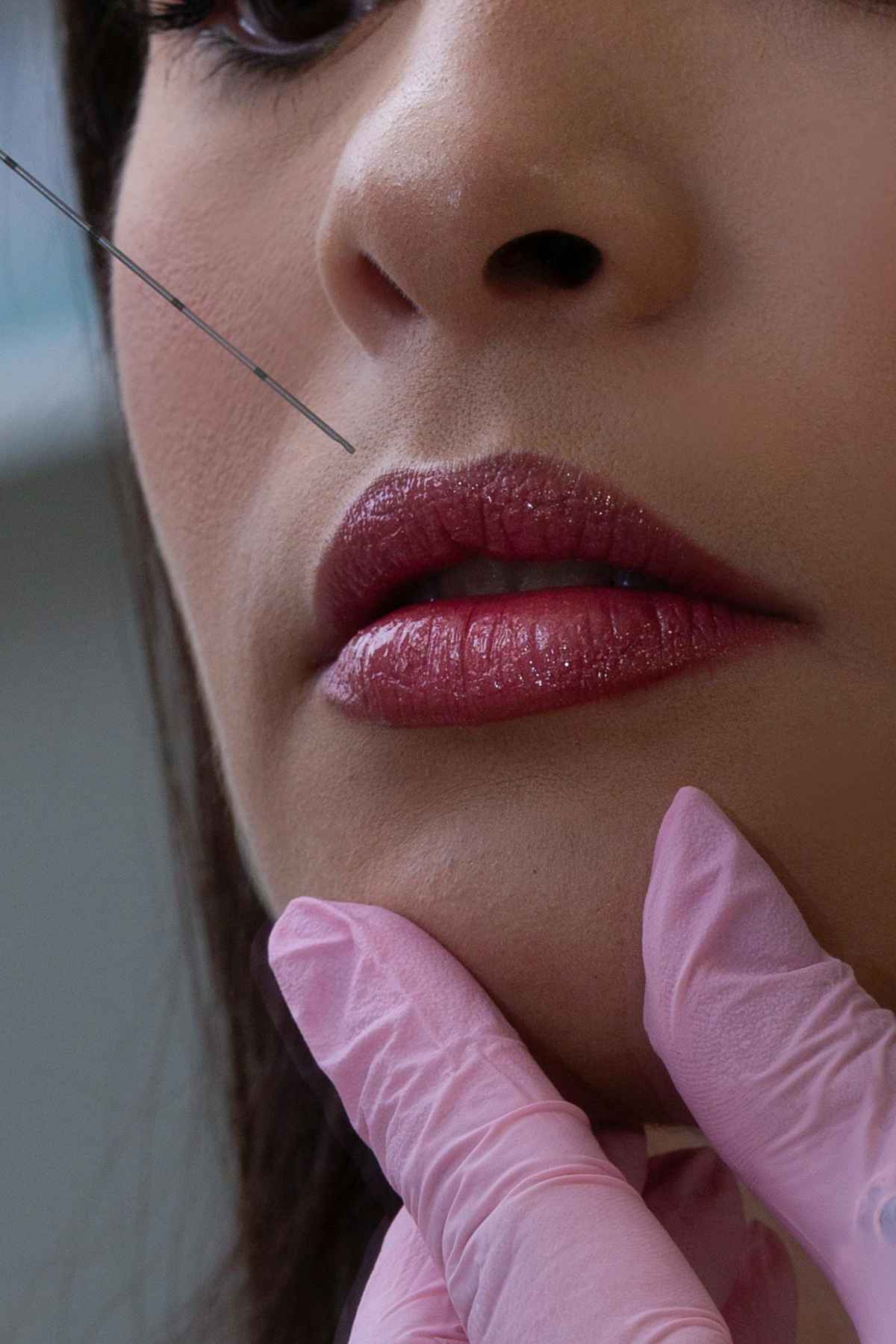
Botox is also used around the mouth and chin. For example, treating the corners of the mouth to lift a slight downturn may require a small dose.

Chin enhancement often addresses dimpling, which may need about 2 to 6 units.

These areas are treated to improve facial harmony. The Botox reduces muscle activity, leading to a smoother appearance.

Neck and Other Areas

Botox for the neck focuses on platysmal bands, which are the vertical lines that can appear with age. Treating these bands might require 25 to 50 units.

Other areas like the jaw muscles, especially for Botox masseter reduction, might need around 20 to 30 units on each side.

This can help with a slimmer jawline. Treating the neck and similar areas can provide a more youthful and refined look.

The Consultation Process

Before you get Botox injections, it’s crucial to have a professional consultation. This ensures you get a tailored treatment that fits your needs safely and effectively.

Discussing Aesthetic Goals

During the consultation, you and your plastic surgeon will discuss your aesthetic goals.

It’s important to share what areas of your face you want to treat, such as crow’s feet or frown lines. You can talk about the specific number of units needed to achieve your desired results.

The surgeon will take into account the strength of your facial muscles and the severity of your wrinkles.

They may also ask about past cosmetic treatments like dermal fillers to understand your skin condition better.

Sharing your goals helps in setting realistic expectations for the final outcome.

Creating a Tailored Treatment Plan

Next, your surgeon will create a treatment plan based on your individual needs.

This includes deciding the right dosage and the specific injection sites required for optimal results. Factors like your muscle movement and the treatment area will be considered.

Your tailored plan will aim for the best results with minimal side effects.

The surgeon’s experience with different facial anatomies ensures the botulinum toxin is used effectively.

With a customized plan, you can address signs of aging such as horizontal forehead lines, glabellar lines, and bunny lines.

A personalized treatment ensures that the Botox dosage is just enough to reduce wrinkles smoothly without affecting natural expressions, giving you a more youthful appearance.

Safety and Side Effects

Botox is generally safe when administered by a licensed and experienced injector. Though side effects are possible, they are usually minor and temporary.

What to Expect with Botox Injections

Botox injections are common for treating facial wrinkles, like crow’s feet and frown lines.

During the procedure, small doses are injected into specific areas of your face. This process usually takes about 10 to 15 minutes.

You might experience bruising or swelling at the injection sites. These effects are generally mild and fade within a few days.

Botox cosmetic is considered safe for most people, but it’s important to discuss any medical conditions with your provider. They can help determine the best treatment plan for your individual needs.

Addressing Concerns and Risks

Even though Botox is effective, it’s not without risks.

Some people may experience headaches, pain, or flu-like symptoms after treatment. Serious side effects are rare but can include muscle weakness or trouble swallowing.

Using a qualified practitioner greatly reduces these risks. Make sure your injector is skilled and trained in facial anatomy.

It is also a good idea to have a professional consultation before your first time. This will help you understand the procedure, set realistic expectations, and ensure you’re a good candidate for Botox.

Frequently Asked Questions

Botox can help reduce the appearance of wrinkles in specific areas of your face. Here, we answer some common questions about the number of Botox units needed for different treatments.

What is the typical number of Botox units required for the first-time forehead treatment?

For first-time treatments, you usually need around 10-20 units of Botox. This helps relax the forehead muscles and reduce the appearance of horizontal lines and wrinkles.

Can you see significant changes with 40 units of Botox?

Yes, 40 units can provide noticeable improvements in different areas. It can treat multiple injection sites like frown lines, crow’s feet, and forehead wrinkles for desired results.

How long can I expect the effects of Botox to last?

The effects of Botox usually last around 3-4 months. Factors like muscle strength, metabolism, and the severity of your wrinkles can influence how long it lasts.

What is the recommended amount of Botox for treating smile lines?

For smile lines, also known as laugh lines, around 5-10 units per side are typically recommended. The right amount may vary based on individual needs and the muscle movement around the mouth.

What’s the usual Botox dosage for a 30-year-old?

A 30-year-old may need fewer units of Botox compared to older individuals. Typically, 15-25 units may be sufficient for addressing minor wrinkles and expression lines.

How much Botox is typically contained in one syringe?

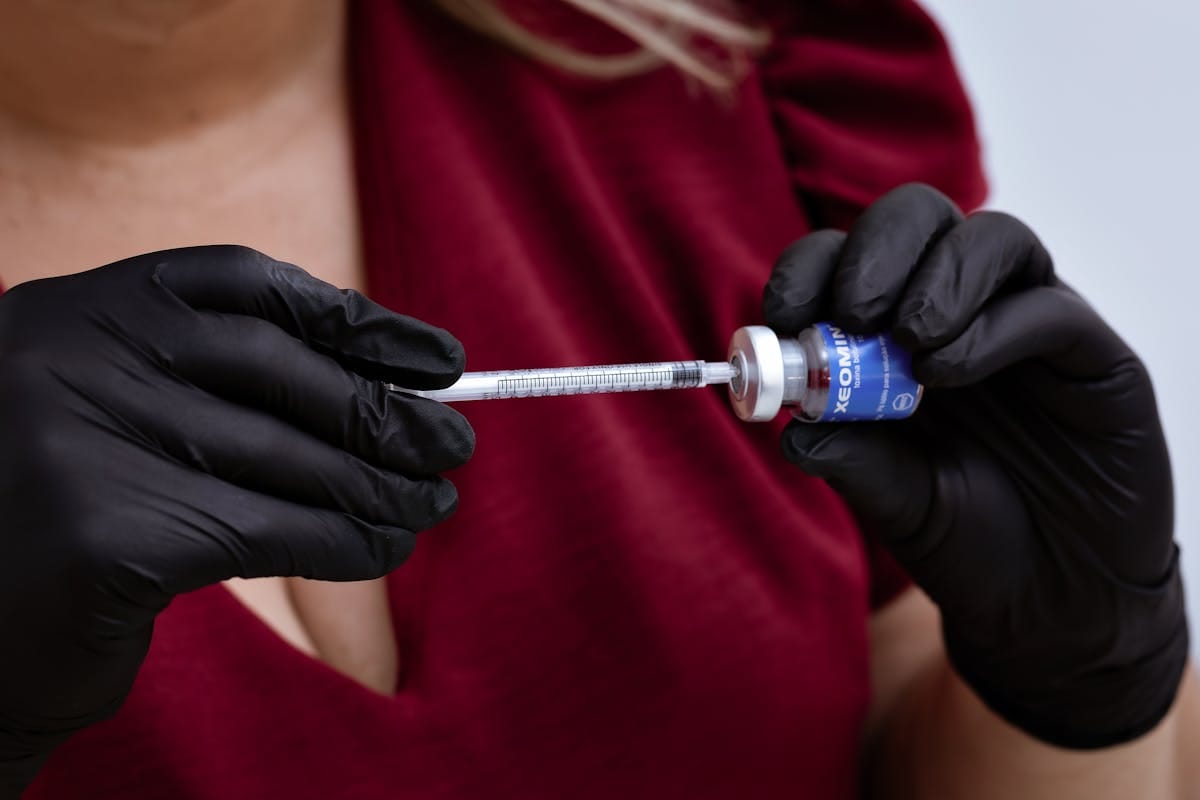
One syringe of Botox generally contains 50 units. This amount can be divided to treat different areas of the face. The division depends on your treatment goals and the specific areas being addressed.

Similar Posts

Leave a Reply

Your email address will not be published. Required fields are marked *