Sauvignon Blanc: Complete Guide to Crisp, Aromatic White Wine
This post contains affiliate links. If you click through and make a purchase, I may earn a small commission at no extra cost to you. As an Amazon Associate I earn from qualifying purchases.
If you are searching for a white wine that is crisp, refreshing, and food-friendly across a wide range of cuisines, sauvignon blanc is the answer. This aromatic white grape variety produces wines that range from the grassy, citrus-driven styles of New Zealand’s Marlborough to the mineral, flinty expressions of France’s Loire Valley. It is one of the most planted white grapes in the world and one of the easiest wines to love from your very first sip. If you are following a starting guide to wine, sauvignon blanc is consistently at the top of the list for good reason.
In this complete guide, you will learn everything about sauvignon blanc: its origin, taste profile, how it varies by region, the best food pairings, how to serve and store it, and which bottles to look for at the wine shop. Whether you are new to wine or deepening your existing knowledge, this guide covers every essential detail.
Sauvignon Blanc is a crisp, aromatic white wine known for high acidity and herbaceous, citrus, tropical fruit notes. Best regions: Loire Valley (France), Marlborough (New Zealand), Napa Valley (USA), Friuli (Italy). ABV 12-14%, best served at 45-50 degrees F. Drink young within 1-3 years of vintage for most styles.
What Is Sauvignon Blanc?
Sauvignon blanc is a white grape variety that originated in the Bordeaux and Loire Valley regions of France. The name likely derives from the French words “sauvage” (wild) and “blanc” (white), a nod to the grape’s naturally vigorous growth habit in the vineyard. Over the past 50 years, sauvignon blanc has become one of the most widely planted and instantly recognizable white wine varieties in the world.
The grape is particularly expressive, meaning it translates terroir and climate into flavor with unusual clarity. A sauvignon blanc from cool-climate Sancerre tastes completely different from one grown in the warmer Napa Valley, even though both are made from the same grape. This makes sauvignon blanc one of the most fascinating varieties to explore as you build your wine knowledge.
Sauvignon blanc is produced as a dry white wine in the vast majority of cases. It is also blended with Semillon in white Bordeaux and Sauternes (the famous sweet wine from France). In California, some producers age sauvignon blanc in oak and call it “Fume Blanc,” a style popularized by Robert Mondavi in the 1970s. For a broader look at how sauvignon blanc fits into the full landscape of wine, the complete wine library offers essential context on white wine styles and how they differ.
Sauvignon Blanc Taste Profile
Sauvignon blanc has one of the most distinctive and polarizing flavor profiles in the wine world. Once you know what to look for, it is nearly impossible to mistake for anything else:
Primary fruit flavors depend heavily on climate. In cooler climates, expect grapefruit, lime, lemon, and green apple. In warmer climates, riper tropical fruits dominate: passionfruit, guava, peach, and white nectarine. New Zealand’s Marlborough region is famous for its intensely tropical sauvignon blanc with notes of passionfruit and gooseberry.
Herbal and vegetal notes are sauvignon blanc’s signature characteristic. Fresh cut grass, green bell pepper, jalapeno, white asparagus, and fresh herbs (basil, tarragon, dill) appear regularly in the wines. These notes come from methoxypyrazines, a family of compounds found naturally in the grape skin. Wines from cooler vintages or less-ripe harvests tend to show more of these herbal characters.
Acidity is one of sauvignon blanc’s defining features. The grape has naturally high acid levels, which give the wine its refreshing, mouth-watering quality and make it exceptionally food-friendly. The acidity also helps the wine cut through rich, fatty foods and cleanse the palate between bites.
ABV typically ranges from 12% to 14%, landing in the standard range for dry white wines.
Oak influence is usually absent in sauvignon blanc. Most styles are unoaked or see minimal oak contact to preserve the variety’s bright, aromatic character. The exception is Pouilly-Fume from the Loire Valley, which occasionally sees light oak, and Fume Blanc styles from California, which may be more heavily oaked.
Shop the Post
Affiliate links. We may earn commission.
Crystal Red Wine Glasses, Set of 4
Four 15 oz hand blown crystal glasses.
View on Amazon →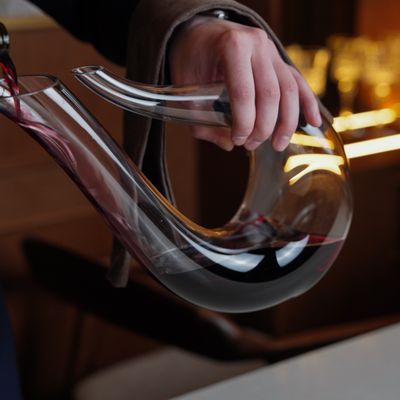
Le Chateau Crystal Wine Decanter
Hand blown lead free crystal, 750 ml capacity.
View on Amazon →
Vacu Vin Wine Saver Pump
Vacuum pump and stopper for resealing open bottles.
View on Amazon →
Ivation 12 Bottle Compressor Wine Fridge
Compressor wine cooler that holds 12 bottles.
View on Amazon →FAQ: Sauvignon Blanc
What does sauvignon blanc taste like?
Sauvignon blanc tastes crisp and refreshing, with high acidity and flavors that range from grapefruit, lime, and green apple in cooler climates to passionfruit, guava, and white peach in warmer ones. Herbal notes of fresh grass, bell pepper, and jalapeño are common, particularly in New Zealand and cooler European expressions. The wine is almost always dry and typically unoaked.
Is sauvignon blanc sweet or dry?
Sauvignon blanc is almost always made dry, meaning it contains very little residual sugar. The fruit aromas can make it seem sweet on the nose, but on the palate, the high acidity creates a bracing, dry finish. The exception is Sauternes, a famous sweet wine from Bordeaux that uses sauvignon blanc as a blending component.
How should I serve sauvignon blanc?
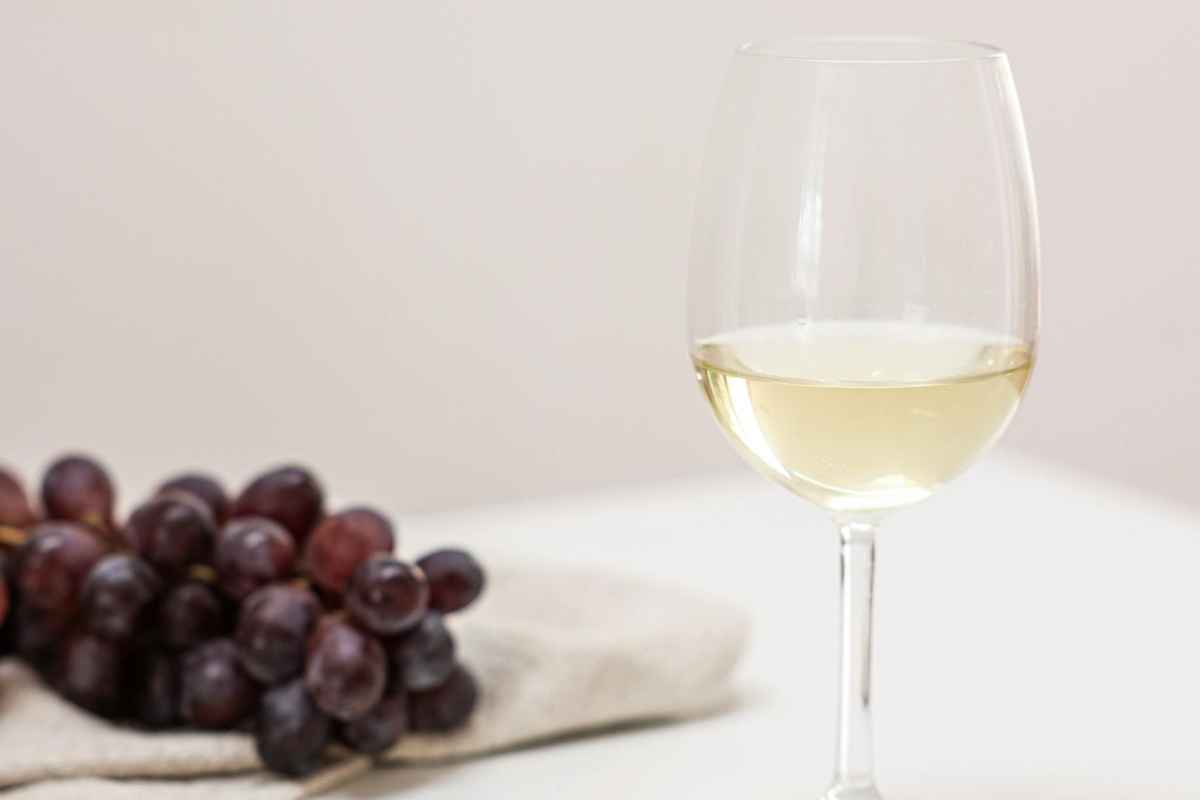
Serve sauvignon blanc well chilled, at 45-50 degrees F (7-10 degrees C). Use a standard white wine glass. Do not decant. Pour directly from the chilled bottle and consume within a few hours of opening for best results.
Does sauvignon blanc age well?
Most sauvignon blanc is best drunk young, within 1-3 years of the vintage date. The fresh aromatics and herbal character that define the style fade over time. However, top-tier examples from Sancerre and Pouilly-Fume in the Loire Valley can develop beautifully over 5-10 years, gaining complexity and mineral notes.
What is the difference between Sancerre and Marlborough sauvignon blanc?
Sancerre (Loire Valley, France) produces leaner, more mineral sauvignon blanc with citrus, chalk, and flint characteristics. Marlborough (New Zealand) produces more exuberant, aromatic wines with tropical fruit, gooseberry, and fresh grass. Both styles share high acidity and herbal notes, but they represent opposite ends of the stylistic spectrum for the variety.
Ready to explore more? The complete wine library has everything you need to continue your wine education, from red varietals to dessert wines. And if you are just getting started, our full starting guide to wine has the essential foundation every new wine lover needs.
Continue Exploring Luxury
Everything you need for wine, food and entertaining, in one place.
📖 Get the Free Luxe Living Starter Guide