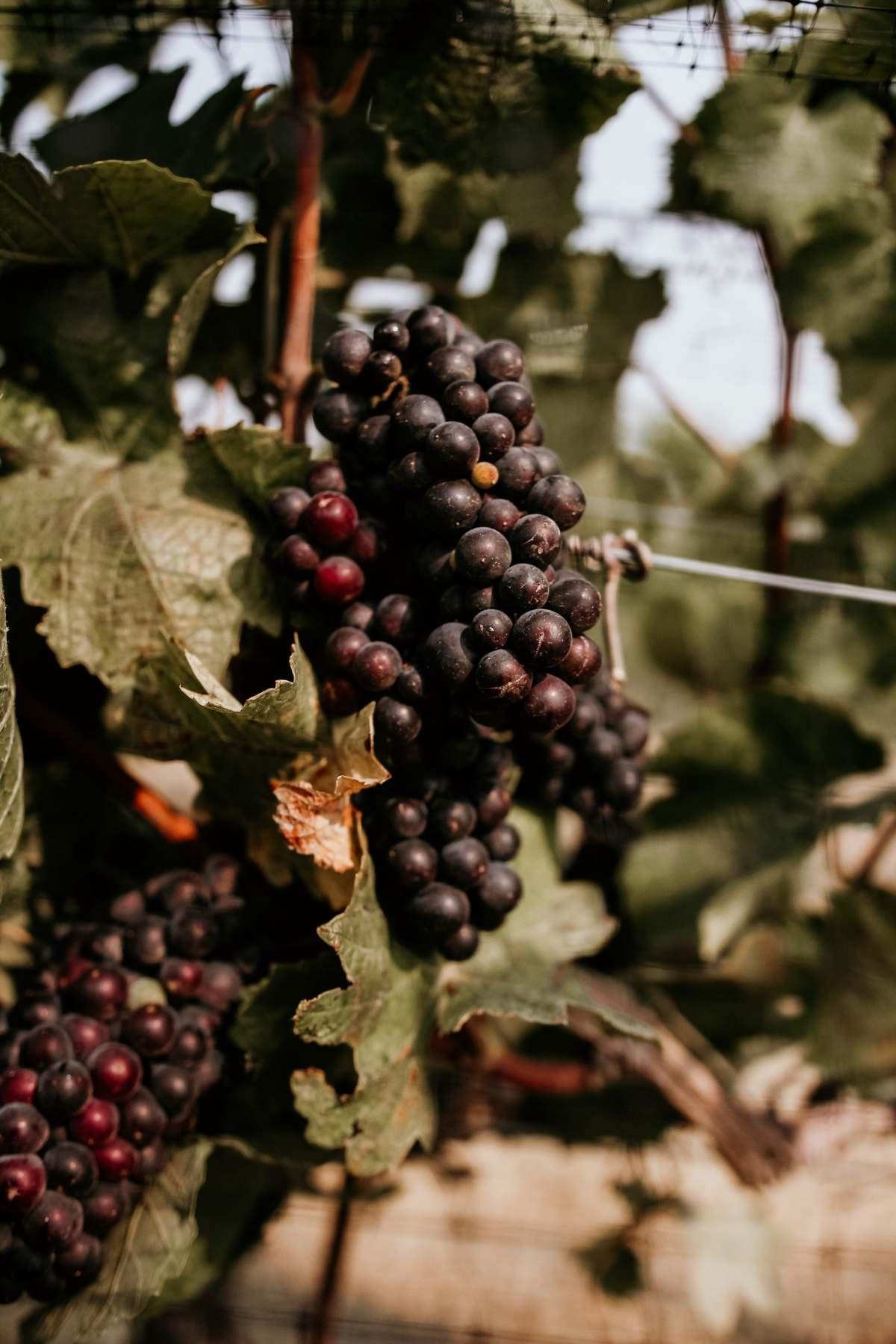
Apple Pie Wine Recipe: Spiced Homemade Apple Wine
This post contains affiliate links. If you click through and make a purchase, I may earn a small commission at no extra cost to you. As an Amazon Associate I earn from qualifying purchases.
An apple pie wine recipe is a spiced homemade apple wine: preservative free apple juice fermented with sugar and wine yeast, then flavored with cinnamon after the first fermentation so it tastes like apple pie in a glass. A 1 gallon batch needs about 1 pound of brown sugar, a few inexpensive winemaking additives and roughly 2 months before bottling. The recipe below is adapted from a tested apple wine recipe by Ashley Adamant at Practical Self Reliance, rated 4.39 from 60 reader votes when it was read on 15 November 2026.
In this guide
- What apple pie wine is
- Apple pie wine recipe card
- Choosing the juice
- Getting the apple pie flavor
- Sweetness, stabilizing and safety
- Serving and aging
- Apple pie wine FAQ
What apple pie wine is
Apple pie wine is a country wine, the term for wine made from fruit other than grapes. It differs from hard cider in that cider is usually just apple juice and yeast, while apple wine adds sugar, acid, tannin and nutrient so the result has more body and balance. Practical Self Reliance notes that brown sugar adds warm caramel notes and that its molasses produces apple pie esters during fermentation, which is where the apple pie character starts. Cinnamon added later finishes the effect.
If you are newer to wine styles in general, our guide to the types of wine explains where fruit and dessert styles sit, and this list of wines for beginners covers easy bottles to compare against.
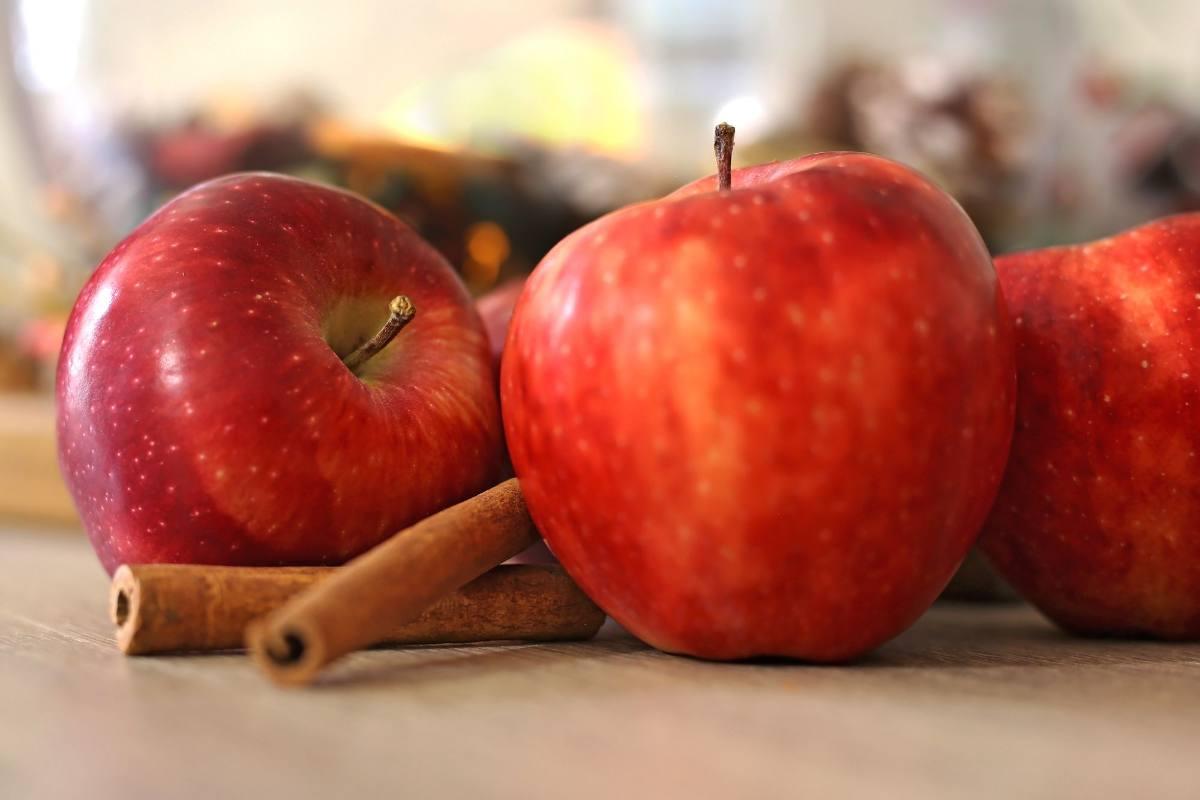
Apple pie wine recipe card
Apple Pie Wine (Spiced Homemade Apple Wine)
Yield: 1 gallon, about 4 standard bottles
Active prep: about 1 hour
Primary fermentation: 7 to 10 days
Secondary: at least 6 weeks, ideally 4 to 6 months
Bottle aging: at least 1 month
Equipment: two 1 gallon glass jugs or carboys, rubber bung and airlock, auto siphon, no rinse sanitizer, a small saucepan, wine bottles, corks and a corker (or flip top bottles for shorter storage).
Ingredients
- 1 gallon (about 3.8 liters) preservative free apple juice or fresh pressed cider
- 1 lb brown sugar, weighed (cane sugar also works)
- 1 tsp yeast nutrient
- 1 tsp acid blend
- 1/2 tsp pectic enzyme
- 1/4 tsp wine tannin
- Wine yeast such as Lalvin ICV-D47, about 1/5 to 1/2 of a packet
- 1 cinnamon stick, added at secondary
- Optional, a few whole cloves or a small piece of vanilla bean, added at secondary
- Optional for backsweetening: 1 Campden tablet, 1/2 tsp potassium sorbate, and simple syrup starting at 1/2 cup sugar per gallon
Instructions
- Sanitize every piece of equipment that will touch the juice or wine.
- Pour about 1 quart (4 cups) of juice out of the gallon. Keep 2 cups for dissolving the additives and 2 cups for topping up later. Pour the remaining juice into the fermenter.
- Warm the 2 cups of juice gently over low heat. Stir in the brown sugar, yeast nutrient, acid blend, pectic enzyme and wine tannin until dissolved. Do not boil. Let it cool to room temperature, then pour it into the fermenter.
- Rehydrate the yeast in about 1/4 cup of unchlorinated water for about 10 minutes, then add it to the fermenter.
- Top up with the reserved juice to the base of the neck, leaving 2 to 3 inches of headspace. Fit a bung and a water filled airlock.
- Leave it in a cool, dark place for 7 to 10 days of primary fermentation, until the bubbling slows and sediment settles.
- Siphon the wine into a clean, sanitized jug, leaving the sediment behind. Add the cinnamon stick and any other spices now, top up, and refit the airlock.
- Let it ferment in secondary for at least 6 weeks, ideally 4 to 6 months. Taste occasionally and remove the spices once the flavor is where you want it.
- When fermentation has fully stopped, stabilize and backsweeten if you want a sweeter wine (see the notes), then bottle and age for at least 1 month.
Adapted from Ashley Adamant’s Apple Wine recipe at Practical Self Reliance, which uses the same quantities and steps and suggests brown sugar and secondary spices for an apple pie style wine.
Choosing the juice
The juice decides whether the wine ferments at all. The most common reason a batch fails is a preservative on the label.
- Avoid any juice listing sodium benzoate, potassium sorbate or potassium benzoate. These stop the yeast.
- Pasteurized juice, and juice with added ascorbic acid (vitamin C), are safe to ferment.
- Fresh pressed, unpasteurized cider from an orchard gives the brightest aroma. If you use it, the source recipe suggests one crushed Campden tablet per gallon and a 24 hour wait before adding anything else.
- Apples are high in pectin, so the pectic enzyme in the recipe is what lets the finished wine clear to amber instead of staying cloudy.
Getting the apple pie flavor
Two choices make this taste like apple pie rather than plain apple wine.
- Brown sugar in place of white. Use it for some or all of the 1 pound of sugar for caramel notes.
- Spices in secondary, not primary. Add a cinnamon stick when you rack the wine off its sediment. A few cloves, a small piece of vanilla bean or a slice of fresh ginger can join it. Warm spices grow stronger over time and can turn bitter, so start with less than you think and taste every couple of weeks.
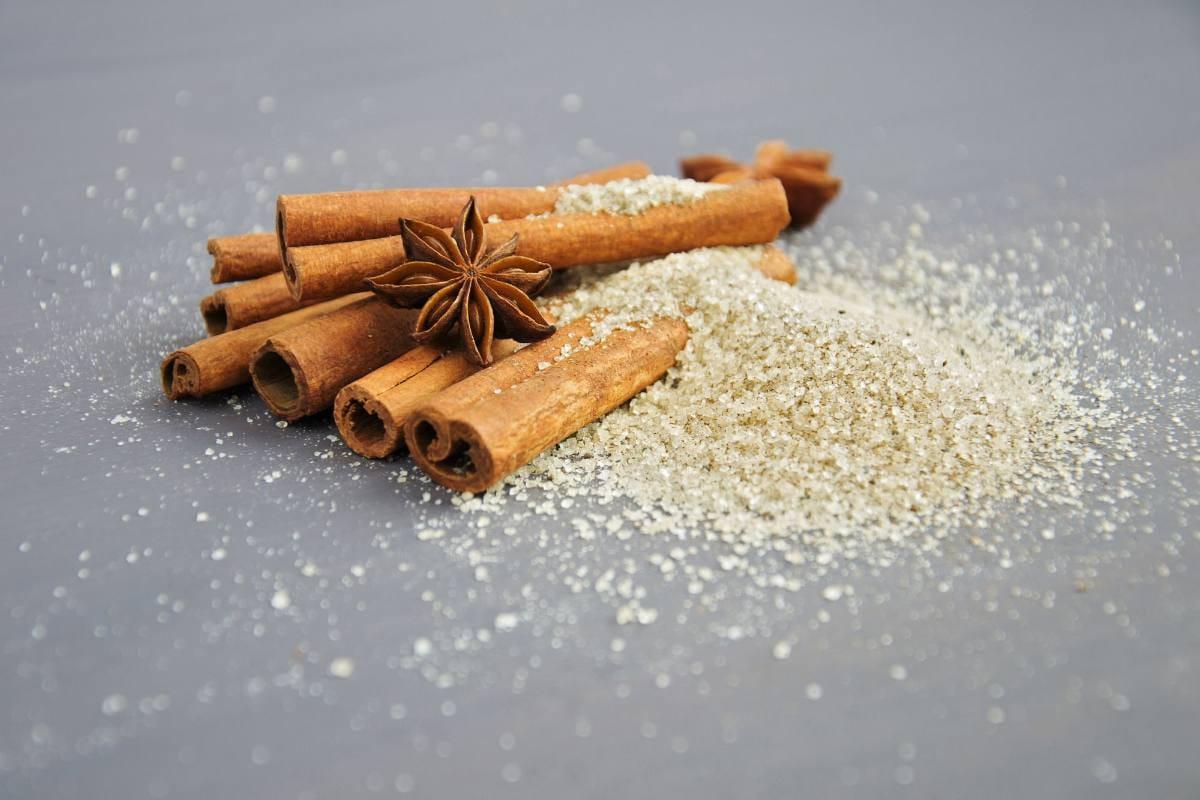
If you like spiced wine but want something ready tonight, our mulled wine recipe uses the same warm spices with a bottle of red.
Sweetness, stabilizing and safety
With D47 yeast and 1 pound of sugar, the source recipe describes the finished wine as semi sweet. For a drier wine use a champagne yeast. For a sweeter one, you can backsweeten, but only after stabilizing.
- Move the finished wine off its sediment into a clean jug.
- Add 1 crushed Campden tablet and 1/2 tsp potassium sorbate, then wait 24 to 48 hours, as the source recipe directs.
- Stir in simple syrup made from equal parts sugar and water, starting with about 1/2 cup of sugar per gallon, and adjust to taste.
- Rest the wine another week before bottling to confirm fermentation does not restart.
This step matters for safety. The source recipe warns that sugar added without stabilizing can restart fermentation in the bottle, and the pressure can make bottles burst. Sanitize everything before each step, use glass made for wine or brewing, and serve the finished wine to adults only.
Serving and aging
According to the source recipe, apple wine is drinkable about a month after bottling, noticeably smoother at 6 months and better still at a year. Store bottles in a cool, dark place, and keep a few back so you can taste how the batch changes.
Serve it lightly chilled with cheese, roast pork or an actual apple dessert. A homemade bottle with a handwritten label also makes a thoughtful addition to our list of gifts for wine lovers. If you prefer a bought dessert style wine for comparison, Moscato d’Asti is a lightly sweet place to start.
Apple pie wine FAQ
How long does apple pie wine take to make?
Plan on about 2 months before bottling: 7 to 10 days of primary fermentation and at least 6 weeks in secondary, followed by at least 1 month in the bottle. The source recipe notes that 6 months of aging gives a smoother wine and a year is better still.
Can I use store bought apple juice?
Yes, as long as the label lists no sodium benzoate, potassium sorbate or potassium benzoate, which stop the yeast. Pasteurized juice and juice with added vitamin C are fine to ferment.
When should I add the cinnamon?
Add cinnamon and other spices after primary fermentation, when you move the wine to secondary. Spices added earlier lose aroma with the fermentation gases, and warm spices can turn bitter, so start small and taste as you go.
What yeast is best for apple pie wine?
The source recipe recommends Lalvin ICV-D47 for fruity, floral notes, with Lalvin QA23 as a cleaner option. Champagne yeasts such as Lalvin EC-1118 ferment drier, so the source recipe says to use 1 1/2 lb of sugar with them if you want some sweetness.
Is apple pie wine the same as apple pie moonshine?
No. Apple pie wine is fermented by yeast from apple juice and sugar. Drinks sold as apple pie moonshine are usually made by mixing cider and spices with a distilled spirit, with no fermentation.
Source: quantities, times, yeast notes and safety steps from Ashley Adamant, Homemade Apple Wine, Practical Self Reliance, read on 15 November 2026.
Continue Exploring Luxury
Everything you need for wine, food and entertaining, in one place.
📖 Get the Free Luxe Living Starter Guide