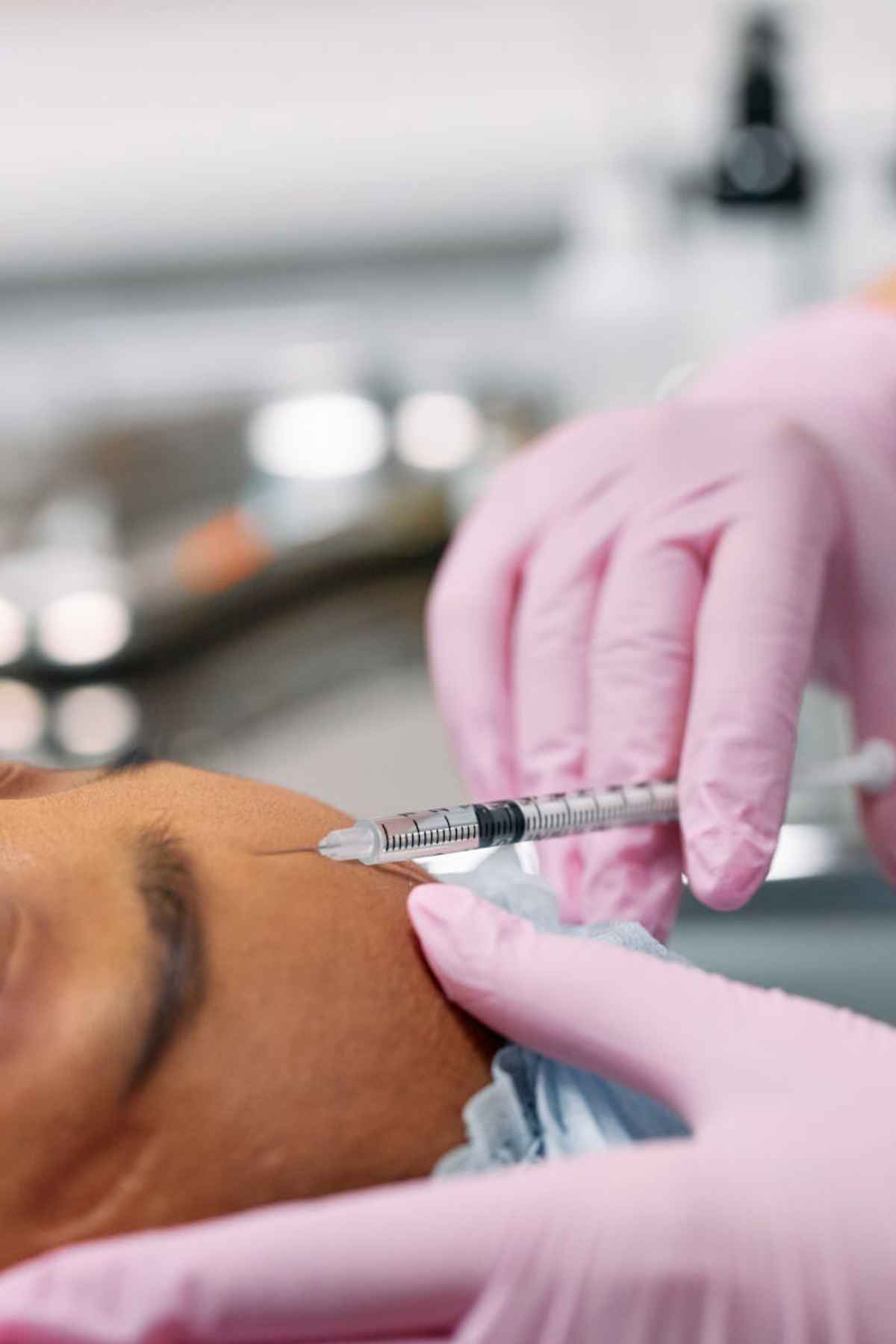
Best Injectable Peptides for Anti-Aging: 2026 Guide
This post contains affiliate links. If you click through and make a purchase, I may earn a small commission at no extra cost to you. I only recommend products and services I personally use and trust.
Looking for the best injectable peptides for anti aging? If you’ve spent any time researching anti-aging treatments, you’ve likely come across the term injectable peptides. These short chains of amino acids have become one of the most talked-about tools in regenerative medicine, and for good reason. As someone who has followed the beauty and skincare space for years, I’ve watched peptide therapy evolve from a niche wellness concept into a mainstream anti-aging solution endorsed by healthcare professionals and peptide therapy clinics across the United States.
Explore our comprehensive skincare treatments guide for more anti-aging strategies. You may also enjoy our comparison of PRP facial vs microneedling and our overview of the laser hair removal aftercare process.
In this guide, I’ll walk you through the best injectable peptides for anti-aging, how they work in the human body, what treatment plans typically look like, and what to expect in terms of real costs and timelines. Whether you’re exploring peptide injections for the first time or looking to optimize an existing protocol, this 2026 guide has everything you need.
Table of Contents
- What Are Injectable Peptides?
- How Peptides Fight the Aging Process
- Best Injectable Peptides for Anti-Aging by Category
- GHK-Cu: The Skin Rejuvenation Peptide
- BPC-157: The Repair and Recovery Peptide
- CJC-1295 and Ipamorelin: Growth Hormone Secretagogues
- Epithalon: Longevity and Cellular Health
- Thymosin Beta-4 (TB-500): Tissue and Immune Support
- Matrixyl (Palmitoyl Pentapeptide-4): Collagen and Skin
- Cost Ranges and Treatment Timelines
- How to Choose a Peptide Therapy Clinic
- Potential Side Effects and Safety
- FAQ
What Are Injectable Peptides?
Peptides are the building blocks of proteins. Composed of short chains of amino acids linked together by peptide bonds, they serve as signaling molecules throughout the human body, directing cells to perform specific functions. Unlike full proteins, which contain hundreds of amino acids, peptides typically consist of two to fifty amino acids, making them small enough to penetrate tissues and interact directly with receptors.
Injectable peptides deliver these signaling molecules directly into the bloodstream or subcutaneous tissue, bypassing the digestive system that would otherwise break them down. This delivery method dramatically improves bioavailability compared to oral supplements or dietary supplements. Some peptides are also available as nasal sprays, but subcutaneous injections remain the gold standard for most anti-aging protocols because of their superior absorption rates.
As a synthetic peptide, each compound is engineered to mimic or amplify the body’s natural signaling processes. Medical professionals who specialize in regenerative medicine use these compounds to address the root causes of aging at a cellular level, rather than simply masking symptoms with topical skin care products.

How Peptides Fight the Aging Process
The aging process involves a cascade of biological changes: declining collagen production, reduced release of HGH (human growth hormone), increased oxidative stress, chronic inflammation, and diminished protein synthesis. Injectable peptides address multiple aspects of this cascade simultaneously, which is why they’ve become a cornerstone of advanced anti-aging protocols.
At the cellular level, peptides work by binding to specific receptors and triggering downstream signaling pathways. Some stimulate the pituitary gland to increase the release of HGH, which supports lean muscle mass, fat loss, bone density, and overall skin health. Others act directly on skin tissue to boost collagen peptides production and reduce the appearance of wrinkles and fine lines. Still others focus on reducing oxidative stress and chronic inflammation, which are two of the primary drivers of cellular aging.
The body’s natural production of these signaling compounds declines significantly after age thirty. By the time most people reach their forties and fifties, their peptide levels have dropped enough to noticeably affect skin texture, skin elasticity, muscle contraction efficiency, cognitive function, and immune system performance. Peptide therapy aims to restore these levels, effectively resetting multiple aspects of the aging clock simultaneously.
Clinical studies have documented impressive results across a range of anti-aging markers. Patients receiving peptide injections typically report improvements in skin aging markers within eight to twelve weeks, with continued gains over six months of treatment. Weight loss, improved sleep quality (addressing sleep disorders), and better cognitive function are also commonly reported outcomes.
Best Injectable Peptides for Anti-Aging by Category
Different peptides target different aspects of aging. Understanding these categories helps you and your medical professional build treatment plans tailored to your specific concerns. Here are the most popular peptides currently used in anti-aging protocols.
GHK-Cu: The Skin Rejuvenation Peptide
GHK-Cu (copper peptide) is arguably one of the best injectable peptides specifically for skin aging. This naturally occurring peptide plays a pivotal role in wound healing, collagen production, and skin barrier function. It stimulates the production of collagen, elastin, and glycosaminoglycans, all of which are critical for maintaining youthful appearance and skin elasticity.
Clinical study data suggests GHK-Cu also has powerful antioxidant properties that combat oxidative stress in skin tissue. Patients who use GHK-Cu as part of their peptide treatment typically report reduction in fine lines, improved skin texture, and enhanced skin health within six to eight weeks.
Dosing: Typically 1-3 mg injected subcutaneously 2-3 times per week. Some protocols combine injectable treatment with topical application.
Cost range: $150 to $300 per month depending on dosage and provider.
Timeline: Visible skin improvements typically appear at 6-8 weeks, with peak results at 3-4 months.
BPC-157: The Repair and Recovery Peptide
BPC-157 (Body Protection Compound 157) is a synthetic peptide derived from a protein found in gastric juice. It has gained significant attention in regenerative medicine for its remarkable ability to support tissue repair, reduce chronic inflammation, and protect the gut-brain axis. For anti-aging purposes, BPC-157 is prized for its ability to accelerate healing, support the immune system, and reduce the systemic inflammation that drives accelerated aging.
The drug administration of BPC-157 remains an area of active research. While widely used in peptide therapy clinics throughout the United States, it is not yet FDA-approved as a prescription drug. Healthcare professionals who prescribe it do so under compounding pharmacy regulations. This is an important distinction to understand when selecting a provider.
Dosing: 200-500 mcg via subcutaneous injection daily or twice daily.
Cost range: $100 to $250 per month.
Timeline: Anti-inflammatory effects often noticed within 2-4 weeks; tissue repair benefits build over 2-3 months.
CJC-1295 and Ipamorelin: Growth Hormone Secretagogues
CJC-1295 and Ipamorelin are two of the most popular growth hormone secretagogue peptides used in anti-aging medicine. They work synergistically: CJC-1295 stimulates the pituitary gland to produce more growth hormone-releasing hormone (GHRH), while Ipamorelin mimics ghrelin to trigger a natural pulse of human growth hormone release. Together, they optimize the release of HGH without causing the desensitization that can occur with direct HGH administration.
The benefits of optimizing HGH levels are extensive. Patients typically experience improvements in lean muscle mass, fat loss (particularly visceral fat), bone density, skin elasticity, sleep quality, and cognitive function. Many also report dramatic reductions in fine lines and improvements in overall skin health after 3-4 months of use.
Dosing: CJC-1295 at 1-2 mg per week combined with Ipamorelin at 200-300 mcg per injection, typically 3-5 nights per week before sleep.
Cost range: $250 to $500 per month for the combination protocol.
Timeline: Initial changes in sleep and energy at 2-3 weeks; body composition and skin changes at 3-6 months.
Epithalon: Longevity and Cellular Health
Epithalon is a tetrapeptide (four amino acids) that has been studied extensively for its potential to extend cellular lifespan. It works by activating telomerase, an enzyme that maintains and lengthens telomeres, the protective caps on chromosomes that shorten with each cell division. Longer life at the cellular level begins with telomere preservation, and Epithalon is one of the few compounds with published clinical study data supporting this mechanism in human subjects.
Beyond its effects on cellular aging, Epithalon has demonstrated benefits for the immune system, the body’s production of melatonin, and cognitive function. It is typically administered in 10-20 day cycles rather than continuously.
Dosing: 10 mg daily via subcutaneous injection for 10-20 day cycles, 1-2 times per year.
Cost range: $200 to $400 per cycle.
Timeline: Cellular benefits accumulate over multiple cycles; subjective improvements in sleep and energy typically noted within the first cycle.
Thymosin Beta-4 (TB-500): Tissue and Immune Support
Thymosin Beta-4 is a naturally occurring peptide present throughout the human body that plays a critical role in tissue repair, immune system regulation, and new blood vessel formation. For anti-aging purposes, TB-500 is particularly valued for reducing chronic inflammation, supporting muscle tissue recovery, and maintaining the skin barrier. It also has documented effects on hair growth, making it popular among patients concerned about age-related hair thinning.
Protein synthesis is central to TB-500’s mechanism of action. By upregulating actin, a protein involved in muscle contraction and cell migration, TB-500 accelerates tissue healing and supports overall tissue integrity throughout the body.
Dosing: 5-20 mg per week via subcutaneous injection, typically for 4-6 week loading phases followed by maintenance dosing.
Cost range: $200 to $450 per month during loading phase.
Timeline: Injury and inflammation benefits often apparent within 2-4 weeks; systemic anti-aging effects build over 3-6 months.
Matrixyl and Collagen Peptides: Topical and Injectable Skin Support
Matrixyl (palmitoyl pentapeptide-4) is primarily known as a topical ingredient in premium skin care products, but injectable collagen peptides represent a more potent delivery approach. Collagen peptides work by triggering fibroblast activity in the dermis, stimulating new collagen production, improving skin texture, and reducing the appearance of wrinkles from within the skin structure.
These peptides directly address the amino acid composition imbalances that develop as collagen production naturally declines with age. They also support skin elasticity and help restore the structural proteins that give skin its firmness and resilience. When combined with vitamin C supplementation, which is essential for collagen synthesis, these peptides deliver even more dramatic results.
Dosing: Varies by specific formulation; typically 100-500 mg per week.
Cost range: $100 to $300 per month.
Timeline: Skin texture improvements typically visible at 4-8 weeks; structural collagen benefits build over 3-6 months.
Cost Ranges and Treatment Timelines
Understanding the real costs of peptide therapy helps set realistic expectations. Unlike over-the-counter dietary supplements, prescription-grade peptide injections involve compounding pharmacy fees, provider consultation costs, and ongoing monitoring. Here is a realistic breakdown:
| Peptide | Monthly Cost | Visible Results Timeline | Primary Anti-Aging Benefit |
|---|---|---|---|
| GHK-Cu | $150-$300 | 6-8 weeks | Skin texture, collagen production, fine lines |
| BPC-157 | $100-$250 | 2-4 weeks | Inflammation reduction, immune system support |
| CJC-1295 + Ipamorelin | $250-$500 | 3-6 months | HGH optimization, lean muscle, fat loss, skin |
| Epithalon | $200-$400/cycle | 1-2 cycles | Cellular longevity, telomere support |
| TB-500 | $200-$450 | 2-4 weeks | Tissue repair, immune support, inflammation |
| Collagen Peptides | $100-$300 | 4-8 weeks | Skin elasticity, collagen production, texture |
Most peptide therapy clinics require an initial consultation fee of $100 to $300, plus lab work to establish baselines. Many providers include monitoring visits in their monthly program fees. When budgeting for peptide therapy, plan on $300 to $800 per month for a comprehensive anti-aging protocol combining two to three peptides.
How to Choose a Peptide Therapy Clinic
Not all peptide therapy clinics are created equal. Because many injectable peptides exist in a regulatory gray area (they are legal as research compounds but not universally FDA-approved as prescription drugs), it is essential to work only with licensed healthcare professionals operating within established medical and legal frameworks.
When evaluating a peptide therapy clinic, look for the following: licensed physicians or nurse practitioners who specialize in naturopathic medicine or regenerative medicine; compounding pharmacies that are PCAB-accredited; comprehensive intake processes including blood work and health history; individualized treatment plans rather than one-size-fits-all protocols; and transparent pricing with no hidden fees. Clinics like Livv Natural (formerly Livv Little Italy Wellness Lounge) in San Diego have set high standards for evidence-based peptide therapy in a regulated clinical environment.
Be cautious of online vendors selling injectable peptides directly to consumers without medical oversight. While the compounds may be labeled “for research use only,” using them without proper medical supervision eliminates the safety net of professional guidance, appropriate dosing, and monitoring for potential side effects.
Potential Side Effects and Safety Considerations
Injectable peptides are generally well tolerated by healthy adults when used under the supervision of qualified medical professionals. However, understanding potential side effects is an important part of any informed treatment decision.
The most common potential side effects include injection site reactions such as redness, bruising, or mild swelling; water retention in the early weeks of growth hormone secretagogue protocols; and temporary fatigue or mild headaches during the adaptation period. Rare but more significant concerns include impacts on blood sugar regulation (particularly with HGH-stimulating peptides), so individuals with diabetes or metabolic conditions should be carefully monitored.
Peptides should be viewed as a complementary tool within a broader anti-aging strategy that includes regular exercise, a balanced diet, healthy sleep habits, and appropriate use of quality skin care products. They are most effective when integrated into comprehensive treatment plans developed by experienced healthcare professionals rather than used in isolation.
Frequently Asked Questions
Are injectable peptides safe for long-term use?
Most injectable peptides have strong safety profiles in clinical study data when used as directed under medical supervision. Long-term safety data varies by specific compound; GHK-Cu and BPC-157 have the most extensive safety records. Always work with healthcare professionals who monitor your response over time.
How are injectable peptides different from oral peptide supplements?
Oral dietary supplements containing peptides are largely broken down by digestive enzymes before they can reach target tissues. Injectable peptides bypass this breakdown, delivering active compounds directly into circulation with dramatically higher bioavailability. Nasal sprays offer a middle ground but still cannot match the absorption rates of subcutaneous injections.
Do I need a prescription for injectable peptides?
This depends on the specific compound and jurisdiction. In the United States, many therapeutic peptides are available only through compounding pharmacies with a prescription from a licensed provider. Working with a reputable peptide therapy clinic that operates within proper drug administration and prescribing frameworks ensures you receive pharmaceutical-quality compounds and appropriate medical oversight.
How quickly will I see anti-aging results from peptide injections?
Timeline varies significantly by peptide type and individual biology. Some patients notice improvements in energy, sleep quality, and skin health within two to four weeks. More substantial changes in skin texture, fine lines, lean muscle mass, and body composition typically require three to six months of consistent use. Maintaining best results generally requires ongoing use with periodic breaks.
Can I combine multiple peptides in one treatment plan?
Yes, and many of the most popular peptides are designed to be stacked for synergistic benefits. The CJC-1295 plus Ipamorelin combination is the classic example. However, combination protocols should always be designed by medical professionals who understand how different peptides interact. Starting with a single peptide and adding additional compounds over time allows you to clearly identify which components are delivering results and how your body responds to each.
Clinical research from the National Institutes of Health (NIH) supports the efficacy of bioactive peptides in anti-aging medicine and regenerative therapy.
The Bottom Line on Injectable Peptides for Anti-Aging
Injectable peptides represent one of the most scientifically grounded approaches to anti-aging available today. By working with the body’s natural signaling systems rather than against them, the right peptide treatment protocol can meaningfully address skin aging, body composition, bone density, cognitive function, immune system performance, and overall vitality. The key is selecting the right peptides for your specific goals, working with qualified healthcare professionals, and maintaining realistic expectations about timelines.
Whether you’re drawn to GHK-Cu for its skin benefits, CJC-1295/Ipamorelin for HGH optimization, or BPC-157 for its regenerative properties, the best injectable peptides for anti-aging are those administered correctly under professional supervision as part of a comprehensive wellness strategy. For personalized recommendations on what might work best for your anti-aging goals, consult with a board-certified provider at a reputable peptide therapy clinic near you.
Continue Exploring Luxury
Everything you need to elevate your everyday life — in one place.
📖 Get the Free Luxe Living Starter Guide