Quiet Luxury Living Room Upgrades on a Budget: Designer Style Without the Price Tag
This post contains affiliate links. If you click through and make a purchase, I may earn a small commission at no extra cost to you. I only recommend products and services I personally use and trust.
Quiet luxury living room upgrades on a budget are absolutely possible, and if your goal is to create a home that feels calm, refined, and expensive without spending like a designer showroom, you are in the right place.
When I think about quiet luxury, I do not think about flashy furniture, obvious labels, or rooms filled with expensive things just for the sake of saying they are expensive. I think about restraint, good materials, soft contrast, and a room that feels settled the second I walk into it.
The real secret is that a quiet luxury living room usually looks expensive because of texture, proportion, and editing, not because every piece cost a fortune.
I have styled rooms on a real-life budget, and the best upgrades were rarely the biggest purchases. More often, it was the linen pillow covers instead of shiny polyester ones, the better lamp shade, the heavier curtain panel, the vintage side table, or simply removing five things that were making the room feel busy.
Key Takeaways
- Small material upgrades often make a bigger difference than buying more décor.
- A warm neutral palette looks richer when I layer texture and leave space around key pieces.
- The best budget rooms feel collected, not crowded.
What Is Quiet Luxury in Living Room Design?
Quiet luxury in a living room is understated elegance. It is a space that feels thoughtful, calm, and polished without trying to impress me with excess. In practice, that usually means a quiet luxury living room uses a neutral palette, timeless materials, and fewer, better choices.
I look for linen, wool, wood, leather, matte stone, and soft metals instead of glossy finishes and trend-driven décor. Quality over quantity matters here. I would rather use one beautiful lamp with a linen shade and one vintage wood side table than fill a room with six cheaper accents that all compete.
Quiet luxury interior design is not the same as strict minimalism. Minimalism can feel stark if it leans too hard into empty surfaces and cool tones. Quiet luxury still values restraint, though it allows warmth, softness, and lived-in comfort. It also differs from traditional luxury. Traditional luxury often leans formal, ornate, and visibly expensive. Quiet luxury is subtler. The room may still include high-quality pieces, though the effect is relaxed and not showy.
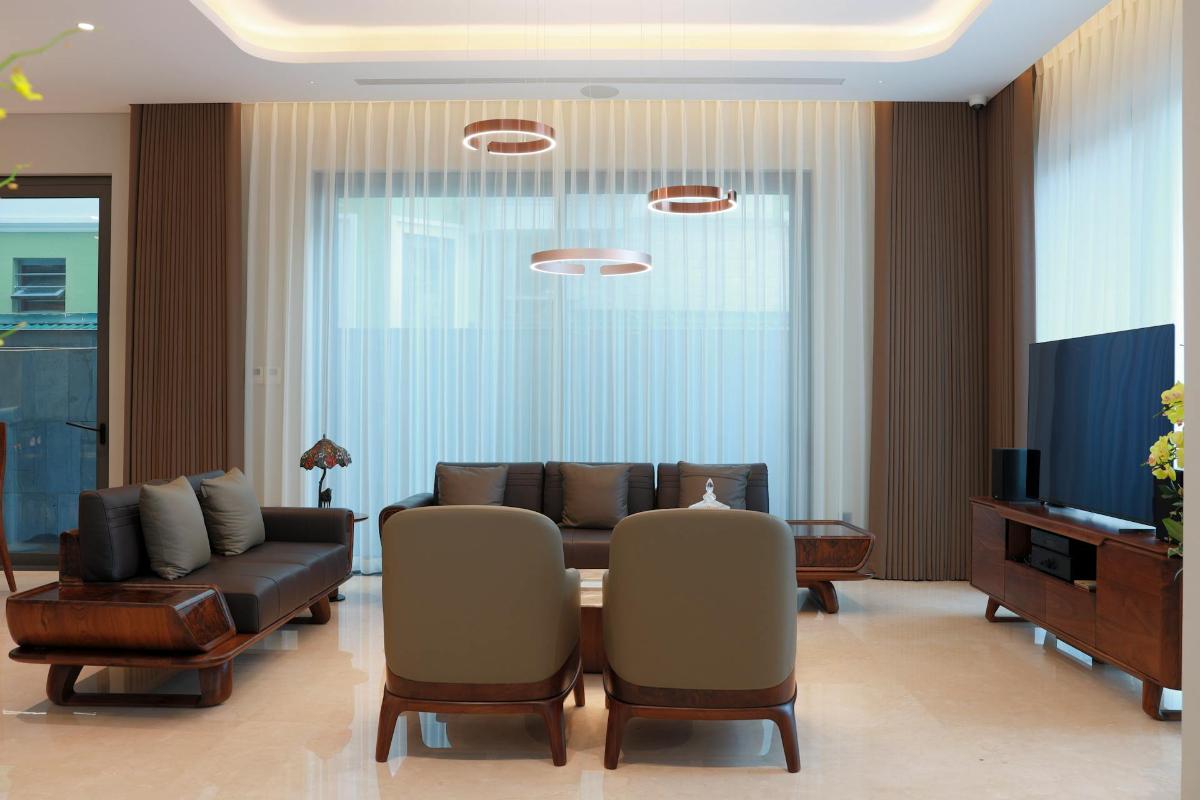
For me, the easiest way to tell if a room fits the look is simple. If it feels serene, layered, and intentional, with no single piece shouting for attention, I am probably in the right direction.
The 8 Key Elements of a Quiet Luxury Living Room
When I style a room in this way, I come back to the same core elements every time. These are the details that create a high-end feel without making the room feel stiff.
1. A Neutral Layered Palette
I start with warm neutrals, not flat white and gray. Think warm taupe, cream, oatmeal, stone, mushroom, camel, and soft brown. A neutral color palette looks richer when the tones are close to each other. Tonal colors create depth without noise.
2. Natural Materials
Quiet luxury loves natural materials because they age well and look better up close. My favorites are: Linen, Wool, Leather, Cotton velvet, Oak, Walnut, Marble, Travertine, Matte stone, and Fluted wood. Even one or two of these can shift the tone of a room fast.
3. Considered Lighting
Bad lighting ruins good furniture. I avoid harsh overhead bulbs and anything that feels blue or clinical. I prefer layered lighting: a table lamp, a floor lamp, warm bulbs (usually 2700K), and a small accent light on a shelf or console.
4. Textural Variety
Texture is what keeps soft neutrals from looking flat. If the room is all one finish, it starts to feel cheap, even if the colors are beautiful. I usually mix: nubby linen, smooth wood, soft wool, ceramic, leather, and glass.
5. Negative Space
Not every corner needs something in it. One of the fastest ways to lose understated elegance is overfilling the room. I leave some surfaces partly bare on purpose. That breathing room makes the better pieces stand out.
6. Statement Pieces Over Fast Trends
Quiet luxury works best when I choose one or two strong pieces instead of buying ten trend items. That might be: a vintage chair, a large framed artwork, a sculptural lamp, or a substantial coffee table.
7. Subtle Metallics
I keep metallics soft and limited. Brushed brass, antique brass, pewter, and aged bronze usually work better than bright chrome or very shiny gold.
8. Personal, Curated Objects
A room feels more expensive when it looks collected. I use fewer objects, and I choose things with shape, age, or meaning. That can be: a found ceramic bowl, a stack of art books, a small bust, a vintage box, one good candle, or framed personal photos in matching frames.
Living Room Upgrades Under $200
This is where I usually start because the return is so good. A few small changes can shift the room toward a high-end look for less.
Better Cushion Covers
If I had to pick one quick upgrade, it would be pillow covers. Shiny, thin fabric is one of the biggest reasons a living room feels less polished. I look for linen, cotton-linen blends, velvet, bouclé, mohair-look texture, and wool blends. Affordable places I check: H&M Home (about $18 to $40), Zara Home (about $30 to $60), IKEA (about $10 to $25), Etsy custom linen covers (about $25 to $55), and Amazon where brands like MIULEE and Foindtower often have decent textured covers (about $18 to $35). My tip is to size inserts up by 2 inches for a fuller look.
Layered Throws
A throw makes a room feel finished if the material looks good. I skip fleece and overly shiny acrylic when I can. Better options include: wool blend throws (about $40 to $120), cotton textured throws (about $25 to $70), and alpaca or mohair-look throws (about $50 to $150). I have found nice options at Quince, H&M Home, Zara Home, and Nordstrom Rack.
Curated Decorative Objects
I would rather buy one vintage object than a bag of filler décor. Thrift stores, estate sales, and local antique malls are excellent for this. Look for: stoneware vessels, marble boxes, brass candlesticks, aged wood trays, small framed art, and ceramic bowls. My usual range is $8 to $60 per piece.
For rooms with a traditional or European aesthetic, a French country fireplace mantel is one of the most impactful curated statement pieces you can add, it instantly elevates the entire room.
Lamp Shade Upgrades
Few people talk about lamp shades enough. Swapping a basic shade for linen, paper, or faux silk can make an old lamp look custom. Typical price range: Target ($15 to $35), Amazon ($20 to $45), and Etsy handmade shades ($35 to $95).
Better Candles and Matches
A heavy glass candle or ceramic candle adds instant polish. I use them sparingly, one per table is enough. For a more refined look on a budget, I like: P.F. Candle Co. (about $24 to $32), Threshold at Target (about $10 to $20), Apotheke sale finds (often $20 to $35), and elegant match cloches or boxed matches (about $12 to $25).
Living Room Upgrades Under $500
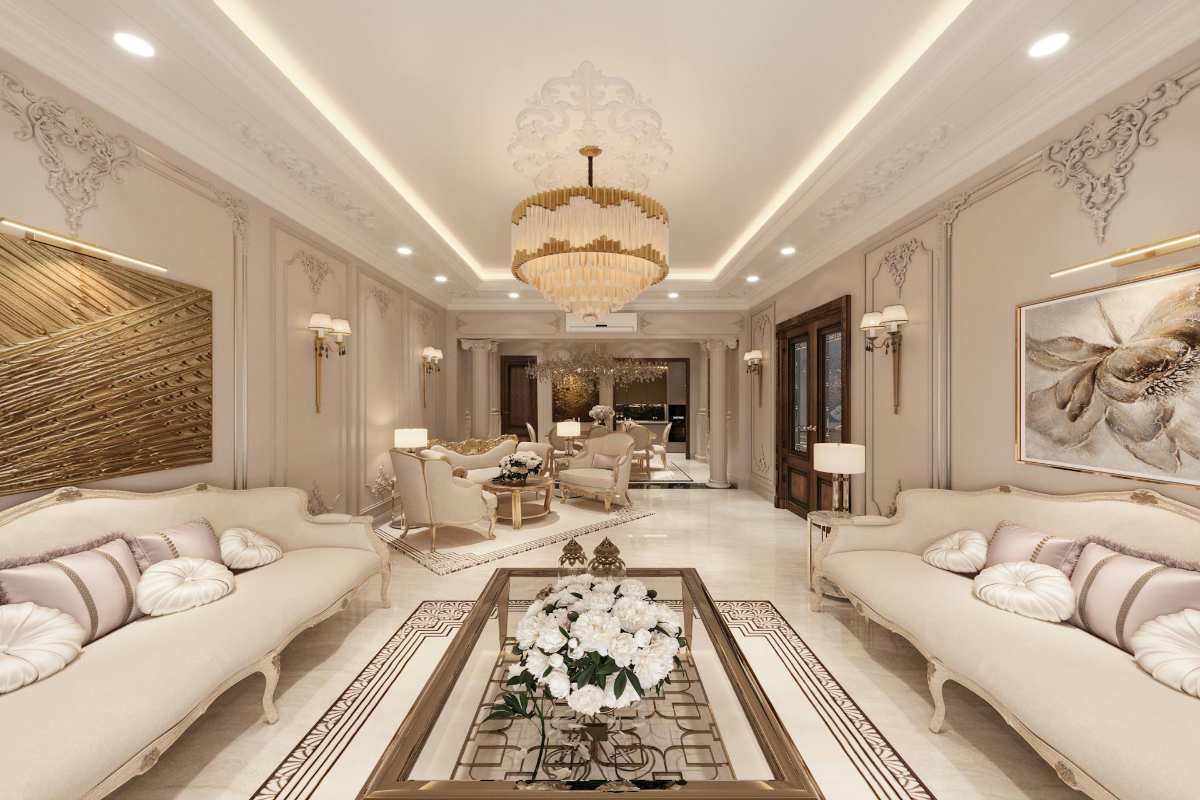
This is the budget tier where the room really starts to change. I notice the biggest visual difference when I improve what covers the floor, frames the windows, and shapes the light.
A Better Area Rug
A rug sets the tone for the whole quiet luxury living room. If the current rug is too small, too bright, or too thin, replacing it can reset the entire space. I like: jute and sisal for texture, wool blends for softness, low-pile rugs in tonal patterns, and hand-loomed styles in warm neutrals. Good places to check: Rugs USA (about $150 to $400 on sale), Loloi (often $200 to $500 depending on size), IKEA wool rugs (often $199 to $399), Revival sale section, and Pottery Barn outlet or open-box listings. If the budget is tight, I sometimes layer a smaller wool rug over a larger jute base.
Better Window Treatments
Nothing makes a room feel more finished than proper drapery. Short curtains or thin panels can cheapen a beautiful space fast. For a budget version, I use: IKEA Ritva curtains (about $30 to $40 per pair), Quince European linen curtains (often $60 to $100 per panel), H&M Home and West Elm sale panels, and Amazon pinch-pleat curtain options (about $50 to $120 per set). I hang them high and wide. That one move alone makes the room feel more expensive.
For window treatments specifically, French provincial fabric offers a refined, pattern-rich option that pairs beautifully with quiet luxury interiors, think toile, ticking stripe, and soft florals in muted palettes.
Coffee Table Books
A few large books add structure and color in a very controlled way. I use them to create height under an object or to ground a tray. I shop: Amazon, Barnes & Noble sale tables, Half Price Books, HomeGoods, and used copies on eBay. A small stack usually costs me $20 to $100.
Upgraded Lighting
A sculptural lamp or simple statement chandelier can carry a room. Under $500, I usually focus on: a substantial floor lamp, matching table lamps, or a pendant or semi-flush fixture if I can swap overhead lighting. Retailers I check: Target, Lamps Plus, IKEA, West Elm sale section, CB2 outlet, and Amazon for basic ceramic lamp bases. A pair of ceramic lamps with linen shades often lands between $120 and $300.
Living Room Upgrades Under $1, 000
If I have more room in the budget, I start investing in pieces that anchor the space. These are the items that make the room feel truly settled.
One Statement Furniture Piece
One meaningful furniture upgrade matters more than several filler buys. This could be: a vintage accent chair, a wood side table, a marble-top pedestal table, a beautiful bench, or a solid wood coffee table. I have found some of my best pieces through Facebook Marketplace and estate sales in the $150 to $800 range. Older furniture often has better lines and materials than newer budget pieces.
French country furniture is a particularly strong choice for that one meaningful statement piece, the French country furniture buyer’s guide covers what to look for, what to skip, and where to find authentic pieces at every price point.
A Quality Occasional Chair
A single good chair changes the feel of a room, especially if the sofa is basic. I look for wood frame chairs, slipcovered accent chairs, or simple barrel chairs in textured fabric. Typical price range: Article sale finds (around $499 to $899), World Market (around $300 to $600), Wayfair higher-end house brands (around $350 to $800), and vintage stores (very variable, often $200 to $700). If needed, chair covers can help improve an older shape for less than full reupholstery.
Properly Framed Artwork
Art feels expensive when the frame looks intentional. I would rather buy a print I love and frame it well than buy generic oversized wall décor. My usual formula: vintage art print or downloadable print ($20 to $100), custom or semi-custom frame ($100 to $400), and large thrifted frame (sometimes under $60 if I get lucky).
Higher-End Soft Furnishings
At this level, I might refresh several soft elements at once: linen drapery, better pillow inserts, a wool throw, new lampshades, or one tailored ottoman or bench. It is not flashy, though it reads polished immediately.
How to Find Quiet Luxury Pieces on a Budget
This style gets much easier when I stop shopping only from the same big-box pages everyone else is scrolling. The best rooms usually mix new basics with older, more character-filled pieces.
Estate Sales and Auctions
Estate sales are one of my favorite sources for quiet luxury interior design. I find solid wood furniture, framed art, brass, stone accessories, and older lamps that often look far better than new budget versions. Auction sites and local auction houses can also be excellent for: side tables, rugs, oil paintings, silver-plated pieces, and decorative boxes.
Thrift Stores and Consignment Shops
I always scan the home section for: ceramic vessels, picture frames, books, lamps, small stools, and wood bowls. Consignment shops are especially good if I want cleaner, more current pieces with a higher-quality feel.
Facebook Marketplace and Craigslist
Marketplace is often where I find the best larger items. I search broad terms like: wood chair, linen chair, travertine table, vintage lamp, wool rug, and marble side table. I also try misspellings because great listings often hide there.
Chairish, 1stDibs, and Similar Resale Sites
I use Chairish and 1stDibs more as a research tool than an impulse-buy destination. They help me learn what shapes and materials look high-end. Then I can hunt for similar pieces locally. Sometimes I do find deals there, especially on smaller accessories.
TJ Maxx, HomeGoods, and Marshalls
These stores are useful if I shop with discipline. I ignore obvious filler décor and focus on: linen-look lamp shades, marble trays, neutral throws, coffee table books, simple ceramic lamps, and boxes and baskets.
IKEA Hacks
IKEA can absolutely work for a quiet luxury living room if I keep the base simple and improve the finish. A few ideas I like: upgrade hardware on cabinets, add fluted wood panels to simple fronts, replace standard legs with wood or brass ones, use fuller custom-looking drapery over basic rods, and restyle open shelving with fewer objects.
5 Common Quiet Luxury Mistakes to Avoid
I see the same mistakes all the time, and I have made some of them myself. Quiet luxury is subtle, so small misses stand out quickly.
1. Going Too Neutral
A room full of pale beige with no contrast can feel lifeless. I bring in darker wood, warm taupe, black accents, or aged brass to give the palette some shape.
2. Forgetting Texture
Soft neutrals need textural depth. If everything is smooth, flat, or synthetic, the room loses the richness that makes quiet luxury work.
3. Mixing Too Many Materials
Natural materials are beautiful, though too many at once can get chaotic. I usually limit myself to two woods, one metal finish, and a few repeating textiles.
4. Over-Styling Every Surface
A curated room is not the same as a crowded room. Shelves, side tables, and coffee tables look better when I leave space between objects.
5. Buying Visible Logo Pieces
Quiet luxury is not about branding. A room feels more refined when the attention stays on form, texture, and proportion instead of logos or trend recognition.
Putting It All Together: A Phased Upgrade Plan
If I were starting from scratch or refreshing a tired living room, I would not buy everything at once. A phased plan makes the room feel intentional and protects the budget.
Phase 1, $0 to $200
Start with editing and small surface upgrades. I would: remove clutter, restyle shelves, swap pillow covers, add one better throw, replace lamp shades, buy one candle and one tray, and rework furniture spacing. This phase often changes more than people expect.
Phase 2, $200 to $500
Now I would fix the biggest background elements. My priorities: rug, curtains, better bulbs, and one good lamp or ceiling fixture. If the room still feels off, it is often one of these four things.
Phase 3, $500 to $1, 000
This is when I would add identity. Good uses for the budget: vintage chair, accent table, framed artwork, upgraded soft furnishings, and a pair of better lamps.
Phase 4, Long-Term Anchor Piece
When the budget allows, I would save for the one lasting piece the room really needs. That might be: a quality sofa, a substantial coffee table, a custom rug, better drapery, or a statement chandelier. Quiet luxury works best when I buy slowly and choose well.
Final Thoughts: Quiet Luxury Is About Confidence
The reason I love quiet luxury is that it asks me to trust my eye more than a trend cycle. It is not about chasing a showroom look or proving I spent money. A beautiful room can come together through soft neutrals, high-quality pieces mixed with affordable ones, and careful editing. That balance is what gives a quiet luxury living room its calm confidence.
If I can leave you with one practical thought, it is this: buy less, choose better, and let the room breathe. That is usually the difference between a living room that feels expensive for a week and one that feels timeless for years.
For more refined, practical ideas in this style, browse the home décor and elegant living content on Luxury Infusion, especially when you want inspiration grounded in materials, restraint, and real-life budget choices. You might also enjoy our guides on French country furniture and coffee table styling ideas for more room-by-room inspiration.
Continue Exploring Luxury
Everything you need to elevate your everyday life — in one place.
📖 Get the Free Luxe Living Starter Guide