Diamond Earring Size Chart on Ear: Essential Guide to 5 Popular Carat Sizes
This post contains affiliate links. If you click through and make a purchase, I may earn a small commission at no extra cost to you. I only recommend products and services I personally use and trust.
A diamond earring size chart on ear is one of the most useful tools for anyone buying diamond stud earrings online or in store. I’ve purchased diamond jewelry at multiple price points and learned the hard way that what looks substantial in a product photo can look surprisingly small on an actual ear lobe. This guide gives you the realistic breakdown of how different total carat weights appear when worn.
Diamond Earring Size Chart on Ear: The 5 Most Popular Carat Sizes
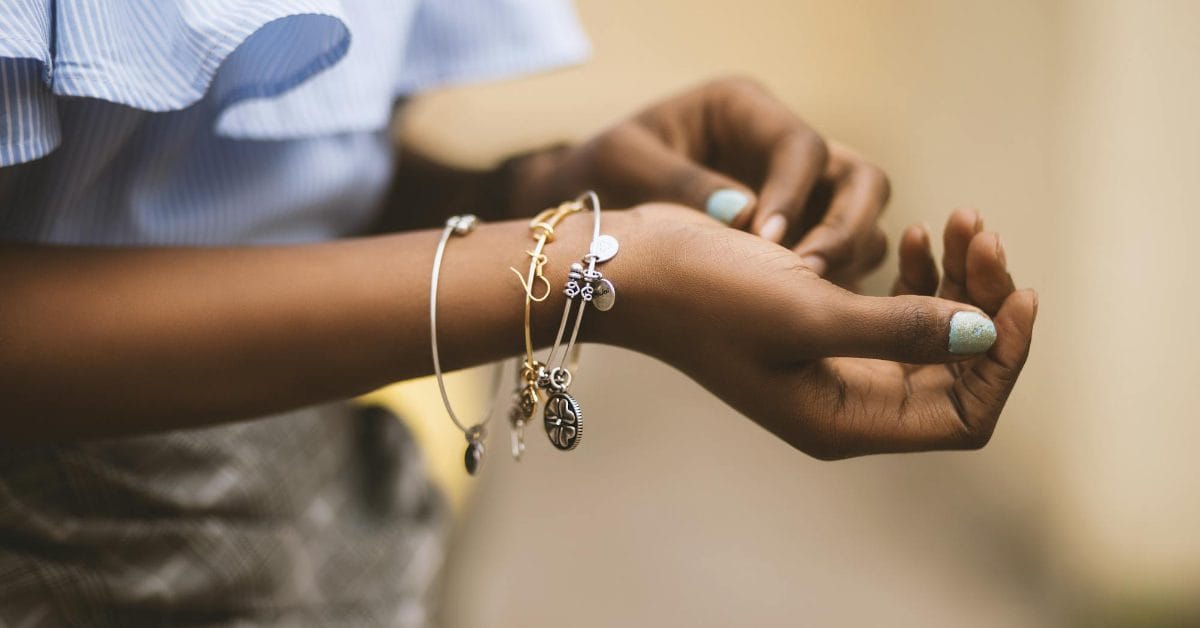
Diamond stud earrings are sized by total carat weight (TCW), which represents the combined weight of both stones. A pair listed as “0.50 carat total weight” contains two 0.25 carat diamonds, one per ear. Here is how each size actually appears on the ear lobe:
0.25 carat total weight (0.125ct per ear). This is a petite, delicate size that reads as a subtle accent on the ear. At roughly 3.5mm in diameter for round diamonds, this size is nearly invisible from a normal conversational distance but adds a refined sparkle when light catches it. Suitable for minimalist aesthetics, everyday wear, or as a starter pair for younger wearers.
0.50 carat total weight (0.25ct per ear). One of the most popular size ranges for daily wear. At approximately 4mm per stone, this size is noticeable and creates a clean, classic look without overwhelming the face. Round diamonds at this size show excellent brilliance and are visible in regular lighting from close proximity. This is the perfect size for understated elegance and all-day comfort.
1.00 carat total weight (0.50ct per ear). The most popular size for someone looking to make a visible statement while still being appropriate for everyday wear. At approximately 5mm per stone, 0.5 carat round diamonds are noticeable from a normal social distance and make a clear impression without being ostentatious. This is the good size that bridges the gap between subtle and standout.
1.50 carat total weight (0.75ct per ear). Moving into the territory of special occasions and investment-level diamond jewelry. Stones at this size (approximately 5.8mm per diamond) are unmistakably visible and create a high-impact look. While some people wear this size for everyday wear, these are more commonly chosen for special events, professional settings, or as a special day statement piece.
2.00 carat total weight (1.00ct per ear). The 1-carat-per-ear diamond stud represents genuine luxury diamond jewelry. At approximately 6.5mm per stone, these diamonds are prominent even from a distance and suit larger ear lobes and bold personal preferences. These are typically reserved for formal occasions, special occasions, or high-net-worth wearers who prefer a significant diamond presence in their daily look.
Factors Beyond Carat Size That Affect How Diamond Earrings Look on Ear
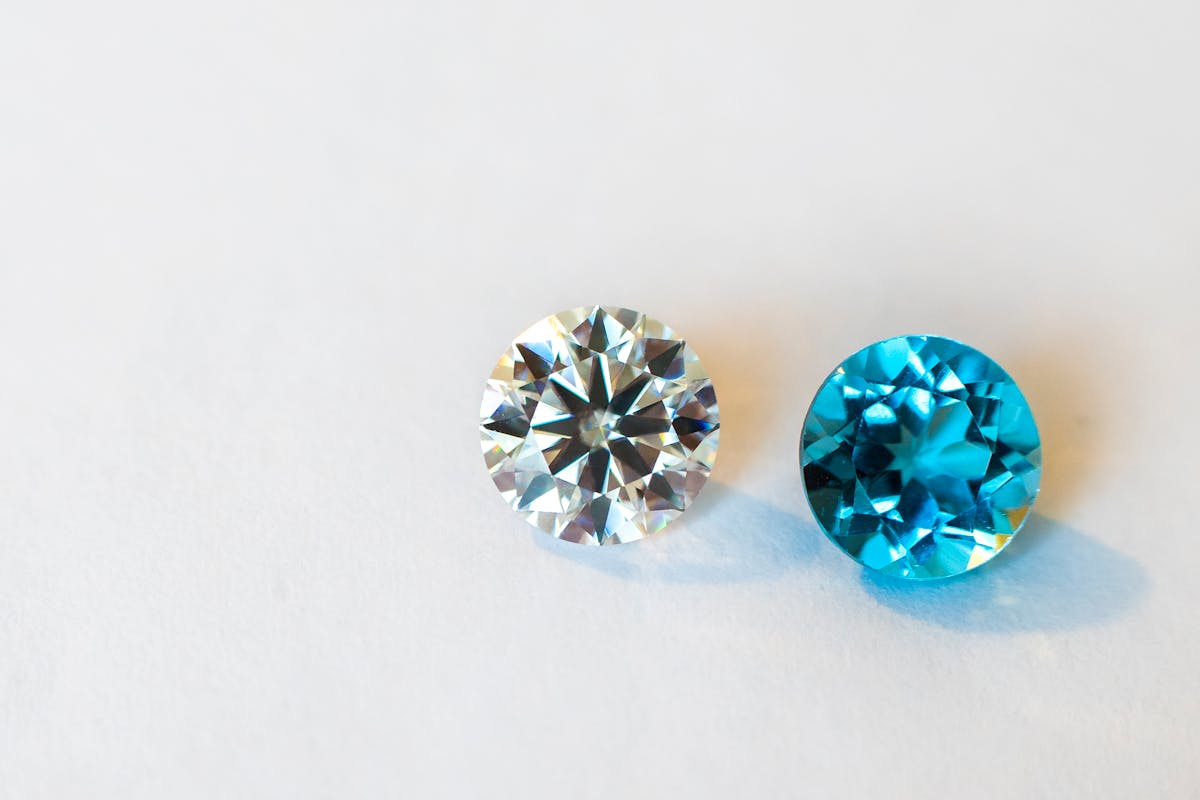
Diamond shape. Round diamonds (also called brilliant cut diamonds) maximize light return and appear the largest for their carat weight due to their cut proportions. The round shape is the most popular shape for stud earrings precisely because of this. Other diamond shapes like princess cut, cushion, and oval appear different on the ear lobe , an oval diamond looks elongated and can visually stretch the lobe, while a princess cut appears more compact.
Metal type and setting style. Prong settings allow maximum light to enter the stone from below, which enhances brilliance. Bezel settings, where the metal surrounds the stone, protect the diamond and create a sleeker look but can make the same carat diamond appear slightly smaller. Metal type (white gold, yellow gold, or rose gold) affects the overall look significantly. White gold or platinum settings make diamonds appear brighter and more brilliant. Yellow gold creates a warmer, vintage-influenced look. Rose gold produces a romantic, feminine aesthetic that has become increasingly popular for diamond jewelry.
Natural diamonds vs lab-grown diamonds. Lab-grown diamonds are chemically and optically identical to natural diamonds and appear exactly the same on the ear. The key advantage of lab diamonds is price: a lab-grown diamond stud earring pair often costs 60 to 80 percent less than a natural diamond of the same total carat weight, diamond quality, and cut. For those seeking a larger size on a budget, lab diamond stud earrings offer a practical path to the 1.00 carat total weight and above range without the premium associated with natural diamonds. The Gemological Institute of America (GIA) certifies both natural and lab-grown diamonds using the same grading standards.
Face Shape and Ear Lobe Considerations
Face shape and ear lobe size genuinely affect which size from the diamond earring size chart on ear looks most proportionate for you. Larger, rounder face shapes can carry larger total carat weights more easily than petite, angular face shapes where even a 0.50 TCW pair creates a noticeable presence. Those with larger ear lobes will find that smaller diamonds (under 0.50 TCW) can look disproportionately tiny, while very small ear lobes may be overwhelmed by sizes above 1.00 TCW.
The best way to visualize how a size will look on your specific ear is to visit a jeweler in person and try different sizes. Many fine jewelry retailers also offer virtual try-on tools on their websites that allow you to upload a photo and see different diamond earring sizes overlaid on your ears. This is particularly useful when shopping for lab diamond stud earrings or diamond jewelry online where you cannot physically handle the pieces.
For more guidance on fine jewelry choices including metal comparisons, our comprehensive post on platinum vs white gold earrings explains which precious metal best suits diamond settings. If you’re exploring luxury brand options for diamond jewelry, our guide on Cartier vs Tiffany compares the two leading fine jewelry houses. For an understanding of stone quality and grading, our review of Swarovski zirconia vs cubic zirconia covers how different stone grades affect the overall look of earrings. Find qualified fine jewelry specialists through the Gemological Institute of America.
Using a Diamond Earring Size Chart on Ear: Practical Buying Tips
When using a diamond earring size chart on ear as a buying guide, keep in mind that printed and digital charts are approximate representations. The exact appearance depends on your individual ear anatomy, the specific diamond quality (cut grade matters significantly for brilliance), and the lighting conditions in which you typically wear jewelry.
For everyday wear, the most practical sizes from this diamond earring size chart on ear range from 0.25 to 1.00 total carat weight. These sizes are comfortable to sleep in if you prefer to leave studs in, do not snag on hair or clothing, and provide enough sparkle to read as intentional fine jewelry without requiring the insurance and additional security measures that larger stones demand.
Diamond quality affects the visual impact of any size significantly. A well-cut 0.50 carat round diamond with excellent diamond quality will appear more brilliant and larger than a poorly-cut 0.75 carat stone with inferior proportions. When budgeting for diamond earrings, prioritize cut quality above carat size if you have to choose between the two, as a smaller diamond earring with superior cut will always outshine a larger stone with a mediocre cut grade.
Consider screw backs for larger diamonds (0.75ct and above per ear) as these provide better security for your investment. Screw back closures add a small additional mechanism to standard push backs that prevents accidental loss during normal activities. For everyday wear diamonds under 0.50ct per stone, regular butterfly backs or push backs are typically sufficient.
Continue Exploring Luxury
Everything you need to elevate your everyday life — in one place.
📖 Get the Free Luxe Living Starter Guide