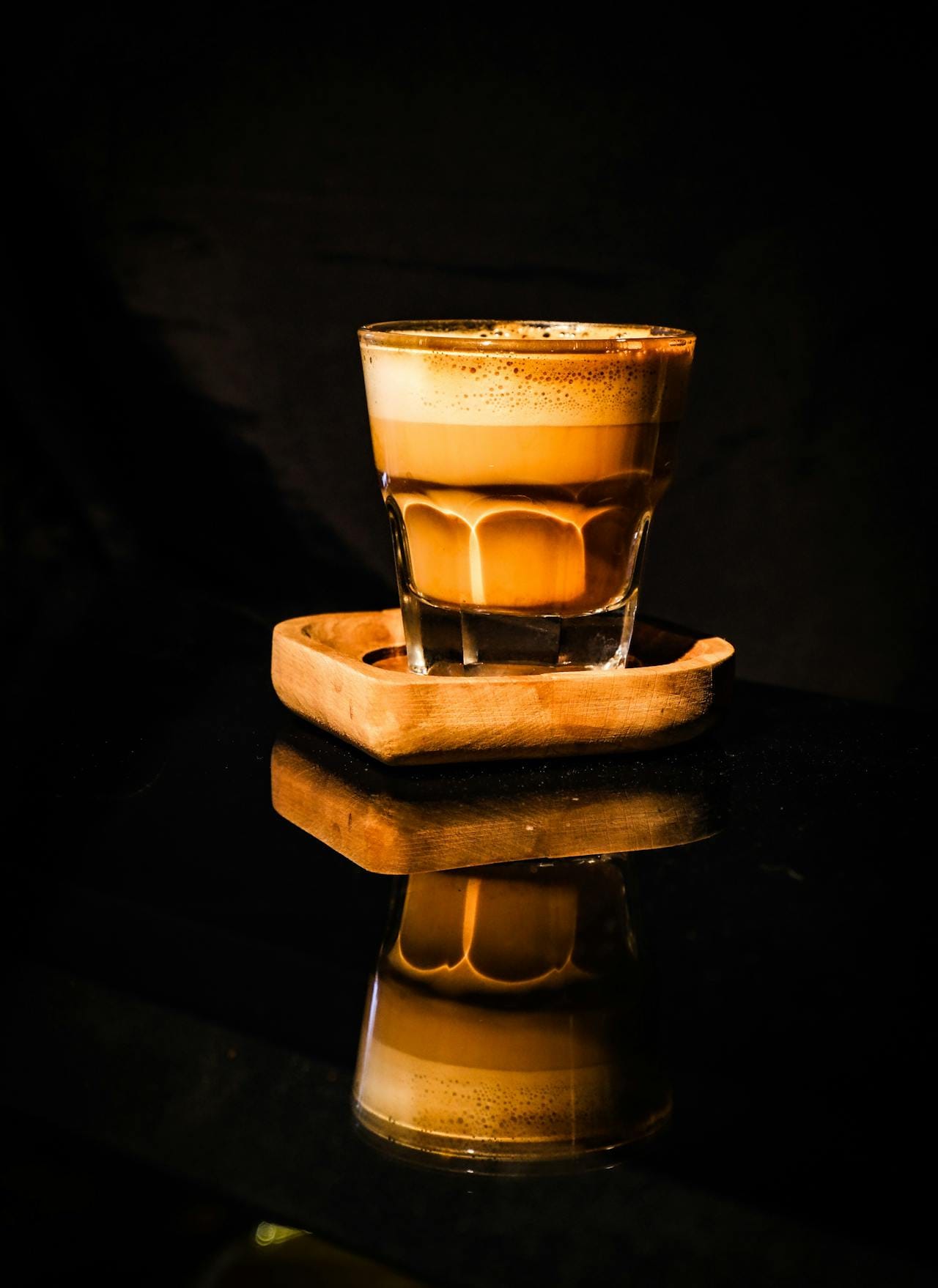
Best Pre Ground Coffee for French Press: Top Picks for a Rich Brew
This post contains affiliate links. If you click through and make a purchase, I may earn a small commission at no extra cost to you. I only recommend products and services I personally use and trust.
I have been making French press coffee at home for over a decade. My current setup is a classic 8-cup Bodum Chambord, and I go through roughly a pound of pre-ground coffee every ten days. The question I get most often is which pre-ground coffees actually hold up in a French press. Not which ones are simply decent, but which ones deliver that full-bodied, rich cup the brewing method is designed to produce.
This guide covers everything you need to know about choosing the best pre ground coffee for French press brewing. It covers grind size, roast levels, top brand picks, and the storage habits that keep your coffee tasting fresh between bags.
Why Pre-Ground Coffee Works Well for French Press
Whole bean purists will tell you that freshly ground coffee is always better. They are not wrong. But pre-ground coffee has earned its place in the French press rotation for practical reasons. Consistency is the biggest one. When you buy pre-ground coffee sized for French press, every scoop delivers the same coarse particle size. You skip the grinder, the mess, and the guesswork.
French press is one of the most forgiving brewing methods for pre-ground coffee. The full-immersion extraction process draws flavor compounds from the grinds over several minutes. That extended contact time compensates for the slight freshness loss that comes with pre-ground coffee. The result is still a rich, layered cup that highlights the coffee’s natural oils in a way drip brewing never achieves.
The key is buying pre-ground coffee that is specifically sized for French press, or labeled coarse ground. The National Coffee Association recommends a coarse grind for press pot brewing as a standard practice. Fine grind coffee, the kind sold for drip or espresso, will clog your French press filter and leave sludge in your cup. Coarse grind coffee lets the plunger press cleanly and keeps sediment to a minimum.
Grind Size for French Press: What You Need to Know
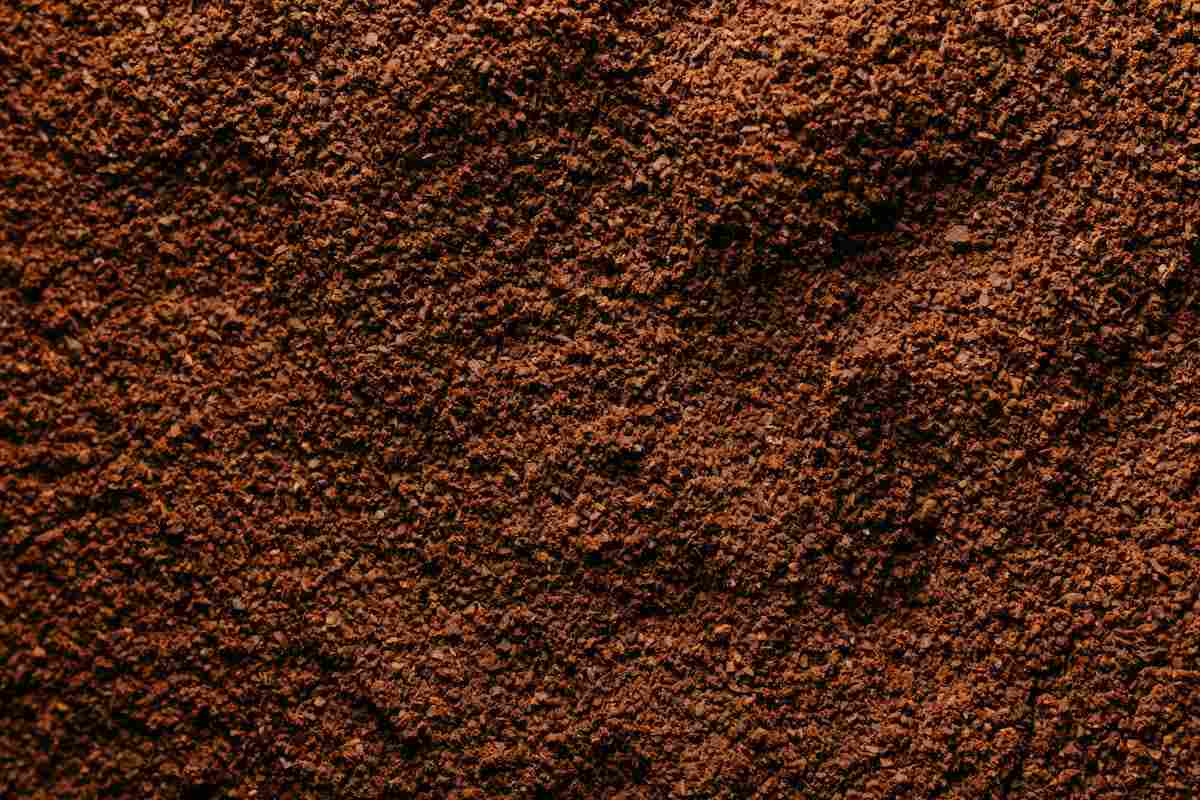
Grind size determines extraction rate. French press needs a coarse grind, roughly the texture of raw sugar or cracked black pepper. Finer grinds extract too quickly under immersion, producing bitter or astringent flavors. They also pass through the metal mesh filter and cloud the cup.
When buying pre-ground coffee for French press, look for bags labeled “coarse grind,” “French press grind,” or “coarsely ground.” Some brands offer multiple grind options and will specify which is appropriate for immersion brewing. If you see only “medium grind” or no grind specification, the coffee is almost certainly ground for drip. It will work in a pinch, but you will notice more sediment and a shorter optimal steep window.
A coarse grind sized for French press typically falls in the 700 to 1000 micron range. For reference, espresso grind runs around 200 to 300 microns and drip grind around 500 to 600 microns. The larger particle size slows extraction, which is exactly what you want for a four-minute steep.
Best Roast Level for French Press Coffee
French press rewards darker roasts more than almost any other brewing method. The full-immersion process extracts the oils and deep roast flavors that drip filters trap and discard. A medium-dark or dark roast pre-ground coffee will deliver the chocolate, caramel, and smoky notes that define a classic French press cup.
Medium roasts also perform well in French press. They offer more origin character, with brighter acidity and fruit or floral notes depending on the bean source. Ethiopian and Colombian medium roasts are particularly expressive in French press. The immersion process highlights their complexity without the brightness tipping into sourness.
Light roasts are the trickiest in French press. Their higher density and acidity can produce under-extracted, thin cups if steeping time is not extended. I personally stick to medium through dark roast pre-ground coffees for my French press. The body and flavor payoff is consistently better.
Top Pre-Ground Coffee Brands for French Press
These are the brands and specific products I recommend based on hands-on brewing experience and consistent performance in a French press. Each one is widely available, priced fairly, and sized appropriately for immersion brewing.
1. Death Wish Coffee Dark Roast
Death Wish Coffee positions itself as strong coffee, and it delivers on that promise in French press. The dark roast blend uses a mix of Arabica and Robusta beans, which contributes both body and caffeine content. The pre-ground version is sized for coarse brewing methods.
In French press, it produces a full-bodied cup with low acidity, notes of dark chocolate, and a clean finish. It handles a four-minute steep without turning bitter. If you prefer bold coffee that stands up to milk or cream, this is a strong pick.
2. Lavazza Super Crema
Lavazza is an Italian coffee institution, and their Super Crema blend translates well to French press despite its espresso-forward branding. The pre-ground version labeled for at-home brewing has a medium-fine grind, which is slightly finer than ideal. Reducing your steep time to three minutes addresses this easily.
The flavor profile is smooth and sweet, with notes of hazelnut, brown sugar, and mild fruit. It produces a creamy, well-rounded cup that works equally well black or with steamed milk. This is my go-to recommendation for people transitioning from automatic drip machines who want a more elevated daily cup.
3. Peet’s Coffee Major Dickason’s Blend
Major Dickason’s Blend has been a Peet’s flagship since 1969 and remains one of the best mass-market dark roasts available. The pre-ground version is sold at a medium-coarse grind that suits French press well. It is widely available at grocery stores, making it a practical everyday option.
The cup is richly complex, with layers of dark fruit, chocolate, and a subtle smokiness. It does not taste burned or harsh, which is the risk with lesser dark roasts. Steep for four minutes and press slowly. The result is a deeply satisfying cup.
4. Stumptown Coffee Roasters Hair Bender
Stumptown’s Hair Bender is a medium roast blend designed to work across multiple brewing methods. The pre-ground version labeled for “all brew methods” includes a medium-coarse grind that performs well in French press. This is the choice if you prefer complexity over raw boldness.
Expect bright citrus notes alongside milk chocolate and caramel sweetness. The acidity is present but well-integrated, not sharp. In French press, the immersion process softens the brightness slightly and amplifies the body. It produces a cup that feels both refined and approachable.
5. Caribou Coffee Obsidian Dark Roast
Caribou’s Obsidian is specifically marketed as a French press-friendly dark roast, and the grind reflects that. It is reliably coarse and produces a clean press with minimal sediment. The flavor profile leans toward dark chocolate and roasted nuts with a long, warm finish.
The price point sits below specialty roasters but well above budget grocery brands. If you want a consistent, high-quality daily driver without paying premium prices, Obsidian earns its place on the shortlist.
6. Cafe du Monde Coffee and Chicory
This New Orleans institution blend brings chicory root into the mix, which adds a woody, slightly earthy flavor and reduces the coffee’s natural bitterness. The pre-ground version is a medium-fine grind, so a shorter steep of two and a half to three minutes works best in French press.
The result is a uniquely smooth cup with a distinctly Southern character. It pairs beautifully with hot milk in the traditional cafe au lait ratio. If you want something different from standard dark roast coffee, this is worth keeping in rotation.
How to Brew French Press Coffee for Best Results
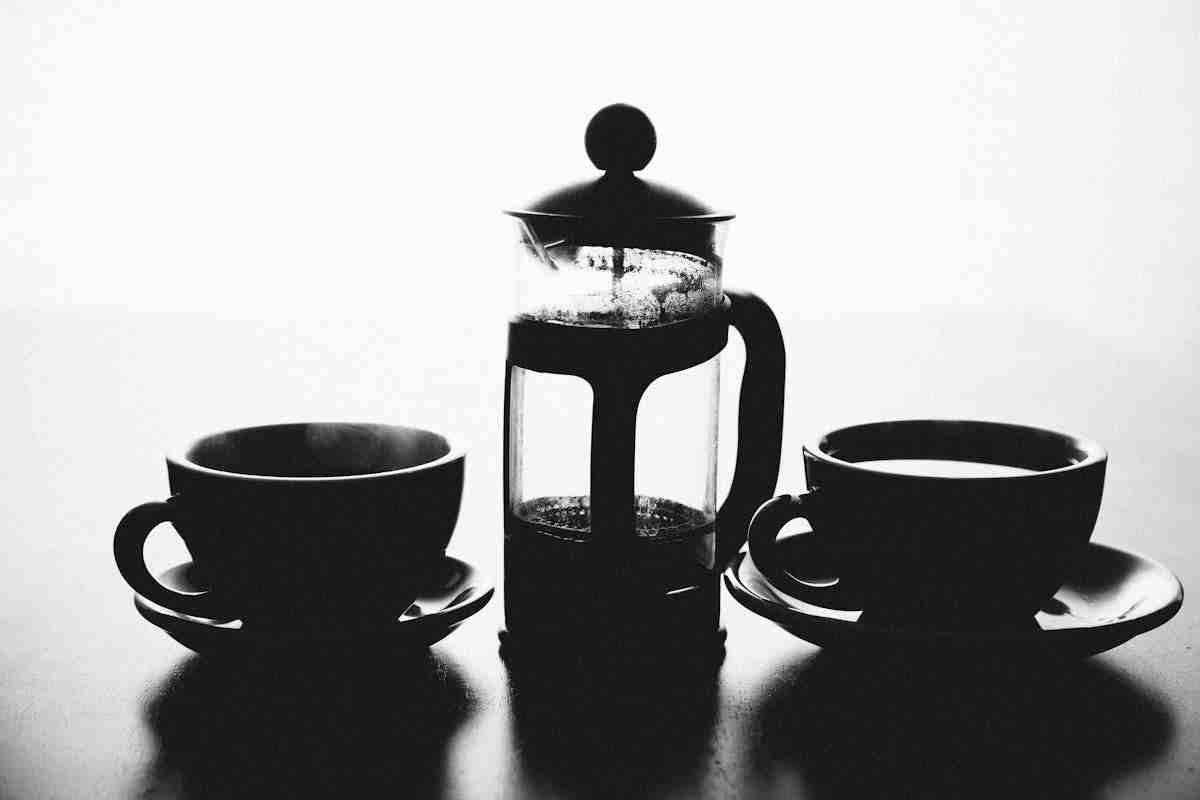
Even the best pre ground coffee for French press delivers a mediocre cup if the brewing fundamentals are wrong. These steps work consistently regardless of which brand you choose.
Start with water just off the boil, around 195 to 205 degrees Fahrenheit. Boiling water over-extracts and produces bitterness. Water that is too cool under-extracts and produces flat, weak coffee.
Use a ratio of one gram of coffee per 15 grams of water. For a practical estimate, two tablespoons of coarse pre-ground coffee per six ounces of water is close enough without a scale. Add your pre-ground coffee to the press, pour in the hot water, and stir once to saturate all the grinds.
Place the lid on with the plunger pulled up. Steep for four minutes. Press slowly and steadily, using consistent downward pressure. If the plunger is hard to push, the grind is too fine. If it drops with almost no resistance, the grind is too coarse.
Pour immediately after pressing. Coffee left in contact with the grounds after pressing continues to extract and will turn bitter within minutes. If you are not drinking the entire press at once, pour it into a thermal carafe to stop extraction while keeping it hot.
Storage Tips for Pre-Ground Coffee
Pre-ground coffee loses freshness faster than whole beans. The increased surface area exposed by grinding accelerates oxidation and off-gassing. Proper storage extends the quality window meaningfully.
Store pre-ground coffee in an airtight container away from light, heat, and moisture. A ceramic canister with a rubber-sealed lid works well. Keep it in a cabinet, not on the countertop next to the stove or coffee machine. Heat and steam accelerate staling.
Do not refrigerate or freeze pre-ground coffee for daily use. The temperature cycling as you remove the bag repeatedly introduces condensation, which damages the coffee faster than room temperature storage. Freezing makes sense only if you are storing an unopened bag for more than a month.
Buy in quantities you can finish within two to three weeks. A fresh 12-ounce bag opened today and stored properly will taste noticeably better at week two than a three-month-old bag that has been sitting half-full. Smaller, more frequent purchases beat large bulk buys for daily French press quality.
What to Look for on the Bag: A Buying Checklist
When shopping for pre-ground coffee for French press, these are the markers worth checking before buying.
The grind indicator should say coarse, French press grind, or coarse ground. If it says drip, espresso, or does not specify, check another option. Grind size is the single most important variable in French press coffee.
The roast level should be medium, medium-dark, or dark. Any of these will perform well. Light roast can work but requires more experimentation with steep time to avoid under-extraction.
Check the roast date, not the expiration date. Pre-ground coffee is best within three to four weeks of the roast date. Many specialty brands print this on the bag. If only a best-by date is listed, select the bag with the furthest expiration as a proxy for freshness.
Look for 100% Arabica designation if you want lower acidity and more nuanced flavor. Blends that include Robusta beans will be higher in caffeine and body but also more bitter. Both have their place. Robusta-forward blends like Death Wish suit people who want maximum strength. Arabica-only blends like Stumptown Hair Bender suit people who prioritize flavor complexity.
Pre-Ground Coffee vs Whole Bean for French Press
The honest answer is that freshly ground whole beans will almost always produce a better cup. Grinding immediately before brewing preserves volatile aromatic compounds that pre-ground coffee loses during packaging and shelf time. If you brew French press every day and own a decent burr grinder, whole beans are worth the effort.
Pre-ground coffee is the right choice when convenience matters. The quality gap between a well-chosen pre-ground and a whole bean ground on a mediocre blade grinder is small. A blade grinder produces uneven particle sizes that include both fine dust and oversized chunks. The dust over-extracts, the large chunks under-extract, and the result is a muddy cup. A quality pre-ground coffee sized correctly for French press beats a blade-ground whole bean brew without question.
The real comparison is pre-ground coffee versus whole beans ground on a burr grinder. There, whole beans win on freshness. But for households without a quality burr grinder, or for travel, offices, or camping setups, pre-ground coffee sized for French press is the practical and often superior choice.
For more on building a refined at-home coffee and dining experience, visit our Gourmet Dining pillar page where we cover everything from coffee equipment to food pairings and kitchen essentials.
Pairing Your French Press Coffee
French press coffee pairs particularly well with rich, fatty breakfast foods. The full body and low acidity complement butter, cream, and eggs in a way that brighter drip coffee often cannot. A dark roast French press alongside scrambled eggs and toast is a genuinely excellent combination.
For baked goods, bold dark roast French press complements chocolate-forward items such as muffins, brownies, and dark chocolate. The bitterness in both the coffee and the chocolate balance each other. Medium roast French press pairs better with lighter, fruit-forward pastries where you want the coffee to enhance rather than dominate.
If you enjoy adding milk or cream, darker roast pre-ground coffees hold up best. Their bold flavor profile remains present even when diluted. Lighter or medium roast French press coffees can wash out with too much dairy.
For a broader look at how coffee fits into a complete gourmet dining approach, our guide to gourmet dining at home covers everything from espresso equipment to food pairing principles. If you enjoy pairing coffee with a well-set table, our coffee table styling ideas guide offers practical approaches to creating an inviting morning ritual space.
Frequently Asked Questions
Is pre-ground coffee okay for French press?
Yes. Pre-ground coffee works well in French press as long as it is coarsely ground and sized for immersion brewing. The full-immersion process compensates for the freshness loss that comes with pre-ground coffee. Choose bags labeled coarse grind or French press grind for best results.
What grind is best for French press?
Coarse grind is best for French press. The particles should be roughly the size of raw sugar or cracked black pepper. Fine grind produces over-extraction and heavy sediment. Medium grind can work with a shorter steep time but is not ideal. When buying pre-ground coffee, look for bags specifically labeled for French press or coarse brewing.
How long should I steep pre-ground coffee in a French press?
Four minutes is the standard steep time for coarsely ground coffee in French press. If you are using a medium-grind pre-ground coffee, reduce the steep to two and a half to three minutes to avoid over-extraction. If your cup tastes bitter, steep for less time. If it tastes weak or flat, steep slightly longer or use more coffee.
What roast is best for French press?
Medium-dark and dark roasts perform best in French press. The immersion process extracts the oils and deep flavors that make dark roast coffee so satisfying. Medium roasts also work well and offer more origin-driven complexity. Light roasts can under-extract in French press without careful technique and longer steep times.
How do I reduce sediment in French press coffee?
Use a coarser grind, press slowly and steadily, and let the coffee rest for 30 seconds after pressing before pouring. The last two tablespoons in the press will always carry more sediment. Stop pouring before reaching the bottom of the carafe. A coarse pre-ground coffee labeled for French press will naturally produce less sediment than a medium or fine grind.
Can I use regular grocery store coffee in a French press?
You can, but results vary significantly. Most grocery store coffees are ground for drip machines, which means the grind is finer than ideal for French press. If that is what you have, use a shorter steep time of two to three minutes and expect some additional sediment. For a consistently better result, choose a grocery store brand that offers a specific French press or coarse grind option, such as Peet’s Major Dickason’s or Caribou Obsidian.
Using a French Press Coffee Maker with Pre-Ground Coffee
The french press coffee maker is one of the most straightforward brewing devices you can own. Unlike a drip coffee maker, which forces hot water through a paper filter and loses most of the natural coffee oils in the process, the french press uses a metal filter that allows those oils to pass through into your cup. That is a significant difference in flavor.
Drip brewing strips out the compounds that give coffee its body and richness. The metal filter in a french press coffee maker retains them. For coffee drinkers who switch from a drip coffee maker to a french press, the first cup is often a revelation. The body is heavier, the flavor more complete, and the coarse grounds settle at the bottom rather than ending up in a paper filter.
A standard stainless steel french press coffee maker holds between 12 and 34 ounces. The most common home size is 34 ounces, which produces about four cups. Stainless steel models retain heat better than glass and are more durable for daily use.
Grinder Types and Why They Matter for Pre-Ground Coffee
If you grind your own coffee at home, the type of grinder you use affects the coarse setting outcome significantly. A conical burr grinder crushes beans between two abrasive surfaces to produce a uniform coarse grind with minimal fine particles. Blade grinders chop beans randomly, producing an uneven mix of coarse grounds and fine powder.
A coffee grinder with a conical burr mechanism is the right tool for whole bean coffee destined for french press. The coarse setting on a conical burr grinder produces particles in the 700 to 1000 micron range consistently. Blade grinders cannot reliably hit this target.
The convenience of a pre-ground coffee that is already sized for coarse brewing is the reason many french press lovers choose it over grinding whole bean coffee at home. Fresh coffee beans ground on a conical burr grinder will always produce slightly better results, but a high-quality pre-ground option from a brand like Peet’s or Death Wish is very close.
The Brewing Process and Coffee-to-Water Ratio
The brewing process for a french press is simple. Add coarse grounds to the carafe, pour hot water at the right temperature, wait four minutes, and press the plunger down slowly. The coffee-to-water ratio is the variable most people get wrong.
A standard coffee-to-water ratio for french press is 1:15, meaning one gram of coffee for every 15 grams of water. For a 34-ounce french press, that works out to roughly 57 grams of coffee to 850 milliliters of filtered water. Most coffee drinkers who find their french press tastes weak are using too little coffee, not brewing incorrectly.
Brewing time affects extraction directly. A four-minute coffee steep is standard for coarse grounds. If your coffee tastes bitter, try a 3-minute steep or use slightly less coffee. The brewing process is forgiving, but the coffee-to-water ratio and brewing time are your two primary controls.
Cold brew is another option for pre-ground coffee. A coarse grind works well for cold brew concentrate, where coarse grounds steep in cold filtered water for 12 to 24 hours. Many of the same brands that work in a hot french press also work well for cold brew.
Final Thoughts on Choosing the Best Pre Ground Coffee for French Press
The best pre ground coffee for French press is one that matches your taste preferences and comes in a coarse grind sized for immersion brewing. Start with a medium-dark or dark roast from a reputable brand, brew at the right water temperature, and steep for four minutes. Those three variables will deliver a noticeably better cup than most coffee shop French press offerings.
From my own daily rotation, I return most often to Peet’s Major Dickason’s and Death Wish Coffee for a bold cup, and Stumptown Hair Bender when I want something more nuanced. All three are widely available, consistently ground for French press, and deliver the full-bodied cup this brewing method is built for.
Buy fresh, store it well, and brew with care. The French press is a forgiving method, but it rewards attention. A well-sourced pre-ground coffee and a four-minute steep will produce a cup that makes the morning routine worth getting up for.
If you enjoy exploring specialty coffee beyond the French press, you may also want to compare small espresso-based drinks. Our guide to gibraltar coffee vs cortado covers the key differences between these two popular cafe drinks, including their origins, milk ratios, and which one to order.
→ Shop the De’Longhi Stilosa Espresso Machine on Amazon
Continue Exploring Luxury
Everything you need to elevate your everyday life — in one place.
📖 Get the Free Luxe Living Starter Guide