Denver to Utah National Parks: The Ultimate Road Trip
This post contains affiliate links. If you click through and make a purchase, I may earn a small commission at no extra cost to you. I only recommend products and services I personally use and trust.
Planning Your Denver to Utah Road Trip
Look forward to an unforgettable adventure from Denver to Utah’s National Parks. Proper planning is key to making the most out of your trip, from mapping your route to knowing the best times to visit.Mapping Your Route
Start your journey in Denver, making your way west through the remarkable Rocky Mountains. Consider stops at Rocky Mountain National Park, Glenwood Springs, and Grand Junction.Drive along I-70 and US-191 to reach iconic parks like Arches and Canyonlands.A possible itinerary could include:- Day 1: Denver to Rocky Mountain National Park
- Day 2: Rocky Mountains to Glenwood Springs
- Day 3: Glenwood Springs to Arches National Park
- Day 4: Canyonlands National Park, then head to Moab
- Day 5: Trickier day trips to Dead Horse Point State Park or Capitol Reef National Park
| Destination | Hours Drive |
|---|---|
| Denver to Rocky Mountain | 1.5 |
| Rocky Mountains to Glenwood Springs | 3 |
| Glenwood Springs to Arches | 3 |
| Arches to Canyonlands | 1 |
Best Time to Visit
Early Spring through Fall is the best time for your trip. This period avoids harsh winter conditions in the Rockies, ensuring roads through mountain passes stay open.
- Mild temperatures
- Blooming wildflowers
- Longer daylight hours
- Ideal for hiking and outdoor activities
- Cooler weather
- Vibrant fall colors
Travel Tips and Essentials
Prepare well for your road trip to ensure a smooth journey. Bring a detailed map or GPS to navigate through remote areas where signals might be weak.Pack essentials like:- Water and snacks: Stay hydrated and energized.
- First-aid kit: For minor injuries or emergencies.
- Layers of clothing: Prepare for varying temperatures.
- Basic repair tools: In case of car troubles.
Exploring Utah’s Mighty 5 National Parks
Utah’s Mighty 5 national parks offer breathtaking views, unique rock formations, and unforgettable outdoor adventures. From the iconic Delicate Arch to the awe-inspiring Zion Canyon, you’ll find plenty to explore in these spectacular spots.Arches National Park
Arches National Park, located near Moab, is famous for its over 2, 000 natural stone arches. The must-see Delicate Arch is a popular spot, especially at sunset.Don’t miss the Landscape Arch, one of the longest natural stone arches in the world.The park offers several easy and moderate hikes, making it a great place for both casual walkers and seasoned hikers.The Devil’s Garden Trail provides an excellent way to see multiple arches in one hike.Bryce Canyon National Park
Bryce Canyon National Park is known for its unique hoodoos, which are tall, thin rock spires.The best way to see these formations is by hiking the Navajo Loop and Queens Garden Trail.Sunrise and Sunset Points offer the best views of the amphitheater.The park also offers stargazing opportunities due to its high elevation and low light pollution.Ranger-led programs are available for those interested in learning more about the night sky.Canyonlands National Park
Canyonlands National Park is divided into three districts: Island in the Sky, The Needles, and The Maze.The Island in the Sky district offers breathtaking scenic drives and panoramic views of the deep canyons carved by the Colorado and Green Rivers.For adventure seekers, the White Rim Road is a challenging yet rewarding 100-mile off-road trail.Mesa Arch, located in the Island in the Sky district, provides an iconic sunrise photo spot with views over a vast canyon.Capitol Reef National Park
Capitol Reef National Park features the Waterpocket Fold, a geologic wrinkle extending nearly 100 miles.The park’s scenic drive offers views of colorful cliffs, canyons, and domes.Don’t miss the Fruita Historic District, where you can pick fruit from the orchards.The Cassidy Arch Trail is a popular hike, named after the infamous outlaw Butch Cassidy. It offers remarkable views of the arch and surrounding landscape.Stop by the Gifford Homestead for fresh baked goods and unique souvenirs.Zion National Park
Zion National Park is renowned for its towering sandstone cliffs and narrow slot canyons.The Zion Canyon Scenic Drive is a must-do, taking you through some of the park’s most iconic landscapes, including Angels Landing and The Narrows.Angels Landing is a challenging hike with steep drop-offs but offers unparalleled views of Zion Canyon.For a different experience, hike The Narrows, where you wade through the Virgin River between towering canyon walls.Outdoor Activities and Adventures
Exploring the national parks from Denver to Utah offers many outdoor activities. You can hike remarkable trails, camp under the stars, gaze at the night sky, and enjoy refreshing water activities.Hiking the Best Trails
Hiking in this region is a must. Arches National Park and Canyonlands National Park offer some of the best trails.Delicate Arch is a favorite, providing a rewarding hike to a natural stone arch.In Rocky Mountain National Park, Trail Ridge Road gives access to spectacular views and trailheads.The Sky District in Canyonlands offers deep canyons and panoramic views. Each trail gives you a chance to see the natural beauty up close.Camping Experiences
Camping here is an unforgettable experience. Many parks have well-equipped campgrounds.In Arches National Park, you can camp among the red rock formations.Dead Horse Point State Park offers sites with views of canyon walls. For a high desert experience, Capitol Reef National Park is a great spot.You’ll find facilities like visitor centers close by, making it easy to extend your stay.Be sure to bring all you need, though, as some parks are quite remote.Stargazing Spots
The clear night skies make for excellent stargazing.Bryce Canyon National Park is famous for its dark skies and starry nights.In Dinosaur National Monument, you can see the Milky Way without a telescope.Dead Horse State Park also provides prime stargazing opportunities.Camping here means you can just step outside your tent for a breathtaking view.Great Sand Dunes National Park is another great place for star-watching, well away from city lights.Iconic Landmarks and Attractions
Explore the unique and impressive landmarks from Denver to the Utah National Parks. Discover impressive stone arches, historical petroglyphs, and the best scenic viewpoints.Majestic Stone Arches and Natural Bridges
Arches National Park in Utah is home to over 2, 000 natural stone arches. Delicate Arch, the park’s most famous landmark, is a must-see. You can hike up to it for remarkable views.Another key spot is Mesa Arch in Canyonlands National Park. It’s best visited at sunrise when the light illuminates the arch.There’s also Dead Horse Point State Park, known for its breathtaking views over the Colorado River and rock formations.Historic Petroglyphs
Utah has many locations where you can see petroglyphs. These ancient rock carvings tell stories of the people who lived in the region thousands of years ago.Near Moab, the Newspaper Rock is a must-visit. It features one of the largest collections of petroglyphs in the United States.Canyonlands National Park also has many hidden petroglyph sites worth discovering on your road trip.Scenic Viewpoints
Utah’s national parks offer plenty of scenic viewpoints.Sunset Point in Bryce Canyon National Park provides spectacular views of the red rock formations. It’s a great place to watch the sunset.Capitol Reef National Park offers Panorama Point for views of the high desert landscape.If you’re visiting Zion National Park, make sure to stop at Canyon Overlook Trail for outstanding views over the canyon walls.For a truly memorable experience, venture to the South Rim of the Grand Canyon. It offers some of the most remarkable panoramic views in North America.Discovering State Parks and Lesser-Known Gems
While national parks like Arches and Canyonlands are must-sees, there are also impressive state parks and lesser-known spots worth exploring. These gems offer spectacular views, unique rock formations, and fewer crowds. Discover some of the best state and tribal parks on your trip from Denver to Utah.Dead Horse Point State Park
Dead Horse Point State Park provides one of the most majestic viewpoints in the United States. The park overlooks the Colorado River and the canyons below.A scenic drive through the park takes you to the famous Dead Horse Point Overlook.You can enjoy 8 miles of trails that range from easy walks to more challenging hikes.Visit the visitor center to learn about the area’s history and geology.This park is a great place for photography and offers remarkable panoramic views of southern Utah’s desert landscapes.Goblin Valley State Park
Goblin Valley State Park is known for its unique rock formations that resemble goblins. These odd-shaped rocks are fun to explore, particularly for families.The park has several short trails that let you wander through the goblins and discover hidden corners.Camping is available for those who want to spend more time in this magical setting. There’s also a covered picnic area where you can relax and enjoy the scenic views.It’s an ideal stop for a day trip or a short hike to stretch your legs.Monument Valley Navajo Tribal Park
Located on the Utah-Arizona border, Monument Valley Navajo Tribal Park is iconic for its towering red sandstone buttes. This park is located within the Navajo Nation and offers visitors a chance to learn about Navajo culture.A scenic drive through the park reveals spectacular views at every turn.Consider hiring a local tour guide to get a deeper understanding of the park’s history and significance to the Navajo people.The visitor center provides helpful information and has a gift shop with local crafts.Monument Valley is a must-visit for its dramatic rock formations and rich cultural experiences.City Stops and Cultural Highlights
Experience a blend of natural and cultural wonders as you travel from Denver to the remarkable national parks of Utah. Each city along the way has much to offer, from unique food experiences to historical landmarks and urban attractions.Moab’s Diverse Offerings
Moab is a treasure trove for outdoor lovers. Its proximity to Arches National Park and Canyonlands National Park makes it an ideal stop during your road trip.You can enjoy miles of trails for hiking and biking.The local Colorado River is perfect for water activities like rafting.Moab’s dining scene is noteworthy, with places like the Desert Bistro offering a variety of delicious meals.Local shops and art galleries on Main Street provide a perfect place to stroll and buy unique souvenirs.Historical Fruita
Fruita, situated near the Colorado National Monument, is rich in history. The town has a Visitor Center that gives insights into local heritage and geology.You can explore the monument’s deep canyons and towering rock formations via a 23-mile scenic drive.Fruita is also famous for its annual Mike the Headless Chicken Festival.Local eateries and old-time grocery stores add to the charm.The town’s scenic byways and parks offer spectacular views and are ideal spots for a short hike.Salt Lake City’s Urban Appeal
Salt Lake City offers a mix of urban and natural attractions. Don’t miss visiting the majestic Salt Lake City Temple and the informative museums nearby.The city’s restaurant scene ranges from casual eateries to fine dining, catering to all tastes.If you have extra time, take a day trip to the nearby Great Salt Lake or explore the city’s art galleries and shopping districts.The Sky District is perfect for catching remarkable panoramic views.Salt Lake City combines the best of urban living with easy access to Utah’s natural beauty.Accommodations Along the Way
On your road trip from Denver to the national parks in Utah, there are many places you can stay. You’ll find campgrounds and RV parks, hotels and lodges, and some unique stays to enjoy.Campgrounds and RV Parks
If you love nature, campgrounds and RV parks are great options. Near Arches National Park and Canyonlands National Park, Moab has many spots for tent camping and RVs with amenities like showers and Wi-Fi.Dead Horse Point State Park also offers campsites with incredible views of the canyon walls.In Capitol Reef National Park, Fruita Campground is one of the best places to stay. It’s close to trails and has shaded areas under orchards.For those visiting Zion National Park, consider staying in Springdale, where you’ll find multiple campgrounds with easy access to the park’s shuttle system.Hotels and Lodges
For more comfort, hotels and lodges are available along the route. In Grand Junction, just a short drive from Colorado National Monument, you’ll find several convenient hotels.Estes Park, near Rocky Mountain National Park, offers cozy lodges with beautiful scenery and easy access to park trails.In Springdale, close to Zion National Park, there are many hotels that can make your stay easy and enjoyable.Torrey has charming lodges for those exploring Capitol Reef National Park.If you’re heading towards Bryce Canyon National Park, the town of Bryce offers convenient lodging options.Unique Stays
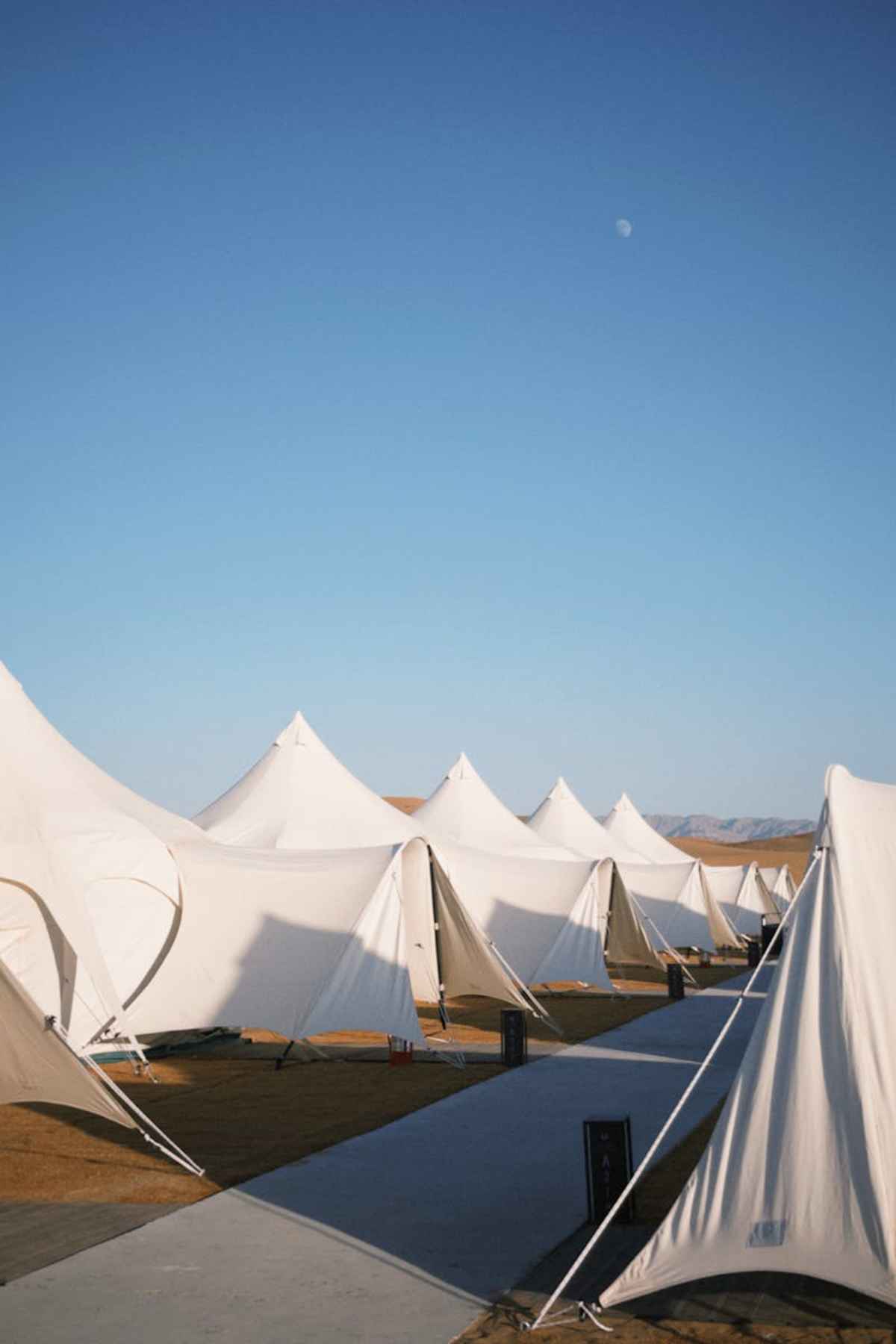
For a memorable experience, consider unique stays along your trip. Near Arches National Park, Moab area rentals include yurts and cabins with panoramic views.In the high desert of southern Utah, you might find a glamping spot or even a houseboat on Lake Powell.Torrey is home to some quirky bed and breakfasts that give you a taste of local life.If you have an extra day, you might want to stay in a historic lodge or an eco-friendly resort.These unique places add a special touch to your road trip, making it unforgettable.Navigating Colorado’s Natural Beauty
Explore Colorado’s remarkable landscapes by visiting major attractions such as Rocky Mountain National Park and the captivating Great Sand Dunes National Park. Each spot offers unique and memorable experiences.Rocky Mountain Highlights
Rocky Mountain National Park is a must-see, known for its majestic peaks and alpine lakes. Located about a two-hour drive from Denver, this park offers numerous hiking trails suitable for all skill levels.One of the park’s main attractions is Trail Ridge Road, the highest paved road in the United States which provides spectacular views of the Rocky Mountains.Be sure to stop by the Alpine Visitor Center for maps, tips, and breathtaking panoramic views.If you’re into wildlife, you’ll love spotting elk, moose, and other animals.Don’t miss Bear Lake, a great place for a short hike that offers gorgeous scenery.Estes Park, a charming town just outside the park, is perfect for lodging and dining.Mesmerizing Sand Dunes
Great Sand Dunes National Park is another incredible stop on your road trip. It’s located about a four-hour drive from Denver, but it’s worth the journey.This park is home to the tallest sand dunes in North America, reaching heights of up to 750 feet.You can enjoy activities such as sandboarding, hiking, and even splashing in Medano Creek during the spring.The Dunes Parking Area offers easy access to the dunes, making it convenient for a short stop.For a unique experience, hike to the top of the highest dune for unbelievable views of the surrounding high desert and mountains.Nearby, you can explore the remarkable Sangre de Cristo Mountains and various state parks.If you have extra time, visit Black Canyon of the Gunnison National Park for its deep canyons and dramatic rock formations.Tips for Sustainable Travel
Choose Eco-friendly TransportationConsider renting a hybrid or electric car for your road trip. This helps reduce emissions and is a great way to explore national parks like Arches National Park and Canyonlands National Park.Plan Your RouteUse a scenic byway to drive between destinations like Rocky Mountain National Park and Zion National Park. This minimizes fuel consumption and offers spectacular views.Pack Reusable ItemsBring a reusable water bottle, utensils, and shopping bags. Many visitor centers and national park gift shops have refill stations for water.Stay on Marked TrailsUse designated trails in places like Bryce Canyon National Park and Grand Teton National Park. This preserves the natural beauty and prevents damage to the landscape.Support LocalBuy supplies from local grocery stores or markets. This reduces the carbon footprint and supports communities around Mesa Verde National Park and Flaming Gorge.Dispose of Waste ProperlyCarry a small trash bag and dispose of waste at designated sites. Leaving no trace helps maintain the pristine condition of places like Delicate Arch and Horseshoe Bend.Use Public TransportationIf possible, use park shuttles or public transport. Many parks, including Rocky Mountain National Park, offer shuttle services to lessen road traffic and pollution.Respect WildlifeWatch animals from a distance and never feed them. This is important in areas like Yellowstone National Park and Dinosaur National Monument, where wildlife thrives.Limit Use of PlasticsAvoid single-use plastics by bringing your own containers. This reduces waste and keeps spots like Grand Canyon and Lake Powell clean.Opt for Low-Impact ActivitiesEnjoy activities that don’t harm the environment, such as short hikes or guided tours. It’s a great way to experience the natural wonders without leaving a heavy footprint.Choose Eco-friendly AccommodationsSelect lodgings that practice sustainability. Many places near Estes Park and Southern Utah are committed to eco-friendly practices.Concluding Your Journey
As you wrap up your journey from Denver to Utah’s national parks, the beauty and variety of the landscapes stand out.If you’re flying, head back to Denver International Airport. It’s time to say goodbye to the wild.Key StopsGrand Junction: A lovely city to rest and enjoy some local cuisine.Glenwood Springs: Soak in natural hot springs. It’s perfect after long drives.Returning HomeOnce back in Denver, make sure to stop by a grocery store for last-minute snacks. The Denver Art Museum is a great place to spend a few hours if you have extra time before your flight.Road Trip Highlights
- Rocky Mountains: Gorgeous mountain ranges with endless scenic drives.
- Arches National Park: Famous for its natural stone arches.
- Zion National Park: Known for its towering cliffs and rock formations.
- Bryce Canyon National Park: Home to unique red rock landscapes.
Must-See Natural Wonders
- Colorado National Monument
- Canyonlands National Park
- Delicate Arch in Utah
- Mesa Verde National Park
- Monument Valley
Travel Tips
- Driving Time: Expect long stretches between parks, sometimes up to 4 hours.
- Best Time: Early October offers remarkable fall color without the summer crowds.
- Days Needed: Plan for at least a week to enjoy the major parks. Consider an extra day for unexpected delights.
Frequently Asked Questions
Planning a road trip from Denver to Utah’s national parks? Here are some key details you need, from driving distances to the best routes and must-see spots.How many days should I allocate for a Utah national parks road trip starting from Denver?
You should plan for at least 7-10 days to fully enjoy the trip. This allows you to visit several parks like Arches, Zion, and Bryce Canyon without rushing.If you have extra time, consider adding an additional day or two for unexpected delays or side trips.What is the driving distance between Denver and Zion National Park?
The driving distance is about 600 miles, which typically takes 10-11 hours. This makes for a long but rewarding drive through varied landscapes.Break up the drive with short stops at places like Glenwood Springs and Grand Junction.Which national parks are the nearest to Denver when traveling to Utah?
Rocky Mountain National Park is closest to Denver, just about a 1.5-hour drive.When heading to Utah, the nearest parks include Arches National Park and Canyonlands National Park, both located near Moab. These are great places for a first stop.Can you recommend the most picturesque driving route from Denver to Utah’s national parks?
For a scenic drive, take I-70 West from Denver. This route offers spectacular views of the Rocky Mountains and passes through beautiful towns like Glenwood Springs.Make sure to drive the scenic byway of State Route 128 near Moab for remarkable red rock landscapes and the Colorado River.What should I not miss on a Denver to Arches National Park road trip?
Don’t miss hiking to Delicate Arch in Arches National Park, it’s the park’s main attraction. Also, explore the Colorado National Monument near Grand Junction for its remarkable cliff formations.Make sure to stop at Dead Horse Point State Park for panoramic views of the canyons.Is it feasible to visit both Colorado and Utah national parks on a single road trip?
Yes, it’s definitely feasible. You can start with Rocky Mountain National Park. Then, head to Mesa Verde National Park. After that, cross into Utah to visit Arches National Park and Canyonlands National Park. The journey offers a mix of natural wonders and outdoor activities across both states.You might also like: the complete guide to U.S. National Parks: Explore Natures Most Breathtaking Landscapes · Glamping Zion National Park: The Ultimate Escape · Things to Do in Bath for Ultimate Relaxation
Continue Exploring Luxury
Everything you need to elevate your everyday life — in one place.
📖 Get the Free Luxe Living Starter Guide